If you’ve spent any time browsing skincare aisles or reading ingredient labels, you’ve probably noticed niacinamide showing up everywhere — from lightweight serums to moisturizers to spot treatments. There’s a reason this ingredient has become a staple in so many routines: it’s gentle, versatile, and backed by a solid body of research.
This guide breaks down what niacinamide actually does, who it’s good for, and how to use it correctly so you get the most out of it.
Quick Answer: Niacinamide is a form of vitamin B3 used in skincare to help support the skin barrier, manage excess oil, even out the look of skin tone, and minimize the appearance of enlarged pores. It’s generally well-tolerated by most skin types, including sensitive and acne-prone skin, and is commonly used once or twice daily in concentrations between 2% and 10%.
Niacinamide (also called nicotinamide) is a water-soluble form of vitamin B3. Unlike some active ingredients that only suit certain skin types, niacinamide is considered one of the more universally tolerated actives in skincare, which is part of why it’s so widely used in Skincare Routine for Beginners-style routines.
It occurs naturally in the body and plays a role in cellular energy production. In topical form, it’s added to serums, moisturizers, and treatments because of how it interacts with the skin’s outer layer.
What Does Niacinamide Do for Your Skin?
Niacinamide supports several different aspects of skin health at once, which is part of its appeal. Here’s a closer look at its main functions.
Supports the Skin Barrier
The skin barrier is the outermost layer that helps keep moisture in and irritants out. Niacinamide is often included in formulations aimed at supporting this barrier, which can help skin feel more resilient and comfortable over time.
Helps Manage Excess Oil
Niacinamide is frequently used by people with oily or combination skin because it may help regulate sebum (oil) production, which can lead to a less shiny, more balanced-looking complexion.
Supports More Even-Looking Skin Tone
One of niacinamide’s most talked-about benefits is its ability to support a more even skin tone. It’s commonly used alongside other brightening ingredients to help address the look of dark spots and uneven pigmentation over time. Because of this, niacinamide is also a common addition to routines built around dull-looking skin, though it isn’t a guaranteed fix for every cause of dullness — see our skincare routine for dull skin guide for a fuller approach.
Helps Reduce the Appearance of Pores
By supporting oil balance and overall skin texture, niacinamide can help pores appear less noticeable — though it does not physically shrink pore size, which is determined by genetics. For a full routine built around this, see our skincare routine for large pores.
Supports Healthy-Looking Skin as It Ages
Niacinamide is often included in anti-aging formulations because it supports the skin barrier and overall skin texture, which can contribute to a smoother, healthier-looking appearance over time.
Niacinamide Benefits for Different Skin Types
Skin Type
How Niacinamide Helps
Oily skin
May help balance oil production and reduce shine
Dry skin
Supports barrier function, which can help with moisture retention
Combination skin
Balances oil in some areas without over-drying others
Sensitive skin
Generally well-tolerated; often used to support barrier comfort
Acne-prone skin
May help with oil control and support a calmer-looking complexion
Niacinamide is flexible enough to fit into most routines, whether you’re using it as a serum, moisturizer, or part of a treatment product.
General guidelines:
Time of day: Niacinamide can be used in the morning, at night, or both — it doesn’t increase sun sensitivity the way some actives do.
Where it fits: Apply after cleansing (and after any water-based serums), before heavier creams or oils. See our guide to choosing a cleanser for your skin type.
Frequency for beginners: Start with once daily for the first one to two weeks to see how your skin responds, then increase to twice daily if it’s well-tolerated.
Formulation: Serums tend to deliver a more concentrated dose, while moisturizers offer a gentler, more gradual approach — useful if you have sensitive skin. See our guide to choosing a moisturizer for your skin type.
Amount: A small amount is enough for a thin, even layer.
Skin condition: Clean, dry skin works for most formulas — check your product’s label if unsure.
There are many niacinamide formulas on the market, and the options below aren’t ranked or presented as the single best choice — they’re a few examples readers commonly come across if they’re looking to add a niacinamide serum to their routine.
Disclosure: This section contains affiliate links. If you purchase through these links, Ava Fit Care may earn a small commission at no extra cost to you.
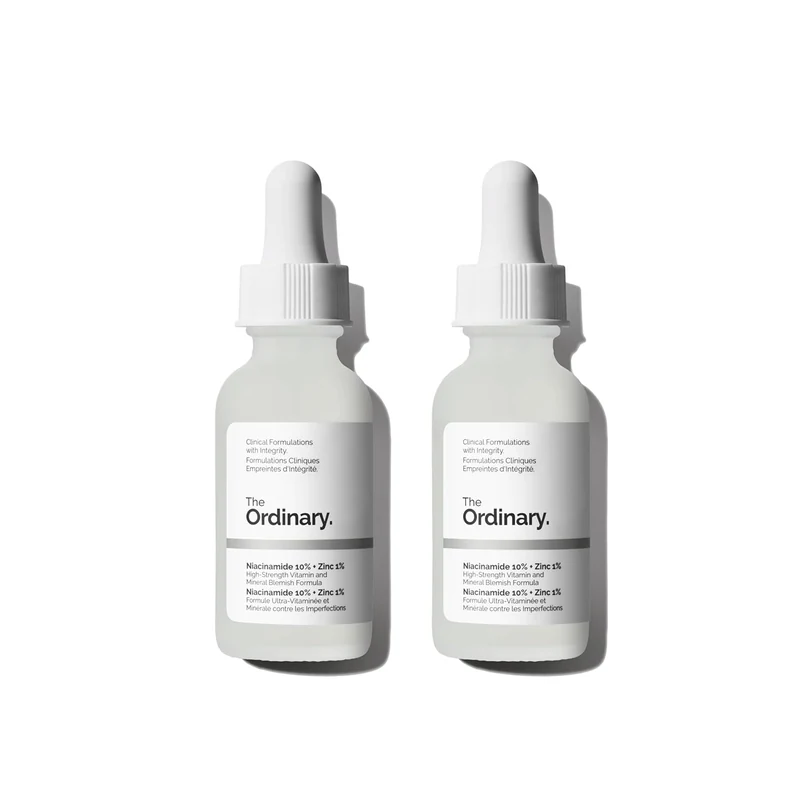
The Ordinary Niacinamide 10% + Zinc 1%
This is a 10% niacinamide serum combined with 1% zinc, and it’s a popular option for people looking for a straightforward, no-frills niacinamide serum. It’s designed to fit into a simple AM or PM routine. As with any new product, it can help to patch-test first and see how your skin responds.
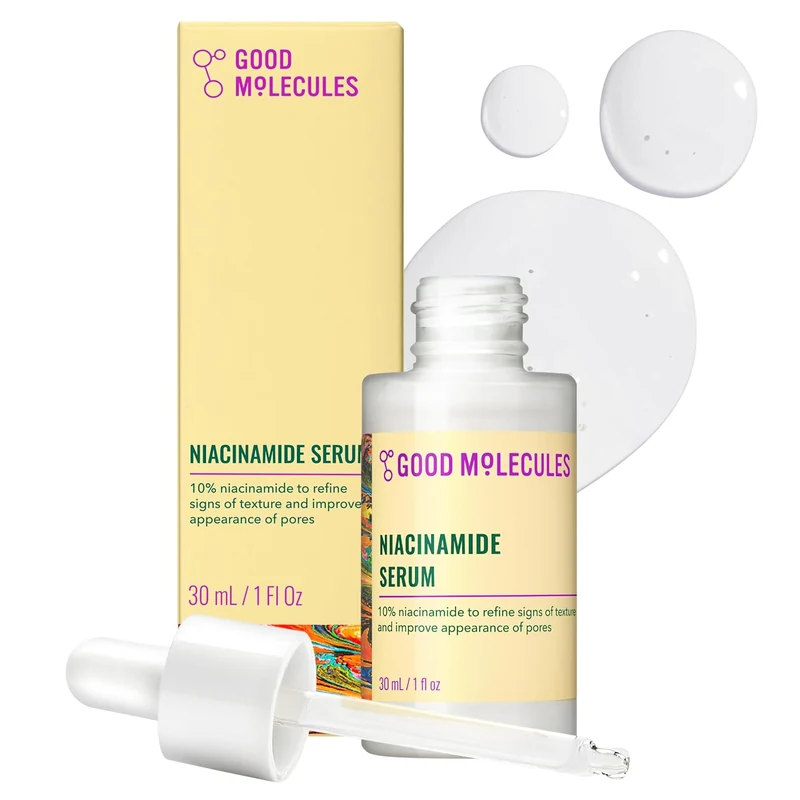
This is a 10% niacinamide serum that’s another option readers may consider when comparing different niacinamide-focused formulas. It’s formulated to layer easily with other lightweight skincare products. How well any serum works can vary from person to person.
This is another 10% niacinamide serum, from a brand many readers are already familiar with for other skincare products. It’s one more option for readers comparing formulas, particularly if you already use other products from the brand. As always, it’s worth introducing new actives gradually.
Niacinamide products are commonly formulated at concentrations ranging from around 2% to 10%.
Lower concentrations (2–5%): A good starting point for beginners or those with sensitive skin.
Moderate concentrations (5–10%): Common in targeted serums aimed at oil control or uneven tone.
Higher concentrations (10%+): Higher concentrations aren’t automatically better, and some people may find them more irritating.
More isn’t automatically better. If you’re new to the ingredient, starting lower and adjusting based on how your skin responds is generally the smarter approach.
Can You Use Niacinamide With Other Ingredients?
Niacinamide pairs well with most common actives. Here’s how it interacts with a few popular ones:
Ingredient
Can You Combine?
Notes
Vitamin C
Yes
Older concerns about instability have largely been addressed in modern formulations; many products combine both successfully
Hyaluronic Acid
Yes
A common, low-risk pairing that supports hydration
Retinol
Yes, with care
Niacinamide can help offset some of retinol’s dryness; introduce slowly if new to both
Salicylic Acid
Yes
Often paired in oily/acne-prone formulations, but watch for dryness if layering multiple actives
Azelaic Acid
Yes
Generally compatible; both are considered gentle actives
Ceramides
Yes
Ceramides support the barrier and pair naturally with niacinamide’s own barrier-supporting role
(A dedicated deep-dive guide on retinol is now available. Deep-dive guides on vitamin C, hyaluronic acid, ceramides, salicylic acid, and azelaic acid are still planned for this ingredients cluster and will be linked here once published.)
Can Niacinamide Cause Side Effects?
Niacinamide is considered one of the gentler active ingredients in skincare, but it isn’t completely risk-free for everyone.
Possible reactions can include:
Mild redness or flushing, especially at higher concentrations
Temporary dryness or tightness
Some people may experience irritation, especially with higher concentrations or when using multiple active ingredients at once
If you notice ongoing irritation, it’s worth checking the full ingredient list — sometimes it’s another ingredient in the formula, not the niacinamide, that’s the cause. As always, if irritation persists, consider consulting a dermatologist.
Common Niacinamide Mistakes
Starting with too many actives at once. Introducing niacinamide alongside three other new products makes it hard to tell what’s causing irritation if something goes wrong.
Assuming a higher percentage is always better. Jumping straight to 10%+ isn’t necessary for most people.
Layering too many products in one routine. More steps doesn’t always mean better results — and can increase irritation risk.
Ignoring early signs of irritation. Redness or stinging is a signal to scale back, not push through.
Expecting overnight results. Most visible improvements in tone and texture take several weeks of consistent use.
Frequently Asked Questions About Niacinamide
Yes. Niacinamide is generally suitable for daily use, once or twice a day, once your skin has adjusted to it.
Either works. It doesn’t increase sun sensitivity, so many people use it both AM and PM.
Yes. Most modern formulations are designed to work well together, though some people prefer using them at different times of day if they notice sensitivity.
Yes, it’s commonly used to help support more balanced oil production and reduce the appearance of shine.
Niacinamide is often used to support a more even-looking skin tone over time, though results vary and it works best as part of a consistent routine.
Generally yes — it’s one of the better-tolerated actives, though patch testing is always a good idea with any new product.
Yes. Many people use niacinamide to help offset some of the dryness associated with retinol use.
Most people notice changes in texture and tone after several weeks of consistent use, typically around 4–8 weeks.
The Bottom Line
Niacinamide is a well-tolerated, versatile ingredient that supports the skin barrier, helps balance oil, and contributes to a more even-looking skin tone over time. It works well for most skin types and pairs easily with other common actives like vitamin C, retinol, and salicylic acid. As with any active, starting slow, watching how your skin responds, and staying consistent will get you the best results.