
Quick Answer
A good skincare routine for dull skin doesn’t need to be complicated. In the morning: cleanse gently, apply an optional antioxidant or vitamin C serum, moisturize, and finish with broad-spectrum sunscreen SPF 30 or higher. At night: cleanse again, apply an optional targeted treatment if you use one, and moisturize to support your skin barrier overnight.
Dull-looking skin isn’t a fixed skin type or a diagnosis — it’s a description of appearance that can have several contributors, from surface dryness to a buildup of dead skin cells to simply going a while without consistent care. A simple, steady routine tends to do more for how skin looks than a long list of products used inconsistently.
What Does “Dull Skin” Mean?
“Dull skin” isn’t a medical term or a fixed skin type — it’s a way of describing how skin looks in a given moment. Skin that appears dull generally looks less bright, less even, or less fresh than usual, rather than having a specific, single cause.
Dullness can show up on oily, dry, combination, sensitive, normal, or dehydrated skin. It’s a surface appearance that can layer on top of any underlying skin type, which is part of why there’s no single ingredient or step that fixes it for everyone.
It’s also worth separating “glow” from shine. A healthy-looking complexion generally reflects light evenly and looks comfortable and well-hydrated — it isn’t the same as skin that looks unnaturally slick or glass-like, which is more a styling or makeup effect than a skincare goal.
Common Signs of Dull-Looking Skin

These are common descriptions people use, not a diagnostic checklist. If a few of these sound familiar, a simple routine focused on gentleness, hydration, and consistency is a reasonable starting point.
- Skin looks tired, flat, or less lively than usual
- Tone looks uneven rather than consistent across the face
- Texture feels rougher or less smooth to the touch
- Skin looks dry or dehydrated
- Makeup doesn’t blend as smoothly as it normally does
- Dark spots or areas of discoloration seem more noticeable
- Skin generally lacks its usual healthy-looking radiance
Dull Skin vs Dry Skin vs Dehydrated Skin vs Uneven Skin Tone
These four terms get used somewhat interchangeably, but they describe different things. This table is meant as a general guide to help you think about your skin, not a diagnostic tool.
| Concern | What It Generally Means | Common Appearance | What a Routine May Focus On |
|---|---|---|---|
| Dull-looking skin | An appearance description, not a fixed skin type | Flat, tired, less radiant-looking | Gentle cleansing, hydration, consistency |
| Dry skin | Lower oil/lipid production; more of a skin type | Rough, flaky, consistently tight | Richer moisturizer, barrier support |
| Dehydrated skin | Lower water content; a temporary condition | Tight or dull, can occur even with oily skin | Hydrating ingredients, moisturizer |
| Uneven skin tone | Localized or patchy differences in pigmentation | Dark spots, patches, or blotchy areas | Sunscreen, brightening ingredients, consistency |
These concerns often overlap. Someone with dehydrated skin may also look dull, and dry skin that isn’t properly moisturized can look both dull and uneven. If dryness or flaking is your main concern, our guide to a skincare routine for dry skin goes deeper on barrier-focused care, and if tightness or a lack-of-water feeling is more your issue, see our guide to a skincare routine for dehydrated skin.
Simple Skincare Routine for Dull Skin
Here’s the core routine at a glance. Each step is explained in more detail below.
| Step | AM | PM | Purpose |
|---|---|---|---|
| 1 | Gentle cleanser | Gentle cleanser | Removes buildup without stripping skin |
| 2 | Optional antioxidant/vitamin C serum | Optional targeted treatment | Supports tone and texture over time |
| 3 | Moisturizer | Moisturizer | Hydrates and supports the skin barrier |
| 4 | Broad-spectrum SPF 30+ | — | Daily protection against UV-related dullness and uneven tone |
Morning Skincare Routine for Dull Skin
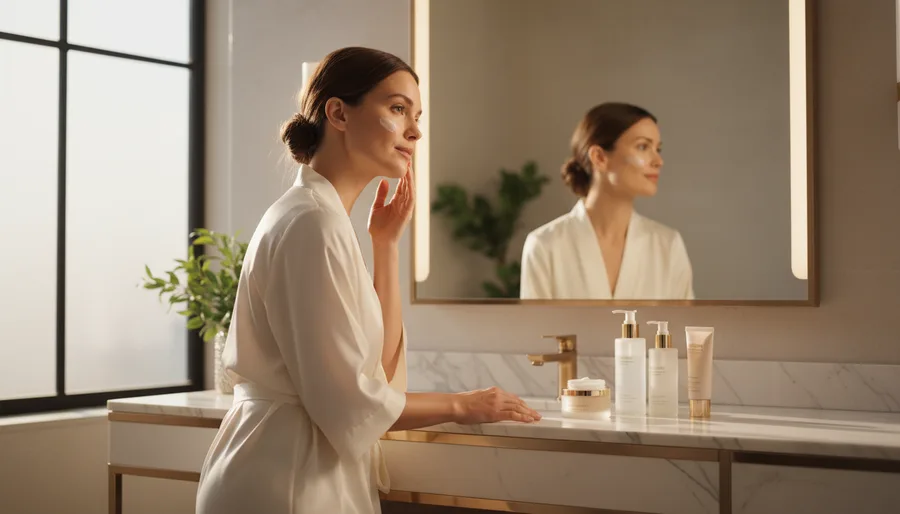
A morning routine for dull skin is about protecting and prepping your skin for the day, not layering on as many products as possible.
Gentle Cleanser
Start with a mild cleanser that removes overnight oil, sweat, and residue without leaving skin feeling tight or stripped. A cleanser that’s too harsh can actually make dull, flat-looking skin look worse by disrupting the skin barrier. Lukewarm water is generally more comfortable than hot water.
As an Amazon Associate I earn from qualifying purchases.
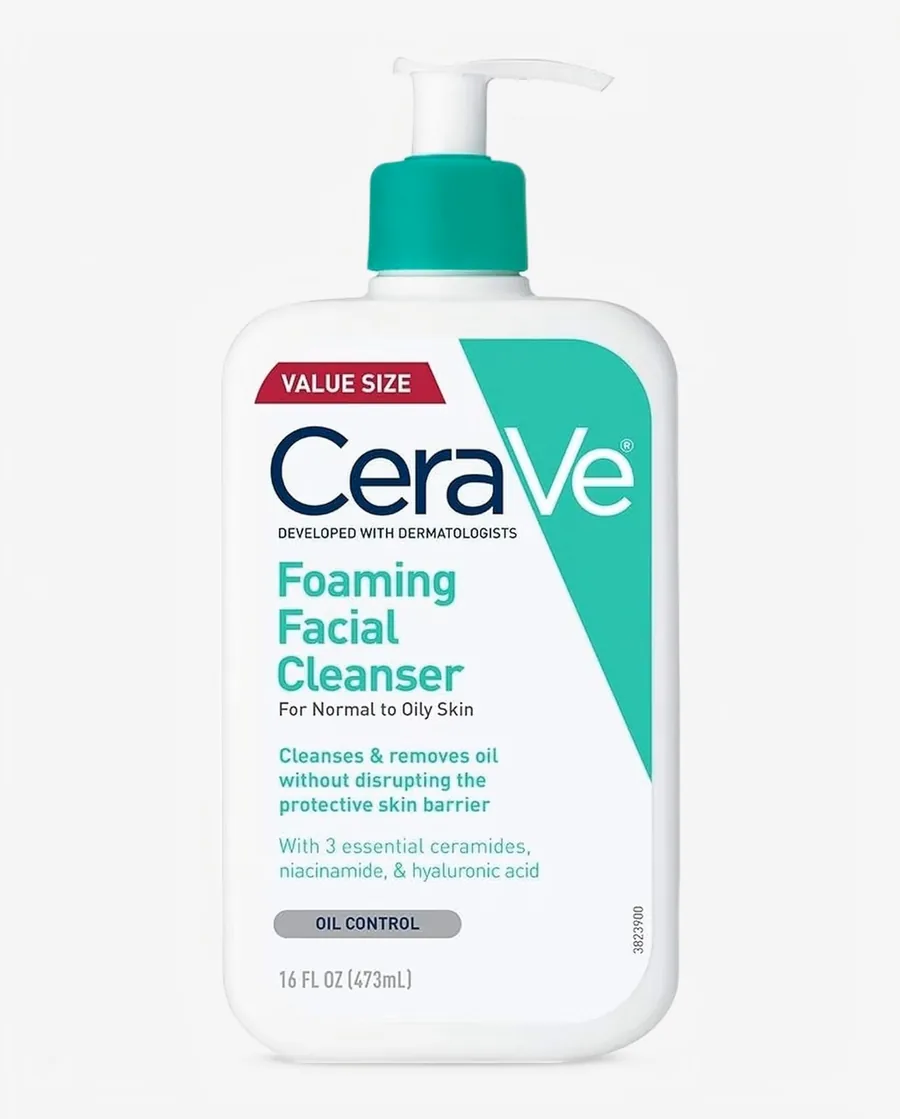
If you would like a specific product to try here, the CeraVe Foaming Facial Cleanser is a gentle, non-stripping cleanser that may be suitable for a dull-skin routine. (paid link)
Optional Vitamin C / Antioxidant Serum
This step is optional. Vitamin C is one of the most commonly used ingredients in brightening-focused routines, largely because of its antioxidant role — it’s thought to help support skin against everyday environmental stressors like UV exposure and pollution. Formulas vary quite a bit in strength, stability, and pH, so it’s normal to need some trial and error to find one that feels comfortable.
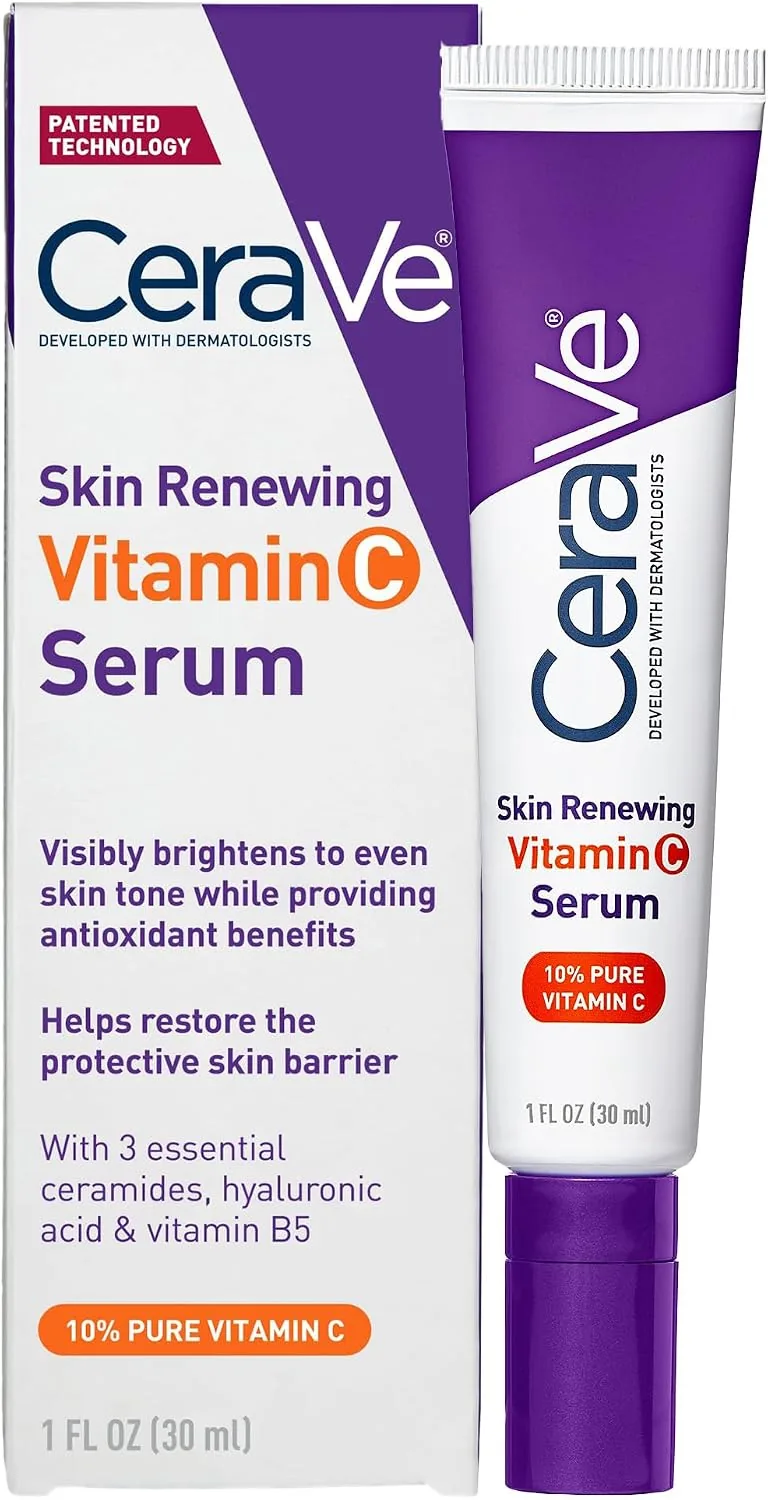
This step remains optional. If you would like to try a Vitamin C option, the CeraVe Vitamin C Serum is a formula some people add to their morning routine — individual tolerance and results vary, and a simple routine without this step can still be effective. (paid link)
Vitamin C won’t erase dark spots or guarantee a specific brightening result, and sensitive skin may do better introducing it gradually, following the product directions and paying attention to how the skin responds.
Moisturizer
Moisturizer helps replenish hydration and support the skin barrier, which plays a real role in how “awake” or “flat” skin looks day to day. The right texture depends on your skin type: lighter gel-creams tend to suit oilier skin, while richer creams are often more comfortable for drier skin.
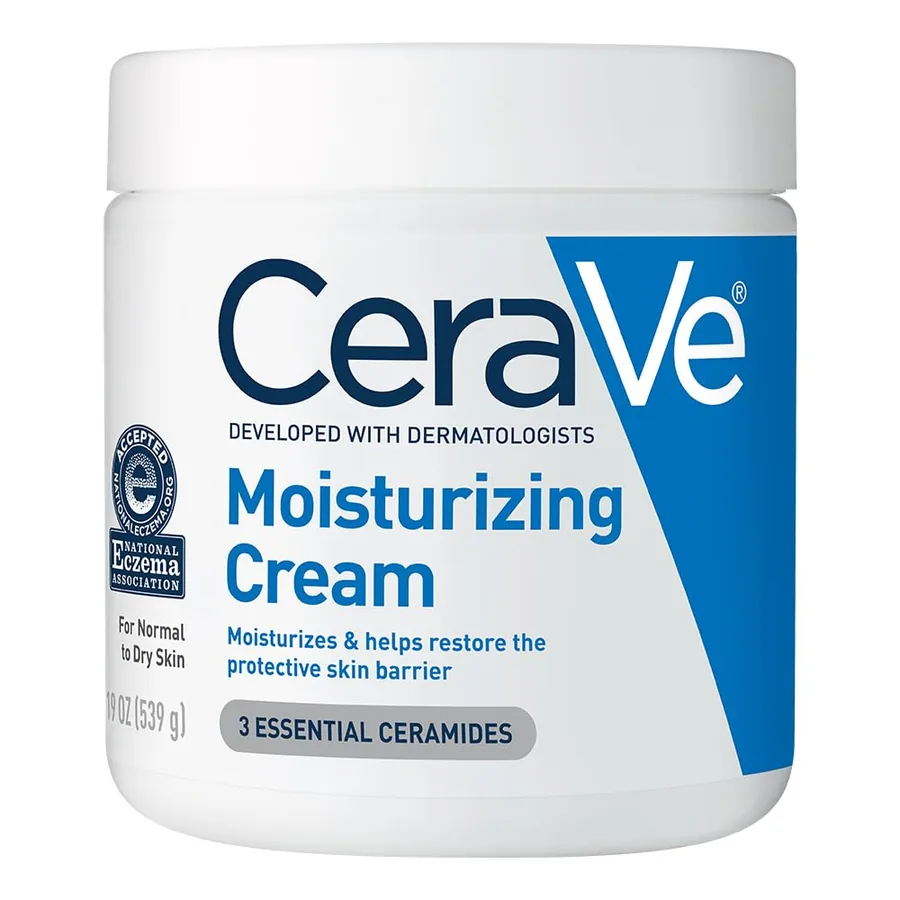
For a moisturizer option, the CeraVe Moisturizer can be an option to help support the skin barrier — as always, individual results can vary. (paid link)
Sunscreen
Finish every morning with a broad-spectrum sunscreen SPF 30 or higher, even on cloudy days. UV exposure is a well-established contributor to visible skin aging and can make uneven-looking tone more pronounced over time, which makes daily sunscreen especially relevant if tone evenness is part of what you’re working on. Reapply according to the product’s directions, particularly with extended sun exposure or activity, and consider shade, hats, and protective clothing as additional layers of protection.
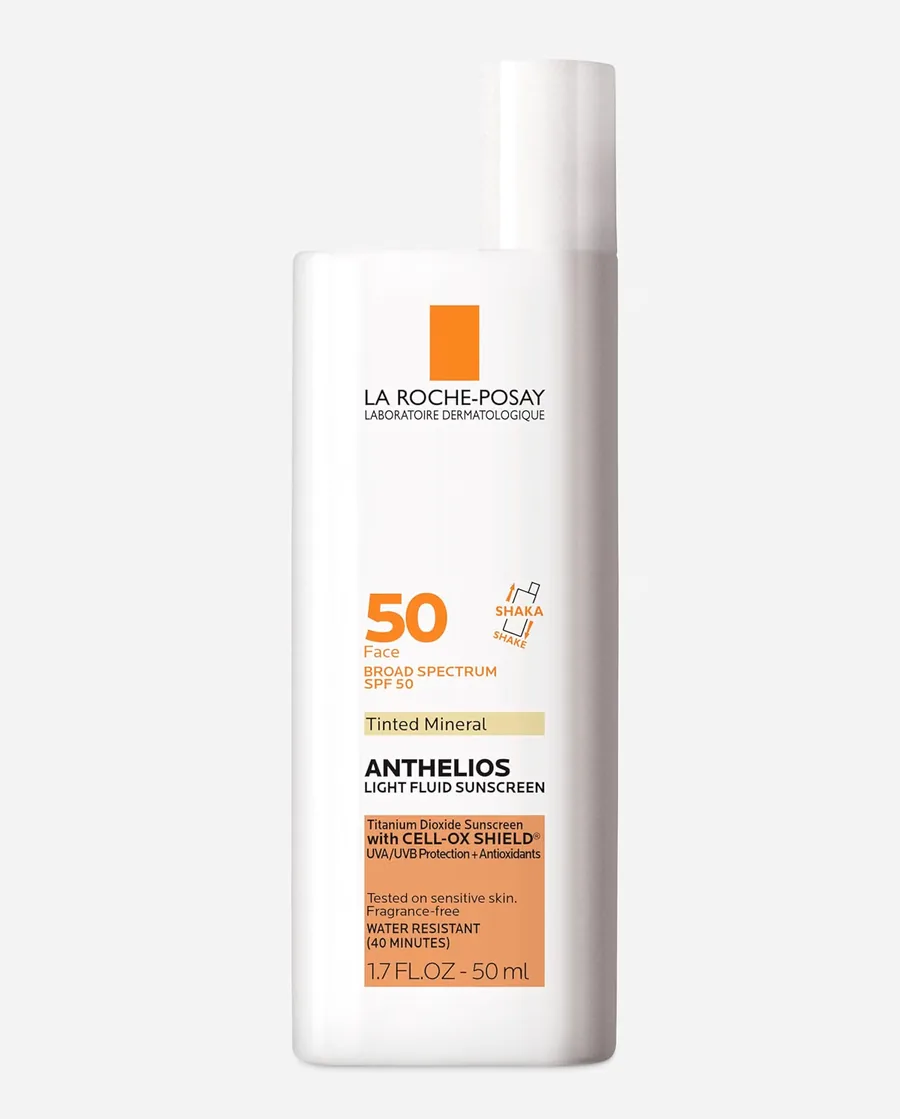
For daily sun protection, the La Roche-Posay Anthelios Sunscreen may be suitable for finishing off a dull-skin morning routine. (paid link)
Night Skincare Routine for Dull Skin

Evenings are a good time to remove the day’s buildup and let any treatment products do their work without sunscreen or makeup layered on top.
Gentle Cleanser
Use a gentle cleanser to remove sunscreen, makeup, and the day’s buildup. If you wear heavier makeup or sunscreen, a light pre-cleanse followed by your regular cleanser can help you avoid needing to scrub.
Optional Targeted Treatment
This is where an ingredient like a retinoid, niacinamide, or a gentle exfoliating acid might fit in — but only one at a time, and only if you choose to use one at all. Common options include:
- Retinoids/retinol — among the more studied ingredients for supporting texture and tone over time
- Niacinamide — commonly used to help support an even-looking tone and a more comfortable barrier; see our niacinamide guide for more on how to use it
- Gentle exfoliating acids (AHAs/PHAs) — can help address surface buildup that contributes to a rough or dull-looking texture
Introducing one active ingredient at a time makes it much easier to tell what your skin actually tolerates, rather than layering several new products and not knowing which one is causing irritation if something goes wrong.
Moisturizer
Finish with a moisturizer to support the skin barrier and improve overall comfort overnight, especially if you’ve used a treatment product that can be drying.
Best Ingredients for Dull-Looking Skin

No ingredient here is universally “the best” — the right fit depends on your skin, your tolerance, and what else is in your routine.
| Ingredient | What It Can Help With | Who May Like It | Important Considerations |
|---|---|---|---|
| Vitamin C | Antioxidant support; commonly used for tone and brightness | Most skin types, used in the morning | Formulas vary in strength and stability; introduce gradually |
| Niacinamide | May support an even-looking tone and a more comfortable barrier | Widely tolerated, including sensitive skin | Generally well-tolerated but still worth patch-testing |
| Retinol/retinoids | May support smoother-looking texture and more even tone over time | Those comfortable introducing an active gradually | Can cause dryness or irritation; not for everyone; individualized pregnancy guidance needed |
| Alpha hydroxy acids (AHAs) | Surface exfoliation; may improve texture | Normal to dry skin tolerating mild acids | Can increase sun sensitivity; avoid over-exfoliating |
| Polyhydroxy acids (PHAs) | Gentler surface exfoliation | Sensitive or reactive skin | Milder than AHAs but still an active ingredient |
| Hyaluronic acid | Humectant; helps attract and hold water | Most skin types | Best followed by a moisturizer to help seal in hydration |
| Glycerin | Humectant; supports hydration | Most skin types | Very well-tolerated; found in many formulas |
| Ceramides | Support and maintain the skin barrier | Dry, sensitive, or barrier-compromised skin | Generally well-tolerated; look for in moisturizers |
| Azelaic acid | May help support an even-looking tone | Those seeking a gentler alternative to stronger actives | Introduce gradually; not a substitute for professional guidance on persistent pigmentation |
Vitamin C for Dull Skin
Vitamin C is one of the most talked-about ingredients for dull or uneven-looking skin, and for good reason — it’s a well-studied antioxidant that’s commonly included in products aimed at supporting a brighter, more even-looking tone. Antioxidants in general are thought to help support skin that’s regularly exposed to environmental stressors like UV light and pollution.
That said, formulation matters a lot. Vitamin C is a notoriously unstable ingredient, and products vary widely in concentration, pH, and packaging, all of which affect how well they hold up and how your skin tolerates them. Some formulas can cause tingling, redness, or irritation, especially at higher concentrations. It’s reasonable to introduce a new vitamin C product gradually and watch how your skin responds before using it daily.
Vitamin C is not a guaranteed fix for dark spots or an even-looking tone on its own — it tends to work best as part of a consistent routine that also includes daily sunscreen.
Retinol / Retinoids for Dull Skin
Retinol and retinoids are among the better-studied topical ingredients when it comes to photoaging and skin texture, and they’re commonly used to help support smoother-looking texture and more even-looking skin over time. They work gradually, not overnight.
Irritation — dryness, redness, peeling — is possible, especially when a retinoid is introduced too quickly. Following the product’s directions, starting slowly, and always following with a moisturizer tends to be more comfortable than jumping straight into frequent use.
If you are pregnant or trying to conceive, talk with your healthcare professional before using topical retinoids. If you are breastfeeding, ask your healthcare professional whether a specific retinoid is appropriate for you. This isn’t a decision to make from a skincare article alone, and there’s no universal frequency or dosage that applies to everyone — introduce it according to the product directions and how your skin responds.
Exfoliation
Exfoliation can help remove the buildup of dead skin cells on the surface that sometimes contributes to a rough or dull-looking texture. Chemical exfoliants — like mild AHAs or PHAs — tend to be easier to control than physical scrubs for a lot of people, since scrubs can cause irritation or abrasion, especially when used with too much pressure or too often.
More exfoliation is not automatically better, and there’s no universal schedule that works for everyone. If your skin becomes irritated, burning, or unusually tight, that’s a sign to reduce or pause exfoliation rather than push through it. Introduce any new exfoliating product gradually, following the label directions, and pay attention to how your skin actually responds.
Best Skincare for Dull Skin: What to Look For
If you’re not sure where to start, the right routine depends less on finding one ‘magic’ product and more on why your skin looks dull in the first place. Dryness, a buildup of dead skin cells, irritation, and inconsistent sun protection can all play a role, and they call for slightly different priorities.
For most people, the foundation looks the same regardless of the underlying cause:
- A gentle cleanser that doesn’t strip your skin
- A hydrating, barrier-supporting moisturizer
- Daily broad-spectrum SPF 30+
That three-step foundation is worth building and sticking with before adding anything else. If you’re new to skincare altogether, it’s worth starting there rather than jumping straight to targeted actives.
Once that’s in place, one optional targeted active can be added based on what’s likely contributing to the dullness: hydration and barrier-support ingredients like hyaluronic acid or ceramides if dryness or dehydration seems to be the main factor; vitamin C if you want general antioxidant and brightening support; niacinamide if you want something widely tolerated that supports tone and barrier comfort; a gentle chemical exfoliant if surface buildup or rough texture seems to be part of the picture; or a retinoid if you’re comfortable introducing a more studied, but more irritation-prone, ingredient gradually.
Adding several of these at once isn’t necessary and tends to increase the odds of irritation rather than speed up results. One targeted active, introduced gradually, is usually enough to start.
Dull Skin + Oily Skin
Oily skin can absolutely still look dull. Oiliness and dullness aren’t opposites — a shiny T-zone doesn’t mean your skin is well-hydrated or radiant-looking, since oil level and how “bright” skin looks are separate things.
It’s worth resisting the urge to over-cleanse in an attempt to strip away all the oil, since that can disrupt the skin barrier and potentially make dullness worse. A lightweight, non-comedogenic moisturizer is still useful even for oily skin — skipping moisturizer altogether tends to backfire. For a fuller routine built around oilier skin, see our guide to a skincare routine for oily skin.
Dull Skin + Dry Skin
Dryness is one of the more common contributors to a dull, rough-looking complexion, since flaky or under-hydrated skin doesn’t reflect light as evenly. The focus here is usually gentle cleansing, a barrier-supportive moisturizer, and being cautious with exfoliation, which can aggravate already-dry, sensitive skin. Our guide to a skincare routine for dry skin covers this in more depth.
Dull Skin + Sensitive Skin
Sensitive skin can react more easily to strong actives like retinoids, acids, or high-strength vitamin C, so a simpler routine is often the better starting point. Fragrance-free products may be worth considering, and patch-testing new products before applying them to your whole face can help you catch a reaction early.
Introduce one new active ingredient at a time, and stop or reduce anything that causes significant irritation rather than pushing through it. Our guide to a skincare routine for sensitive skin has more detail on gentle product selection.
Dull Skin + Acne-Prone Skin
Acne-prone skin can look dull or uneven too, sometimes made worse by acne treatments that are drying or by over-cleansing in an attempt to control breakouts. Over-exfoliating on top of an already-drying acne routine tends to backfire. A lightweight, non-comedogenic moisturizer can help support comfort without contributing to clogged pores. Skincare shouldn’t leave your skin more irritated than when you started — if it does, that’s worth reconsidering. See our guide to a skincare routine for acne-prone skin for a gentler approach.
Dull Skin + Normal / Combination Skin
Normal and combination skin generally have more flexibility with product texture and actives, but the same basic principles apply: a lightweight moisturizer usually works well, though you might use a slightly richer formula on drier areas like the cheeks. If you introduce a new active, do it one at a time regardless of how “easy” your skin type usually is. For more detail, see our guides to a skincare routine for normal skin and a skincare routine for combination skin.
Dull Skin and Dark Spots / Uneven Tone

It’s worth separating an overall dull appearance from localized dark spots or patches of discoloration. Dullness tends to be a general, all-over impression, while uneven tone usually refers to specific areas that look darker or different from the surrounding skin.
For general tone evenness, the most consistently useful habits are daily sunscreen, along with ingredients like vitamin C, niacinamide, or retinoids used consistently over time. None of these promise to remove pigmentation, and results vary a great deal depending on the cause. If a dark spot is persistent, changing, or otherwise concerning, that’s a reason to see a professional rather than continue experimenting with over-the-counter products — see “When to See a Dermatologist” below for the specific signs worth watching for.
Lifestyle and Environmental Factors
A handful of everyday factors can contribute to how “awake” or dull your skin looks, though none of them are the whole story on their own:
- Dry indoor air, especially from heating or air conditioning
- Cold weather, which can pull moisture from the skin
- Extended, unprotected sun exposure
- Smoke exposure
- An inconsistent or frequently changing skincare routine
- Sleep that’s consistently insufficient may affect how skin looks day to day, though it’s one factor among many rather than a guaranteed cause
These are worth being aware of, but skincare — consistent cleansing, hydration, and sun protection — remains the most direct lever you have for how your skin looks day to day.
Seasonal Routine Adjustments
Summer: A lighter moisturizer often feels more comfortable in warmer, more humid weather, and you may want to pay closer attention to managing sweat and oil throughout the day. Avoid over-cleansing just because your skin feels oilier — that can backfire. Daily broad-spectrum sunscreen remains an important part of a skincare routine throughout the year.
Winter: Indoor heating and cold outdoor air can both pull moisture from the skin, so a richer moisturizer is often more comfortable during colder months. Protecting the skin barrier matters more when the air around you is drier.
Daily broad-spectrum sunscreen remains an important part of a skincare routine throughout the year, regardless of season.
Common Mistakes
- Using too many active ingredients at once
- Scrubbing the skin aggressively, thinking it will “wake it up” faster
- Over-exfoliating in hopes of quicker results
- Skipping moisturizer, especially on oily or acne-prone skin
- Being inconsistent with sunscreen
- Switching products too quickly before giving them time to work
- Trying DIY acidic or abrasive hacks (like lemon juice, baking soda, or toothpaste) instead of tested skincare products
- Expecting overnight results
- Assuming dull skin automatically means dry skin
- Using strong products on skin that’s already irritated
How Long Does It Take to Improve Dull-Looking Skin?
There’s no fixed timeline, and it’s worth being skeptical of any promise of exact results in a set number of days. For some people, skin can feel more comfortable and hydrated within days of simplifying and being consistent with a routine. Texture and tone generally take longer to visibly change, often weeks, and results vary quite a bit depending on the underlying cause and the routine you’re using.
Consistency tends to matter more than intensity. If a concern persists despite a gentle, consistent routine over a reasonable period, that’s a reasonable point to bring in a professional rather than continuing to add more products.
Dull-looking skin on its own usually isn’t a reason for urgent concern, but it’s worth seeing a dermatologist if you notice persistent, unexplained changes to your skin; significant irritation or burning; persistent redness; severe itching; cracking or a rash that doesn’t resolve; or a pigmented spot that’s changing rapidly, unusual in appearance, or otherwise concerning. Pigmentation that stays persistent or seems to be worsening despite a reasonable, gentle skincare routine is also worth a professional evaluation rather than continued at-home experimentation.
At-a-Glance Routine
AM:
- Gentle cleanse
- Optional antioxidant/vitamin C serum
- Moisturizer
- Broad-spectrum SPF 30+
PM:
- Gentle cleanse
- Optional targeted treatment
- Moisturizer
Simple Shopping Checklist
- Gentle cleanser
- Hydrating moisturizer
- Broad-spectrum SPF 30+
- Optional vitamin C or antioxidant serum
- Optional targeted treatment (retinoid, niacinamide, or gentle exfoliant)
- Optional gentle exfoliant
You do not need every product on this list.
Frequently Asked Questions
Related reading: if you’re building out the rest of your skincare knowledge, you may also find it helpful to read our guides to a skincare routine for beginners, a skincare routine for oily skin, a skincare routine for dry skin, a skincare routine for combination skin, a skincare routine for sensitive skin, a skincare routine for acne-prone skin, a skincare routine for normal skin, a skincare routine for mature skin, and a skincare routine for dehydrated skin. For more general skincare and beauty guidance, visit our beauty section.