Your face feels tight the second you step out of the shower. Foundation clings to flaky patches around your nose by noon. You’ve slathered on moisturizer twice today and somehow your cheeks still feel like sandpaper. If any of that sounds familiar, you’re dealing with dry skin, and you’re far from alone.
The good news is that a working skincare routine for dry skin doesn’t require twelve steps or a cabinet full of serums. Most people see meaningful improvement with a handful of well-chosen products used consistently: a gentle cleanser, some hydration, a moisturizer that actually seals things in, and daily sunscreen. The trick isn’t buying more — it’s building a dry skin routine that supports your skin barrier instead of working against it.
This guide walks through what dry skin actually is, what tends to cause it, which ingredients are worth looking for, and how to put together a realistic morning and nighttime routine you can stick with. If you’re brand new to skincare in general, our beginner skincare routine guide is a good companion piece alongside this one.
Your Dry Skin Routine in 60 Seconds
Morning
Gentle cleanser or rinse
Hydrating serum (optional)
Moisturizer
Broad-spectrum SPF 30+ sunscreen
Night
Gentle cleanser
Hydrating serum or treatment (optional)
Moisturizer
Optional occlusive layer for very dry areas
Not every step is mandatory every night — cleanser plus moisturizer is a reasonable minimum. Consistency matters more than doing every optional step.
“Dry skin” gets used as a catch-all term, but there’s actually a meaningful difference between skin that’s dry and skin that’s dehydrated — and knowing which one you’re dealing with can change how you approach your routine.
Dry skin generally describes a skin type where the skin doesn’t produce as much natural oil (sebum) as other skin types. This is often at least partly genetic and tends to be a fairly consistent, long-term characteristic. Dehydrated skin, on the other hand, refers to a temporary lack of water in the skin, and it can technically happen to any skin type — including oily skin.
You can have naturally dry skin that’s also dehydrated at the same time, which is part of why the two get confused so often.
Hydrating, water-binding ingredients like hyaluronic acid
This isn’t a strict medical classification, and plenty of people land somewhere in between. If you’re unsure which applies to you, a dermatologist can help you figure it out — but for most everyday routines, combining hydrating and moisturizing steps (which we’ll cover below) tends to address both. If you’re still not sure which one you’re dealing with, see our guide to dehydrated skin vs. dry skin for a more detailed comparison.
What Causes Dry Skin?
Dry skin rarely comes from just one thing. According to the American Academy of Dermatology, a few common contributors include:
Cold, dry weather. Low humidity pulls moisture out of the skin, which is why dry skin often gets worse in winter.
Hot showers and baths. Hot water feels great but can strip away natural oils, especially with long showers.
Harsh cleansers. Sulfate-heavy or highly foaming cleansers can leave skin feeling “squeaky clean,” which is usually a sign they’ve removed more oil than necessary.
Over-cleansing. Washing your face too often, or scrubbing too aggressively, can wear down the skin barrier over time.
Excessive exfoliation. Using physical scrubs or chemical exfoliants too frequently can leave skin more vulnerable to moisture loss.
Certain skincare or acne products. Some acne treatments and active ingredients are drying as a side effect, even when they’re doing their intended job.
Aging. Oil production naturally tends to decrease with age for many people.
Environmental exposure. Wind, sun exposure, and indoor heating or air conditioning can all play a role.
Not everyone’s dry skin comes from the same combination of factors, so it’s worth thinking about your own routine and environment rather than assuming a one-size-fits-all cause. Dryness and the rough texture it can cause don’t change pore size, but they can make pores look more noticeable in some lighting — if that’s what you’re seeing, our routine for visible pores covers it in more depth. Rough, flaky texture can also leave skin looking dull rather than smooth and bright — if dull-looking skin is more what you’re dealing with, our routine for dull skin guide covers that instead.
Essential Products for Dry Skin
Affiliate Disclosure: Some links below are paid links, and Ava Fit Care may earn a commission on qualifying purchases at no extra cost to you. As an Amazon Associate I earn from qualifying purchases.
Gentle Cleanser
The goal of a cleanser for dry skin is to remove dirt, sweat, and product buildup without also removing the oils your skin needs. Look for cleansers described as gentle, non-stripping, or hydrating, and consider fragrance-free formulas if your skin tends to react to added scent.
Cream, lotion, or milk-based cleansers are often more comfortable for dry skin than gel or foaming formulas, though this comes down to personal preference and how your specific skin responds. If your skin feels tight or squeaky right after cleansing, that’s usually a sign the formula is too stripping for your skin.
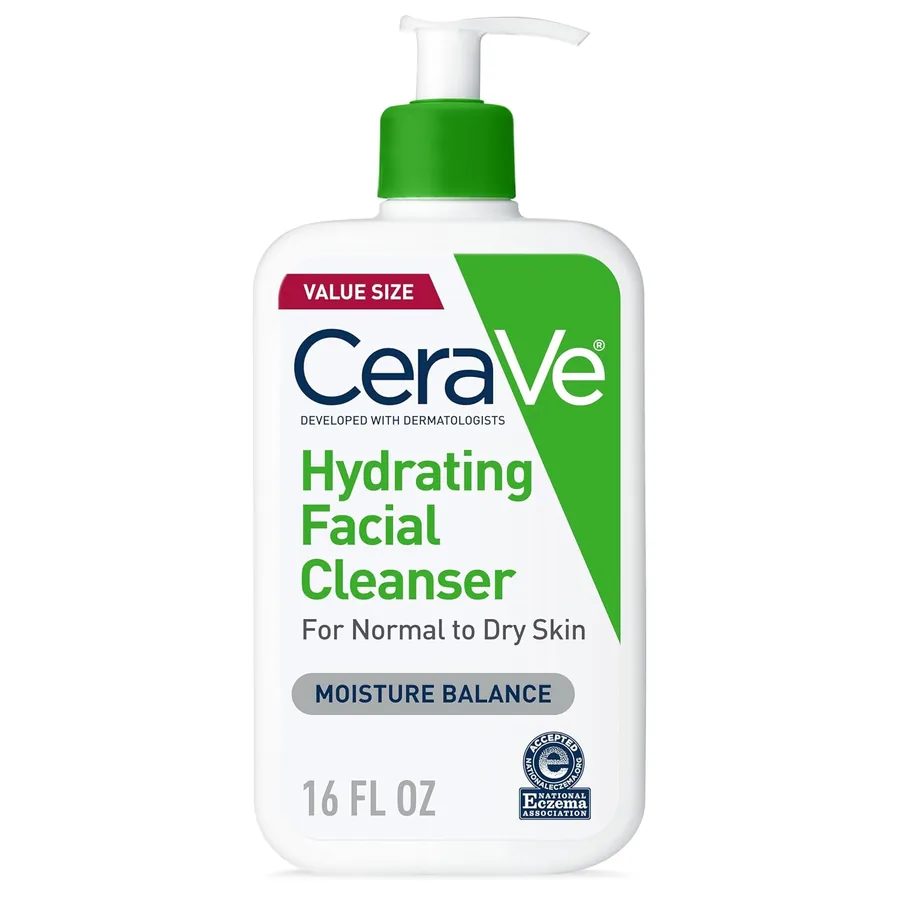
CeraVe Hydrating Facial Cleanser
A cream-based, non-stripping cleanser that’s often a comfortable fit for the gentle, hydrating cleanse described above.
For a closer look at the creamy non-foaming texture, cleansing experience, makeup and sunscreen removal, and skin-type tradeoffs, read our CeraVe Hydrating Facial Cleanser review.
Hydrating Serum
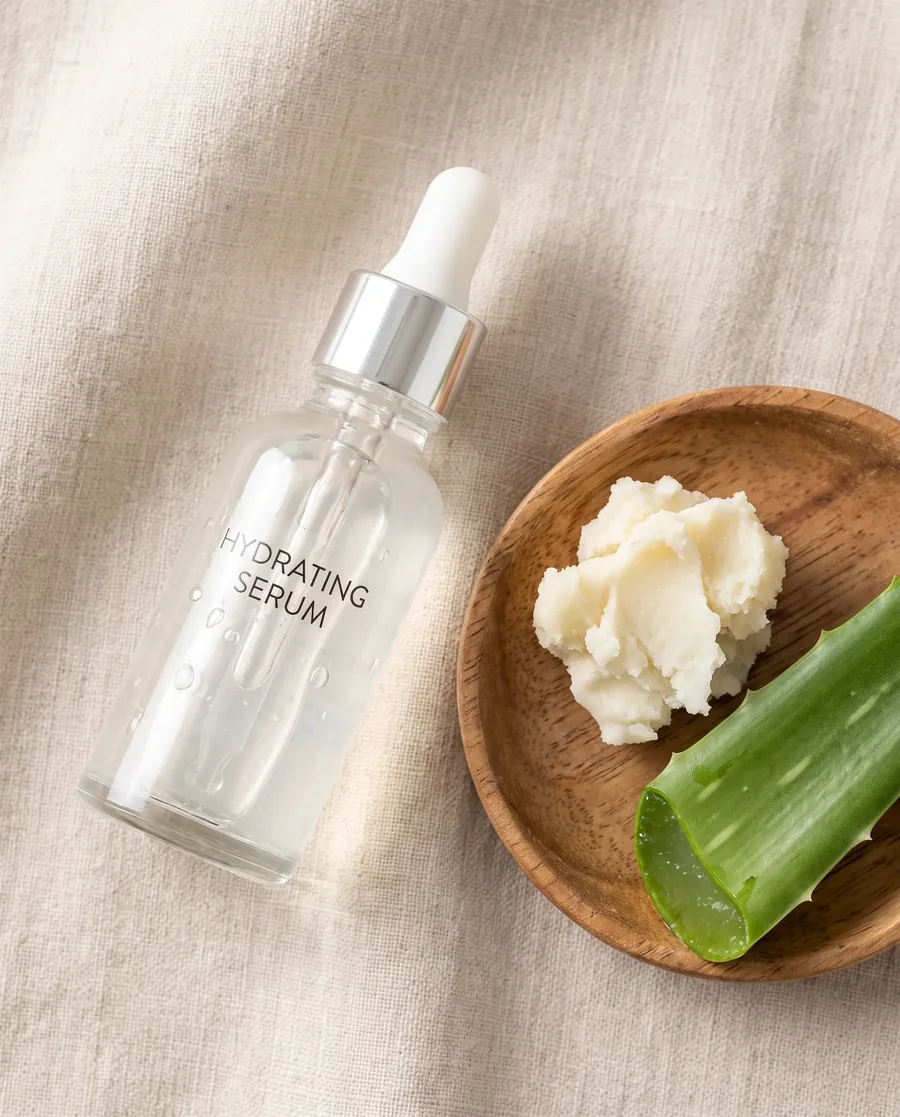
This step is optional, but a lot of people with dry skin find it worthwhile. Hydrating serums are typically water-based and designed to draw moisture into the skin rather than seal it in. Common ingredients include glycerin, hyaluronic acid, and panthenol.
Applying a hydrating serum to slightly damp skin, then following with moisturizer, can help lock in some of that added moisture.
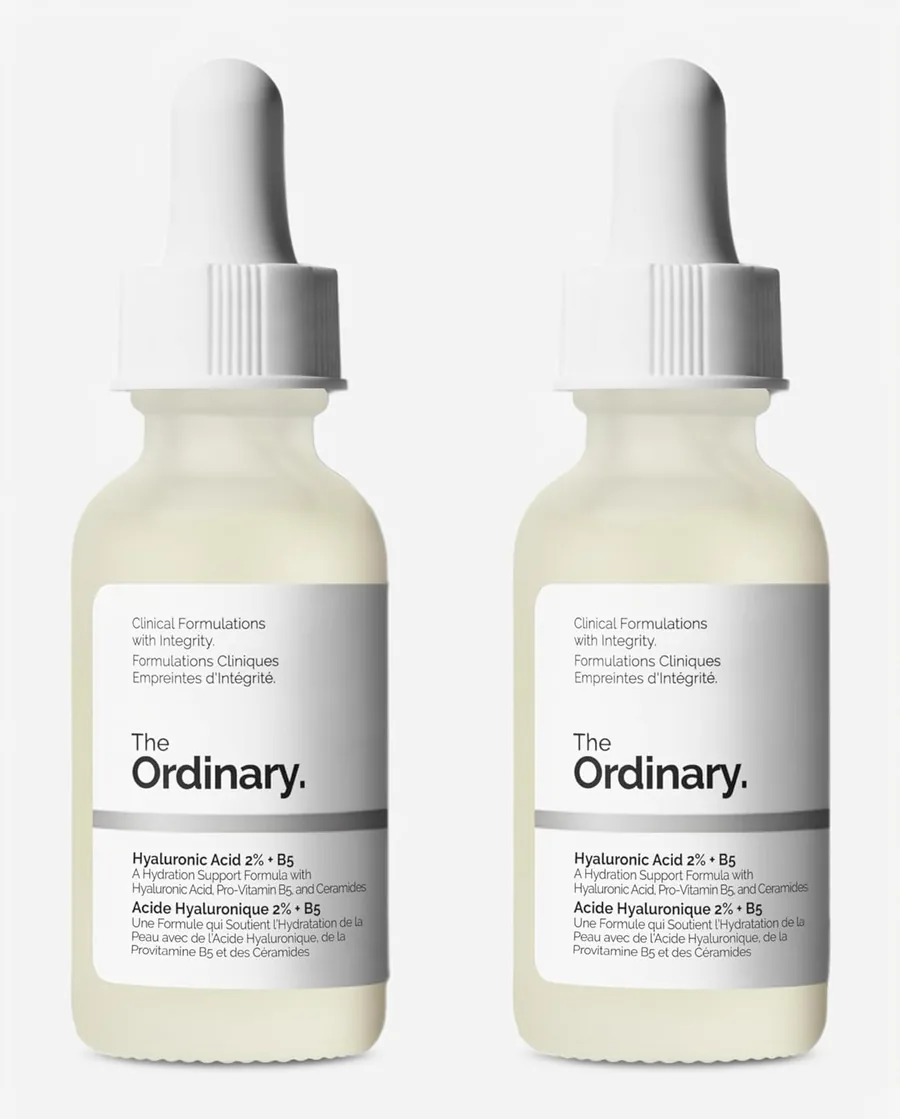
The Ordinary Hyaluronic Acid
A straightforward, water-based hyaluronic acid option if you want to try adding a hydrating serum step to your routine.
This is arguably the most important product in a dry skin routine, and it’s worth spending a little more thought here than on any other step.
For dry skin, richer, cream-based moisturizers are often more helpful than lightweight lotions or gels, simply because they tend to contain more oils and occlusive ingredients. That said, “richer” doesn’t automatically mean “better” for every person — some people with dry skin still prefer lighter textures, especially in warmer months, and that’s a reasonable choice too.
Ingredients worth looking for in a moisturizer for dry skin include:
Ceramides, which support the skin’s natural barrier
Glycerin, a humectant that draws in water
Petrolatum, an occlusive that helps prevent water loss
Shea butter or plant oils, which many people find comfortable for dry, flaky areas
There’s no single “best” moisturizer texture for everyone — what matters is that it leaves your skin feeling comfortable, not tight, for several hours after applying it.
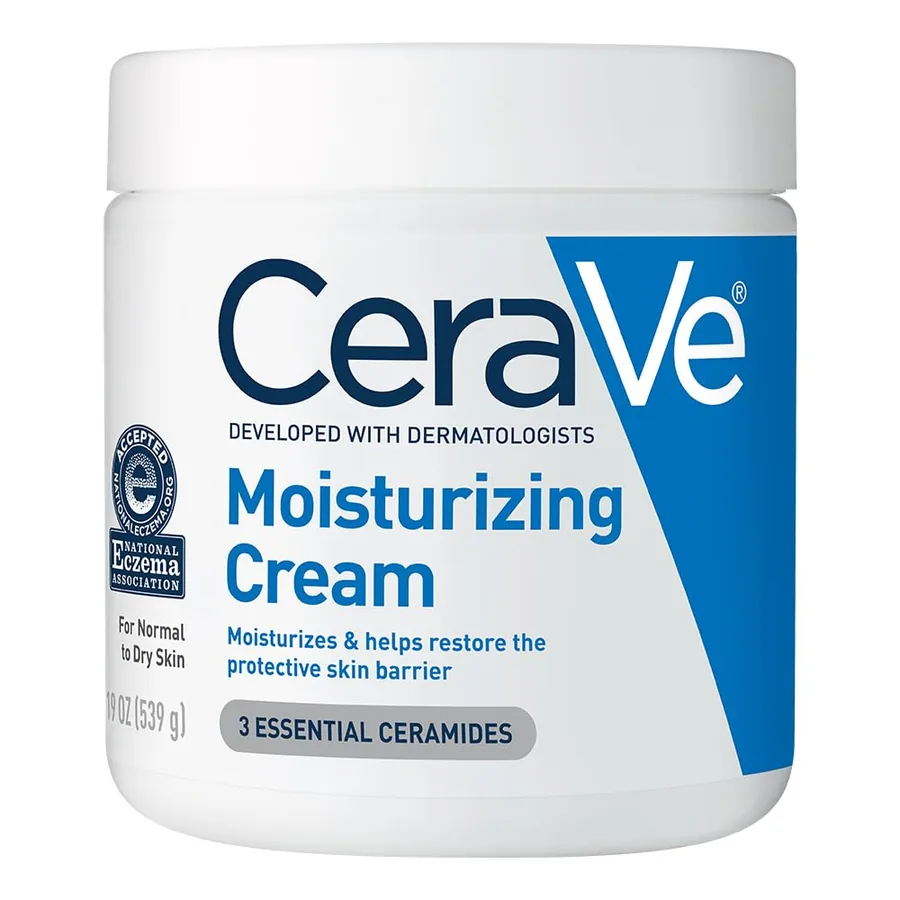
CeraVe Moisturizing Cream
A richer, cream-based moisturizer formulated with ceramides, which lines up with what’s generally recommended above for dry skin.
Dry skin still needs daily sun protection — dryness doesn’t offer any kind of shield against UV exposure, and some ingredients used for dry skin (like certain exfoliating acids) can actually make skin more sun-sensitive.
Look for a broad-spectrum sunscreen with SPF 30 or higher. Mineral and chemical sunscreen formulas are both reasonable options; some mineral formulas can feel drying on their own, so if that’s been your experience, a hydrating or moisturizing sunscreen formula might be more comfortable.
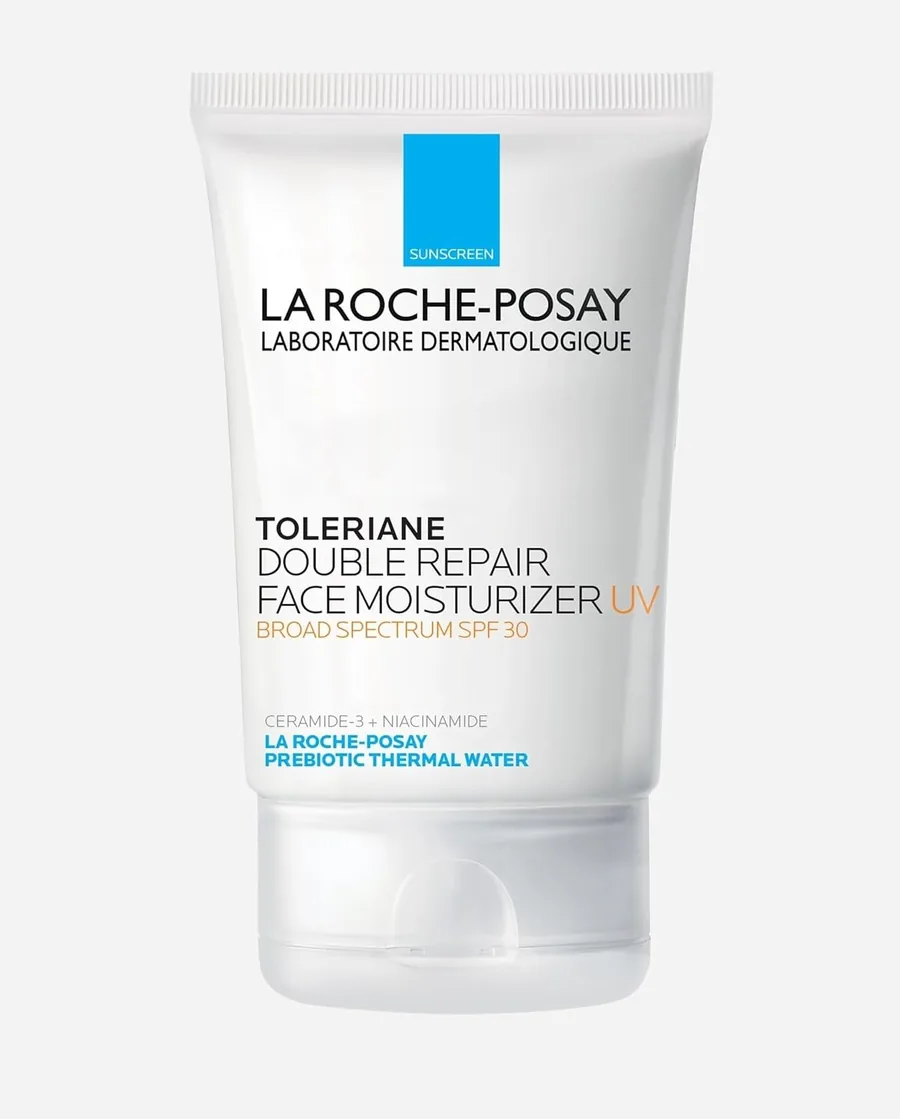
La Roche-Posay Toleriane Double Repair Face Moisturizer UV SPF 30
A daily sunscreen option to pair with your morning routine for the broad-spectrum protection described above.
Why they may help: Ceramide levels can be lower in people with dry or barrier-compromised skin, so replenishing them through skincare may help support the skin’s ability to retain moisture.
How to use them: Look for them in moisturizers and barrier creams, usually used daily.
Caution: Ceramides are generally well tolerated, but as with any ingredient, individual reactions can vary.
Glycerin
What it is: A humectant, meaning it attracts water to the skin.
Why it may help: Glycerin is one of the most well-studied hydrating ingredients and is generally considered gentle for most skin types, including dry skin.
How to use it: Found in cleansers, serums, and moisturizers; works well applied to slightly damp skin.
Caution: In very low-humidity environments, humectants can occasionally pull moisture from deeper skin layers if not sealed in with a moisturizer afterward.
Why it may help: Can help boost surface hydration when used as part of a routine that also includes a moisturizer.
How to use it: Apply to damp skin and follow with a moisturizer to help lock in the hydration.
Caution: Using hyaluronic acid alone in a very dry climate without a follow-up moisturizer may be less effective and, for some people, can feel counterproductive.
Petrolatum
What it is: An occlusive ingredient that forms a protective layer on the skin’s surface.
Why it may help: Petrolatum is widely recognized for its ability to reduce water loss from the skin, making it useful for very dry or compromised skin.
How to use it: Often used as the last step at night, or on particularly dry patches.
Caution: Its heavy texture isn’t for everyone, and some people prefer to reserve it for targeted areas rather than the whole face.
Squalane
What it is: A stable, lightweight oil derived from squalene, often plant-based in modern formulations.
Why it may help: Mimics some of the skin’s natural oils and may help soften and smooth dry skin without feeling overly heavy.
How to use it: Can be used alone or mixed into a moisturizer, typically applied once or twice daily.
Caution: Generally well tolerated, though as with any oil-based product, some people may prefer to patch test first.
Panthenol
What it is: A form of provitamin B5 commonly used in skincare.
Why it may help: May help support the skin barrier and is often included in formulas aimed at soothing dry or irritated skin.
How to use it: Commonly found in serums, moisturizers, and after-sun products.
Caution: Considered gentle for most skin types, but individual sensitivities are always possible.
Morning Skincare Routine for Dry Skin
Step 1 — Gentle cleanse or rinse. If your skin isn’t oily or sweaty overnight, a plain water rinse or a very gentle cleanser is often enough in the morning. There’s no rule that says you need a full foaming cleanse twice a day.
Step 2 — Hydrating serum (optional). Apply to slightly damp skin if you’re using one.
Step 3 — Moisturizer. Apply while skin is still a little damp to help hold in extra moisture.
Step 4 — Sunscreen. Broad-spectrum SPF 30 or higher, every single day, regardless of weather or season.
Quick summary
Cleanse/Rinse
Hydrate
Moisturize
SPF
This is a realistic morning skincare routine for dry skin for someone getting ready for work or school — none of these steps need to take more than a few minutes combined.
Nighttime Skincare Routine for Dry Skin
Step 1 — Remove makeup or sunscreen, if applicable. A gentle makeup remover or micellar water can help before cleansing, especially if you wore sunscreen or makeup during the day.
Step 2 — Gentle cleanser. This is where a proper cleanse matters most, since it removes the day’s buildup.
Step 3 — Hydrating serum or treatment, if desired. This is also when many people introduce treatment products like retinoids, which we’ll cover shortly.
Step 4 — Moisturizer. A slightly richer formula at night can be helpful, since your skin doesn’t have to contend with makeup or sunscreen layering on top.
Step 5 — Optional occlusive layer. For particularly dry or flaky areas, a thin layer of an occlusive product (like a product containing petrolatum) can help overnight.
Quick summary
Cleanse
Hydrate
Moisturize
Seal
Not every step is mandatory every night. On busy nights, cleanser plus moisturizer is a perfectly reasonable nighttime skincare routine for dry skin — the goal is consistency, not perfection.
How Often Should You Exfoliate Dry Skin?
Dry skin doesn’t automatically require exfoliation, and for some people, it may do better with very little or none at all. Exfoliation removes dead skin cells from the surface, which can occasionally help skin look smoother — but overdoing it can strip natural oils and leave already-dry skin more irritated.
If you choose to exfoliate, start slowly according to the product’s directions and adjust based on how your skin responds. Dry or easily irritated skin may need less frequent exfoliation, and you should reduce or stop if irritation develops.
If you notice increased redness, stinging, peeling, or sensitivity, that’s a sign to scale back or stop and let your skin recover.
Can You Use Retinol on Dry Skin?
Retinol and other retinoids can be effective ingredients for some skincare goals, but they’re also known for causing dryness, flaking, and irritation, especially when first introduced — which means dry skin types often need to be more cautious with them than other skin types.
Retinol isn’t mandatory for a dry skin routine, and plenty of people build effective routines without it. If you do want to try it, the American Academy of Dermatology recommends introducing it gradually (some people start with just a couple of nights a week), following the product’s specific directions, and keeping your moisturizer and sunscreen routine consistent. Retinoids can make skin more prone to irritation, so consistent sun protection is especially important.
This is general skincare education, not medical advice, and it’s not a substitute for guidance from a dermatologist, particularly if you have a specific skin condition or are using prescription-strength products.
Common Dry-Skin Mistakes
1
Using very hot water
It feels good in the moment. Very hot water can strip natural oils and may make dryness worse, so lukewarm water is generally a better choice.
2
Over-cleansing
Washing more than necessary, or scrubbing too hard, can wear down the skin’s protective barrier rather than just removing dirt and oil.
3
Skipping moisturizer
Some people assume oily-looking skin means they can skip this step, but moisturizer plays a direct role in preventing water loss, even for skin that occasionally looks shiny.
4
Over-exfoliating
More exfoliation doesn’t equal better results. For dry skin especially, this is one of the fastest ways to end up with irritation and increased sensitivity.
5
Using too many active ingredients at once
Layering multiple actives (retinoids, acids, strong vitamin C formulas) at the same time can overwhelm dry or sensitive skin. It’s usually better to introduce one new product at a time.
6
Skipping sunscreen
Some people with dry skin avoid sunscreen because certain formulas feel drying, but skipping it altogether isn’t a solution — switching to a more hydrating sunscreen formula usually is.
7
Constantly switching products
Skin often needs a few weeks to show whether a product is working. Switching every few days makes it hard to know what’s actually helping or hurting.
Can Dry Skin Get Acne?
Yes — dry skin and acne aren’t mutually exclusive, and this combination is actually pretty common. According to the American Academy of Dermatology, acne has multiple contributing factors, including pore clogging, bacteria, hormones, and inflammation, none of which are exclusive to oily skin.
In fact, a harsh, over-drying acne routine can sometimes make dryness worse without necessarily improving breakouts, which can create a frustrating cycle. If you’re dealing with both dry skin and acne, it’s worth looking for non-comedogenic (won’t clog pores) moisturizers and being cautious about layering too many drying acne treatments at once. This is a good situation to bring up with a dermatologist, since acne treatment plans can vary a lot from person to person. For more on treating breakouts specifically, see our skincare routine for acne-prone skin guide.
Dry Skin + Makeup
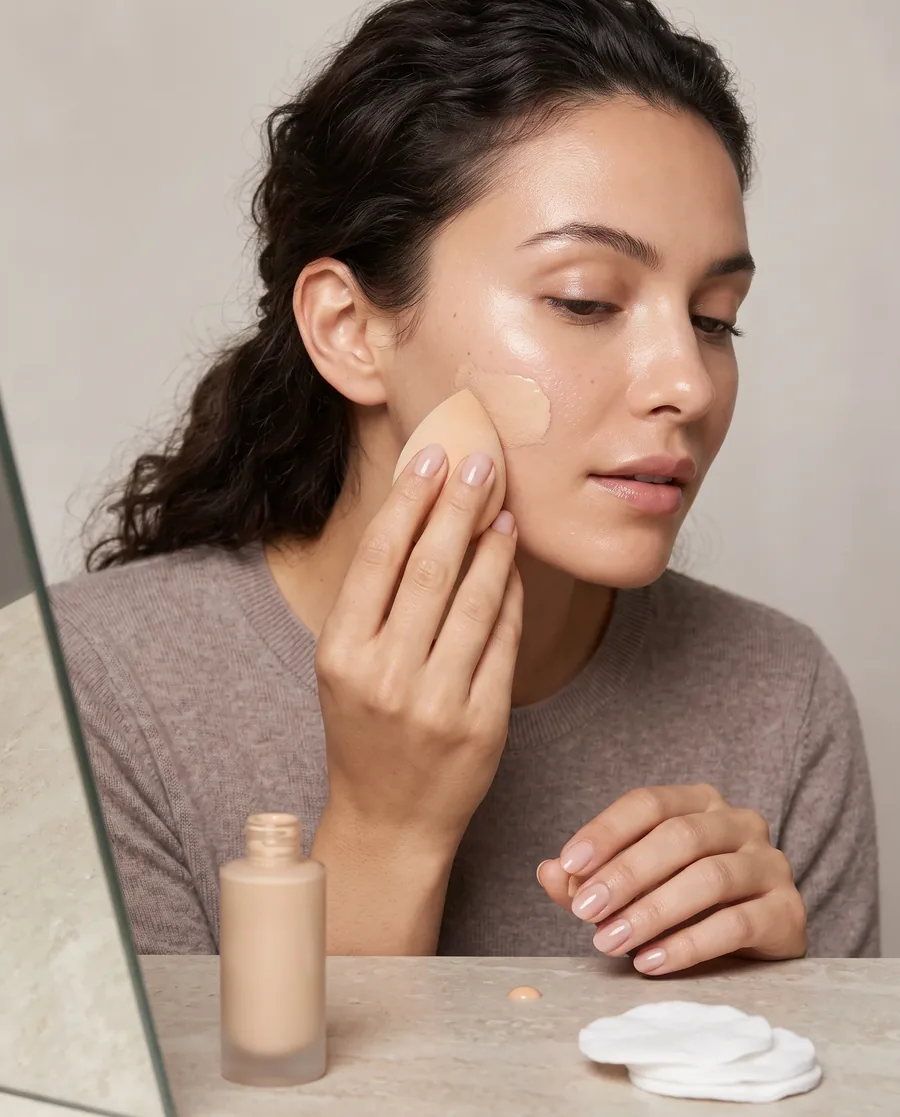
A few practical tips for makeup on dry skin:
Moisturize first, and give it a minute. Applying makeup immediately after moisturizer, before it’s had time to absorb, can cause foundation to sit unevenly or emphasize dry patches.
Let skincare settle before foundation. A minute or two makes a noticeable difference in how smoothly makeup applies.
Go easy on powder over dry areas. Heavy powder can settle into flaky or textured skin and make dryness more visible rather than less.
Choose formulas based on your preference and skin’s response. Hydrating or dewy-finish foundations tend to be popular choices for dry skin, but personal preference and how your specific skin reacts matter more than any general rule.
Don’t aggressively scrub off flaky skin before applying makeup. It’s tempting, but scrubbing can cause more irritation. Gentle exfoliation earlier in your routine (not right before makeup) is a better approach if flaking is a recurring issue.
There’s no single, universal timeline here, and it’s worth being skeptical of anything that promises one. How quickly dry skin improves depends on a combination of factors: what’s causing the dryness in the first place, your environment, how consistent you are with your routine, which products you’re using, and whether there’s an underlying skin condition involved.
Some people notice their skin feeling more comfortable within a couple of weeks of adjusting their routine. Others, especially with more stubborn or long-term dryness, may need longer, or may need to work with a dermatologist to identify an underlying cause. If your dry skin isn’t improving with a consistent, gentle routine over several weeks, that’s a reasonable point to seek professional input rather than continuing to guess.
When to See a Dermatologist
Basic skincare adjustments help a lot of people, but some situations call for professional evaluation rather than more DIY troubleshooting. Consider reaching out to a dermatologist or healthcare provider if you’re experiencing:
Persistent, severe dryness that doesn’t respond to a consistent routine
Cracking or bleeding skin
Significant or ongoing itching
Persistent redness or visible inflammation
A rash or unusual texture changes
Any symptoms that aren’t improving with basic, gentle skincare
This article is for general information and isn’t a diagnosis. A dermatologist can look at your specific skin and history and rule out conditions like eczema or other issues that can look similar to “regular” dry skin but need different treatment.
Simple Dry-Skin Routine (At a Glance)
AM
Gentle cleanse/rinse
Hydrating serum (optional)
Moisturizer
SPF 30+
PM
Gentle cleanser
Hydrating serum (optional)
Moisturizer
Optional occlusive
Product Checklist
Product
What to Look For
Cleanser
Gentle, non-stripping, cream or lotion texture, fragrance-free if sensitive
Hydrating serum
Glycerin, hyaluronic acid, or panthenol
Moisturizer
Ceramides, glycerin, petrolatum, or plant oils; richer texture if needed
Sunscreen
Broad-spectrum, SPF 30+, hydrating formula if standard sunscreens feel drying
Optional exfoliant
Gentle chemical exfoliant, used sparingly and introduced slowly
Frequently Asked Questions
Related reading: if you’re just getting started with skincare in general, check out our beginner skincare guide. If you’re comparing routines for different skin types, you can also see our guide to a skincare routine for oily skin. You can also browse all of our beauty guides for more.
Medical Disclaimer: This article is for general educational purposes only and isn’t a substitute for professional medical advice, diagnosis, or treatment. If you have persistent, severe, painful, or worsening skin symptoms, consider speaking with a dermatologist or other qualified healthcare professional.
The best routine for most people combines a gentle, non-stripping cleanser, an optional hydrating serum, a moisturizer suited to your skin’s needs, and daily broad-spectrum sunscreen. Consistency matters more than having a large number of products, and it’s fine to keep things simple.
Not necessarily. Many people with dry skin do well with a gentle cleanse at night and just a water rinse or very mild cleanse in the morning. If cleansing leaves your skin feeling tight, you may be washing too often or using too harsh a formula.
Ceramides, glycerin, hyaluronic acid, petrolatum, squalane, and panthenol are commonly recommended for dry skin. Each works a little differently — some draw in moisture, while others help seal it in or support the skin barrier.
Hyaluronic acid can help boost hydration for dry skin, especially when applied to damp skin and followed by a moisturizer. Used alone, particularly in low-humidity environments, it may be less effective at retaining that moisture.
Exfoliation isn’t required for dry skin and can make things worse if overdone. If you choose to exfoliate, start slowly according to the product’s directions and adjust based on how your skin responds. Dry or easily irritated skin may need less frequent exfoliation, and you should reduce or stop if irritation develops.
Yes, dry skin and acne can occur together. Acne involves multiple factors beyond oil production, and an overly harsh acne routine can sometimes increase dryness without improving breakouts.
Retinol can be used by people with dry skin, but it may increase dryness or irritation, especially at first. Introducing it gradually and keeping up with moisturizer and sunscreen can help; a dermatologist can offer more personalized guidance.
Richer, cream-based moisturizers with ingredients like ceramides, glycerin, or petrolatum tend to work well for dry skin, though personal preference and climate also play a role. The right texture is the one that keeps your skin comfortable throughout the day.
Yes, and you should use it daily regardless of skin type. If typical sunscreens feel drying, look for hydrating or moisturizing sunscreen formulas instead of skipping sun protection altogether.
This can happen if the moisturizer isn’t rich enough for your skin’s needs, if it’s not being applied to damp skin, if your cleanser is too stripping, or if environmental factors like heating or cold air are working against your routine. If dryness persists despite a consistent routine, a dermatologist can help identify what’s going on.