La Roche-Posay Toleriane Double Repair SPF 30 Review: Is It Worth It?
September 27, 2026
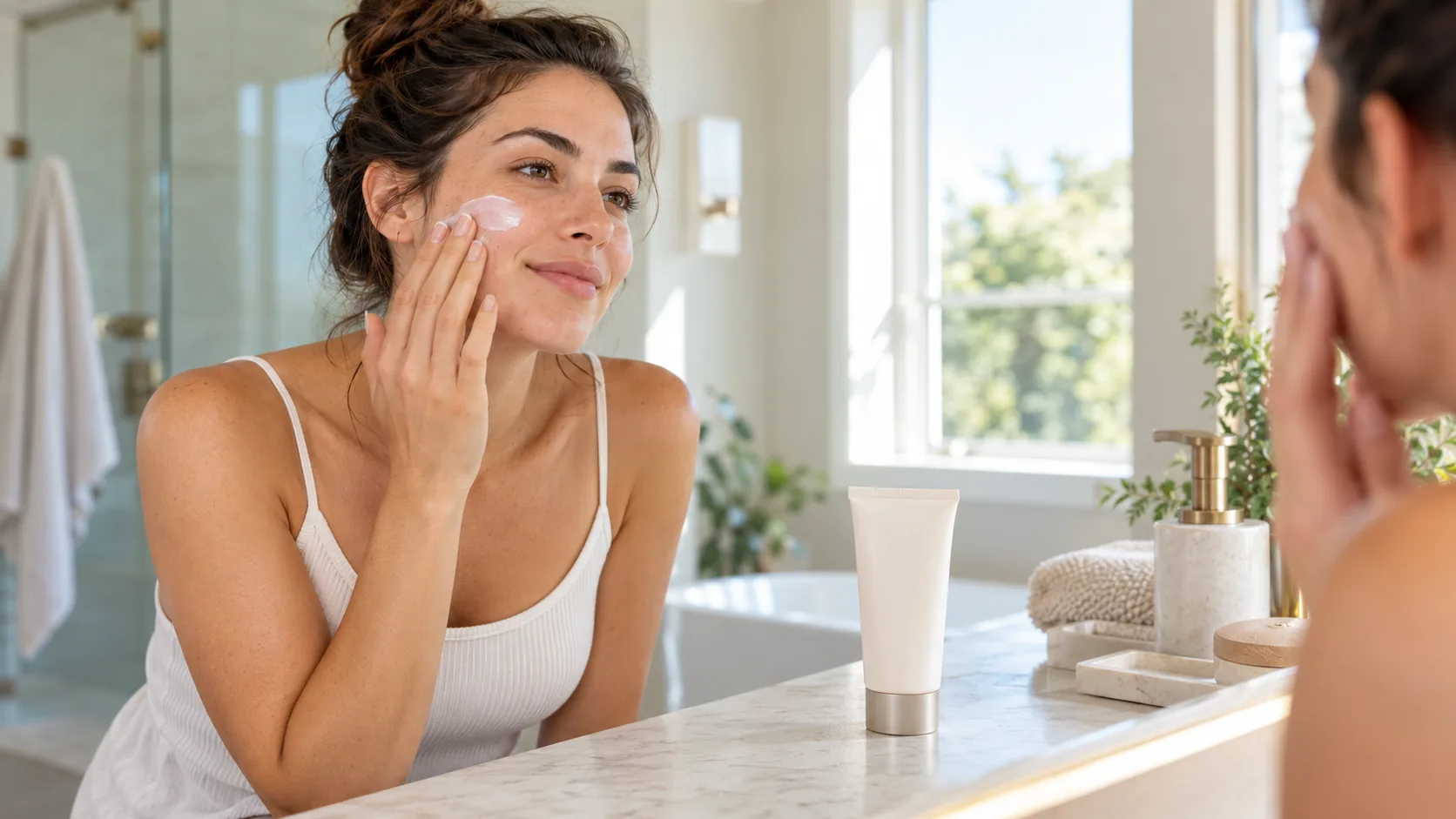
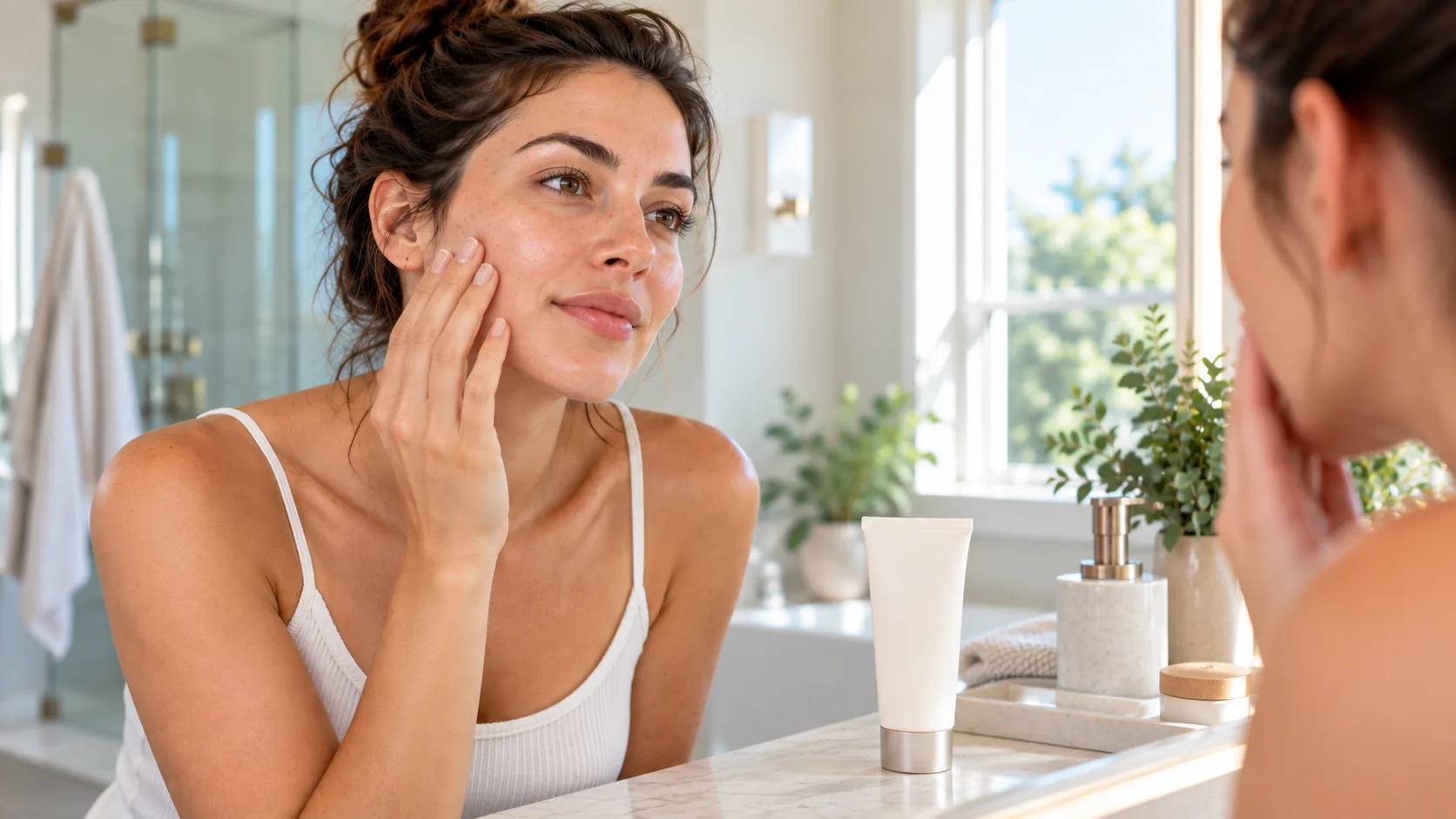
If you’ve searched for a moisturizer that also handles your morning sunscreen step, there’s a good chance La Roche-Posay’s Toleriane Double Repair Facial Moisturizer With SPF 30 has come up. It sits at the intersection of two categories: a barrier-supporting daily moisturizer and a broad-spectrum chemical sunscreen. That combination is what makes it worth a closer look before buying.
This review covers the SPF 30 version specifically, not the plain (non-SPF) Toleriane Double Repair moisturizer that shares most of its name. The two are easy to mix up while shopping and aren’t interchangeable, so we’ll draw that line first. From there, this guide covers the verified formula, what’s actually known about everyday wear, which skin types tend to suit it, and the tradeoffs worth weighing before you buy.
La Roche-Posay Toleriane Double Repair SPF 30 at a Glance
Attribute
Details
Exact product
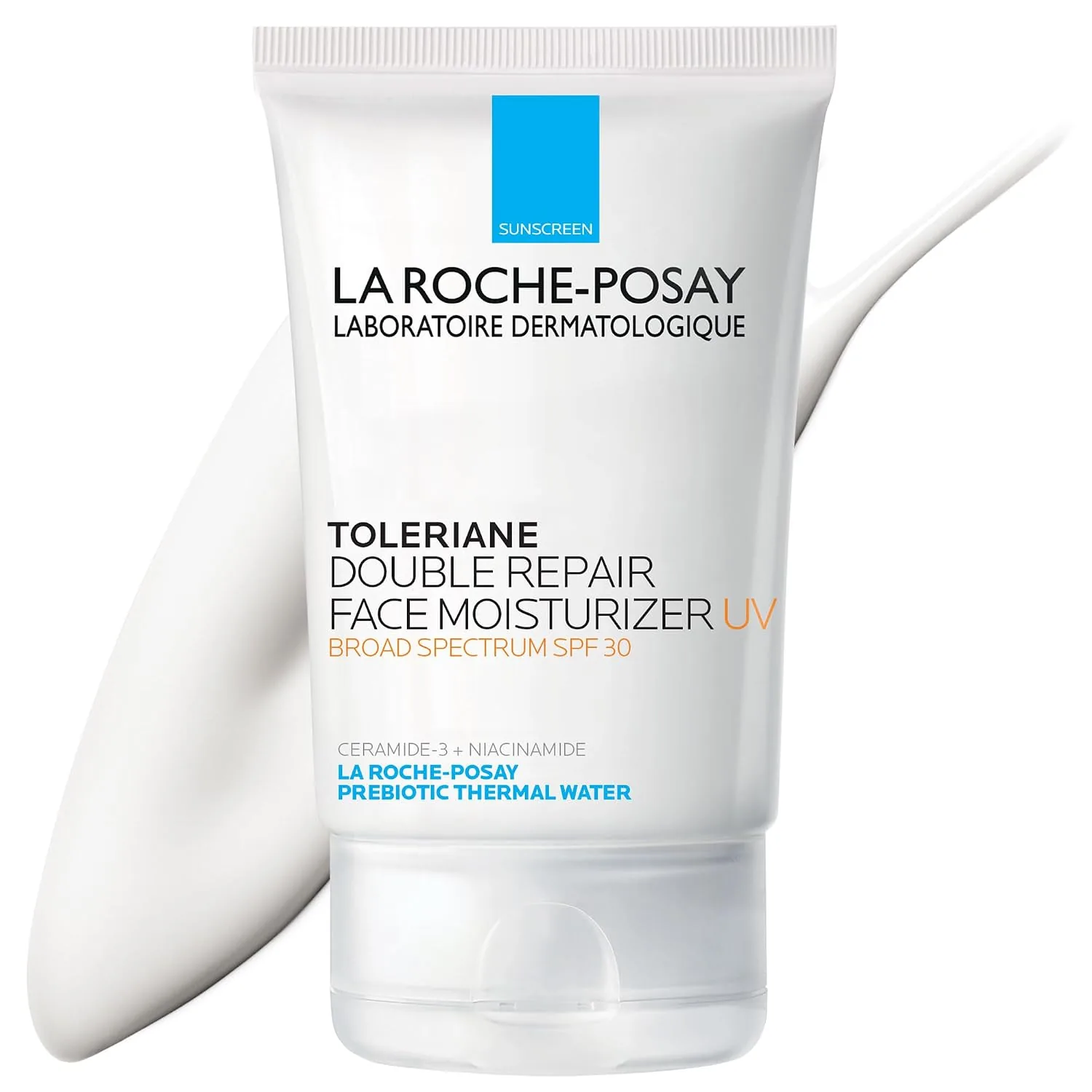
La Roche-Posay Toleriane Double Repair Facial Moisturizer With SPF (SPF 30), also listed by some retailers as “Toleriane Double Repair Face Moisturizer UV Broad Spectrum SPF 30”
Product type
Daily facial moisturizer with built-in broad-spectrum sunscreen (2-in-1)
Nothing here carries a star rating or numerical score. This is a breakdown of what the product is and isn’t, so you can weigh it against what you need.
Which Toleriane Double Repair Are We Reviewing?
La Roche-Posay sells more than one product under the “Toleriane Double Repair” name, which causes real confusion while shopping. This review is specifically about Toleriane Double Repair Facial Moisturizer With SPF 30 — the version with built-in broad-spectrum sunscreen, meant for daytime use.
It’s a separate product from the plain Toleriane Double Repair Face Moisturizer, which has no SPF and is typically positioned for any-time use, including at night. The two share a similar base concept (ceramide, niacinamide, glycerin, the brand’s thermal water), but only the SPF version contains sunscreen active ingredients, and its directions differ accordingly. If a claim you’ve read elsewhere about “Toleriane Double Repair” doesn’t mention SPF, check which version it’s actually describing before assuming it applies here.
There’s also a third variant, a “Matte” version of this SPF 30 moisturizer marketed for oily skin, which is a distinct formula from the standard version reviewed here. More on that in the alternatives section.
What Is La Roche-Posay Toleriane Double Repair SPF 30?
This product is designed to replace two separate morning steps, moisturizer and sunscreen, with one. Per La Roche-Posay’s official product information, it provides daily hydration alongside broad-spectrum UVA/UVB protection at SPF 30, built on ceramide, niacinamide, and the brand’s mineral-rich thermal spring water.
The “double repair” name refers to the brand’s positioning of the underlying moisturizer line, which La Roche-Posay markets as supporting the skin barrier and skin microbiome. Those are brand claims, not independently verified medical outcomes — a formula with barrier-supporting ingredients can be a reasonable part of a routine, but that’s different from a guarantee about how any individual’s skin will respond. Practically, it’s meant to function as a normal morning moisturizer that also covers your SPF step, aimed at people who want to simplify their routine.
Ingredients and Formula: What Stands Out?
Per La Roche-Posay’s official U.S. ingredient listing, the active sunscreen ingredients are avobenzone, homosalate, octisalate, and octocrylene — chemical (organic) UV filters, not a mineral (zinc oxide or titanium dioxide) sunscreen. That matters if you’re specifically looking for a mineral formula, covered more below.
A few moisturizing ingredients stand out:
Ceramide (Ceramide NP): A lipid naturally found in skin, commonly discussed for its role in barrier function. Including one is a reasonable, well-tolerated choice, though it doesn’t guarantee a noticeable change for everyone.
Niacinamide: A form of vitamin B3 often included for its general skin-conditioning role; broadly gentle, though individual sensitivity varies.
Glycerin: A humectant that helps draw and hold moisture — one of skincare’s most well-established, widely tolerated hydrators.
La Roche-Posay Prebiotic Thermal Water: The brand’s mineral-rich water base, marketed as having a soothing, prebiotic effect on the skin microbiome — a brand-specific claim rather than a category-wide fact.
The formula is fragrance-free, generally a lower-irritation choice, and brand-labeled oxybenzone-free, paraben-free, and oil-free. None of this guarantees the product won’t irritate every user — even fragrance-free, dermatologist-tested formulas can still cause a reaction in someone with a specific sensitivity.
Texture, Finish, and Everyday Wear
Independent reviews commonly describe the texture as a lightweight lotion with a dewy, not matte, finish — a meaningfully different everyday feel than a mattifying SPF-moisturizer, and part of why this tends to get recommended more for normal, dry, or combination skin than for very oily skin.
Worth being upfront: this reflects editorial and reviewer reports, not in-house testing by AvaFitCare. We have not personally applied or tested this product, and everyday-wear experiences can vary from one person’s skin to another’s.
How Does It Wear Under Makeup?
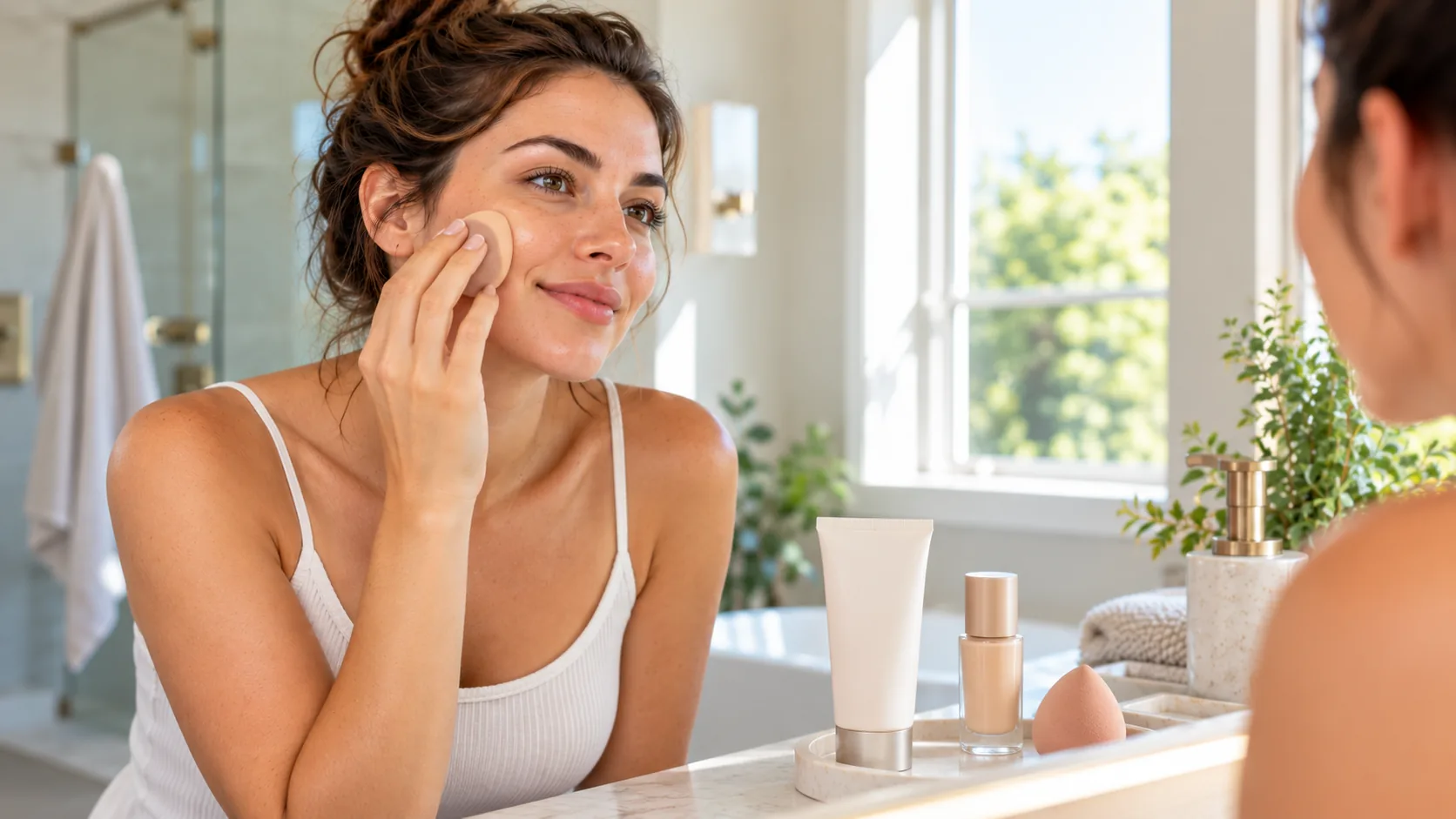
Some reviewers report the product can pill — ball up or roll off the skin — under certain makeup, particularly powder-based or long-wear formulas. This isn’t universal, and it isn’t necessarily a matter of user error: pilling with any moisturizer-and-makeup combination can depend on a mix of factors, including the formula itself, what’s layered underneath or on top of it, how much product is applied, how long it’s given to dry down, and the rest of an individual’s routine. If it’s a concern, giving the product a few extra minutes to absorb before makeup and applying a thinner layer are reasonable things to try, but they won’t necessarily resolve pilling for every skin type or product combination.
Is It Good for Dry Skin?
This is one of the skin types La Roche-Posay positions the product for, and the ingredients back that up reasonably well: glycerin as a humectant, a ceramide for barrier support, and a lotion (not gel) texture. It’s a formula formulated with dry-skin-relevant ingredients in mind, for anyone who also wants daily SPF built in.
That’s not a guarantee, though. Some people with drier skin may find a single application isn’t enough, especially in colder or lower-humidity conditions, and may prefer layering a richer moisturizer underneath or using a heavier standalone night cream (when SPF isn’t needed) alongside this in the morning. AvaFitCare’s skincare routine for dry skin guide covers building a fuller routine around this skin type.
Is It Good for Oily or Combination Skin?
This is a more mixed fit. The formula is labeled oil-free, a reasonable baseline for oilier skin, but the dewy (not matte) finish reviewers describe is generally less popular with people managing visible shine. Combination skin may do fine, especially if oiliness is limited to the T-zone, but genuinely oily skin is arguably better served by La Roche-Posay’s own Matte version of this SPF 30 moisturizer, formulated specifically for oil control, or by a separate mattifying sunscreen.
What About Sensitive Skin?
Several features here are generally considered lower-risk for sensitive or reactive skin: it’s fragrance-free, brand-stated as allergy-tested and dermatologist-tested, and the moisturizing base (ceramide, niacinamide, glycerin) avoids ingredients commonly associated with irritation in fragrance-free formulas.
That said, the sunscreen filters (avobenzone, homosalate, octisalate, octocrylene) are chemical filters, and some people with sensitive skin find chemical filters more irritating than mineral ones like zinc oxide. Fragrance-free, “sensitive skin” marketing doesn’t override that individual variability — if you already know you react to chemical sunscreens, that’s worth weighing regardless of the moisturizing ingredients. AvaFitCare’s skincare routine for sensitive skin guide has more general guidance.
What About Acne-Prone Skin?
To be clear upfront: this product isn’t a treatment for acne, and nothing here claims it treats, clears, or prevents breakouts. What’s relevant for acne-prone skin is formulation risk, not treatment.
The formula is oil-free and brand-stated as non-comedogenic, both reasonable data points for someone managing breakouts who still needs daily moisturizer and SPF. But “non-comedogenic” is a formulation claim, not a guarantee for every user — pore-clogging potential varies by individual skin. If you have acne-prone skin, treat this like any new product: introduce it gradually and watch how your skin responds, rather than assuming the label guarantees an outcome.
Does La Roche-Posay Double Repair SPF 30 Leave a White Cast?
Reviewer reports generally describe little to no visible white cast. Because appearance can vary by skin tone, application amount, lighting, and what else is layered on top, individual results may differ, and this isn’t a guarantee that everyone will see the same result.
If white cast is a major concern for you, especially on deeper skin tones, it’s worth checking recent reviews from people with a similar skin tone rather than relying on general reports alone.
Does It Pill?
As covered above, some reviewers report pilling specifically when layering this under other skincare or makeup steps. Pilling can come from several different factors working together: the formula itself, the specific products layered underneath or over it, how much is applied, how much time is given to dry down, and an individual’s broader routine. It’s a real, reported drawback with this product, not something to dismiss as simply a matter of application error, but it’s also not guaranteed to happen for everyone or in every routine.
Can It Sting Around the Eyes?
Worth naming plainly: some consumer reviews report eye-area stinging with this product. This isn’t experienced by everyone, and plenty of users report no eye-area issues at all, but people who already know that certain sunscreens irritate their eyes may want to be cautious applying this one close to the eye area.
Some reviewers attribute this to the chemical UV filters in the formula (avobenzone, homosalate, octisalate, octocrylene), which is a plausible, commonly discussed characteristic of organic sunscreen filters in general. That’s a reported association, though, not a confirmed cause specific to this product — this review isn’t in a position to establish what’s actually causing any individual person’s reaction.
Pros and Cons
Pros
Moisturizer and broad-spectrum SPF 30 in a single step
Fragrance-free, with ceramide, niacinamide, and glycerin
Lightweight, generally non-greasy lotion texture
Generally reported not to leave a white cast
Brand-stated non-comedogenic, oil-free, and allergy-tested
Cons
Chemical (not mineral) sunscreen filters — won’t suit everyone’s preference or sensitivity
Some reviewers report pilling under makeup
Some consumer feedback mentions mild eye-area stinging
Dewy finish may not suit genuinely oily or shine-prone skin as well as a matte formula
Barrier-support and microbiome claims reflect brand marketing, not independently verified outcomes
Who May Like This Moisturizer?
Someone with normal, dry, or mild combination skin who wants to simplify a morning routine into fewer steps, doesn’t have a specific sensitivity to chemical sunscreen filters, and is comfortable with a dewy rather than matte finish. It also suits people who specifically want a fragrance-free formula with barrier-supporting ingredients built into their daily SPF step, rather than buying a moisturizer and sunscreen separately.
Who May Want to Choose Something Else?
If you want or need SPF higher than 30, this won’t meet that.
If you’re sensitive to chemical/organic filters (avobenzone, homosalate, octisalate, octocrylene), a mineral sunscreen would be more cautious.
If you prefer mineral sunscreens generally, for sensitivity or personal preference, this isn’t a mineral formula.
If you have genuinely oily or acne-prone skin and want a stronger mattifying finish, La Roche-Posay’s own Matte version, or a separate oil-control sunscreen, may suit you better.
If your eye area is particularly reactive to chemical sunscreens, a mineral alternative for that specific zone is worth considering, even if you use this product elsewhere.
How to Use It in a Morning Skincare Routine
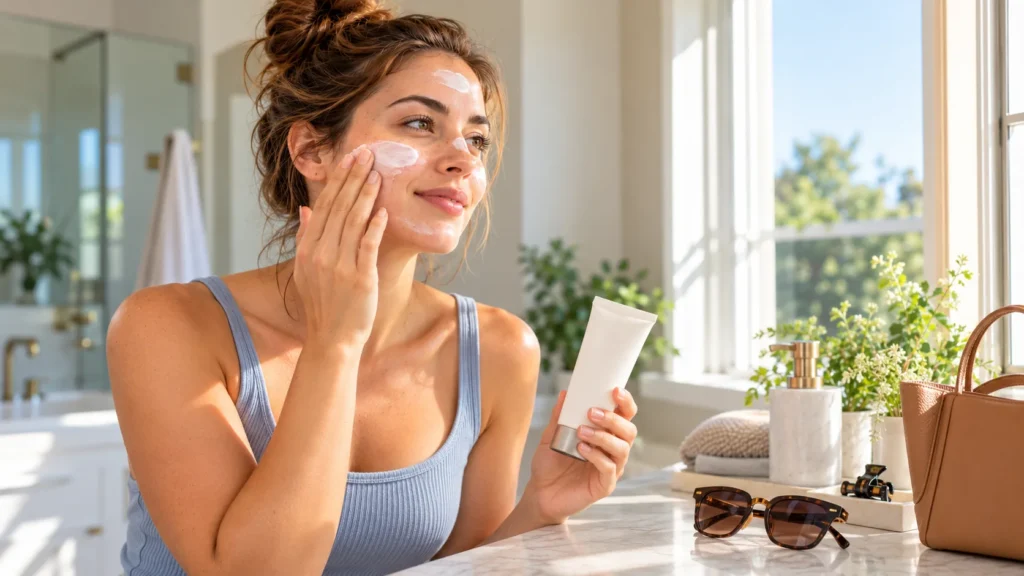
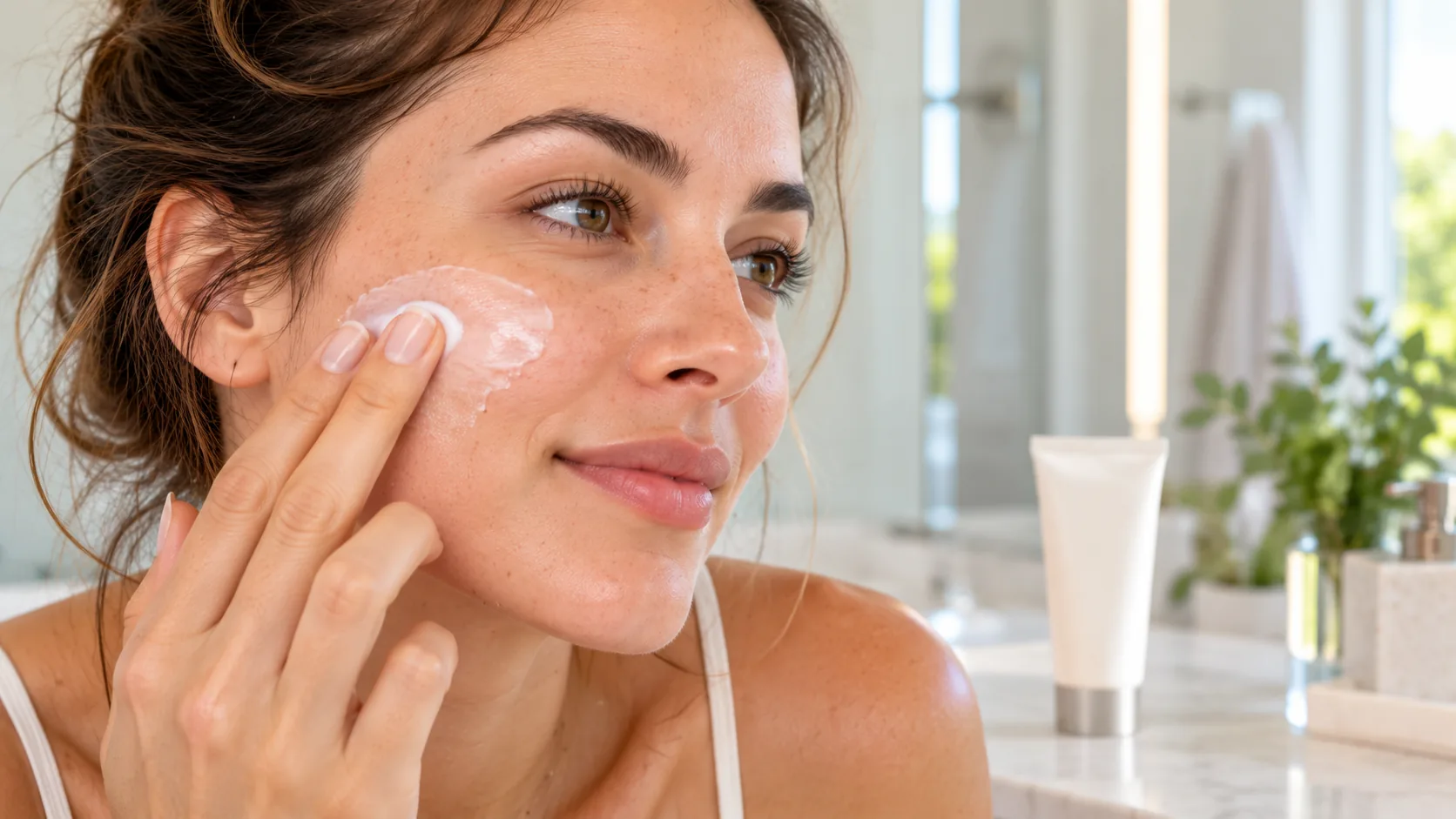
Apply it as your moisturizer-and-sunscreen step, after cleansing (and any serums) and before makeup, following the current directions on the product’s own packaging. Because this product also functions as sunscreen, apply it generously enough to achieve the labeled protection — this isn’t AvaFitCare’s own product-specific instruction, but a reflection of current, general sunscreen guidance from the American Academy of Dermatology (AAD), which currently advises using at least 1 teaspoon of sunscreen for the face (about the amount needed to cover the length of your index and middle fingers) and reapplying about every two hours while outdoors, as well as immediately after swimming or sweating.
Applying too thin a layer to “make it last” works against the SPF protection you’re relying on. If you’ll be outdoors for an extended period, plan for a real reapplication method — a fresh layer of liquid or cream sunscreen tends to be more practical than reapplying a facial moisturizer over makeup. Since guidance can be updated over time, it’s worth checking the product’s current label and AAD’s own published recommendations directly if you want the most current wording. AvaFitCare’s sunscreen for beginners guide covers amounts and reapplication in more depth, and how to choose a moisturizer for your skin type is a useful next step if this formula isn’t the right match for you.
Is La Roche-Posay Toleriane Double Repair SPF 30 Worth It?
There’s no single universal answer, and a flat yes-or-no here would oversimplify things. The clearer tradeoff: a moisturizer-plus-SPF combination saves a step in your routine, and this formula backs that convenience with a fragrance-free, ceramide-and-niacinamide base and a chemical SPF 30 that reviewers generally describe as not leaving a white cast.
The tradeoffs are real too — chemical filters instead of mineral, some reports of pilling and eye-area stinging, and a dewy finish that won’t appeal to everyone. If you want the fewest possible morning steps and your skin runs normal-to-dry, this kind of combined product is genuinely useful. If you’d rather control your moisturizer and sunscreen independently — different amounts, different reapplication timing, or a mineral filter specifically for SPF — a separate moisturizer and sunscreen may serve you better than a 2-in-1, regardless of brand.
La Roche-Posay Toleriane Double Repair Face Moisturizer UV Broad Spectrum SPF 30
A daily moisturizer-and-sunscreen combination reviewed above for its broad-spectrum SPF 30 protection.
If this formula isn’t the right match, a few general directions are worth considering rather than one specific competing product:
A separate moisturizer and sunscreen, used as two steps. More control over how much of each you apply, and easier sunscreen reapplication without adding unneeded moisturizer. AvaFitCare’s best moisturizers for beginners roundup is a reasonable starting point for the moisturizer half.
A mineral (zinc oxide or titanium dioxide) sunscreen-moisturizer hybrid, if you want to avoid chemical filters like avobenzone or octocrylene, for sensitivity or preference.
La Roche-Posay’s own Matte version of this SPF 30 moisturizer, formulated for oily skin, if you like the brand’s approach but want a mattifying finish instead.
Other drugstore moisturizer-with-SPF combinations, such as CeraVe’s AM Facial Moisturizing Lotion with SPF 30, for a similar 2-in-1 concept from a different brand.
Frequently Asked Questions
It’s formulated with dry-skin-relevant ingredients (glycerin, a ceramide, a lotion texture), and La Roche-Posay positions it for dry and normal skin among others. Some people with very dry skin may still want extra moisturizer layered in, especially in low humidity.
Yes, though it may not be the best fit. It’s labeled oil-free, but its dewy finish is generally less popular with oilier skin than a matte formula. La Roche-Posay’s Matte version of this SPF 30 moisturizer is marketed specifically for oily skin.
It’s fragrance-free and brand-labeled allergy-tested and dermatologist-tested, generally favorable for sensitive skin. It does use chemical sunscreen filters, though, which some sensitive-skin users find more irritating than mineral filters — individual tolerance still varies.
Reviewer reports generally describe little to no visible white cast, but appearance can vary by skin tone, application amount, and lighting, so individual results may differ.
Some reviewers report pilling under certain makeup, particularly powder or long-wear formulas. It isn’t universal, and can depend on several factors together — the formula, what’s layered with it, application amount, drying time, and individual routine — not just application technique.
Some consumer reviews report stinging near the eyes. It’s not experienced by everyone, and while some reviewers link it to the chemical UV filters, that’s a reported association rather than a confirmed cause — worth caution if you already know certain sunscreens irritate your eyes.
SPF 30 blocks a large majority of UVB rays and is commonly recommended as a reasonable everyday minimum, provided it’s applied in an adequate amount and reapplied during continued sun exposure. Whether it’s “enough” for you specifically can depend on time outdoors and personal risk factors, worth discussing with a dermatologist for particular concerns.
The plain Double Repair moisturizer has no sunscreen and is generally positioned for any-time use, including at night. The SPF 30 version adds broad-spectrum chemical filters and is meant for daytime use. They’re not interchangeable.
For many people, yes — that’s its core purpose. Whether it’s enough moisture on its own depends on your skin; some layer it over a hydrating serum or under a heavier cream if they need more.
Apply after cleansing and any serums, as your final step before makeup, following the product’s current label directions. Because it’s functioning as your sunscreen for the day, the American Academy of Dermatology’s current general guidance (at least 1 teaspoon for the face, reapplied about every two hours outdoors) is a more reliable amount to aim for than a thin, cosmetic-only layer.