Best Moisturizers for Beginners: 7 Easy Options by Skin Type
September 27, 2026
If you already know you need a moisturizer but have no idea which one to actually buy, you’re not alone. Walk down any drugstore skincare aisle and you’ll see dozens of jars and bottles promising to hydrate, repair, soothe, or “boost” your skin — most of them without telling you anything useful about who they’re actually for.
This guide skips the general theory and goes straight to specific options. You’ll find seven beginner-friendly moisturizers, each suited to a different skin type or need, verified against official brand information rather than marketing copy or retailer listings. If you haven’t yet worked out what your skin type is or which type of moisturizer (gel, lotion, cream) generally suits it, our guide to choosing a moisturizer for your skin type covers that in depth — this article picks up from there and focuses on specific products.
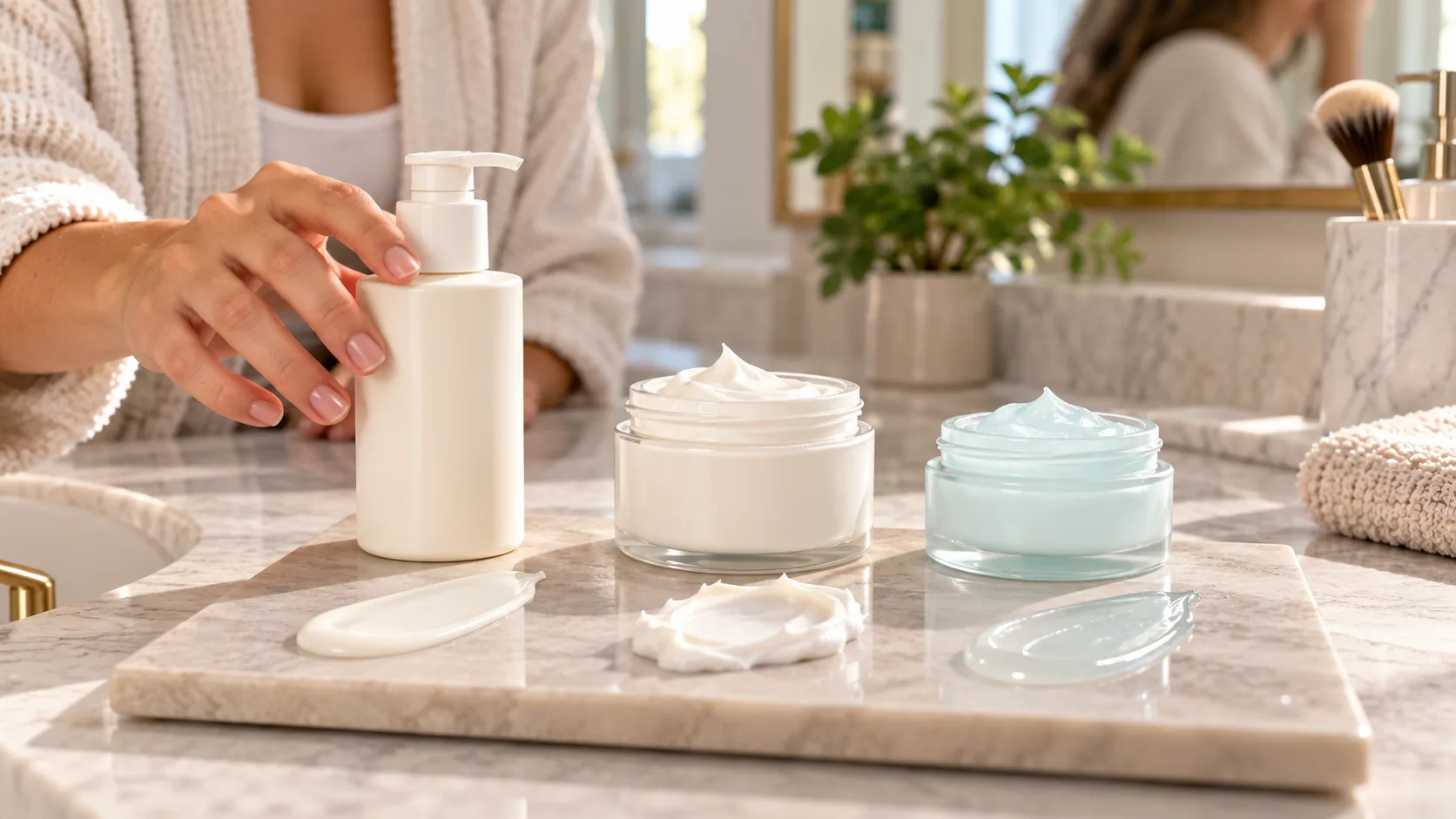
There’s no single “best” moisturizer for every beginner — the right one depends on your skin type, how it responds to fragrance, and how rich or lightweight a texture you prefer. As a general starting point: normal-to-dry skin usually does well with a richer cream, oily or combination skin often prefers a lighter, oil-free lotion or gel, and sensitive or reactive skin benefits from a fragrance-free formula with a short, simple ingredient list. The seven options below cover those scenarios and a few others beginners commonly run into.
How We Chose These Moisturizers
We did not personally test these moisturizers, run a panel trial, or measure hydration — no product on this list was “tested” by our team, and we’re not implying otherwise. Each product was selected and verified using publicly available, official information:
Formulation and ingredient claims were checked against each brand’s own official U.S. product pages (CeraVe, Cetaphil, Vanicream, La Roche-Posay, Aveeno, and Byoma), not third-party retailer copy or marketing blurbs.
General moisturizing guidance is grounded in publicly published American Academy of Dermatology (AAD) patient guidance, cited and linked below.
Selection criteria prioritized: fragrance-free formulas, availability at major U.S. retailers, non-comedogenic labeling where the brand states it, and a distinct, genuinely useful role for a different skin type or beginner scenario — not just brand popularity.
We did not accept manufacturer marketing claims (like “dermatologist recommended” or “clinically proven”) as independent medical fact; where a claim appears below, it’s presented as the brand’s own claim.
The descriptive category attached to each product (for example, “Richer Option for Dry Skin”) is AvaFitCare’s own editorial categorization, based on the verified formulation and skin-type information described in each entry — it is not a clinical ranking, a comparative test result, or a claim that one product is objectively superior to another.
Nothing here is a paid ranking. If and when affiliate links are added to this article, that will not change which products are included or how they’re described — see our full affiliate disclosure below.
Quick Comparison: 7 Moisturizers at a Glance
Product
Best For
Texture
Fragrance
Notable Formula Features
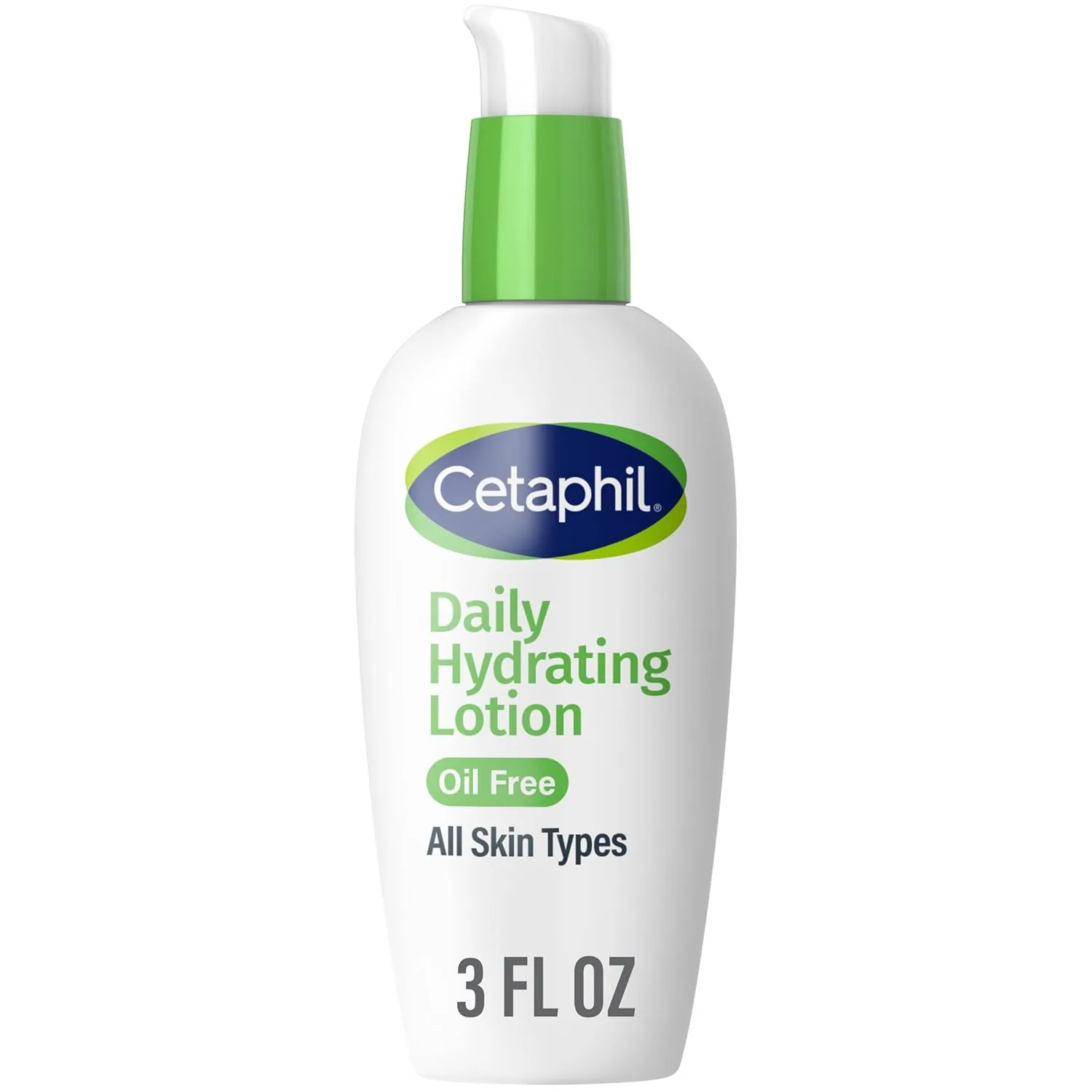
Cetaphil Daily Hydrating Lotion
Overall / most versatile
Lightweight lotion
Fragrance-free
Hyaluronic acid, oil-free
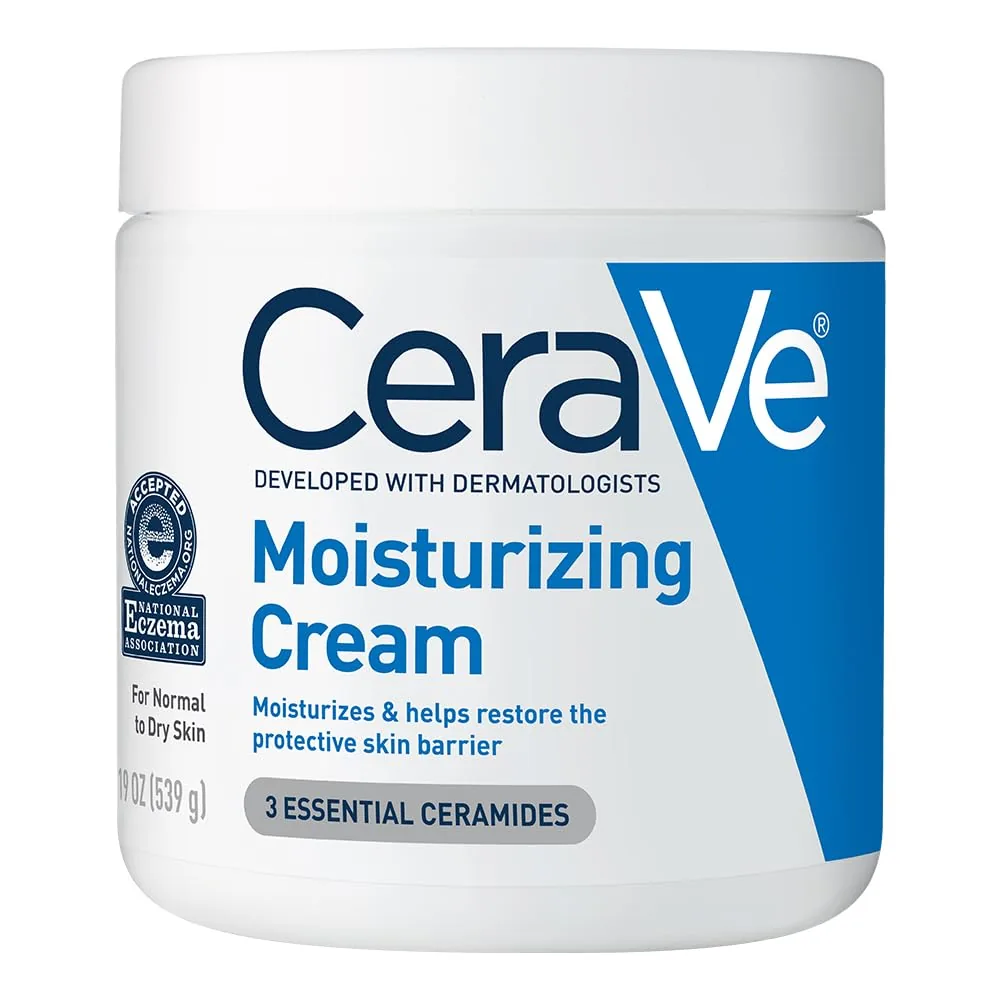
CeraVe Moisturizing Cream
Dry skin
Rich cream
Fragrance-free
Ceramides, hyaluronic acid, MVE technology
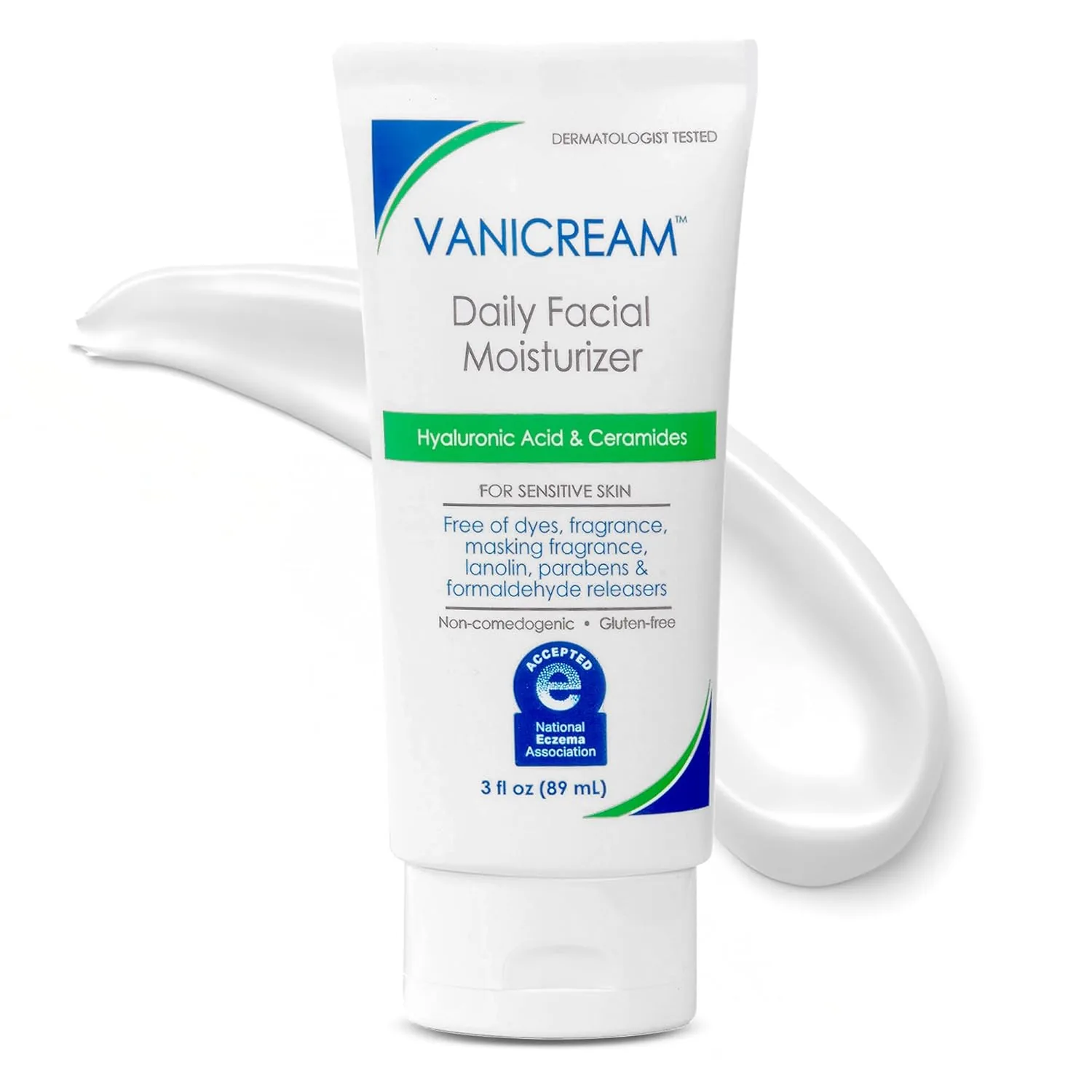
Vanicream Daily Facial Moisturizer
Very sensitive/reactive skin
Lightweight lotion
Fragrance-free
5 ceramides, hyaluronic acid, minimal ingredient list
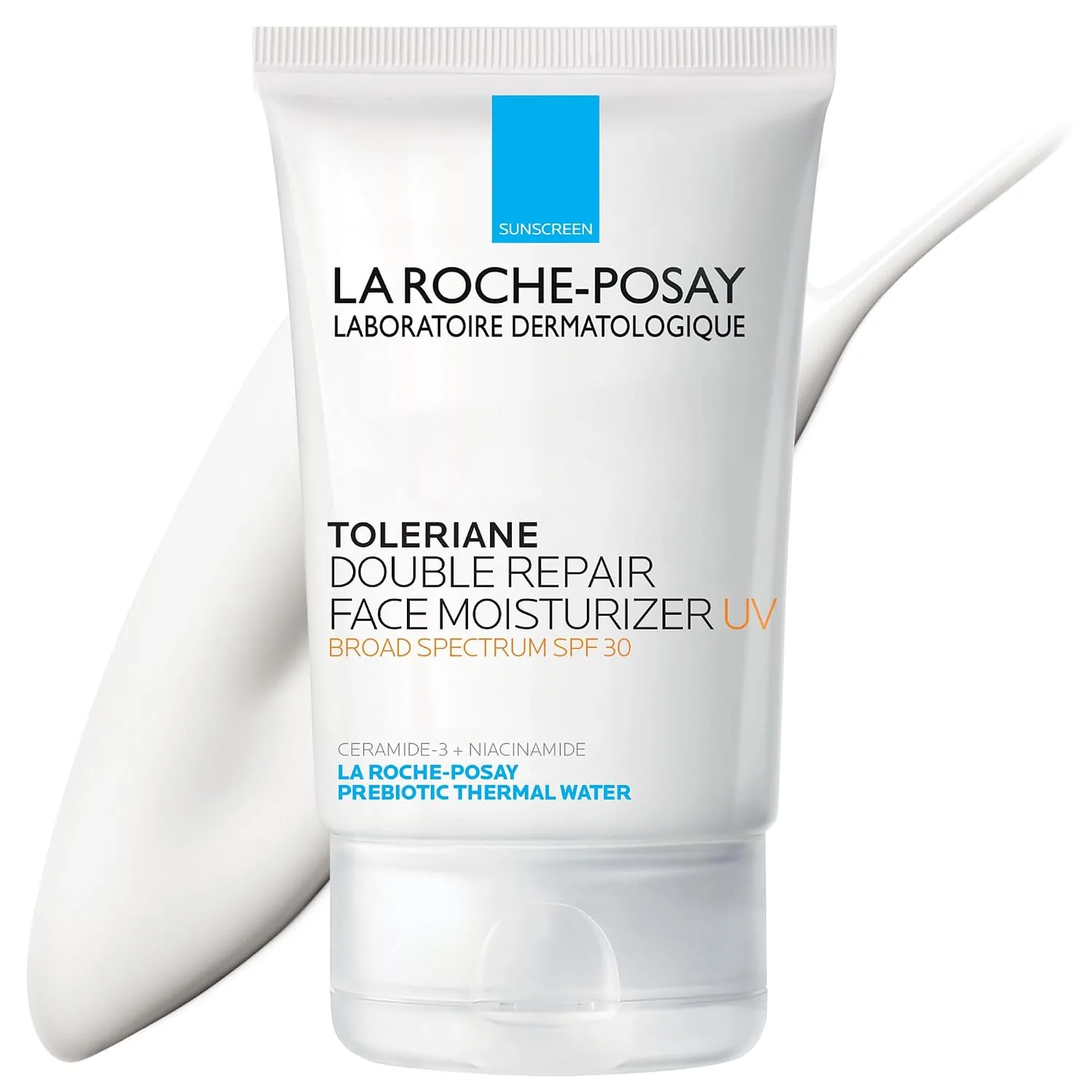
La Roche-Posay Toleriane Double Repair
Barrier support, sensitive-dry skin
Lightweight cream
Fragrance-free
Ceramide-3, niacinamide, glycerin
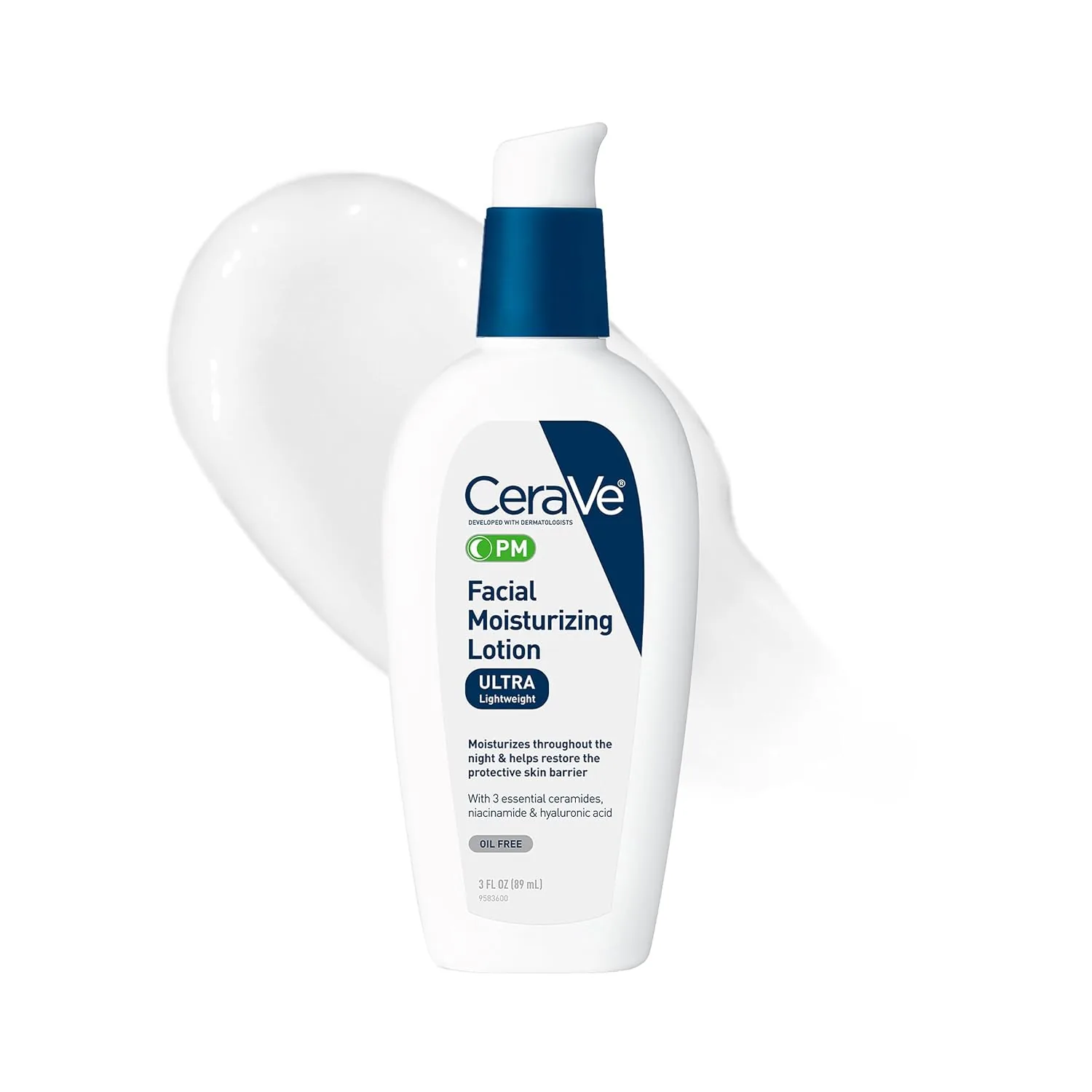
CeraVe PM Facial Moisturizing Lotion
Oily/combination skin
Oil-free lotion
Fragrance-free
Ceramides, hyaluronic acid, niacinamide
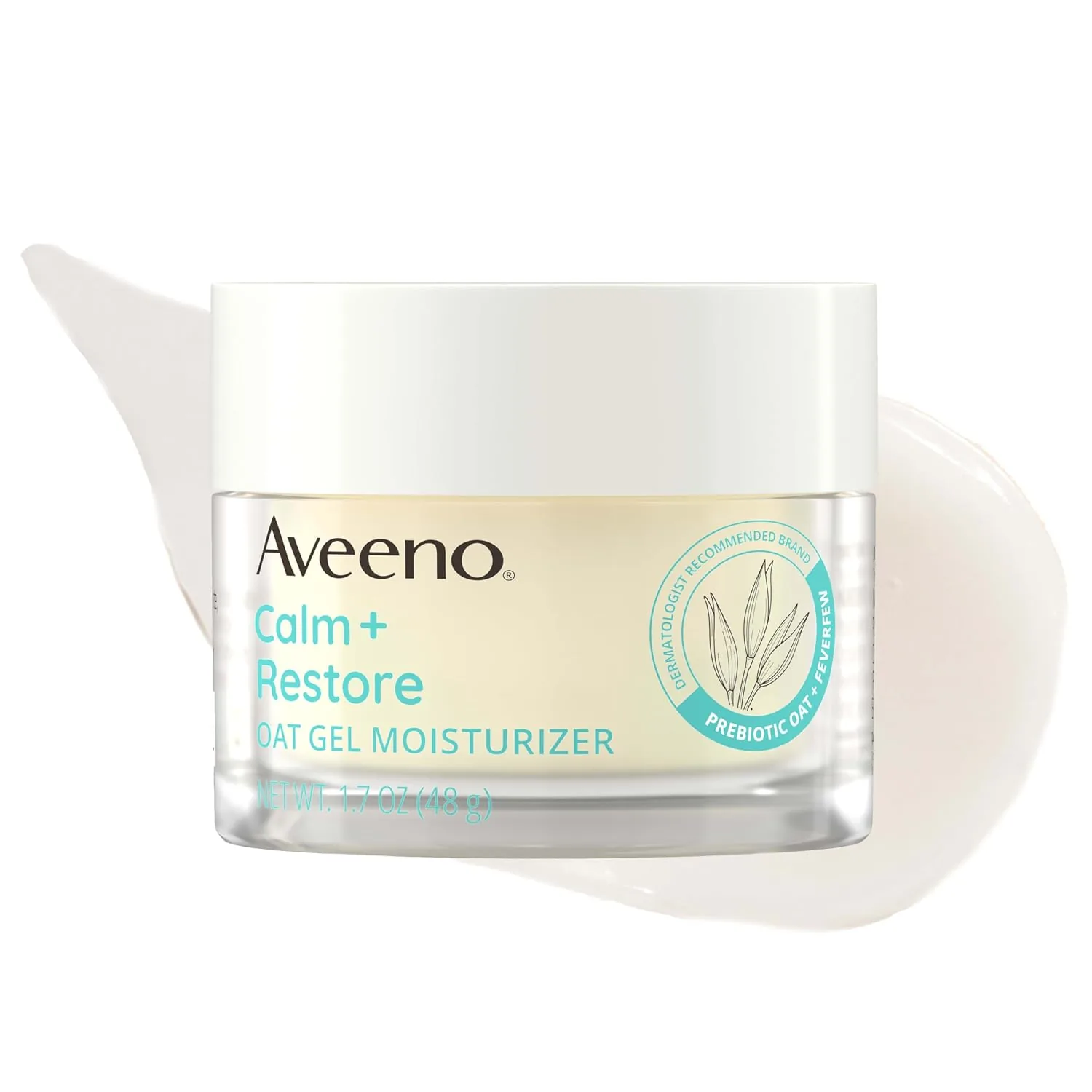
Aveeno Calm + Restore Oat Gel Moisturizer
Sensitive, irritated skin
Lightweight gel
Fragrance-free
Prebiotic oat, feverfew
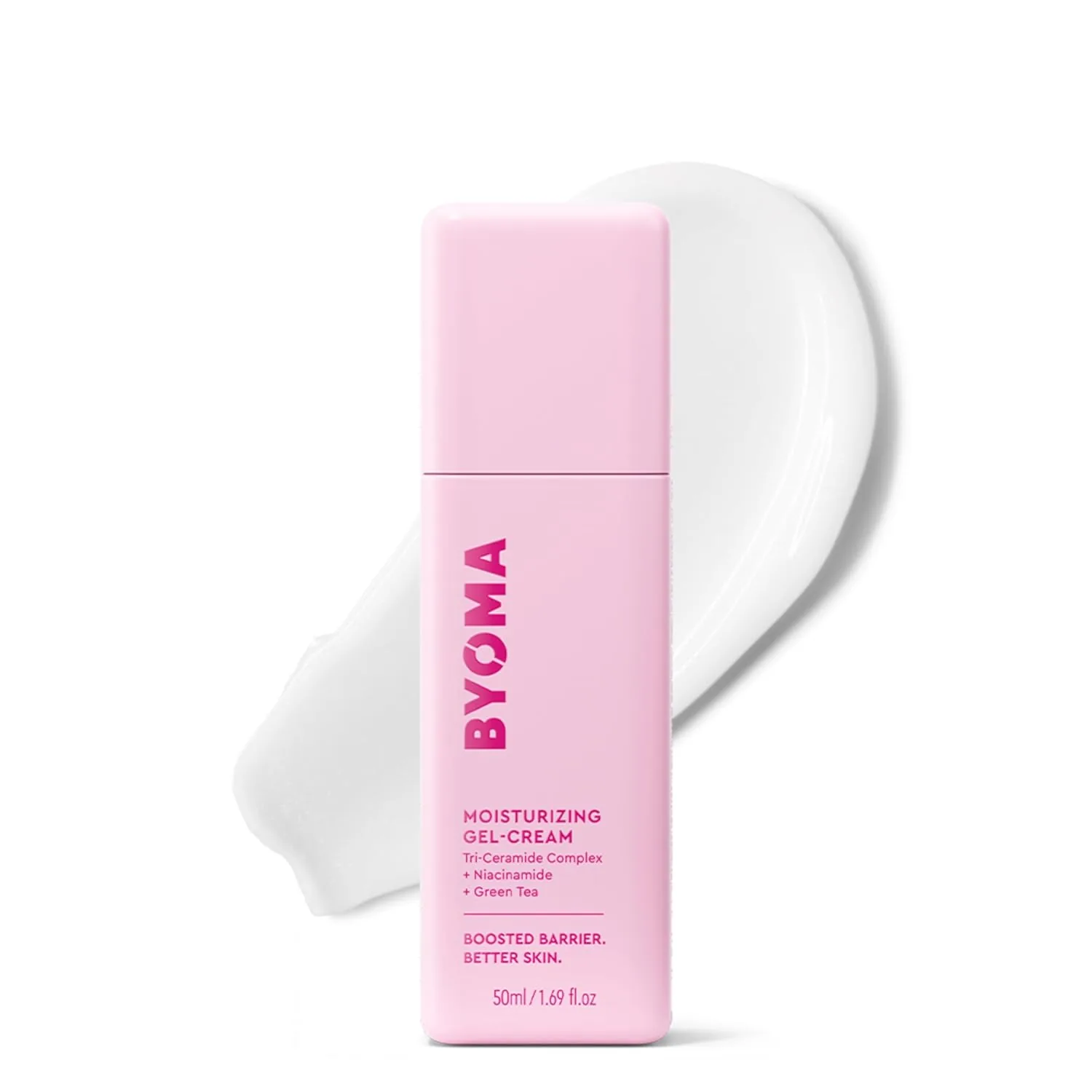
Byoma Moisturizing Gel-Cream
Budget-friendly, lightweight
Gel-cream
Fragrance-free
Tri-ceramide complex, niacinamide
No product on this list has been independently rated, scored, or awarded by AvaFitCare. This table summarizes publicly available formulation information for comparison purposes only.
Best for: Beginners who aren’t sure what skin type they have, or who want one dependable, everyday moisturizer.
Why it made the list: Cetaphil positions this lotion for all skin types, with specific mention of suitability for sensitive and combination skin, per the brand’s official product page — making it a reasonable, low-risk starting point if you’re not yet sure which of the more targeted picks on this list fits you.
Key features: Formulated with hyaluronic acid in an oil-free base, per Cetaphil’s official listing.
Fragrance: Fragrance-free, per the brand’s official listing.
Good to know: Cetaphil describes this as delivering “24-hour hydration” and states it is “dermatologist tested and clinically proven to be gentle on sensitive skin,” per the brand’s current official product page — brand claims worth noting as such rather than independent clinical findings.
Potential drawback: Its lightweight texture may not feel like enough moisture for people with very dry or barrier-compromised skin, especially in cold or dry climates.
Who should skip it: Those with noticeably dry or flaking skin, who may do better with a richer cream — see the CeraVe pick below.
Bottom line: A fragrance-free, oil-free everyday lotion that works across a broad range of skin types, and a sensible starting point if you’re unsure which of the more targeted picks on this list fits you best.
2. CeraVe Moisturizing Cream — Richer Option for Dry Skin
Best for: Normal-to-dry skin that needs a richer, more occlusive formula.
Why it made the list: CeraVe positions this cream specifically for normal-to-dry skin, per the brand’s official product page, with a formula built around three ceramides and hyaluronic acid plus the brand’s MVE delivery technology, which CeraVe describes as releasing moisturizing ingredients over time.
Key features: Three ceramides, hyaluronic acid, and petrolatum, per CeraVe’s official product information. The brand states the formula “helps restore and maintain the skin’s natural protective barrier.”
Texture & format: Rich, jar-packaged cream described by the brand as fast-absorbing and non-greasy.
Fragrance: Fragrance-free.
Good to know: This product carries the National Eczema Association Seal of Acceptance, per CeraVe’s official listing — a third-party designation, not an AvaFitCare claim.
Potential drawback: Its richer texture may feel heavier than some oily or combination-skin users prefer, particularly in warm weather — see the CeraVe PM pick below for a lighter, oil-free alternative from the same brand.
Who should skip it: Those with oily or acne-prone skin looking for a lighter, oil-free formula.
Bottom line: A fragrance-free, ceramide-based option built for normal-to-dry skin, with broad availability through major U.S. retailers.
3. Vanicream Daily Facial Moisturizer — Simple Option for Sensitive or Reactive Skin
Best for: Sensitive, reactive, or easily irritated skin, including skin prone to eczema-type flare-ups.
Why it made the list: This is the same moisturizer we point beginners toward in Best Skincare Products for Beginners — we’re repeating it here deliberately, because Vanicream’s formulas are built around excluding common irritants, and this remains a straightforward, fragrance-free option for reactive, beginner-prone skin.
Key features: Contains hyaluronic acid and five ceramides, per Vanicream’s official product information; the brand describes the formula as free of botanical extracts and essential oils.
Texture & format: Lightweight lotion the brand describes as suitable to wear under makeup.
Fragrance: Fragrance-free (no added botanical extracts or essential oils, per the brand).
Good to know: This product also carries the National Eczema Association Seal of Acceptance, and Vanicream states it is dermatologist tested — brand claims worth noting as such.
Potential drawback: Its minimal ingredient list means it skips some of the more elaborate barrier-support additions (like niacinamide) that some other gentle moisturizers include.
Who should skip it: Beginners without diagnosed sensitivities may not need this stripped-down a formula and could be equally well served by a more mainstream option like #1 or #2 above.
Bottom line: One of the more ingredient-conservative fragrance-free moisturizers widely available in the U.S. — worth considering if you already know your skin reacts easily.
4. La Roche-Posay Toleriane Double Repair Face Moisturizer — Barrier-Support-Focused Option
Best for: Sensitive-to-dry skin, especially beginners who want a moisturizer built specifically around barrier-support ingredients.
Why it made the list: This moisturizer combines ceramide-3, niacinamide, and glycerin — ingredients dermatology sources commonly associate with supporting the skin barrier — in a fragrance-free, oil-free cream, per La Roche-Posay’s official product page.
Key features: Ceramide-3 (a lipid naturally found in skin), niacinamide, glycerin, and the brand’s prebiotic thermal water base.
Texture & format: Lightweight cream.
Fragrance: Fragrance-free.
Good to know: La Roche-Posay describes this line as dermatologist tested. An earlier version of this brand’s marketing referenced a “100,000 dermatologists worldwide” figure, but that specific claim no longer appears on the brand’s current official U.S. product page, so it has been removed here rather than repeated as current.
Potential drawback: It sits at a higher price point than most of the drugstore options on this list, which matters if budget is a priority — see the Byoma pick below for a more budget-friendly ceramide-and-niacinamide alternative.
Who should skip it: Beginners on a tight budget, or anyone who wants a similar ceramide-and-niacinamide combination for less.
Bottom line: An ingredient-forward option for sensitive-dry skin, built around ceramide-3 and niacinamide, if you don’t mind paying more than drugstore-basic pricing.
5. CeraVe PM Facial Moisturizing Lotion — Lightweight Option for Oily or Combination Skin
Best for: Normal-to-oily or combination skin that still wants a barrier-supporting formula rather than a bare-bones oil-free lotion.
Why it made the list: CeraVe markets this lotion as oil-free and lightweight, explicitly noting that “even if it’s oily — your skin needs moisture around the clock,” per the brand’s official product page. It’s built with the same ceramide-and-hyaluronic-acid foundation as other CeraVe products, plus niacinamide.
Key features: Three ceramides, hyaluronic acid, and niacinamide in an oil-free lotion base, per CeraVe’s official product information.
Texture & format: Ultra-lightweight lotion, originally positioned by the brand as a nighttime formula but usable any time of day.
Fragrance: Free of added fragrance, per the brand’s official listing.
Good to know: This is a genuinely different formula from CeraVe’s Moisturizing Cream (#2) — same brand, lighter base and different intended use, which is why both appear on this list for different needs.
Potential drawback: Its lightweight, oil-free texture may not feel rich enough for people with dry or dehydrated skin — if that’s you, the CeraVe Moisturizing Cream above is a better starting point.
Who should skip it: Those with dry or eczema-prone skin who are generally better served by a richer cream.
Bottom line: A fragrance-free, oil-free option for oily-to-combination beginners who still want ceramides and niacinamide in the formula.
6. Aveeno Calm + Restore Oat Gel Moisturizer — Oat-Based Option for Sensitive Skin
Best for: Sensitive skin that feels reactive, tight, or easily irritated, especially in response to weather or product changes.
Why it made the list: This moisturizer is built around prebiotic oat and feverfew — ingredients Aveeno markets specifically for soothing and calming — in a hypoallergenic gel formula described as fragrance-free on the brand’s HCP-facing product information, per Aveeno’s official sources.
Key features: Prebiotic oat and feverfew in a lightweight gel base, per Aveeno’s official product page. The brand’s healthcare-professional product page states the formula is “formulated without fragrance, dyes, parabens, alcohol and phthalates.”
Fragrance: Fragrance-free, per the brand’s official healthcare-professional product page (this specific fragrance-free wording is not repeated on Aveeno’s main consumer product page, though the consumer page does describe the formula as clinically tested and hypoallergenic).
Good to know: Aveeno states this product is non-comedogenic and hypoallergenic, and describes clinical testing showing the formula “restores skin’s moisture barrier in 2 hours” — brand claims worth noting as such rather than independent findings.
Potential drawback: As a gel formula, it may not be rich enough on its own for very dry skin, even with the soothing ingredients.
Who should skip it: Those with very dry, flaking skin who need a heavier cream — the CeraVe Moisturizing Cream (#2) above is a better fit.
Bottom line: A fragrance-free, oat-based gel moisturizer worth considering if your sensitive skin leans irritated or reactive rather than simply dry.
Best for: Beginners who want a barrier-focused, ceramide-and-niacinamide formula at a lower price point.
Why it made the list: Byoma built its brand around accessible barrier-support formulas, and this gel-cream combines a tri-ceramide complex with niacinamide in a fragrance-free, lightweight base, per the brand’s official product page — a newer but increasingly widely available option relevant to beginners shopping on a budget.
Key features: Tri-ceramide complex (ceramides, cholesterol, and fatty acids) plus niacinamide, per Byoma’s official product information.
Texture & format: Gel-cream, described by the brand as combining a lightweight gel feel with longer-lasting hydration.
Fragrance: Fragrance-free, per the brand’s official listing.
Good to know: Byoma states this product is non-comedogenic, oil-free, and “dermatologist tested and approved” — brand claims worth noting as such.
Potential drawback: Byoma is a newer brand with a shorter public track record than the other picks on this list, and availability at brick-and-mortar U.S. retailers is more limited than the more established drugstore brands above.
Who should skip it: Beginners who prefer sticking with longer-established, widely stocked drugstore brands for their first moisturizer.
Bottom line: An affordable, ceramide-and-niacinamide lightweight gel-cream, worth considering if budget matters and you’re comfortable trying a newer brand.
If you want the full breakdown of moisturizer types and how to match one to your skin type, that’s covered in depth in How to Choose a Moisturizer for Your Skin Type. As a quick starting point for the seven options above: normal-to-dry skin generally does well with the CeraVe Moisturizing Cream or La Roche-Posay Toleriane Double Repair; oily-to-combination skin often prefers the CeraVe PM lotion; very sensitive or reactive skin may do best with Vanicream or the Aveeno oat gel; and if you’re simply not sure yet, Cetaphil’s Daily Hydrating Lotion or Byoma’s gel-cream are reasonable, low-risk starting points.
Does Oily Skin Need Moisturizer?
Yes — according to the AAD, all skin types benefit from moisturizing, including oily skin. The AAD’s own published guidance on skin dryness and oil production is specifically about dryness and irritation — for example, dryness caused by acne treatments — where the AAD notes that when skin becomes dry, the body can produce more oil, which may contribute to clogged pores. That’s a mechanism tied to dryness and irritation generally, not a specific, well-established rule that simply skipping moisturizer makes already-oily skin produce more oil. For oily or combination skin, the more useful adjustment usually isn’t skipping moisturizer altogether, but choosing a lighter, oil-free formula, like the CeraVe PM lotion above, instead of a heavier cream.
What About Acne-Prone Skin?
This article isn’t acne treatment guidance, and none of the moisturizers above are positioned as acne treatments. For acne-prone skin, “non-comedogenic” labeling (used by several products on this list) can be a useful shopping signal, but it does not guarantee that a product will never clog pores or trigger breakouts for every person — individual skin responses vary. If you’re managing active acne alongside choosing a moisturizer, a dermatologist can help you build a routine around both.
Humectants, Emollients, and Occlusives — Why It Matters for Your Pick
You don’t need to memorize cosmetic chemistry to pick a good moisturizer, but knowing these three general ingredient roles can help explain why different formulas feel so different:
Humectants (like hyaluronic acid and glycerin, found in most products on this list) draw water into the skin’s outer layer.
Emollients (like the fatty ingredients in creams) help smooth and soften skin texture.
Occlusives (like petrolatum, found in the CeraVe Moisturizing Cream above) form a layer that helps reduce water loss from the skin.
Most modern moisturizers, including every product on this list, combine more than one of these roles rather than relying on a single ingredient type. No single category is universally “better” — a rich cream with more occlusive ingredients tends to suit drier skin, while a lighter, more humectant-forward gel or lotion tends to suit oilier skin, but your own skin’s response is what actually matters.
Can You Use the Same Moisturizer Morning and Night?
For most beginners, yes. None of the products on this list are formulated as night-only or day-only products (aside from sunscreen, which is a separate, additional morning step — see our sunscreen guidance if you’re not yet using one). Some people prefer a lighter formula during the day and a richer one at night, but that’s a personal preference rather than a requirement, and starting with one moisturizer used both morning and night is a reasonable way to keep a beginner routine simple.
How to Apply Moisturizer
The basic approach, consistent with general dermatology guidance including AAD patient information on moisturizing, is straightforward:
Apply moisturizer to slightly damp skin, ideally right after cleansing or showering, which the AAD notes can help the product work more effectively.
Apply enough to comfortably cover your full face in a thin, even layer — more than that usually isn’t necessary and may feel greasy or take longer to absorb.
Massage it in gently rather than rubbing vigorously.
Let it absorb before applying makeup or, in the morning, sunscreen.
Reapply as needed if your skin feels tight or dry later in the day.
Signs a Moisturizer May Not Be a Good Fit
Watch for ongoing tightness, stinging, burning, redness, swelling, new breakouts, or a persistently greasy or heavy feeling that doesn’t improve after regular use. If a moisturizer causes persistent or significant stinging, burning, redness, swelling, or irritation, stop using it. Seek professional medical or dermatology advice if symptoms are significant, persistent, or concerning.
Frequently Asked Questions
There’s no single universal answer — the right starting point depends on your skin type and how it responds to fragrance and texture. Cetaphil Daily Hydrating Lotion and Byoma Moisturizing Gel-Cream are reasonable low-risk starting points if you’re not sure yet; the other picks on this list are suited to more specific skin types.
Yes, according to the AAD, all skin types — including oily skin — benefit from moisturizing. The more useful adjustment for oily skin is usually choosing a lighter, oil-free formula rather than skipping moisturizer.
Neither is universally better. Gels tend to feel lighter and often suit oilier skin, while creams are more occlusive and often suit drier skin — but the specific formula matters more than the general category.
Ingredients like ceramides, hyaluronic acid, and glycerin appear across most of the products on this list and are commonly associated with supporting hydration and the skin barrier. No single ingredient is necessary for everyone, and how your own skin responds matters more than any one ingredient on a label.
Fragrance isn’t automatically harmful for every person, but the AAD notes fragrance can be irritating for some skin, particularly sensitive or already-irritated skin. All seven moisturizers on this list are fragrance-free, which is a reasonably cautious default for beginners who don’t yet know how their skin reacts.
It’s possible, though it varies by individual and by formula. “Non-comedogenic” labeling can be a useful shopping signal for acne-prone skin, but it does not guarantee that a product will never clog pores or trigger breakouts for every person. Individual skin responses vary.
Many beginners still benefit from a dedicated moisturizer, since sunscreen’s primary job is UV protection rather than long-term hydration. A common approach is moisturizer first, then sunscreen on top once the moisturizer has absorbed.
Enough to comfortably cover your full face in a thin, even layer is typically sufficient — more than that usually isn’t necessary. Apply it after cleansing (and after any serums), and before sunscreen in the morning.
Not automatically. Price doesn’t tell you whether a formula suits your skin — several of the picks on this list are inexpensive drugstore products with fragrance-free, barrier-supporting formulas comparable to pricier options.
If a moisturizer causes persistent or significant stinging, burning, redness, swelling, or irritation, stop using it. Seek professional medical or dermatology advice if symptoms are significant, persistent, or concerning.
Bottom Line
For most beginners, a good starting moisturizer means fragrance-free, matched to how oily or dry your skin generally runs, and simple enough that you can tell how your skin responds to it. The seven options above cover the most common beginner scenarios, from very dry to oily to reactive sensitive skin, all verified against each brand’s own official product information. If you’re still working out your skin type or want the deeper breakdown of moisturizer types, pair this guide with How to Choose a Moisturizer for Your Skin Type, Best Skincare Products for Beginners, and Best Gentle Cleansers for Beginners for a fuller picture of a simple beginner routine.
These recommendations were selected using official brand formulation information, publicly published dermatology guidance from the American Academy of Dermatology, and each product’s relevance to a specific beginner skin-type scenario. AvaFitCare has not conducted independent laboratory testing, clinical trials, or hands-on product testing of the moisturizers above, and this guide does not claim dermatologist review of these specific product selections.
Affiliate Disclosure
Disclosure: This article contains affiliate links. If you buy through these links, Ava Fit Care may earn a commission at no extra cost to you. Product selection and descriptions on this page are based on publicly available manufacturer and dermatology-guidance information, not on affiliate relationships — affiliate participation does not influence which products are included or how they are described.
Read our Review Policy for a plain explanation of what our review process does — and doesn't — mean for health-adjacent content.
Sources & Further Reading
General guidance:
Product-specific official sources:
This article is for general informational purposes and is not a substitute for professional dermatological advice. If you have persistent skin irritation, sensitivity, or a diagnosed skin condition, consult a board-certified dermatologist before changing your skincare routine.