Best Skincare Products for Beginners: A Simple Starter Routine
September 21, 2026
If you’re starting a skincare routine for the first time, the hardest part usually isn’t finding the best skincare products for beginners — it’s ignoring the noise telling you that you need twelve of them. You don’t. A beginner routine that actually works is short: a gentle cleanser, a moisturizer, and a broad-spectrum sunscreen, used consistently. Everything else is optional, and most of it can wait.
This guide walks through the products a beginner genuinely needs, one optional add-on worth knowing about, and a few real product options to consider for each step — without turning this into a 25-item shopping list. If you removed every product link from this article, the advice underneath it would still hold up on its own. For the full step-by-step routine (application order, AM/PM breakdown), see our skincare routine for beginners guide — this article focuses on which products to choose.
The best skincare products for beginners are a gentle cleanser, a moisturizer suited to your skin, and a broad-spectrum SPF 30+ sunscreen for the morning. That’s the full core routine. A hydrating serum is a reasonable optional fourth step if your skin needs extra moisture, but it’s not required to get good results. More products don’t create better skin — consistency with the basics does.
Key Takeaways
A complete beginner routine is three products: cleanser, moisturizer, and sunscreen.
Oily and acne-prone skin can still benefit from moisturizer; lightweight formulas may feel more comfortable for these skin types.
Sunscreen is the single product with the strongest evidence behind it for long-term skin health.
Serums, toners, exfoliating acids, retinoids, and eye creams are optional additions, not starter essentials.
Introduce one new product at a time so you can tell what’s working (or what isn’t).
Price doesn’t reliably predict how well a product will work for your skin.
This article includes a few specific product options, but the routine works regardless of which brands you choose, as long as they fit the same basic profile.
What Skincare Products Does a Beginner Actually Need?
Sorting out skincare essentials for beginners really comes down to two categories: essential and optional.
Essential means a product almost everyone benefits from, regardless of skin type or specific concern: cleanser, moisturizer, and sunscreen. Together they cover removing dirt and buildup, keeping the skin barrier hydrated, and protecting against UV damage — the single biggest driver of visible skin aging.
Optional means a product addressing a specific concern (dullness, fine lines, dark spots, texture), depending on what you actually want to change. Hydrating serums, exfoliating acids, retinoids, vitamin C, eye creams, and toners fall here — none are wrong to use, but none are required for a functional routine, and adding several at once as a beginner tends to cause more irritation than it solves.
If you’re also unsure what your skin type actually is before choosing products, our guide on how to determine your skin type at home covers that first — it’s worth doing before you shop, since it changes what “gentle cleanser” or “the right moisturizer” means for you specifically.
The 3 Core Skincare Products for Beginners
Affiliate Disclosure: Some links in this article are affiliate links. If you purchase through them, Ava Fit Care may earn a commission at no additional cost to you. As an Amazon Associate I earn from qualifying purchases.
1. Gentle Cleanser
A cleanser’s job is simple: remove dirt, oil, sunscreen, and makeup buildup without stripping your skin. As a beginner, “gentle” matters more than any other quality you might shop for. Persistent tightness, stinging, dryness, or irritation after cleansing can be a sign that a cleanser isn’t a good fit or is too drying for your particular skin — worth paying attention to, rather than treating as normal.
You don’t need a foaming, exfoliating, or medicated cleanser to start. A basic, fragrance-free, low-foaming formula is enough for most people, including those with normal, dry, or sensitive skin. Oily or acne-prone skin can lean toward a gel or light foaming formula, but a gentle formula is usually a more straightforward starting point while you’re learning how your skin responds. For a deeper look at cleanser types by skin type, see our full guide on how to choose a cleanser for your skin type.
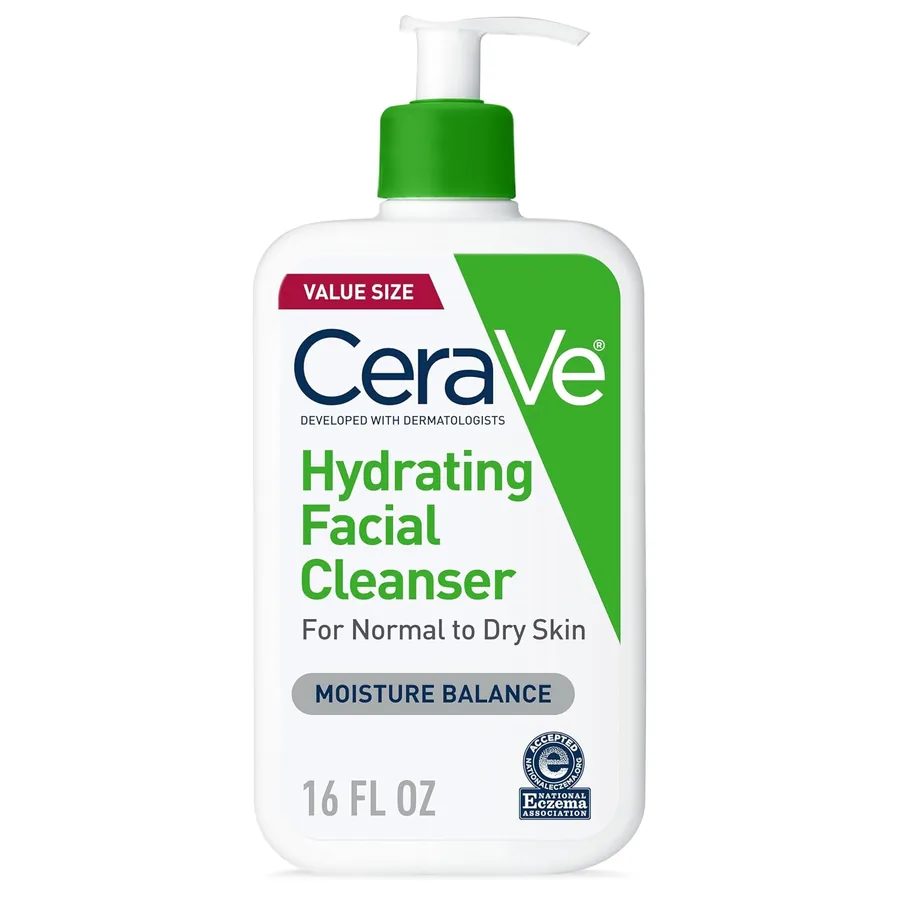
A reasonable starting option:CeraVe Hydrating Facial Cleanser is a widely available, fragrance-free cream cleanser formulated with ceramides and hyaluronic acid, marketed for normal to dry skin — a straightforward beginner option, not necessarily the only good one.
Product to Consider
CeraVe Hydrating Facial Cleanser
A fragrance-free, ceramide-and-hyaluronic-acid cream cleanser suited to AM and PM use as your only cleansing step.
May suit those who want a gentle daily formula with no exfoliating or medicated ingredients to navigate; best fit for normal, dry, and sensitive skin.
Moisturizer is the step beginners are most likely to skip if their skin runs oily or breaks out easily. That’s often a mistake: oily and acne-prone skin can still benefit from moisturizer, particularly when cleansing or acne treatments leave skin feeling dry, tight, or irritated. The fix isn’t to avoid moisturizer — it’s to choose a lightweight formula that feels comfortable on oilier skin.
Texture is where moisturizers differ most. Gel and lotion formulas tend to suit oily, combination, and acne-prone skin because they’re lighter and absorb faster. Cream formulas tend to suit dry or sensitive skin because they provide more sustained hydration. There isn’t one “correct” moisturizer for everyone — matching texture to your skin’s tendencies is most of what choosing one well comes down to. Our guide on how to choose a moisturizer for your skin type breaks this down further.
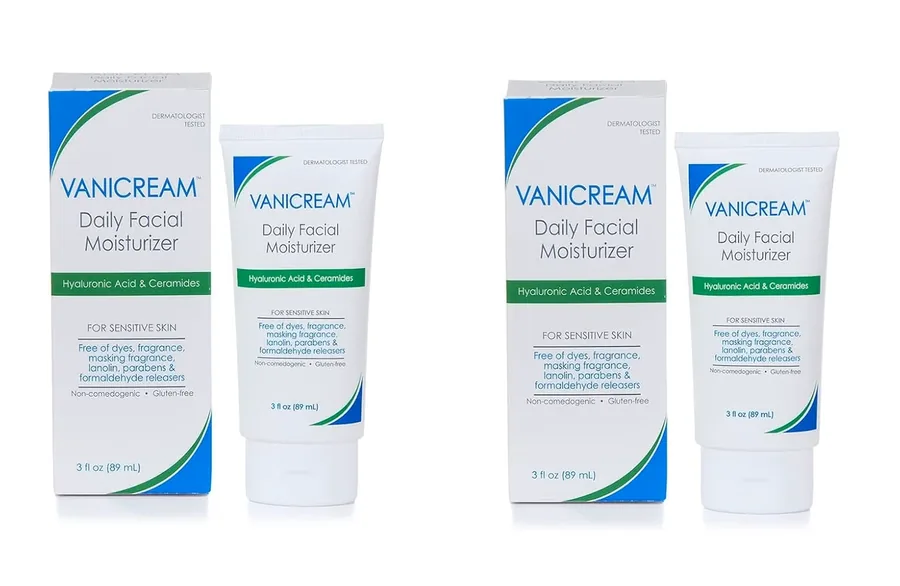
A reasonable starting option:Vanicream Daily Facial Moisturizer is a fragrance-free, lightweight formula built around hyaluronic acid and ceramides. It’s marketed for sensitive skin but positioned by the manufacturer as suitable across skin types, including oily and combination skin, due to its non-greasy texture — a relatively simple starting option worth considering.
Product to Consider
Vanicream Daily Facial Moisturizer
A fragrance-free, lightweight facial moisturizer with ceramides and hyaluronic acid for AM (before sunscreen) and PM use.
Formulated to avoid common irritants; suits sensitive, normal, combination, and oily-leaning skin. Very dry skin may eventually want a richer cream.
If a beginner routine only had room for one product, dermatologists would point to sunscreen. Daily UV exposure is the largest controllable driver of premature skin aging and is directly linked to skin cancer risk. The American Academy of Dermatology recommends broad-spectrum sunscreen with SPF 30 or higher as part of a daily routine, and the FDA notes that not all sunscreens are broad-spectrum, so it’s worth checking the label.
“Broad-spectrum” means protection against both UVA rays (which age skin) and UVB rays (which burn it) — you need both. SPF only measures UVB protection, so a high SPF number on a non-broad-spectrum product still leaves a gap. Sunscreen goes on last in your morning routine, after moisturizer. The FDA recommends reapplying at least every two hours during real outdoor exposure, and sooner after swimming, sweating, or toweling off, even with a water-resistant formula — always follow the specific product’s label directions, since reapplication intervals can vary by formula. For a full breakdown of SPF numbers, mineral versus chemical formulas, and application amounts, see our dedicated guide on sunscreen for beginners.
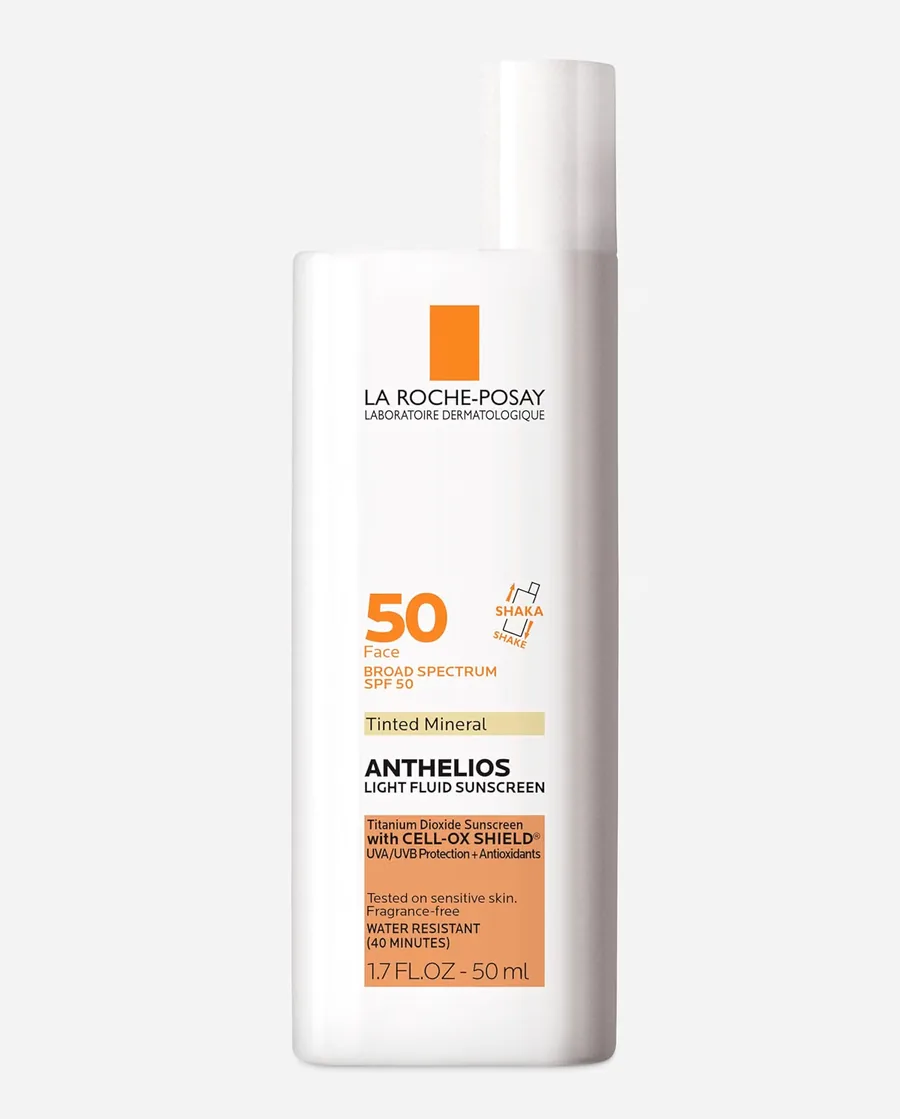
A reasonable starting option:La Roche-Posay Anthelios UV Hydra Sunscreen SPF 50 is a broad-spectrum, fragrance-free facial sunscreen formulated with hyaluronic acid for added hydration, marketed as blending invisibly across skin tones — a reasonable starting option to consider.
Product to Consider
La Roche-Posay Anthelios UV Hydra Sunscreen SPF 50
A broad-spectrum SPF 50 facial sunscreen with hyaluronic acid, fragrance-free, used AM only as the final step before makeup.
Formulated to sit comfortably under makeup or alone; best fit for dry, sensitive, and normal skin. Very oily skin may prefer a mattifying or gel-based formula.
Optional Fourth Product: Do Beginners Need a Serum?
No. A serum is an add-on, not a requirement, and there’s no harm in skipping this step entirely while you’re still getting comfortable with the basics.
That said, if your skin tends toward dryness or you want an extra layer of hydration underneath your moisturizer, a hyaluronic acid serum is a reasonable optional product to consider adding. Hyaluronic acid is a humectant — it draws in and holds water — rather than an active exfoliant or treatment ingredient, though how any finished serum performs still depends on its full formulation and your individual skin, not the presence of hyaluronic acid alone.
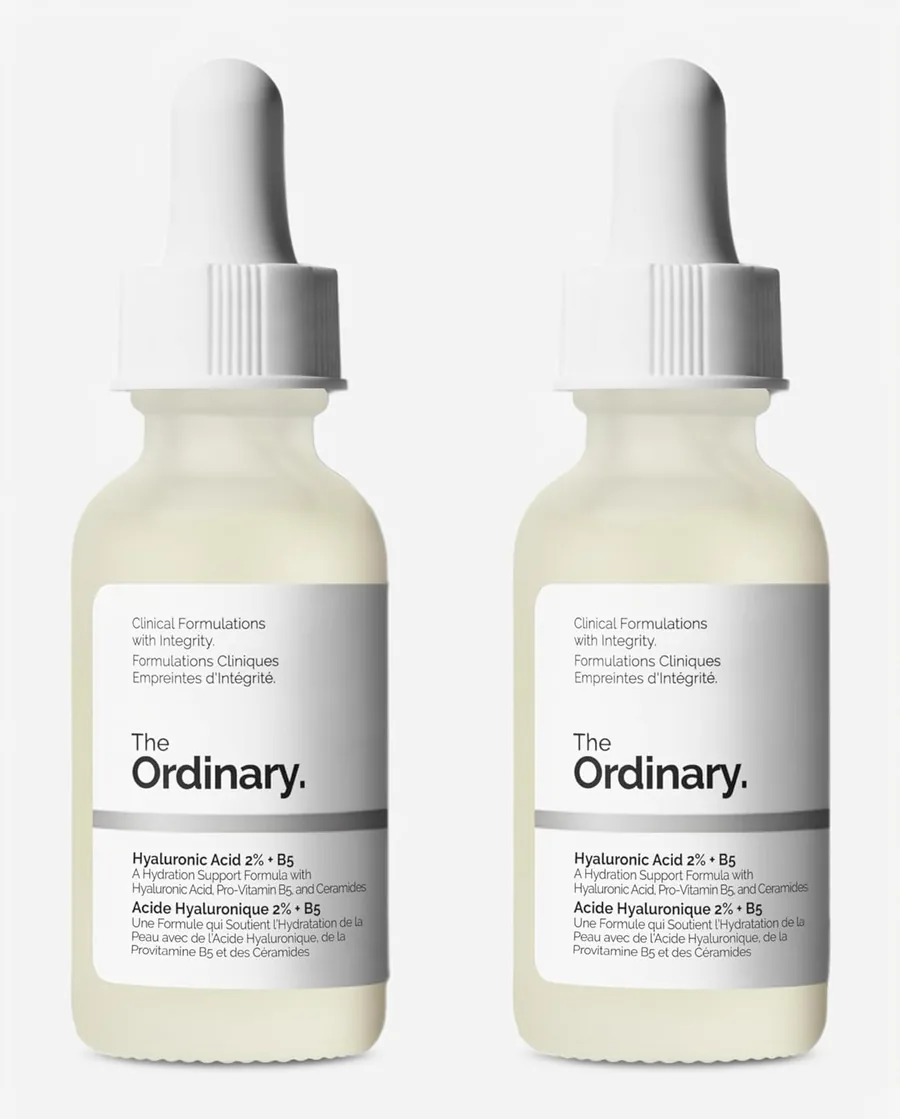
A reasonable optional option:The Ordinary Hyaluronic Acid 2% + B5 (with Ceramides) is a hydration-focused serum built around multiple molecular weights of hyaluronic acid, plus ceramides and pro-vitamin B5, positioned by the manufacturer for dryness and uneven texture across skin types.
Product to Consider
The Ordinary Hyaluronic Acid 2% + B5 (with Ceramides)
A hydrating serum with multiple forms of hyaluronic acid, ceramides, and panthenol (vitamin B5), applied AM and/or PM after cleansing, before moisturizer.
May be worth considering to add a hydration step without an exfoliant or retinoid; best fit for dry, dehydrated, and normal skin. Not a treatment for acne, dark spots, or fine lines.
Cleanser — a short, gentle wash to remove overnight buildup.
Hydrating serum (optional) — apply to damp skin, if using one.
Moisturizer — apply while skin is still slightly damp.
Sunscreen — the final step, applied generously, before makeup if you wear it.
Simple Night Routine Using These Products
Cleanser — to remove sunscreen, makeup, oil, and the day’s buildup.
Hydrating serum (optional) — apply to damp skin, if using one.
Moisturizer — the final step, since there’s no sunscreen to layer after it.
That’s the entire routine, morning and night — no ten-step sequence to memorize.
How to Choose Products for Your Skin Type
The three core products stay the same regardless of skin type — what changes is texture and formula. A quick starting point for each type:
Oily skin: A gel or light foaming cleanser, a lightweight gel-cream moisturizer, and a matte-finish or gel sunscreen tend to fit best. See our full skincare routine for oily skin.
Dry skin: A cream, non-foaming cleanser and a richer moisturizer generally feel more comfortable, alongside a hydrating sunscreen. See our full skincare routine for dry skin.
Combination skin: A balanced, lightweight cleanser and moisturizer usually work better than separate products for different zones. See our full skincare routine for combination skin.
Sensitive skin: Fragrance-free options can help, but the full formulation matters more than a short ingredient list — pay attention to your own known triggers and introduce products gradually. See our full skincare routine for sensitive skin.
Acne-prone skin: Non-comedogenic, oil-free formulas matter more than “extra strength” claims — moisturizer is still necessary, not optional. See our full skincare routine for acne-prone skin.
Normal/balanced skin: Most standard formulas work well; the goal is consistency rather than chasing a specific texture. See our full skincare routine for normal skin.
If you’re not sure which of these describes your skin, our guide on how to determine your skin type at home walks through a simple way to figure it out before you shop.
What Beginners Should NOT Buy Yet
None of the products below are bad. The point is that they aren’t necessary to start, and adding several at once as a beginner makes it much harder to tell what’s helping, what’s irritating your skin, and what’s simply unnecessary — they’re better introduced one at a time, later.
Exfoliating acids (AHAs/BHAs): Effective for texture and certain concerns, but they increase sun sensitivity and irritation risk, especially layered with other actives before your skin has a baseline routine.
Retinoids: Well-supported for fine lines and acne, but they typically require a gradual introduction and can cause noticeable irritation if started too aggressively or combined with other actives.
Multiple serums: Stacking three or four active serums at once makes it nearly impossible to identify what’s working — or what’s causing a reaction — if something goes wrong.
Toner: Not required for a functional routine. Some formulas offer mild benefits, but a beginner routine works fine without one.
Eye cream: Not an essential starter step. Some people can use their regular facial moisturizer around the orbital area if the product is suitable there and doesn’t irritate them; others prefer a product formulated specifically for the eye area, since that skin can be more sensitive, or because they have a specific cosmetic concern. Either way, follow the product’s own directions for where it’s meant to be applied.
How to Introduce New Skincare Products
Whether it’s one of the three core products or something you add later, the same approach applies: change one thing at a time. If you switch your cleanser, moisturizer, and add a serum in the same week, and your skin reacts, you won’t know which product caused it.
A simple approach:
Introduce one new product at a time. Irritation or intolerance often shows up within the first few days to about a week; cosmetic results you’re hoping for (smoother texture, less dullness) can take weeks longer, and the exact timeline varies by product and concern.
Follow the product’s instructions for frequency, especially with anything labeled as an active ingredient.
Watch for redness, stinging, breakouts, or persistent dryness in the days after starting something new.
Consider a patch test on a small area (like your inner arm or jaw) before applying a new product to your entire face, particularly if you have reactive or sensitive skin.
Stop using a product if irritation is clear and doesn’t settle within a few days.
Common Beginner Skincare Shopping Mistakes
Buying too many products at once. A full haul of eight new items makes it impossible to isolate what’s working.
Copying someone else’s exact routine. What works for another person’s skin type, climate, and concerns may not translate directly to yours.
Assuming expensive means better. Plenty of well-regarded, dermatologist-friendly products are inexpensive and widely available.
Chasing trends over needs. A trending ingredient or product isn’t automatically something your skin needs right now.
Introducing too many actives simultaneously. Layering multiple exfoliants, retinoids, or high-percentage actives at once is one of the most common causes of new-routine irritation.
Choosing products by packaging or marketing alone. Attractive branding doesn’t tell you whether a formula suits your skin type.
Ignoring persistent irritation. Pushing through ongoing redness, stinging, or breakouts “to see if it gets better” often makes things worse rather than better.
How Much Should a Beginner Spend on Skincare?
There’s no required budget for an effective routine. A drugstore cleanser, moisturizer, and sunscreen can form a complete, dermatologist-reasonable routine without a significant investment — many widely recommended formulas, including the ones in this guide, are positioned as accessible rather than premium.
Prices and available sizes change over time and vary by retailer, so this guide won’t list specific figures that would go stale. Spend on consistency and fit for your skin type first; treat cost as neither a requirement nor a guarantee of results.
Beginner Skincare Product Checklist
Gentle, fragrance-free cleanser suited to your skin type
Moisturizer matched to your skin’s texture and tendencies
Broad-spectrum sunscreen, SPF 30 or higher, for daily AM use
(Optional) One hydrating serum, if your skin wants extra moisture
A plan to introduce any new product one at a time
No exfoliating acids, retinoids, or multiple actives layered together on day one
Frequently Asked Questions
A gentle cleanser, a moisturizer suited to your skin type, and a broad-spectrum SPF 30+ sunscreen for daytime — the fundamentals for nearly everyone starting out.
No — a hydrating serum is optional, not required, for a functional routine.
Not for a basic, effective routine. Toner can offer mild benefits for some people, but it isn’t one of the three essential starter products.
Three: cleanser, moisturizer, and sunscreen. A fourth optional hydrating step is reasonable, but going much beyond that as a beginner makes it harder to tell what’s working.
Generally, yes. Oily skin can still benefit from moisturizer, especially when cleansing or acne treatments leave it feeling dry or irritated. A lightweight, non-comedogenic gel or lotion formula tends to feel more comfortable than a heavy cream.
Start with a gentle cleanser if you’re building the routine from scratch, since it’s the foundation every other step builds on, but ideally add moisturizer and sunscreen within the same week or two rather than one at a time over months.
Yes, eventually — but they’re not necessary to start, and work best introduced gradually and individually once your skin has an established baseline routine.
It depends on what you’re watching for. Irritation or a poor fit for your skin often becomes clear within the first week or two. Cosmetic improvements you’re hoping to see typically take longer and vary by product and goal, so give a new routine several weeks before judging whether it’s working as intended.
Not reliably — fit for your skin type and consistent use matter more than price.
Cleanser and moisturizer apply both AM and PM. Sunscreen is a morning-only step, since it’s protecting against daytime UV exposure. Some optional products, like retinoids, are typically night-only.
Bottom Line
Choosing beginner skincare products doesn’t need to be complicated. The specific products in this guide are reasonable starting options, not the only correct choices — the bigger win is picking formulas that fit your skin type, using them consistently, and adding anything beyond the basics one product at a time.
This guide is based on publicly available product information from manufacturer and retailer sources, along with established dermatology guidance from organizations like the American Academy of Dermatology and the FDA. Ava Fit Care has not independently lab-tested the products mentioned here, and this article does not claim dermatologist review or clinical testing by our team — it’s intended as practical, general-purpose education, not personalized medical advice. If you have persistent, severe, or worsening skin concerns, a board-certified dermatologist or other qualified healthcare provider is the right resource for guidance specific to your skin.
This article is for general educational purposes and isn’t a substitute for personalized medical or dermatological advice. Product recommendations reflect publicly available manufacturer and retailer information at the time of writing; prices, sizes, and formulations can change. If you have a specific skin condition or ongoing irritation, consult a board-certified dermatologist or other qualified healthcare professional.
Get New Guides in Your Inbox
No spam, no filler — just new articles as we publish them.