If your skin usually feels comfortable, doesn’t swing between very oily and very dry, and tolerates most products without much fuss, you likely fall into what’s commonly called the “normal” skin type. That doesn’t mean your skin is flawless or that it doesn’t need care — it just means your skin barrier tends to function well under normal conditions, so your routine can stay relatively simple.
A skincare routine for normal skin doesn’t need to be complicated or expensive. In most cases, a handful of consistent steps — done daily rather than sporadically — does more for your skin’s comfort and long-term health than a large rotating collection of products. This guide walks through what “normal” skin actually means, a simple AM and PM routine, the ingredients worth knowing about, and the situations where it’s worth checking in with a dermatologist instead of troubleshooting alone.
Your Normal Skin Routine in 60 Seconds
Morning
Gentle cleanser (or a water rinse)
Moisturizer
Broad-spectrum SPF 30+
Night
Gentle cleanser
Moisturizer
Optional targeted treatment
Consistency with the basics matters more than adding extra steps — only add a treatment if you have a specific goal.
Quick Answer: What’s the Best Skincare Routine for Normal Skin?
A simple normal-skin routine usually comes down to this:
Morning (AM):
Gentle cleanser (or a water rinse, depending on preference)
Moisturizer
Broad-spectrum SPF 30+
Night (PM):
Gentle cleanser
Moisturizer
Optional targeted treatment, depending on your goals
That’s the core framework. You don’t need a ten-step routine to take good care of normal skin — you mainly need consistency with the basics, and to add anything beyond that only if you have a specific concern you’re trying to address, like uneven tone, early signs of aging, or occasional breakouts.
What Is Normal Skin?
“Normal skin” is a general skin-type category, not a medical diagnosis, and it doesn’t mean skin that’s perfect or immune to problems. It’s typically used to describe skin that is reasonably balanced most of the time:
Oil production that’s neither consistently excessive nor consistently insufficient
Skin that feels comfortable through most of the day, without persistent tightness or persistent shine
A relatively even texture, without frequent flaking or a consistently greasy surface
Minimal ongoing dryness
Minimal ongoing excess oil
A skin barrier that generally does its job — keeping moisture in and irritants out — without needing constant intervention
Even with all of that, normal skin can still experience occasional dryness, oiliness, sensitivity, breakouts, or reactions to weather, stress, or new products. Having normal skin doesn’t mean nothing ever goes wrong; it generally means your skin tends to remain relatively balanced most of the time and may not require the more targeted approach that oily, dry, combination, or sensitive skin often benefits from.
Skin type also isn’t fixed for life. It can shift with age (barrier function and oil production change over the decades), weather and climate, hormones (puberty, pregnancy, menstrual cycles, menopause), ongoing stress, certain medications, environmental factors like pollution or indoor heating, and even the skincare products themselves — harsh cleansers or unnecessary actives can push otherwise-balanced skin toward dryness or irritation. It’s worth periodically reassessing how your skin is actually behaving rather than assuming your skin type is permanently locked in.
How to Tell If You Have Normal Skin
There’s no lab test for this — skin type is generally something you notice through how your skin feels and behaves day to day. A few practical signs can help you get a general sense of where you fall.
Normal skin may:
Feel comfortable shortly after cleansing, without a tight, stripped sensation
Have moderate oil production that doesn’t leave your face visibly shiny by midday
Rarely feel excessively tight, flaky, or rough
Rarely become extremely greasy, even without blotting or mattifying products
Tolerate basic skincare — a gentle cleanser, a standard moisturizer, sunscreen — reasonably well without frequent stinging or breakouts
Have relatively balanced-looking pores and texture, without pronounced enlarged pores in the T-zone or persistent rough patches elsewhere
One important clarification: an occasional pimple, a dry patch after a long flight, or a bit of extra shine during a heat wave doesn’t automatically mean your underlying skin type has changed. Skin type is about your skin’s general tendencies over time, not about what happens on any single day. If you’re seeing a consistent, sustained pattern — for example, your skin is oily nearly every day regardless of season or products — that’s a stronger signal that you may fall into a different category, like oily or combination skin. If you’re still unsure where your skin fits, see our guide to determining your skin type at home.
Normal Skin vs. Other Skin Types
Skin types exist on a spectrum, and many people find their skin sits close to normal but leans slightly toward one side or another. Here’s a general comparison to help you get oriented — think of it as a starting point for figuring out where your skin’s tendencies fall, not a rigid diagnostic tool.
Here’s the shortest practical version of a normal-skin routine:
AM:
Cleanse
Moisturize
Sunscreen
PM:
Cleanse
Treatment, if needed
Moisturize
Some people with normal skin find that a plain water rinse in the morning is enough, since there’s often minimal oil or product buildup to remove after sleeping — especially if they cleansed thoroughly the night before. Others prefer a gentle cleanser every morning simply because it feels more refreshing or because they find a light layer of overnight product residue on their skin. Neither approach is universally “correct.” It largely comes down to how your skin feels and looks in the morning, and what you find comfortable to stick with consistently.
Morning Skincare Routine for Normal Skin
Gentle Cleanser
Even with balanced skin, a gentle, non-stripping cleanser is generally worth using rather than skipping cleansing altogether or reaching for something harsh “just in case.” Look for:
A formula labeled gentle or suitable for normal-to-sensitive skin
Something that doesn’t leave your skin feeling tight, squeaky, or uncomfortable afterward
Fragrance-free options if you prefer to minimize potential irritants, even if your skin doesn’t currently react to fragrance
A texture you actually enjoy using — cream, gel, and foaming cleansers can all work well for normal skin; the “best” texture is largely a matter of preference
Avoiding unnecessarily harsh formulas matters even for skin that tolerates most things well, since repeated over-cleansing can gradually compromise barrier function over time.
As an Amazon Associate I earn from qualifying purchases.
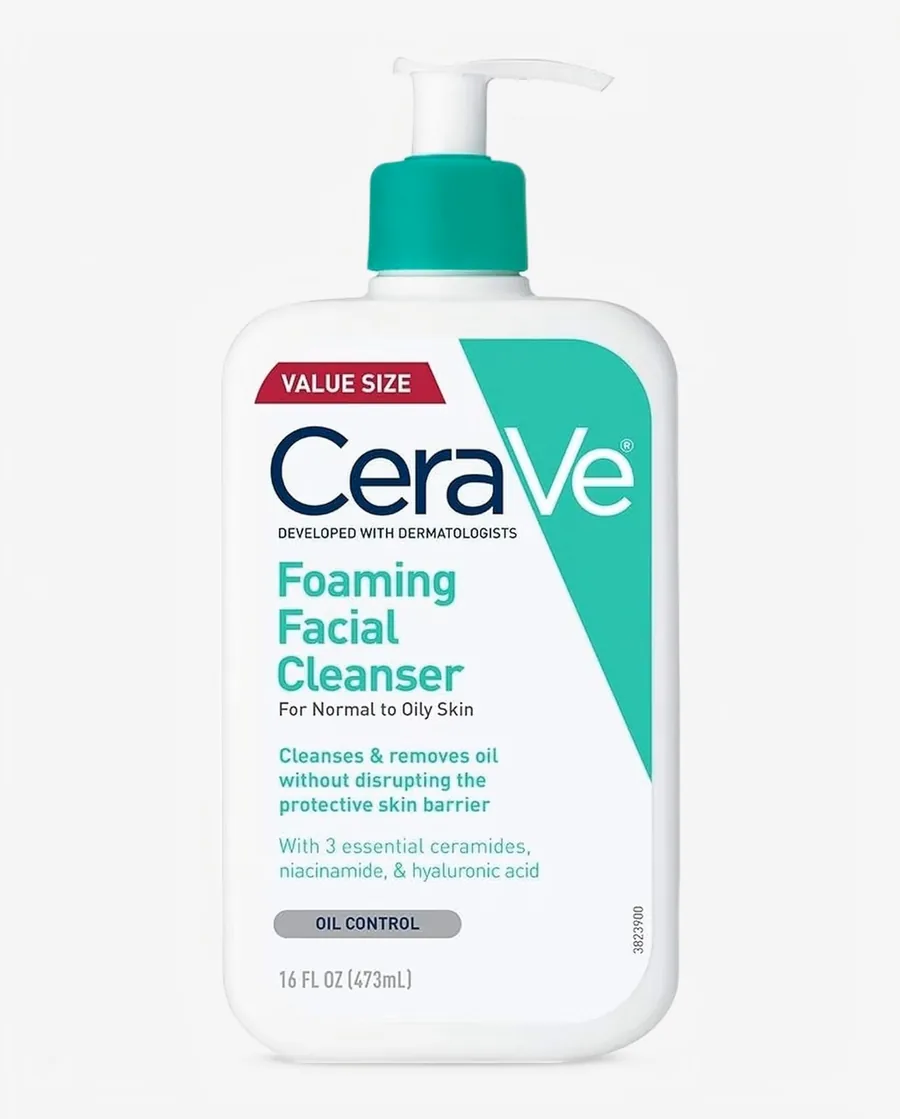
One option to consider is CeraVe Facial Cleanser — a gentle, non-stripping formula that can work well as an everyday cleanser for normal skin. It’s not the only option that works, and the ‘best’ texture is largely a matter of personal preference.
Moisturizer plays a supporting role for normal skin — less about correcting a specific problem and more about maintaining the barrier and keeping skin comfortable throughout the day. A few things to know:
Texture can range from lightweight lotions to slightly richer creams. Normal skin generally has some flexibility here, and the right choice often depends on climate, season, and personal preference rather than a strict rule.
Humectants, like glycerin and hyaluronic acid, draw water into the skin’s surface and are common in moisturizers formulated for a wide range of skin types, including normal skin.
Ceramides are lipids that occur naturally in skin and help support the barrier; they’re frequently included in moisturizers marketed as barrier-supporting or restorative.
Glycerin is one of the most well-established, well-tolerated hydrating ingredients in skincare and shows up in a large share of moisturizer formulas.
Hyaluronic acid is another humectant that can help skin feel more hydrated, though it works best when applied to slightly damp skin and followed by a moisturizer to help lock that hydration in.
There’s no single “correct” moisturizer for normal skin — what matters more is finding a formula that feels comfortable and that you’ll actually use every day.
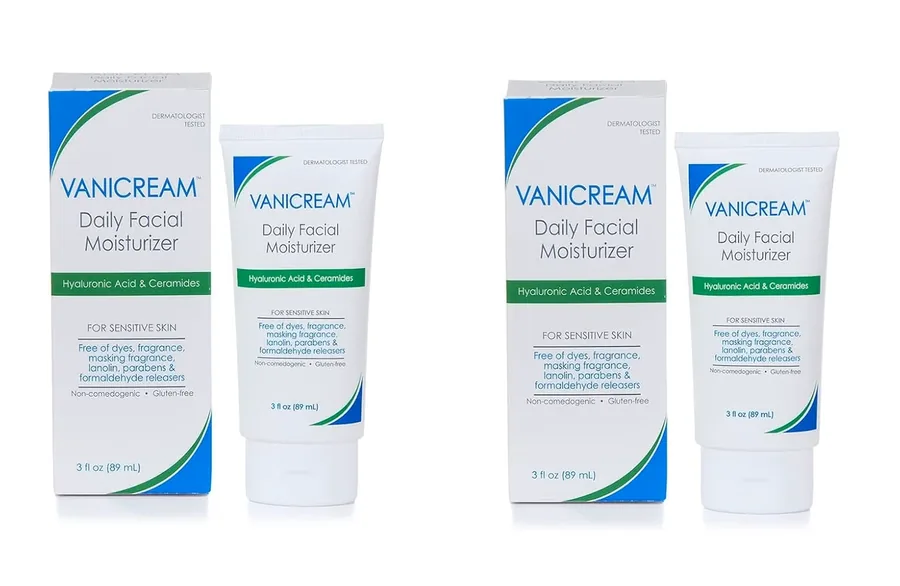
For a simple, barrier-supporting option, you might consider Vanicream Moisturizer — a fragrance-free, minimal-ingredient formula that can be an option for maintaining comfortable, hydrated-looking skin. It won’t work identically for everyone; individual preferences and tolerance vary.
Daily sunscreen is one of the most consistently supported recommendations in skincare, regardless of skin type. For normal skin specifically, there’s no reason to skip it just because your skin doesn’t have an obvious ongoing concern — sun exposure contributes to premature aging and skin cancer risk over time, independent of how “problem-free” your skin currently looks.
What to look for:
Broad-spectrum protection, meaning coverage against both UVA and UVB rays
SPF 30 or higher, which is a widely recommended baseline for daily use
A texture and finish you’ll actually want to wear every day — mineral, chemical, tinted, and matte-finish formulas are all reasonable options depending on your preference
Reapplication when appropriate, particularly during extended time outdoors, since sunscreen’s protective effect diminishes over the course of the day
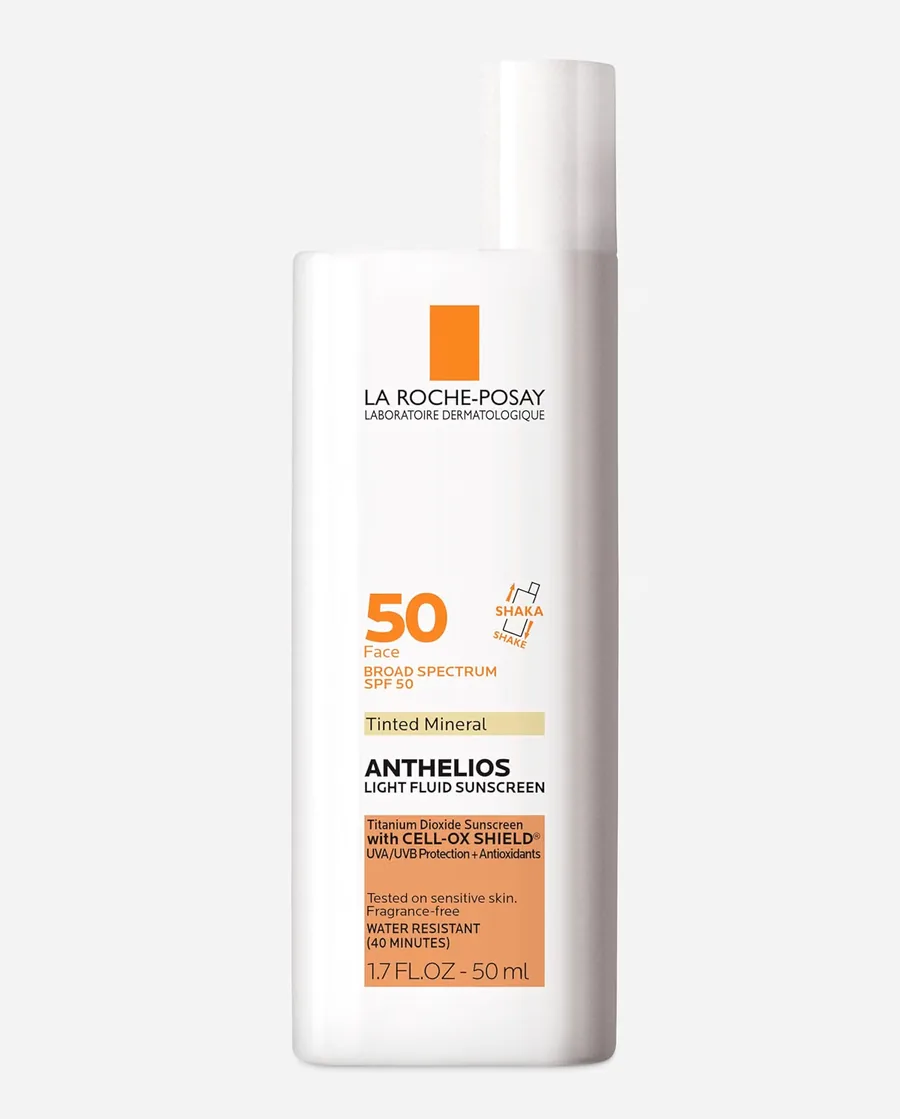
Apply a broad-spectrum, water-resistant SPF 30 or higher sunscreen as the last step of your morning routine. Reapply as directed, especially after sweating, swimming, or prolonged outdoor exposure. Beyond sunscreen itself, additional measures like seeking shade during peak sun hours and wearing a hat or sun-protective clothing can add meaningful extra protection, especially for extended outdoor exposure.
An example of a daily broad-spectrum sunscreen is La Roche-Posay Sunscreen — an SPF 30+ formula some people find comfortable to wear every day. It isn’t the only sunscreen that works well, and no single formula suits everyone.
Step 1 — Cleanser. Remove the day’s sunscreen, any makeup, and general environmental buildup with your gentle cleanser. If you wore heavier makeup or a longer-wear sunscreen, a first cleanse (or a dedicated makeup remover) before your regular cleanser can help make sure you’re not just working through a layer of product.
Step 2 — Optional treatment. This is where a targeted product goes, if you’re using one — not everyone needs this step. Whether you add a treatment product usually depends on a specific goal rather than skin type alone.
Step 3 — Moisturizer. Nighttime moisturizing helps maintain hydration, support the skin barrier, and reduce dryness from treatment products.
If you decide to add a treatment step, common goals include:
Acne — occasional breakouts, even on otherwise normal skin, are common and don’t necessarily require a full acne-focused routine
Uneven tone — ingredients like vitamin C or niacinamide are often used here
Dark spots — generally a slower-moving concern that benefits from consistent, gentle approaches rather than aggressive ones
Texture — mild exfoliation or retinoids are sometimes used, introduced gradually
Signs of aging — retinoids and antioxidants are the most commonly discussed options
If you’re just starting out, it’s worth resisting the urge to add several of these goals into your routine simultaneously. Introducing one active ingredient at a time and giving your skin a few weeks to adjust makes it much easier to tell what’s working — and what isn’t — than layering on multiple new products at once.
Best Ingredients for Normal Skin
Not every ingredient here is necessary for every person with normal skin — treat this as a reference for what’s out there and what it’s generally used for, not a checklist to complete.
Glycerin. A well-tolerated humectant that draws moisture to the skin’s surface. It fits well into almost any routine, typically as part of a moisturizer.
Ceramides. Lipids naturally present in the skin barrier that help it retain moisture and resist irritants. Useful for anyone whose barrier needs extra support — after sun exposure, in dry weather, or alongside actives like retinoids.
Hyaluronic acid. A humectant known for holding a significant amount of water relative to its weight. Works best applied to slightly damp skin and followed by a moisturizer.
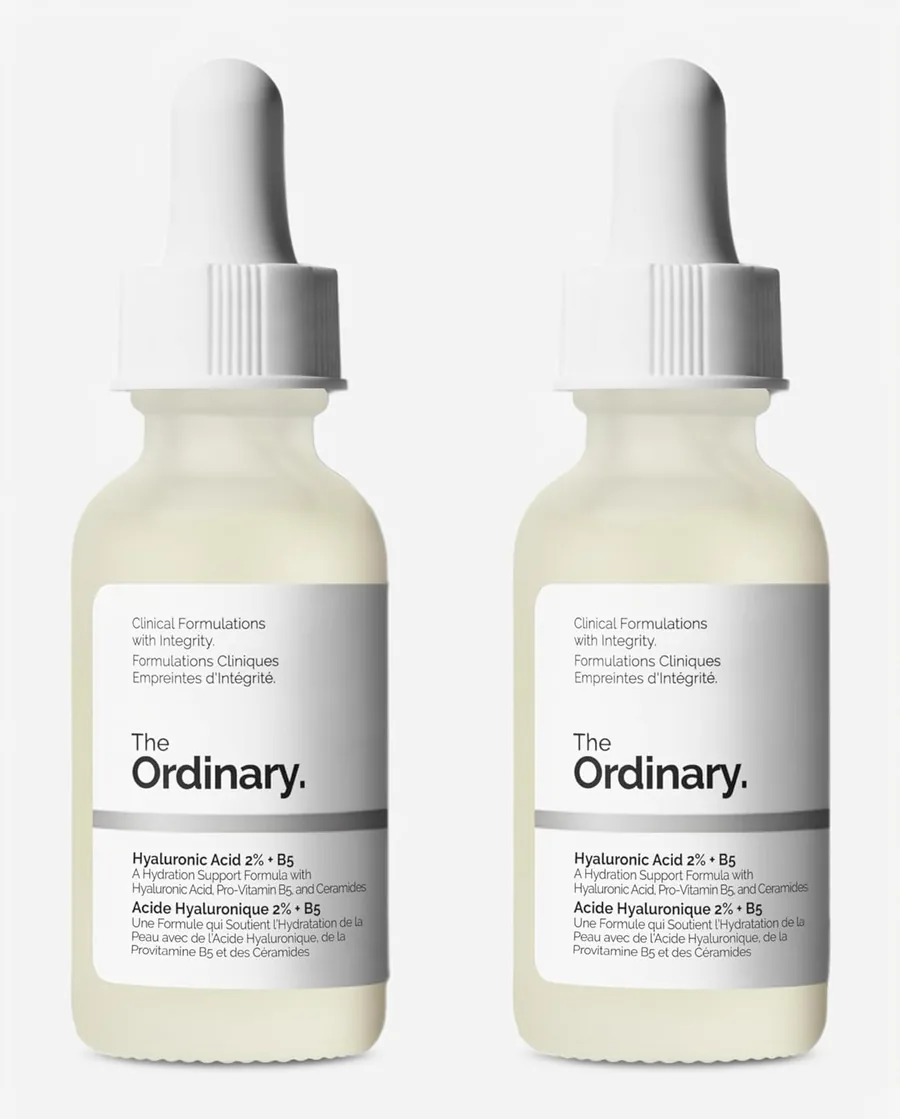
If you want to add an optional hydration step, one product to consider is The Ordinary Hyaluronic Acid. This isn’t a required addition for normal skin — a simple cleanser-moisturizer-sunscreen routine is already a complete approach for most people; this is just an option if you’d like an extra hydration step.
Niacinamide. A generally well-tolerated form of vitamin B3, often associated with supporting the skin barrier and a more even-looking tone over time.
Panthenol. A soothing, moisturizing form of provitamin B5, common in moisturizers and after-sun products, generally gentle enough for regular use.
Vitamin C. An antioxidant often used in the morning, sometimes associated with a brighter, more even-looking complexion over time. Can cause mild irritation for some people, so starting gradually is reasonable.
Retinoids and retinol. Vitamin A derivatives used for texture, tone, and visible signs of aging. Prescription retinoids (like tretinoin) are generally stronger than over-the-counter retinol, and both commonly cause some initial dryness, which is why gradual introduction is typically recommended — more on this below.
Salicylic acid. A beta-hydroxy acid most associated with acne-prone or oily skin, but appropriate for normal skin dealing with occasional breakouts or texture concerns, generally introduced a few times a week at first.
Not everyone with normal skin needs actives at all. A simple cleanser-moisturizer-sunscreen routine is a completely reasonable, complete approach if your skin is comfortable and you don’t have a specific concern.
How to Choose Products for Normal Skin
Cleanser. Gentle and non-stripping, leaving skin feeling clean but not tight. Foaming, gel, and cream formulas can all work; texture is largely personal preference.
Moisturizer. A texture that suits your climate and season — often lighter in summer or humid climates, richer in winter or dry ones. Glycerin, ceramides, or hyaluronic acid are reasonable things to look for.
Sunscreen. Broad-spectrum, SPF 30 or higher, and a finish you’ll actually enjoy wearing daily. In practice, the best sunscreen is the one you’ll use every day without fail.
Optional serum. Useful if you’re targeting a specific concern like tone, hydration, or early signs of aging — not a required step for everyone.
Optional treatment. Reserved for a specific goal, like occasional acne or visible texture changes, not a default part of a normal-skin routine.
Keeping your product lineup simple has real advantages, especially early on: it’s easier to identify what’s working or causing a problem, and it’s more sustainable long-term than an elaborate multi-step routine.
Normal Skin and Exfoliation
Exfoliation removes dead skin cells from the surface, which can help with texture and dullness. There are two broad categories: physical exfoliation (scrubs, brushes, and textured pads that manually slough off dead cells) and chemical exfoliation (acids like glycolic, lactic, or salicylic acid that dissolve the connections between dead cells). Many people find chemical exfoliation easier to control than physical scrubbing, although either approach can cause irritation if overused. Physical scrubs can cause irritation or abrasion, especially when used too often or with too much pressure.
More exfoliation is not automatically better. Signs you may be overdoing it include skin that feels tight or raw rather than smooth afterward, increased sensitivity to products you previously tolerated, lingering redness, or breakouts that worsen rather than improve.
There’s no single universal exfoliation schedule — frequency should depend on the specific product, your skin’s tolerance, and what else is already in your routine. Starting less often than you might expect and adjusting based on how your skin responds is a reasonably safe approach.
Normal Skin and Retinol / Retinoids
Retinoids are among the most extensively studied ingredients in skincare, commonly used for concerns like fine lines, texture, and tone. People with normal skin often introduce a retinoid or retinol not to fix an active problem, but as a preventive or maintenance step for longer-term skin goals.
A few things worth knowing: gradual introduction matters — starting a few nights a week rather than nightly, and slowly increasing frequency as tolerated, is a widely used approach to minimize irritation. Some dryness, peeling, and mild redness are typical in the first few weeks, even on skin that doesn’t usually react to much. Applying a moisturizer before or after a retinoid (“buffering”) can make the adjustment period more comfortable, and daily sunscreen becomes more important, since retinoid-treated skin can be more sensitive to sun exposure.
If you are pregnant or trying to conceive, talk with your healthcare professional before using topical retinoids. If you are breastfeeding, ask your healthcare professional whether a specific retinoid is appropriate for you. This isn’t a decision to make from a skincare article alone.
Normal Skin + Acne
Having normal skin doesn’t make you immune to breakouts. Hormonal fluctuations, stress, certain products, friction from masks or sports equipment, and plenty of other factors can trigger occasional acne even on skin that’s otherwise well-balanced. An occasional pimple or small cluster of breakouts doesn’t necessarily mean your underlying skin type has permanently changed to “acne-prone” — it may simply reflect a temporary shift.
That said, if breakouts become a persistent, ongoing pattern rather than an occasional occurrence, it’s worth adjusting your approach accordingly. Our skincare routine for acne-prone skin guide goes into much more detail on ingredients like salicylic acid, benzoyl peroxide, and adapalene, along with a fuller breakout-focused routine.
Normal Skin + Sensitivity
Skin type and sensitivity aren’t the same thing, even though they’re often discussed together. Skin type generally describes oil production and overall balance, while sensitivity describes how reactive your skin is to products, weather, or other triggers — showing up as stinging, redness, or irritation.
It’s entirely possible to have normal, balanced oil production and still experience sensitivity to specific ingredients, fragrances, or environmental changes. If you notice your skin reacting more than expected to products that shouldn’t typically cause irritation, it may be worth simplifying your routine and paying closer attention to ingredient lists. Our skincare routine for sensitive skin guide covers gentler, lower-irritation approaches in more depth if this sounds like your skin.
Normal Skin in Different Seasons
Summer. Heat and humidity can shift oil production upward. A lighter moisturizer and diligent sunscreen reapplication during extended outdoor time are often useful adjustments.
Winter. Cold air and indoor heating reduce ambient humidity, which can leave even normal skin feeling drier or tighter. A richer moisturizer, sometimes with a hydrating serum underneath, can help offset this.
Dry climates. Consistently low humidity can push normal skin toward its drier end. Barrier-supportive ingredients like ceramides and glycerin, plus an indoor humidifier, can help.
Humid climates. Consistently high humidity can make skin feel oilier or more congested. Lighter, non-greasy formulas tend to be more comfortable here.
Travel. Climate, water quality, and cabin humidity can all temporarily affect your skin. Packing your usual core products, rather than experimenting with new ones mid-trip, helps minimize surprises.
None of these adjustments need to be dramatic — small seasonal tweaks to texture and hydration are usually enough.
Normal Skin and Aging
Skincare priorities naturally shift somewhat with age, even for skin that’s remained relatively balanced over the years:
Sunscreen remains one of the most well-supported ways to help manage visible signs of aging over time, since cumulative sun exposure is a major contributing factor.
Moisturizer becomes more of a priority as barrier function and oil production shift with age.
Gentle cleansing matters more, since skin can become more easily irritated or drier over time — not the moment to reach for harsher formulas.
Retinoids or retinol, introduced gradually, are among the more evidence-supported options for texture and fine lines.
Antioxidants, like vitamin C, are often used alongside — not instead of — daily sunscreen.
No product or routine can stop the aging process or fully reverse existing changes. A consistent routine can reasonably support skin that’s more comfortable, better protected, and may show some improvement in texture or tone over time — not a permanent transformation.
Common Normal-Skin Skincare Mistakes
1
Using too many products
More steps don’t automatically mean better results, and they increase the chances of irritation or wasted product.
2
Over-cleansing
Washing more than needed can strip the skin and disrupt barrier function, even on skin that usually tolerates cleansing well.
3
Skipping sunscreen
A common mistake specifically among people with normal skin, since there’s no obvious daily concern prompting them to remember it.
4
Over-exfoliating
More frequent exfoliation isn’t inherently better and can push otherwise-balanced skin toward irritation.
5
Changing products too frequently
Most skincare products need consistent use over several weeks before you can fairly judge whether they’re working.
6
Ignoring irritation
Redness, stinging, or discomfort is worth paying attention to rather than pushing through, even on skin that doesn’t usually react.
7
Using unnecessarily harsh products
Just because normal skin can often tolerate stronger formulas doesn’t mean it benefits from them.
8
Copying someone else’s routine
A routine that works well for a friend or an influencer with a different skin type, climate, or set of goals may not translate directly to your own skin.
9
Assuming normal skin needs no moisturizer
Moisturizer supports barrier function and comfort regardless of skin type — it’s not solely a fix for dryness.
How Long Does a Normal-Skin Routine Take to Work?
This depends on what you’re trying to achieve — it’s worth separating goals rather than expecting one timeline for everything:
Hydration and comfort. Often noticeable within days of consistent moisturizer use, since this is largely about immediate barrier support.
Texture. Generally takes several weeks of consistent care — including gentle exfoliation or retinoid use, if applicable — before meaningful changes are typically visible.
Acne. Acne treatments often take several weeks of consistent use before you can fairly judge how well they’re working.
Pigmentation and dark spots. Usually one of the slower-moving concerns, often taking several months of consistent care to show visible change.
Long-term sun protection and aging prevention. This is a cumulative, ongoing benefit rather than something with a defined “results” timeline — daily sunscreen use is a long-term investment, not a short-term fix.
We won’t promise specific results or timelines, since individual skin responds differently. Patience and consistency tend to outperform frequently switching products in search of faster results.
When to See a Dermatologist
A basic routine can genuinely help maintain comfortable, balanced skin, but there are situations where it’s worth getting a professional opinion rather than continuing to manage things on your own:
Persistent acne that doesn’t improve with a consistent basic routine
Significant or unexplained redness
Persistent itching
Painful skin
A rash, especially one that spreads or doesn’t resolve
Recurring irritation that keeps happening despite simplifying your routine
Sudden, major changes in how your skin looks or feels
Any skin concern that doesn’t improve despite consistent, reasonable at-home care
A dermatologist can evaluate your specific skin, discuss your history, and recommend options — including prescription-strength treatments — that go beyond what over-the-counter skincare can address. This guide is meant to be a general starting framework, not a substitute for that kind of individualized care.
Normal Skin Routine at a Glance
Time
Step
Purpose
AM
Cleanser
Remove overnight buildup
AM
Moisturizer
Support hydration and barrier comfort
AM
SPF 30+
Daily sun protection
PM
Cleanser
Remove sunscreen, makeup, and daily buildup
PM
Optional treatment
Address a specific goal, if you have one
PM
Moisturizer
Support overnight barrier repair
Simple Shopping Checklist
☐ Gentle cleanser
☐ Moisturizer
☐ Broad-spectrum SPF 30+
☐ Optional serum (for a specific goal like tone or hydration)
☐ Optional treatment (for a specific goal like acne or texture)
That’s genuinely all most people with normal skin need to get started. Anything beyond this list should be added deliberately, for a specific reason — not simply because it’s trending.
There isn’t one universal “best” routine, but a simple framework works well for most people: a gentle cleanser, a moisturizer suited to your climate and preferences, and daily broad-spectrum sunscreen in the morning, with an optional targeted treatment at night if you have a specific goal. Consistency tends to matter more than complexity.
Yes. Moisturizer supports the skin barrier and helps maintain comfort regardless of skin type — it isn’t only for skin that’s actively dry. Skipping it can leave even normal skin feeling less comfortable over time, especially in dry or cold conditions.
Yes, daily broad-spectrum SPF 30+ is generally recommended regardless of skin type, since UV exposure contributes to premature aging and skin cancer risk over time — not just on days when skin looks or feels like it needs extra protection.
Many people cleanse in both the morning and evening, though some with normal skin find a plain water rinse sufficient in the morning if there’s minimal buildup. Evening cleansing is generally more important, since it removes the day’s sunscreen, makeup, and environmental exposure.
There’s no single required ingredient list. Glycerin, ceramides, and hyaluronic acid are common in moisturizers and generally well tolerated. Niacinamide, vitamin C, and retinoids are optional additions depending on your specific goals, like tone, brightness, or texture.
Yes. Hormonal changes, humidity, certain products, or even stress can temporarily or gradually shift oil production upward. A consistent pattern of increased oiliness over time may suggest your skin’s tendencies are shifting, though a single oily day doesn’t necessarily mean that.
Yes. Cold weather, low humidity, harsh cleansers, certain medications, and aging can all contribute to normal skin becoming drier over time. As with oiliness, an occasional dry day is different from a sustained pattern.
Yes. Breakouts can happen on any skin type, including normal skin, due to hormones, stress, certain products, or friction. An occasional breakout doesn’t necessarily mean your underlying skin type has changed to acne-prone.
It’s optional. Many people with normal skin introduce retinol or a retinoid for goals like texture or early signs of aging, but it isn’t a requirement for healthy skin. If you do use one, gradual introduction and consistent sunscreen use are generally recommended.
There’s no universal schedule — frequency depends on the specific product and your skin’s individual tolerance. Starting with less frequent use and adjusting based on how your skin responds is a reasonably safe approach, and more exfoliation isn’t automatically better.
It can be a reasonable addition for people interested in supporting a brighter, more even-looking complexion over time, and it’s generally well tolerated. Some people experience mild irritation, especially at higher concentrations, so introducing it gradually is sensible.
Yes. It’s a widely tolerated humectant that can help support hydration for most skin types, including normal skin. It tends to work best when applied to slightly damp skin and followed by a moisturizer.
Unnecessarily harsh cleansers, excessive exfoliation, stacking too many active ingredients at once, and skipping sunscreen are among the more common avoidable mistakes — even skin that tolerates a lot doesn’t necessarily benefit from being tested to its limits.
Yes. Age, hormones, climate, stress, medications, and the products you use can all influence how your skin behaves, and skin type can shift gradually over months or years. It’s reasonable to periodically reassess your routine rather than assuming your skin type is permanently fixed.
Read our Review Policy for a plain explanation of what our review process does — and doesn't — mean for health-adjacent content.
Sources & Further Reading
Medical Disclaimer: This article is for general informational purposes only and is not medical advice. It does not diagnose any skin condition and is not a substitute for personalized care from a qualified healthcare professional. If you have persistent or concerning skin issues, please consult a board-certified dermatologist.