Skincare Routine for Uneven Skin Tone: A Simple AM & PM Guide
September 5, 2026
If your complexion looks patchy in some spots, flushed in others, or just not as uniform as it used to be, a simple, consistent routine — gentle cleanser, targeted treatment, moisturizer, and daily broad-spectrum sunscreen — is a sensible place to start. Uneven skin tone isn’t one single condition with one single fix. It can show up as faint discoloration left behind by a breakout, patches of redness that flare with irritation, or a general sense that your complexion looks brighter in some areas than others. What helps depends partly on what’s driving it, which is why there’s no routine that works exactly the same way for every face.
Sun exposure is usually part of the picture, and it’s the one factor almost everyone can influence with a daily habit. But uneven tone can also involve post-breakout marks, irritation, hormonal shifts, and everyday environmental exposure, often more than one of these at once. This guide walks through what uneven skin tone actually means, what commonly contributes to it, and a straightforward AM and PM routine you can adjust to your own skin type, without needing a ten-step regimen or a cabinet full of active ingredients.
Uneven skin tone is a broad term, and it’s worth separating from the narrower idea of “dark spots.” Where dark spots usually describe distinct, localized areas of discoloration, uneven skin tone refers to the overall variation across your complexion: some parts appearing darker, lighter, redder, or dull compared to the rest of your face.
That variation can look like a few different things depending on the person:
Subtle differences in depth of color across the cheeks, forehead, and jawline
Faint marks left behind after a breakout has healed
Patches of discoloration that developed gradually, often linked to sun exposure over time
General redness or a flushed appearance in certain areas
A complexion that looks dull or uneven in texture as much as in color — when dullness itself is the main concern rather than color variation, our skincare routine for dull skin guide goes deeper on that
None of these are exactly the same concern, and they don’t necessarily respond to the same ingredients. A routine that helps with post-breakout marks isn’t automatically the right approach for sun-related discoloration or redness-prone skin. That’s part of why “uneven skin tone” is worth thinking of as an umbrella term rather than a single, fixed diagnosis you can treat with one product.
What Can Cause Uneven Skin Tone?
There’s rarely one single cause. For most people, uneven tone develops from a combination of factors, and figuring out which ones apply to you can help you choose a more sensible routine. Common contributors can include:
UV exposure: cumulative sun exposure is one of the most frequently discussed contributors to visible discoloration over time
Post-acne marks: breakouts can leave behind temporary discoloration once they heal, sometimes called post-inflammatory marks
Inflammation or irritation: skin that’s reacted to a product, environmental trigger, or condition can be left looking blotchy or discolored afterward
Inconsistent sun protection: skipping sunscreen regularly, or reapplying inconsistently, may allow ongoing UV exposure to continue affecting the skin
Picking or squeezing breakouts: this can prolong healing and, for some people, increase the chance of lingering marks
Over-exfoliation: exfoliating too often or too aggressively can irritate skin, which may contribute to uneven-looking patches
Hormonal changes: hormonal shifts are one possible contributor for some people, though not the only explanation
Environmental factors: pollution and general environmental stress are sometimes discussed as contributing factors, alongside the more established role of UV exposure
It’s worth being cautious here: these are commonly discussed contributors, not a checklist that applies identically to everyone. Two people with similar-looking discoloration can have different underlying causes, and the same routine won’t necessarily work the same way for both.
The Simple Skincare Routine for Uneven Skin Tone
Before getting into ingredient details, here’s the routine itself. This is the answer most people are actually looking for, and it doesn’t require more than four products in the morning and three at night.
Morning
Gentle cleanser
Optional treatment or serum
Moisturizer
Broad-spectrum sunscreen, SPF 30 or higher
Night
Gentle cleanser
Treatment or serum
Moisturizer
That’s the whole framework. You don’t need multiple active ingredients layered on top of each other to have a legitimate routine for uneven tone. In fact, using too many at once is one of the more common ways people end up irritated instead of improved. One treatment step, used consistently, tends to be more useful than several used sporadically.
Morning Skincare Routine for Uneven Skin Tone
01
Gentle Cleanser
The job of a morning cleanser is straightforward: clear away the oil, sweat, and product residue that built up overnight, without leaving your skin feeling tight or stripped. A cleanser that matches your skin type — gel-based for oily skin, cream-based for dry skin, something balanced for combination skin — will generally feel more comfortable day to day than a one-size-fits-all foaming formula.
As an Amazon Associate I earn from qualifying purchases.
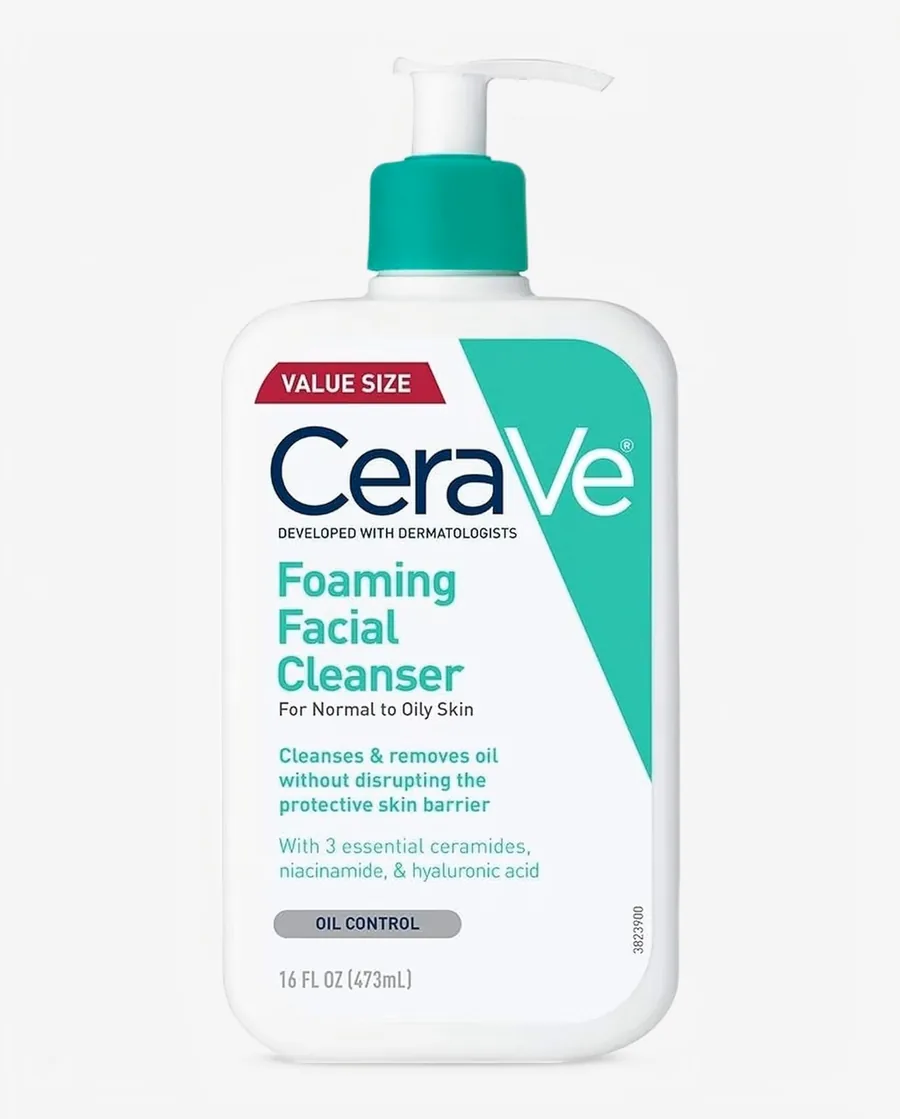
If you would like a specific product to try here, the CeraVe Foaming Facial Cleanser is a gentle, non-stripping cleanser that may be suitable for a morning routine focused on uneven skin tone. (paid link)
It’s worth being clear about something here: harsher cleansing doesn’t improve discoloration. Scrubbing harder or choosing a stronger, more stripping cleanser won’t make uneven tone fade faster, and it can actually make skin more reactive, which tends to work against you.
02
Optional Treatment
Vitamin C is one of the more commonly used antioxidant ingredients in routines aimed at brightening and evening out the look of skin tone. It’s popular, but it’s optional: a legitimate routine for uneven tone doesn’t require it, especially when you’re just getting started.
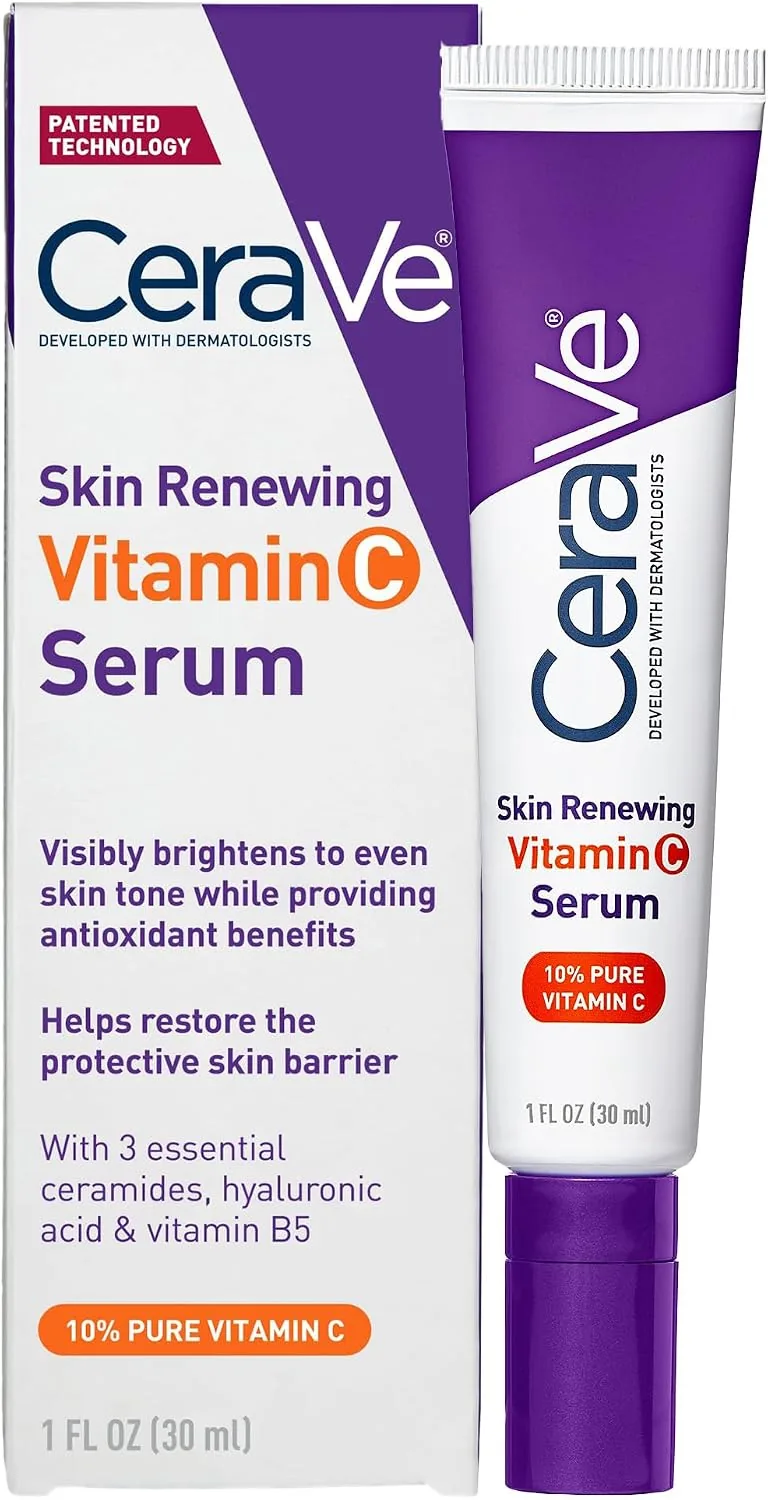
This step remains optional. If you would like to try a Vitamin C option, the CeraVe Vitamin C Serum is a formula some people add to a brightening-focused routine, though a simple routine without this step can still be effective. (paid link)
If you do want to add it, gradual introduction is the more comfortable path: a few times a week at first, applied after cleansing and before moisturizer, rather than jumping straight into daily use. Sensitive skin in particular may need extra caution, since some vitamin C formulas can feel irritating before your skin adjusts. There’s no single “correct” concentration that works for everyone, so this is a case where starting lower and adjusting based on how your skin responds makes more sense than following a fixed number.
03
Moisturizer
Moisturizer’s role here is about hydration and comfort, not pigment correction. A well-hydrated skin barrier tends to look calmer and more even simply because it isn’t dealing with the dryness, flaking, or irritation that can make discoloration more noticeable. But moisturizer itself doesn’t remove discoloration. It supports the skin so other steps, like sunscreen and any treatment you’re using, can do their job without added irritation.
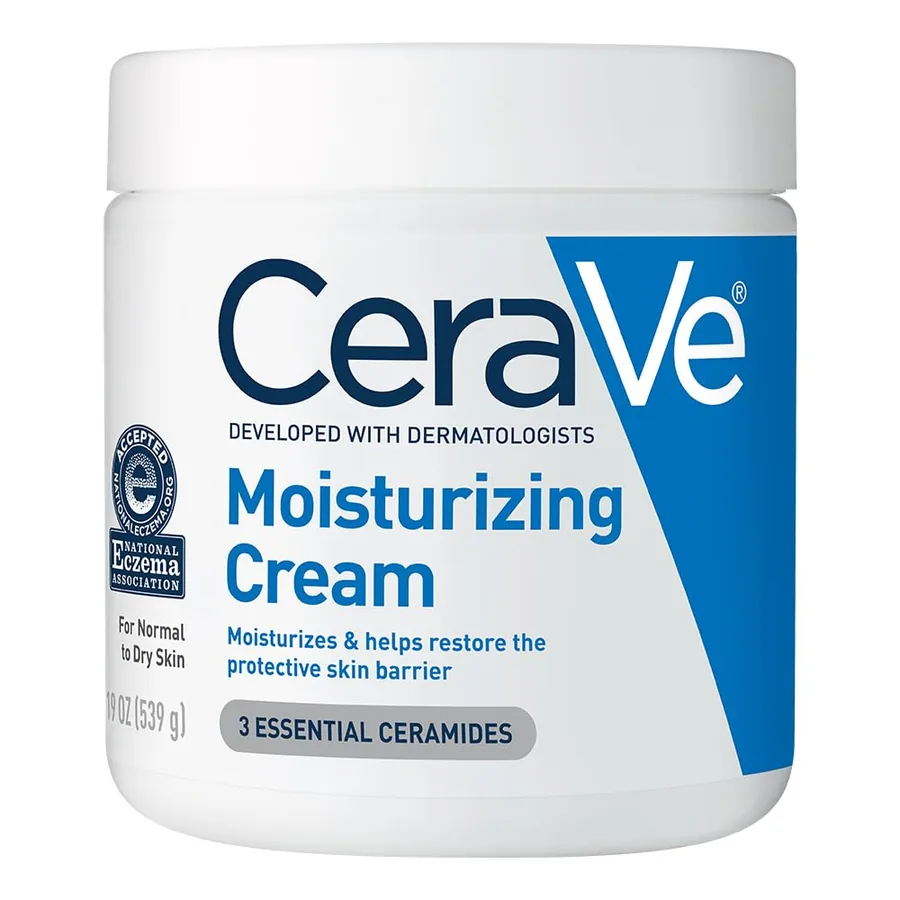
For a moisturizer option, the CeraVe Moisturizer can be an option to help support the skin barrier while other steps do their work. Individual results vary. (paid link)
This is the step that matters most for uneven skin tone, and it’s the one most frequently skipped. Daily, broad-spectrum sunscreen with SPF 30 or higher is a foundational habit, not because it erases existing discoloration, but because it helps limit the ongoing UV exposure that can contribute to new or worsening unevenness over time.
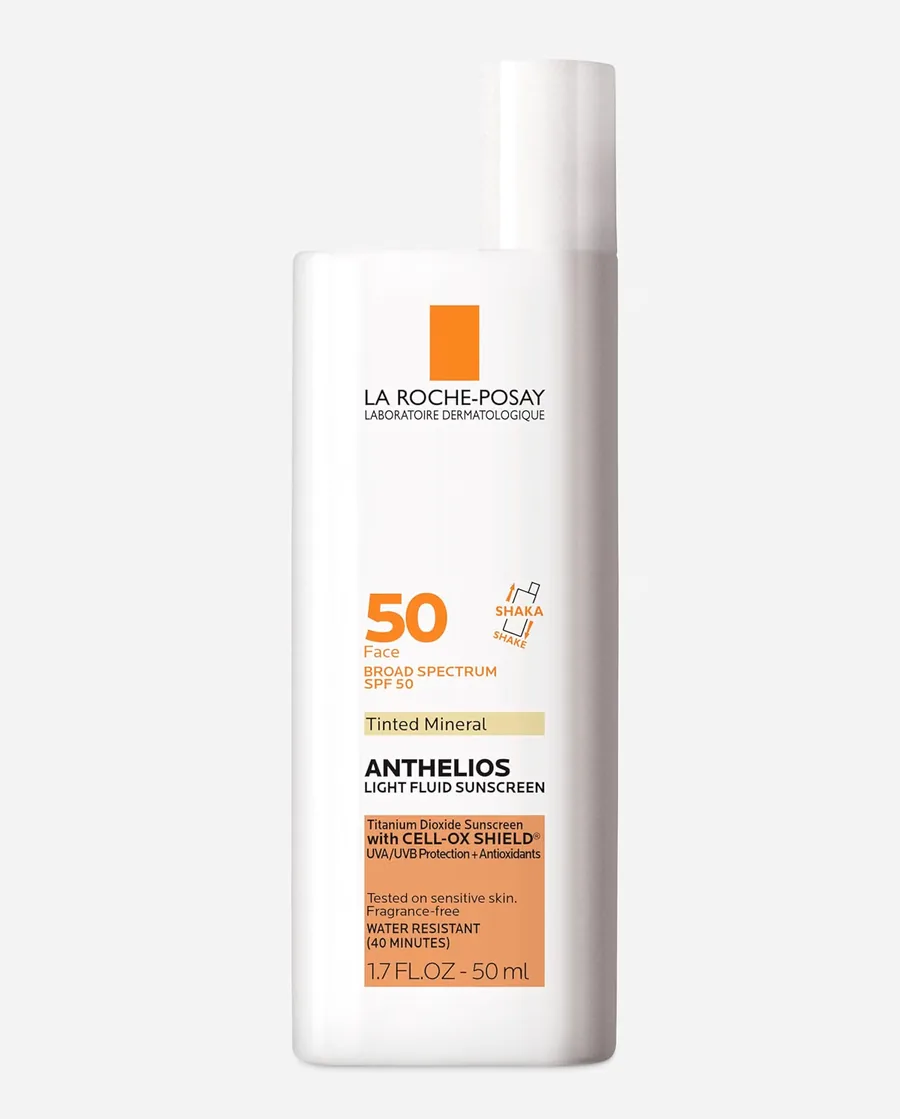
For daily sun protection, the La Roche-Posay Anthelios Sunscreen may be suitable for limiting ongoing UV exposure as part of a routine for uneven skin tone. (paid link)
Broad-spectrum means the sunscreen protects against both UVB and UVA rays; the American Academy of Dermatology recommends broad-spectrum, SPF 30 or higher, for daily use.
Application amount matters. Most people apply less than they think: the AAD recommends roughly a nickel-sized amount for the face alone.
Reapplication matters if you’re outdoors for extended periods, roughly every two hours, and after swimming or heavy sweating.
Sun protection isn’t only sunscreen. Seeking shade during peak hours and wearing a wide-brimmed hat or protective clothing can meaningfully add to what sunscreen alone provides.
To be clear: sunscreen does not remove dark spots or existing discoloration. What consistent daily use does is help reduce the ongoing UV exposure that can contribute to visible unevenness continuing to develop, which makes it one of the most useful long-term habits in this entire routine.
One option some people use for this step is the La Roche-Posay Anthelios UV Daily Invisible Sunscreen SPF 50, a broad-spectrum, SPF 50 daily facial formula. Whatever sunscreen you choose, the habit of applying it every morning is what actually matters.
Nighttime cleansing removes the day’s sunscreen, oil, and any makeup, which matters more consistently than morning cleansing does for most people. A gentle formula — nothing that leaves skin feeling raw or tight — is the right baseline here too.
02
Choose One Main Treatment
This is where routines for uneven tone tend to differ the most from person to person, and it’s worth resisting the urge to use every ingredient on this list at once. A few commonly used options include:
Niacinamide: generally well tolerated, often used across a range of skin types
Azelaic acid: commonly used for concerns involving uneven-looking tone and blemish-related discoloration, often considered gentler than some alternatives
Retinol or other retinoids: among the most studied ingredients for texture and tone over time, typically introduced gradually
Gentle AHAs, like a low-strength glycolic or lactic acid: used periodically rather than daily by most people
Which one makes sense for you depends on your skin type, sensitivity level, what’s already in your routine, the specific concern you’re addressing, and how your skin tends to tolerate new products. There isn’t a single ingredient that outperforms the others for everyone. This is a genuinely individual decision, and starting with one at a time makes it far easier to tell what’s actually helping.
03
Moisturizer
A nighttime moisturizer supports the skin barrier and can help maintain hydration and comfort while you sleep. This matters even more if you’re using an active ingredient like retinol or an AHA, since those can be drying or mildly irritating while your skin adjusts, and a supportive moisturizer helps offset that.
Ingredients Commonly Used for Uneven Skin Tone
Vitamin C
Vitamin C is an antioxidant that’s widely used in products aimed at brightening and supporting a more even-looking complexion. It’s popular partly because it fits into most routines without much disruption, but it isn’t a guaranteed fix, and results are gradual rather than immediate. As with any active ingredient, introducing it slowly and watching how your skin responds is more useful than assuming more is better.
Niacinamide
Niacinamide is a form of vitamin B3 that shows up in a wide range of products, from serums to moisturizers, and tends to be one of the more beginner-friendly actives available. It’s often discussed for its role in supporting the look of skin tone and texture, and it generally layers well with other ingredients. That said, it isn’t a cure-all, and how noticeable its effects are can vary quite a bit from person to person. Our niacinamide guide covers concentration and application in more detail.
Azelaic Acid
Azelaic acid is commonly used in skincare formulated for concerns involving uneven-looking tone and blemish-related discoloration. It’s often considered one of the gentler options on this list, including for people with sensitive skin, though “gentler” doesn’t mean it works instantly or the same way for everyone.
Retinol and Retinoids
Retinol and other retinoids are among the most studied ingredients for supporting skin texture and tone over time, but they come with a learning curve. Starting with a lower frequency (a couple of nights a week rather than nightly) gives your skin time to adjust and reduces the chance of dryness, peeling, or irritation. Consistent daily sun protection is especially important when using retinoids. This section isn’t a treatment plan for your specific skin; if you’re considering a retinoid and have questions about which strength or frequency makes sense for you, that’s a reasonable thing to ask a dermatologist.
AHAs
Alpha-hydroxy acids, including glycolic acid and lactic acid, are exfoliating ingredients that some people use to support a more even-looking texture and tone. They work by helping loosen the bonds between dead skin cells on the surface. Used too often, though, AHAs can cause irritation, and irritated skin tends to look more uneven, not less. That’s part of why frequency matters as much as the ingredient itself.
Ceramides and Moisturizing Ingredients
Ceramides, along with other barrier-supporting ingredients like hyaluronic acid and glycerin, play a hydration and comfort role rather than a pigment-correcting one. A stronger skin barrier tends to handle active ingredients better and looks more comfortable overall, which indirectly supports the rest of your routine. But these ingredients aren’t direct pigmentation removers, and it’s worth keeping expectations realistic about what they do.
Uneven Skin Tone vs Dark Spots
These two terms get used interchangeably, but they describe slightly different things, and the distinction can help you choose a more appropriate routine.
Concern
What It Usually Looks Like
Common Contributors
Routine Focus
Uneven skin tone
Broader variation in complexion — some areas duller, redder, or a different depth of color than others
Consistent sun protection, gentle cleansing, barrier support, optional brightening treatment
Dark spots
More localized, distinct patches of discoloration
Post-acne marks, sun exposure, past irritation to a specific area
Targeted treatment ingredients (vitamin C, azelaic acid, niacinamide), sunscreen to limit further darkening
In practice, the two often overlap: someone with several dark spots may also describe their overall tone as uneven, and that’s a normal way for this to present. The main takeaway is that “uneven skin tone” is the broader category, and dark spots are one specific way it can show up.
How to Choose Skincare Products for Your Skin Type
A routine for uneven tone still needs to work with your underlying skin type, or it won’t be comfortable enough to stick with.
Oily Skin
Lightweight, gel-based cleansers and moisturizers tend to feel more comfortable, and oil-free or gel-based sunscreens are usually easier to wear daily. Our oily skin routine guide covers this in more detail.
Dry Skin
Cream-based cleansers and richer, more emollient moisturizers generally hold up better here, since dryness can make skin look duller and more uneven in texture. See our dry skin routine guide for a fuller breakdown.
Combination Skin
A balanced, medium-weight cleanser and moisturizer is usually the most practical starting point, since combination skin doesn’t fit neatly into “oily” or “dry” product lines. Our combination skin routine guide walks through this in detail.
Sensitive Skin
Fragrance-free, minimal-ingredient formulas are typically the safer choice, and any new active ingredient — including the ones discussed above — is worth introducing more slowly than usual. Our sensitive skin routine guide goes deeper on this.
Normal Skin
Most gentle, well-formulated products will work reasonably well here, which gives more flexibility in choosing a treatment step. Our normal skin routine guide has more on building out a full routine.
Acne-Prone Skin
Non-comedogenic formulas matter more here, and it’s worth being especially patient with active ingredients, since acne-prone skin is also more likely to be dealing with post-breakout marks. Our acne-prone skin routine guide covers this combination in more depth.
Across every skin type, it’s worth repeating one point: stronger products are not automatically better. A well-tolerated routine you actually stick with will generally outperform an aggressive one you keep having to pause because your skin is reacting.
Common Mistakes That Can Make Uneven Tone Harder to Manage
Some habits tend to work against progress more than people realize:
Skipping sunscreen: inconsistent use undercuts nearly everything else in the routine
Over-exfoliating: more frequent exfoliation doesn’t speed up results and often causes irritation instead
Harsh scrubbing: physical scrubs or aggressive washing can irritate skin that’s already sensitive to discoloration
Using too many actives at once: combining vitamin C, retinol, and an AHA together, for example, is a common way people end up with irritated, reactive skin
Changing products too frequently: switching every week or two makes it impossible to tell what’s actually working
Introducing several new products at once: this makes it hard to identify what’s helping or what’s causing a reaction
Picking at breakouts: this can prolong healing and, for some people, increase the chance of lingering marks
Expecting overnight results: skincare works gradually, and judging a product after a few days sets you up for disappointment
Ignoring irritation: redness, stinging, or new sensitivity after starting a product are signals to simplify, not push through
Using harsh DIY remedies: lemon juice and similar acidic, unregulated remedies applied directly to facial skin can cause irritation, sensitivity to sun, and in some cases make discoloration worse rather than better; these are best avoided entirely
How Often Should You Exfoliate?
There’s no single exfoliation schedule that applies to everyone, and that’s genuinely fine. How often you should exfoliate depends on the type of exfoliant you’re using, the specific product’s directions, how sensitive your skin tends to be, what other active ingredients are already in your routine, and how your skin has tolerated exfoliation in the past.
The most important thing to understand is that more exfoliation does not automatically mean faster improvement. Past a certain point, additional exfoliation just adds irritation, which tends to set back the appearance of your skin tone rather than helping it. Following the product’s instructions and paying attention to how your skin responds is a better guide than any fixed weekly number.
How Long Does It Take to Improve Uneven Skin Tone?
There’s no fixed timeline here, and any claim promising results in an exact number of weeks deserves some skepticism. How long it takes (and how much visible change to expect) depends on a mix of factors: what’s driving the unevenness in the first place, how consistent you are with the routine, ongoing sun exposure, whether your skin experiences irritation along the way, your individual skin sensitivity, which ingredients you’re using, and how persistent or severe the discoloration is to begin with.
Some people notice gradual changes in look and feel within a few weeks of daily sunscreen and a consistent routine. Others, particularly with more established discoloration, may need several months of consistent care to see a meaningful difference. In some cases, skincare alone may only partially address the concern. Consistency tends to matter more than any single product choice.
A Simple Beginner Routine
If all of this feels like a lot, here’s the version to actually start with.
AM
Cleanser → Moisturizer → SPF
PM
Cleanser → Moisturizer
That’s it. No treatment step required to begin. Once this feels comfortable and your skin isn’t reacting to anything: no tightness, no unexpected breakouts, no irritation. At that point, you can consider adding one treatment ingredient at a time, based on what you’re trying to address. Give any new addition several weeks before deciding whether it’s helping, and introduce only one new product at a time so you can actually tell what’s doing what.
When to See a Dermatologist
Skincare routines can support a more even-looking complexion over time, but they aren’t a substitute for professional evaluation in certain situations. It’s worth checking in with a dermatologist or other qualified healthcare provider if you notice:
Discoloration that’s persistent or doesn’t respond to a consistent, reasonable routine
Pigmentation that appears to be worsening over time
Spots or patches that are changing rapidly in size, shape, or color
New, unusual pigmentation you haven’t seen before
Significant irritation that doesn’t calm down after simplifying your routine
Concerns about melasma or another underlying skin condition
General uncertainty about what’s actually causing your specific discoloration
None of this is meant to be alarming. Most day-to-day unevenness is manageable with consistent basic care. But a dermatologist can look at your specific skin and offer guidance that a general article like this one simply isn’t able to.
FAQ
A simple routine works best for most people: gentle cleanser, moisturizer, and daily broad-spectrum SPF 30+ sunscreen in the morning, with cleanser and moisturizer at night. One treatment ingredient (such as vitamin C, niacinamide, or azelaic acid) can be added once the basics feel comfortable.
Sunscreen doesn’t remove existing discoloration, but consistent daily use of a broad-spectrum SPF 30 or higher can help limit the ongoing UV exposure that commonly contributes to new or worsening unevenness.
Vitamin C is a commonly used antioxidant in brightening-focused skincare and may support a more even-looking complexion over time, though results are gradual and vary by person. It isn’t a guaranteed fix.
Niacinamide is generally well tolerated and widely used across different skin types, including for concerns around tone and texture. It works best as part of a consistent routine rather than a standalone solution.
Exfoliation can be part of a routine, but frequency depends on the product, your skin’s sensitivity, and what else you’re using. Over-exfoliating tends to cause irritation, which can make skin look more uneven rather than less.
Breakouts can leave behind temporary discoloration once they heal, sometimes called post-acne marks, which is one common contributor to an uneven-looking complexion for some people.
Uneven skin tone refers to broader variation across the complexion, while dark spots are more localized, distinct areas of discoloration. The two often overlap.
Retinol is one of the more studied ingredients for supporting skin texture and tone over time. It’s typically introduced gradually, a couple of nights a week at first, and should be paired with daily sunscreen since it can increase sun sensitivity.
As few as three: a gentle cleanser, a moisturizer, and daily sunscreen. A single treatment ingredient can be added once that basic routine feels comfortable. You don’t need several active ingredients at once.
Consider a dermatologist visit if discoloration is persistent, worsening, changing rapidly, or unusual, or if you’re dealing with significant irritation or uncertainty about the underlying cause.
Read our Review Policy for a plain explanation of what our review process does — and doesn't — mean for health-adjacent content.
Sources & Further Reading
This article is for general informational purposes and isn’t a substitute for personalized advice from a board-certified dermatologist or other qualified healthcare provider. It doesn’t diagnose, treat, cure, or prevent any skin condition or disease. Everyone’s skin is different, and what works well for one person may not work the same way for another. If you have persistent, worsening, or unusual pigmentation, please consult a dermatologist.