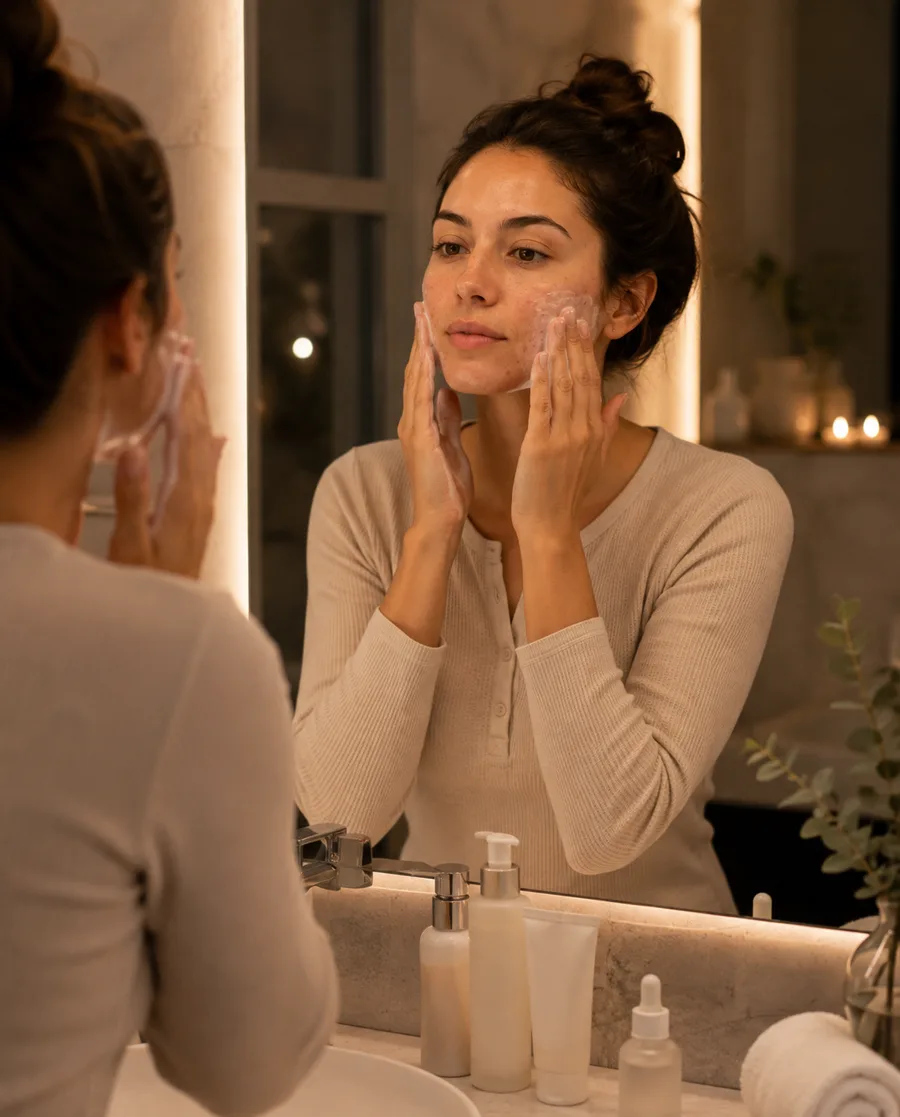
If you’ve dealt with breakouts for more than a few weeks, you’ve probably already tried a handful of things. Maybe you picked up a new cleanser because an ad promised clearer skin in days. Maybe you added a spot treatment, then a toner, then a serum, and somewhere in there your skin started looking worse instead of better. That cycle is incredibly common, and it’s usually not because you’re doing something obviously wrong — it’s because acne-prone skin tends to react badly to too many products layered on top of each other, especially when several of them are actives.
If you’re just getting your skincare footing in general, our beginner skincare guide is a good place to start before layering on acne-specific treatment. A skincare routine for acne-prone skin doesn’t need to be complicated to be effective. In most cases, a short, consistent routine — the same handful of steps, done daily, for weeks rather than days — does more than a rotating cast of new products. This guide walks through a simple AM and PM routine, explains which ingredients tend to help and which ones can cause irritation, and covers the situations where it’s worth talking to a dermatologist instead of troubleshooting on your own.
Nothing here is meant to replace medical advice, and there’s no single acne-prone skin routine that works identically for everyone. Think of this as a reasonable starting framework you can adjust based on how your skin actually responds.
Your Acne-Prone Skin Routine in 60 Seconds
Morning
Gentle cleanser
Optional acne treatment
Moisturizer
Broad-spectrum SPF 30+
Night
Gentle cleanser
Acne treatment
Moisturizer
Introduce one active ingredient at a time and give your skin a few weeks to adjust before adding another.
Quick Answer: What’s the Best Skincare Routine for Acne-Prone Skin?
Morning (AM):
Gentle cleanser
Optional acne treatment
Moisturizer
Broad-spectrum SPF 30+
Night (PM):
Gentle cleanser
Acne treatment
Moisturizer
That’s the whole framework. Treatment steps aren’t mandatory for every single person — some people manage occasional breakouts with just a gentle cleanser, a suitable moisturizer, and daily sunscreen. Others need a targeted ingredient like salicylic acid or benzoyl peroxide worked in gradually. What matters more than any specific product is keeping the routine simple enough to stick with and paying attention to how your skin responds before adding anything new.
What Is Acne-Prone Skin?
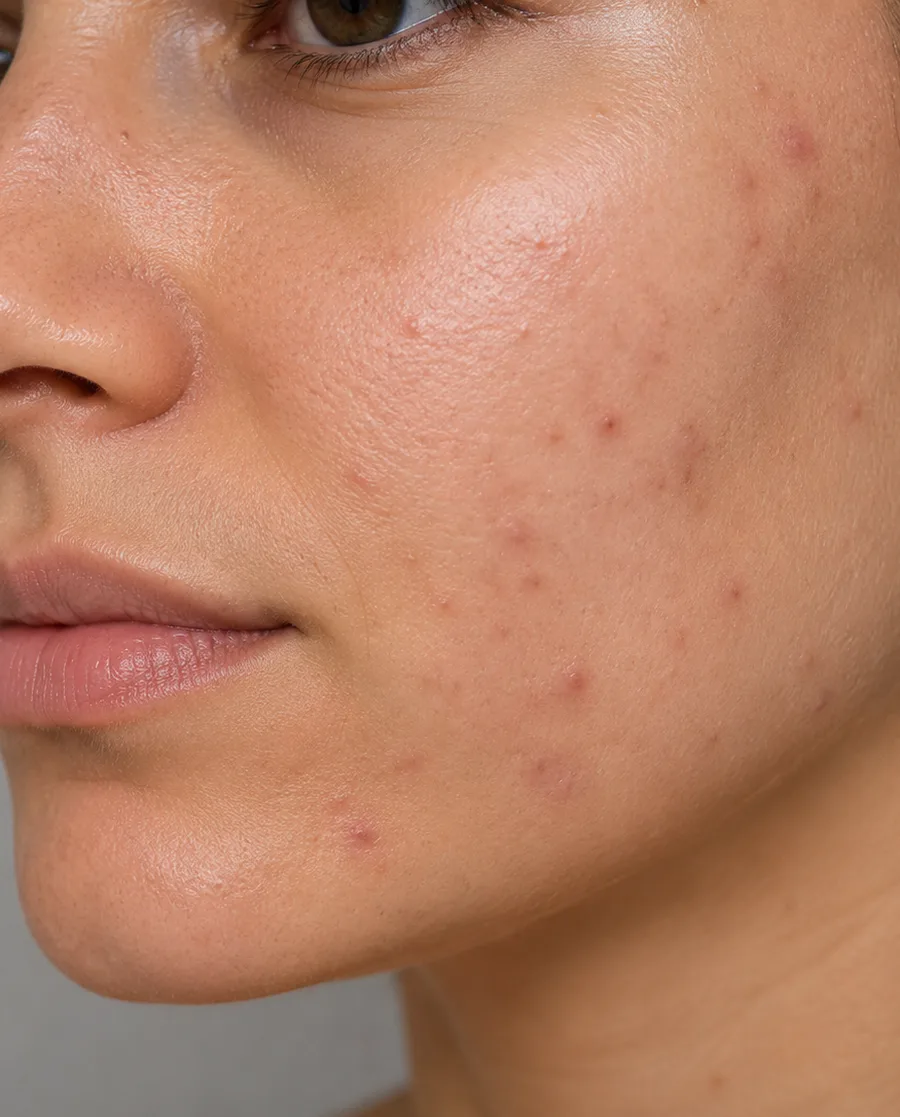
“Acne-prone skin” isn’t a formal medical diagnosis — it’s a general way of describing skin that tends to develop clogged pores and breakouts more easily than average. That can show up as blackheads, whiteheads, or more inflamed pimples, and it can range from occasional breakouts around your period to more persistent, widespread acne.
People with acne-prone skin often also deal with excess oil production, though not always. You can have acne-prone skin that’s also dry, sensitive, or a combination type. The label is really just shorthand for “skin that needs a bit more thought about which products go on it and how they’re introduced,” rather than a specific skin type on its own.
This isn’t only a teenage concern, either. Acne is common well into adulthood, and adult acne often shows up differently — think fewer widespread breakouts and more along the jawline and chin, frequently tied to hormonal fluctuations. The routine below applies whether you’re dealing with your first breakouts or acne that’s continued (or started) into your 20s, 30s, or beyond.
What Causes Breakouts?
Breakouts happen through a combination of factors, not one single cause. Here’s a general rundown of what’s typically involved:
Excess oil (sebum) production. Oil glands can produce more sebum than the skin needs, which contributes to clogged pores.
Dead skin cells. When they build up instead of shedding normally, they can mix with oil and block pores.
Clogged pores. This combination of oil and dead skin creates the environment where blackheads, whiteheads, and deeper breakouts form.
Bacteria. A type of bacteria naturally present on skin, Cutibacterium acnes, can contribute to inflammation once a pore is already blocked.
Inflammation. This is what turns a clogged pore into a red, sometimes painful pimple.
Hormonal changes. Fluctuations tied to puberty, menstrual cycles, pregnancy, or certain medical conditions can increase oil production and breakout frequency.
Certain products. Heavy, occlusive, or pore-clogging formulas can contribute to breakouts in some people, especially around the hairline or jaw.
Friction and occlusion. Tight hats, chin straps, phone screens against the cheek, and similar repeated friction can play a role in some cases (sometimes called “acne mechanica”).
Picking or squeezing. This doesn’t cause acne to start, but it can make individual breakouts worse and increase the chance of scarring.
Acne is not caused by “dirty skin,” and over-washing to compensate for that idea usually backfires. Diet’s relationship to acne is still an area of ongoing research — some people notice their skin reacts to specific foods, and that’s worth paying attention to individually, but there isn’t a single food that has been shown to cause acne for everyone. If you’re curious about a possible connection in your own case, that’s a reasonable thing to bring up with a doctor or dermatologist rather than eliminating entire food groups based on general claims online.
If oiliness is your bigger day-to-day frustration alongside the breakouts, our oily skin routine guide goes deeper on managing shine and oil control specifically. And if visible pores themselves are the main concern rather than active breakouts, our skincare routine for large pores focuses specifically on that.
Essential Products for Acne-Prone Skin
Before getting into specific treatment ingredients, it helps to get the basics right. These three categories form the backbone of almost any acne-prone skin routine.
Gentle Cleanser
The goal of cleansing acne-prone skin is to remove oil, sweat, and surface debris without stripping the skin or triggering irritation. That means:
Looking for a cleanser labeled gentle, non-stripping, or formulated for acne-prone or sensitive skin
Avoiding cleansers that leave your skin feeling tight, squeaky, or uncomfortably dry afterward
Skipping added fragrance if your skin tends to react to it
Using your hands rather than a rough washcloth or scrubbing brush, and avoiding hard scrubbing in general
As an Amazon Associate I earn from qualifying purchases.
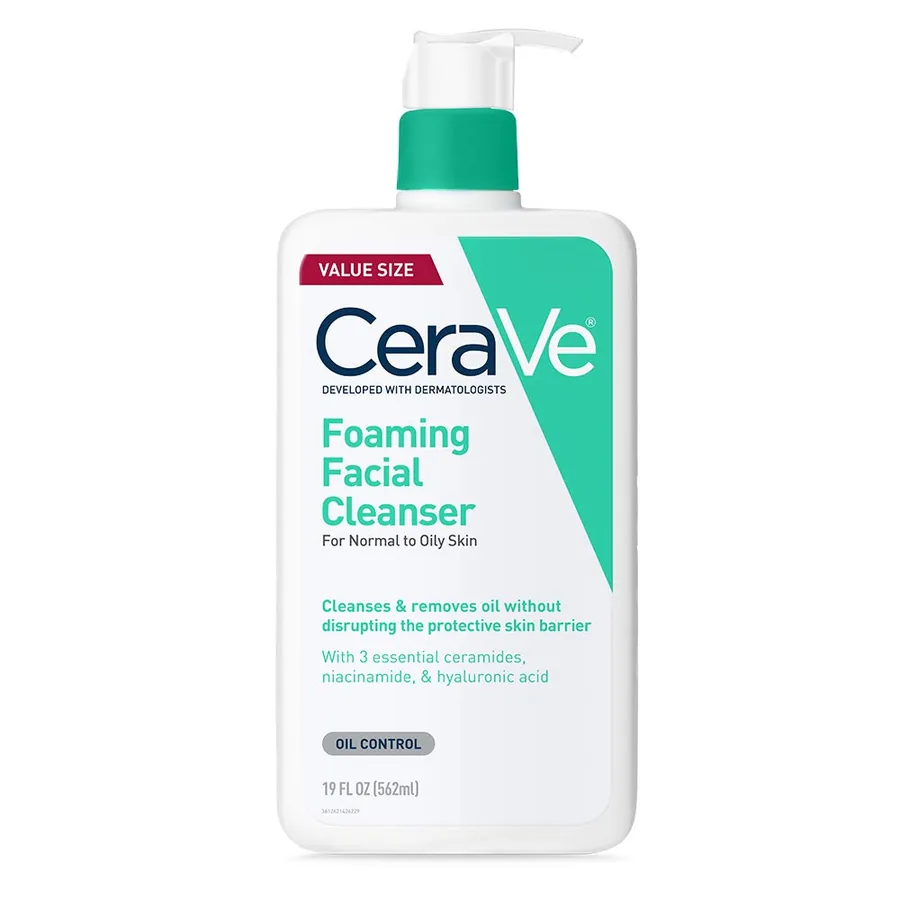
One option to consider is CeraVe Foaming Facial Cleanser, For Normal to Oily Skin — a gentle, non-stripping formula that’s often used as an everyday cleanser for acne-prone skin. It won’t cure or prevent breakouts on its own, but a gentle cleanser is a reasonable foundation to build a routine around.
Some people with acne-prone or oily skin skip moisturizer entirely, assuming it will make breakouts worse. In most cases, that’s counterproductive — when skin is stripped of moisture, it can respond by producing more oil, and a compromised skin barrier tends to tolerate acne treatments worse, not better.
On texture and formula:
A lightweight, gel-based, or “oil-free” formula is often more comfortable for oily or acne-prone skin, but that’s not a universal rule — some people with acne-prone skin that’s also dry or sensitive do better with a slightly richer, fragrance-free cream.
Fragrance-free options are worth considering if your skin is reactive.
The main job of moisturizer here is supporting your skin’s barrier, especially if you’re using drying treatment ingredients like benzoyl peroxide or retinoids.
There’s no single moisturizer texture that’s correct for every acne-prone person — it depends on your skin’s overall needs, not just the acne. See our guide to choosing a moisturizer for your skin type.
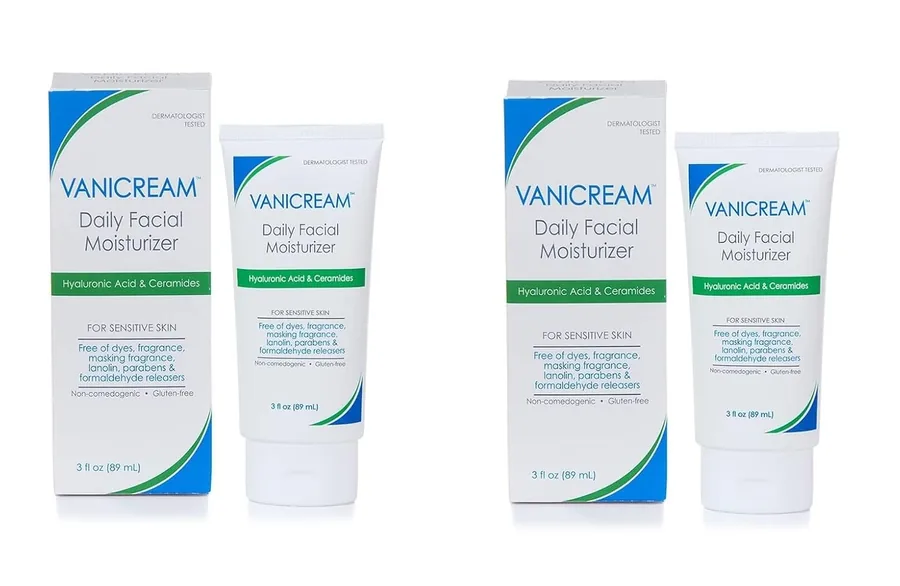
For a lightweight option, you might consider Vanicream Daily Facial Moisturizer — a fragrance-free, minimal-ingredient formula that can still be useful for acne-prone skin. Moisturizer isn’t a treatment, but individual tolerance varies, and skipping it entirely isn’t necessary for most people.
Daily sunscreen matters for everyone, but it’s especially relevant if you’re using acne treatments, since several of the most common ones (retinoids, benzoyl peroxide, some exfoliating acids) can make skin more sensitive to sun exposure. Sunscreen itself doesn’t automatically cause breakouts — a specific formula might not agree with your skin, but that’s a formulation issue, not a reason to skip SPF altogether.
Look for:
Broad-spectrum protection, meaning it covers both UVA and UVB rays
SPF 30 or higher
A texture and finish you’ll actually want to wear daily — mineral, chemical, tinted, or matte-finish formulas are all reasonable options depending on preference
Fragrance-free formulas if you’re sensitive to added scent
“Non-comedogenic” labeling can be a useful signal when choosing a sunscreen for acne-prone skin, but it isn’t a guarantee — formulas vary, and how a product performs on your specific skin is still something you have to test.
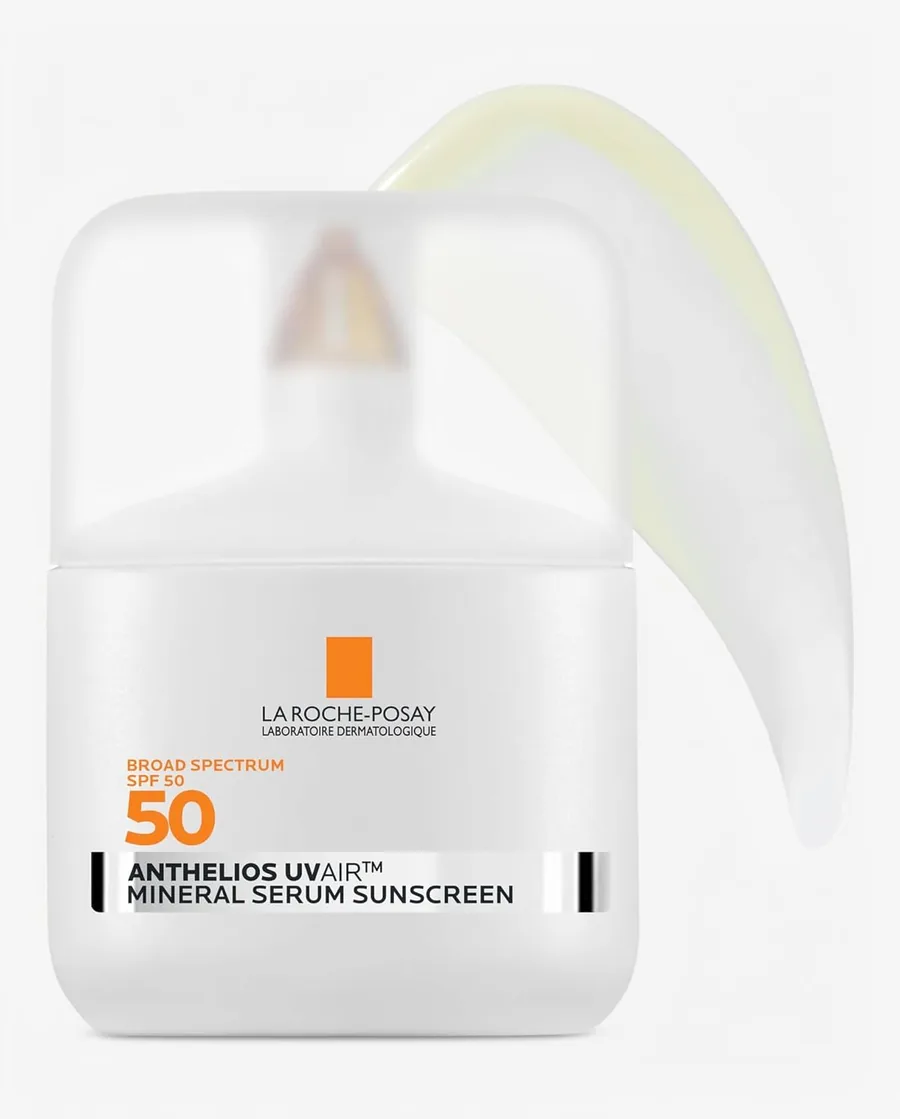
An example of a sunscreen option is La Roche-Posay Anthelios UVAir Mineral Serum Sunscreen SPF 50 — a broad-spectrum SPF 50 formula some people find comfortable to wear daily. It isn’t an acne treatment, and no single sunscreen suits everyone; it’s worth testing how a formula feels on your own skin.
Not everyone needs a dedicated treatment step, and not everyone needs the same one. This is where routines should be the most individualized, and it’s covered in more detail in the next section.
Ingredients Commonly Used for Acne-Prone Skin
Salicylic Acid
Salicylic acid is a beta-hydroxy acid (BHA) that’s oil-soluble, which lets it get into pores and help clear out the buildup of oil and dead skin that contributes to blackheads and whiteheads. It’s one of the active ingredients recognized in FDA’s over-the-counter acne treatment guidelines, and it’s commonly found in cleansers, toners, and leave-on treatments at concentrations typically between 0.5% and 2%.
It can cause dryness, flaking, or irritation, especially when you first start using it or if you use it too frequently. Most people do better introducing it a few times a week and building up gradually, rather than starting with daily use right away. When shopping in the US, the Drug Facts label on OTC acne products is worth a quick read — it lists the active ingredient, concentration, directions, and warnings, and it’s the same standardized format across drugstore brands.
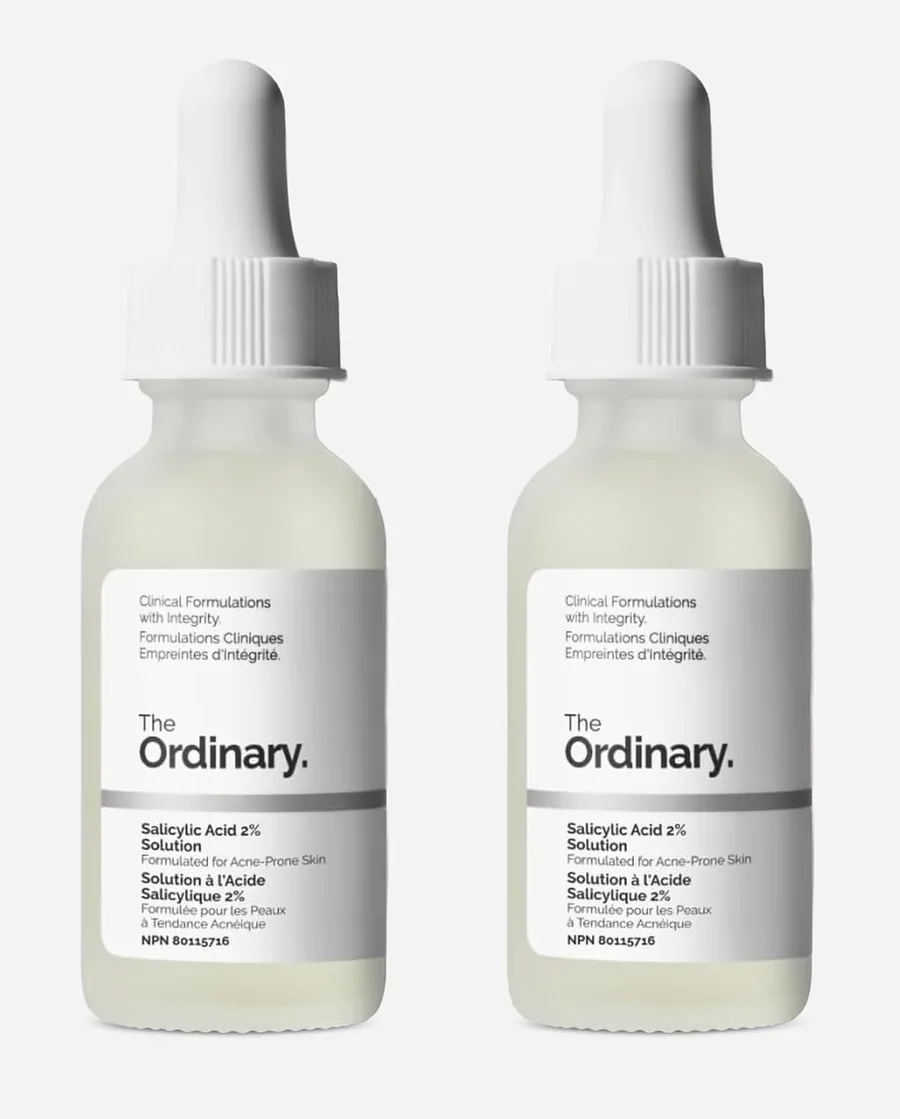
If you’re considering salicylic acid, one product option is The Ordinary Salicylic Acid 2% Solution — a leave-on treatment some people introduce gradually into a routine. It won’t definitely clear acne on its own, and it’s best introduced as a single active at a time rather than combined with other strong treatments right away.
Benzoyl peroxide is commonly used to target the bacteria involved in acne and reduce inflammation in existing breakouts. It’s available in a range of strengths, from lower-percentage over-the-counter formulas to prescription options.
On the downsides: it can cause dryness, peeling, and irritation, particularly at higher concentrations or with too-frequent use. It’s also known to bleach fabric and hair, so white towels and pillowcases (or being mindful about contact) are worth considering. As with salicylic acid, starting with less frequent use and paying attention to how your skin responds is a reasonable approach, rather than following an aggressive schedule you found online.
It’s also worth knowing that benzoyl peroxide can break down over time, especially with heat exposure. Storing products at room temperature or cooler (not in a hot car or a steamy bathroom shelf) and replacing them every few months, rather than using up a bottle over a year or more, is a simple precaution worth taking.
Adapalene / Retinoids
Retinoids — including adapalene, which is available over the counter in the US — are vitamin A derivatives that play a well-established role in acne treatment by helping normalize how skin cells shed, which reduces clogged pores over time.
Not all retinoids are the same. Adapalene is the retinoid available over the counter in the US and tends to be a bit gentler as a starting point. Tretinoin is a stronger topical retinoid used for acne, but it’s prescription-only in the US — something to know if you see it recommended online and wonder why it’s not sitting next to adapalene on a drugstore shelf. Retinol, a related but different ingredient found in many cosmetic anti-aging products, is generally weaker than either and isn’t primarily marketed as an acne treatment.
They commonly cause dryness, peeling, and irritation, especially in the first few weeks of use, which is why gradual introduction (sometimes starting a few nights a week rather than nightly) is a common approach. Pairing a retinoid with a supportive moisturizer and being diligent about daytime sunscreen is generally recommended, since retinoid-treated or otherwise irritated skin can be more vulnerable to sun exposure.
If you’re pregnant, trying to conceive, or breastfeeding, retinoid use is something to bring up with your dermatologist or obstetrician rather than deciding on your own. Many clinicians recommend pausing topical retinoids during pregnancy as a precaution, and guidance can vary based on the specific retinoid, your health history, and other individual factors — which is exactly why this isn’t a decision to make from a skincare article alone. In general, if you have questions about how a retinoid fits with your specific skin, medications, or health circumstances, a dermatologist is the right person to ask rather than relying on general online guidance.
Niacinamide
Niacinamide is a form of vitamin B3 that’s generally well tolerated and is often included in serums and moisturizers marketed toward acne-prone or oily skin. It’s sometimes associated with helping support the skin barrier and with a more even-looking skin tone over time, and some people find it helps their skin feel calmer alongside other acne treatments.
It isn’t a primary acne treatment on the level of salicylic acid, benzoyl peroxide, or retinoids, and it shouldn’t be expected to meaningfully clear active breakouts on its own. Most people tolerate it well, but as with any active ingredient, individual reactions vary — see our niacinamide guide for more.
Morning Skincare Routine for Acne-Prone Skin
Step 1 — Gentle cleanse. Wash with a mild, non-stripping cleanser to remove overnight oil buildup. Lukewarm water is generally more comfortable than hot.
Step 2 — Optional acne treatment. If your routine includes a lightweight morning treatment (some people apply a niacinamide serum here, for example), this is where it goes. Many acne treatments, like retinoids and benzoyl peroxide, are better suited to nighttime use.
Step 3 — Moisturizer. Apply a moisturizer suited to your skin’s needs while it’s slightly damp, which can help with absorption.
Step 4 — Broad-spectrum SPF 30+. Apply as the last step, generously, and reapply if you’ll be outside for an extended period. See our morning skincare routine guide for more.
Quick summary
Cleanse
Treat (optional)
Moisturize
Protect
Nighttime Skincare Routine for Acne-Prone Skin
Step 1 — Remove makeup and sunscreen. If you wore either during the day, a first cleanse (or a dedicated makeup remover) helps make sure your evening cleanser isn’t just working through a layer of product.
Step 2 — Gentle cleanser. Wash thoroughly but gently.
Step 3 — Acne treatment. This is typically when salicylic acid, benzoyl peroxide, or a retinoid gets used, depending on what your skin is already tolerating.
Step 4 — Moisturizer. Especially important on nights you use a drying treatment ingredient.
Combining acne actives — like a retinoid and benzoyl peroxide on the same night, or salicylic acid followed by a retinoid — can increase irritation for some people, though reactions vary and this combination is used in appropriate acne routines. Adapalene and benzoyl peroxide, for example, can be used together as part of a well-tolerated routine. If you’re new to actives or have sensitive skin, introducing them gradually, or using them at different times if you notice irritation, is usually the more comfortable approach.
Acne vs. Acne Marks vs. Scars
These terms get used interchangeably, but they’re different things:
Active acne refers to current breakouts — the inflamed, raised, or clogged spots that are actively present on the skin. Two common non-inflamed forms are whiteheads (closed, clogged pores) and blackheads (clogged pores open at the surface, where the trapped material darkens on exposure to air).
Post-acne dark spots (post-inflammatory hyperpigmentation) are flat marks left behind after a pimple heals, which are more common and more noticeable in darker skin tones.
Post-inflammatory redness is the pink or red flat mark left behind after a breakout heals, more visible on lighter skin tones.
Acne scars are actual changes in skin texture — indentations or raised tissue — caused by damage to deeper skin structures during severe or repeated breakouts.
Skincare products can sometimes help fade discoloration over time, but they generally can’t resolve textural scarring on their own. If scarring is a concern, that’s a conversation for a dermatologist, who can discuss options like professional treatments that address the deeper skin changes rather than just the surface.
It’s also worth knowing about “purging” — a temporary increase in small breakouts that some people experience when starting a new exfoliating or cell-turnover ingredient (like salicylic acid or a retinoid), as it speeds up the surfacing of clogs that were already forming under the skin. Purging is usually described as short-lived (a few weeks) and tends to happen in areas you already break out. A reaction that keeps getting worse, shows up in new areas, or doesn’t improve after several weeks is more likely a sign the product doesn’t agree with your skin than a “purge” — worth stopping the product and reassessing either way.
Acne-Prone + Sensitive Skin
It’s entirely possible to have skin that’s both acne-prone and sensitive — meaning it breaks out easily and also reacts to products with redness, stinging, or irritation. This combination calls for a more cautious approach than acne-prone skin alone.
A few adjustments that tend to help:
Keep the routine to fewer products overall, rather than adding several “helpful” extras
Introduce anything new even more slowly than the general tolerance guidance above suggests, sometimes starting once or twice a week
Choose a moisturizer that specifically supports the skin barrier, ideally fragrance-free
If a product consistently causes stinging, burning, or visible irritation, stop using it rather than pushing through in hopes it will “purge” and improve
If sensitive skin in general is more of your concern than acne specifically, our skincare routine for sensitive skin guide covers gentle, low-irritation routines in more detail.
Common Skincare Mistakes for Acne-Prone Skin
1
Using too many acne treatments at once
More active ingredients doesn’t mean faster results — it usually means more irritation.
2
Over-washing
Washing your face more than twice a day can strip your skin and trigger it to overcompensate with more oil.
3
Scrubbing aggressively
Physical force doesn’t clear pores any better than gentle cleansing, and it can create small tears in the skin barrier.
4
Skipping moisturizer
This is common when skin feels oily, but it often makes breakouts and irritation worse, not better.
5
Skipping sunscreen
Beyond the general skin health reasons, several acne treatments increase sun sensitivity.
6
Picking or squeezing pimples
This increases inflammation and the likelihood of lasting marks or scarring.
Things like straight lemon juice, baking soda, or toothpaste on breakouts tend to cause more irritation than benefit.
9
Expecting overnight results
Acne treatment is generally a matter of weeks, not days.
10
Introducing several new actives at the same time
If your skin reacts, you won’t know which product caused it.
Exfoliation and Acne-Prone Skin
Exfoliation isn’t automatically necessary for acne-prone skin, and for a lot of people, less is more here. If you’re already using salicylic acid, you’re already getting a form of chemical exfoliation, since that’s part of how the ingredient works.
Broadly, there are two categories: chemical exfoliants (like salicylic or glycolic acid) that dissolve the “glue” between dead skin cells, and physical exfoliants (scrubs, brushes, exfoliating pads) that manually remove them. For acne-prone skin, chemical exfoliation is generally considered gentler and more predictable, while physical exfoliation carries a higher risk of micro-tears and irritation, especially on skin that’s already inflamed.
There’s no universal rule for how often to exfoliate — it depends on the specific product, your skin’s tolerance, and what else is in your routine. What’s worth avoiding is stacking multiple exfoliating products (a scrub plus an acid toner plus a salicylic acid treatment, for example) without accounting for how much total exfoliation that adds up to.
Makeup Tips for Acne-Prone Skin
Look for makeup labeled non-comedogenic or oil-free if you find certain formulas tend to trigger breakouts, while keeping in mind that reactions are still individual.
Remove makeup thoroughly at the end of the day rather than sleeping in it.
Clean your makeup brushes and sponges regularly — they accumulate oil, bacteria, and product residue.
Avoid sharing makeup, especially anything that touches your face directly.
Replace makeup that’s past its shelf life, particularly cream and liquid products.
When your skin is actively irritated or breaking out significantly, consider simplifying your makeup routine rather than layering on extra products.
Things to Avoid
Harsh physical scrubs, especially on inflamed or actively breaking-out skin
Exfoliating too frequently or stacking multiple exfoliating products
Squeezing or picking at pimples
DIY remedies with no real evidence behind them for acne
Combining multiple strong actives (like a retinoid and benzoyl peroxide) in the same routine without easing into it
Constantly switching products before giving any of them a fair trial
Continuing to use a product that consistently causes significant irritation, redness, or breakouts
It’s worth noting that broad ingredient categories like alcohols, oils, or silicones aren’t inherently good or bad for acne-prone skin — the specific formulation and your individual skin’s response matter more than the general ingredient category.
When to See a Dermatologist
Skincare adjustments can genuinely help mild to moderate acne, but there are situations where it’s worth getting a professional opinion rather than continuing to self-treat:
Painful, deep, or cystic breakouts
Acne that persists for months without improvement despite a consistent routine
Breakouts that are widespread across the face, chest, or back
Visible scarring or a concern that scarring is developing
Acne that’s affecting your confidence, mood, or daily life
Any severe or unusual skin reaction to a product
A dermatologist can evaluate your specific skin, discuss your history and any medications, and recommend treatment options — including prescription-strength ingredients or procedures — that go beyond what’s available over the counter. This guide is meant to be a starting framework, not a substitute for that kind of individualized care.
Simple Acne-Prone Skin Routine — At a Glance
AM
Cleanse
Optional Treatment
Moisturize
SPF 30+
PM
Cleanse
Treatment
Moisturize
One habit worth carrying through the whole routine: add treatments one at a time and give your skin a few weeks to adjust before layering on another.
Product Checklist
Product
What to Look For
Cleanser
Gentle, non-stripping
Moisturizer
Comfortable, barrier-supporting
Sunscreen
Broad-spectrum SPF 30+
Acne treatment
Ingredient chosen for the specific concern
Optional treatment
Introduced gradually based on tolerance
Frequently Asked Questions
There isn’t one universal “best” routine, but a simple framework works for most people: a gentle cleanser, an optional or targeted acne treatment, a suitable moisturizer, and daily broad-spectrum sunscreen in the morning. Consistency with a small number of products tends to outperform frequently changing or overloading your routine.
Yes, in most cases. Skipping moisturizer can leave skin dehydrated, which may trigger more oil production and make it harder to tolerate acne treatments. A lightweight or gel-based formula is often comfortable for oily or acne-prone skin, though the right texture depends on your individual skin.
It depends on your skin’s tolerance and the product’s concentration. Many people start with a few times a week and increase frequency gradually, watching for dryness or irritation. Daily use works fine for some people and is too much for others.
They can be used together, but doing so increases the risk of dryness and irritation, especially when you’re just starting out. Many people find it more comfortable to alternate them or introduce one at a time before combining, rather than starting both simultaneously.
Yes. Adapalene, an over-the-counter retinoid, has a well-established role in acne treatment, and prescription retinoids like tretinoin are used similarly under a dermatologist’s guidance. Cosmetic retinol is generally weaker and less studied specifically for acne. Any of these typically need a gradual introduction due to dryness and irritation, along with daily sunscreen use.
Both are topical retinoids used for acne, but adapalene is available over the counter in the US while tretinoin requires a prescription. They aren’t interchangeable products — tretinoin is generally considered stronger and more irritating for many people, and switching between them isn’t something to do without guidance. Which one makes sense for you is a question for a dermatologist, not a personal experiment.
Purging is a temporary increase in breakouts, usually in areas you already break out, that can happen when starting an exfoliating or cell-turnover ingredient like salicylic acid or a retinoid — it’s generally short-lived, often clearing within a few weeks. If breakouts keep getting worse, spread to new areas, or don’t improve after several weeks, that’s more likely a sign the product isn’t agreeing with your skin, and it’s reasonable to stop using it.
Sunscreen itself doesn’t inherently cause breakouts, but a specific formula might not suit your skin — a heavy or occlusive texture, for instance. Looking for lightweight, fragrance-free, or non-comedogenic-labeled formulas can help, though no label guarantees compatibility with every skin type. Skipping sunscreen isn’t the solution, especially if you’re using acne treatments that increase sun sensitivity.
Often yes, though timing matters more than with some other combinations. Vitamin C is generally used in the morning while treatments like retinoids or benzoyl peroxide are used at night, which naturally separates them. If you want to use both in the same routine, introducing one at a time and watching for irritation is the safer approach.
Exfoliation isn’t mandatory, and it’s easy to overdo. If you’re already using a product like salicylic acid, you’re getting chemical exfoliation as part of that. Adding more exfoliating products on top increases irritation risk without necessarily adding benefit.
Yes. Daily broad-spectrum SPF 30+ matters for everyone, and it’s especially relevant if you’re using acne treatments, since several common ones increase sun sensitivity. Non-comedogenic formulas can be a helpful starting point when choosing one.
Dermatologists commonly advise giving a new product around 6 to 8 weeks of consistent use before judging whether it’s working. Switching sooner than that makes it hard to know if a product would have helped, and it can also increase irritation from constantly introducing new formulas.
Yes, it’s entirely possible to have both. This combination usually calls for fewer products, slower introduction of active ingredients, and closer attention to how your skin reacts, since sensitive skin has less tolerance for aggressive treatment.
Consider seeing one if your acne is painful, deep, widespread, not improving after a consistent routine, causing scarring, or affecting your quality of life. A dermatologist can evaluate your specific skin and offer treatment options beyond what’s available over the counter.
The Bottom Line
A simple, consistent routine — cleanser, treatment when needed, moisturizer, sunscreen — beats a crowded one for most people with acne-prone skin. Results take weeks, not days, and irritation is a sign to pare back rather than pile on. If breakouts are painful, persistent, or leaving lasting marks, that’s worth bringing to a dermatologist rather than solving through trial and error alone.
Read our Review Policy for a plain explanation of what our review process does — and doesn't — mean for health-adjacent content.
Sources & Further Reading
Medical Disclaimer: This article is for informational purposes only and is not medical advice. It doesn’t diagnose any skin condition or replace personalized care. Talk with a board-certified dermatologist about acne that’s painful, persistent, or affecting your quality of life.