Skincare Routine for Large Pores: A Simple AM & PM Guide
September 14, 2026
You’ve got a decent routine — cleanser, moisturizer, sunscreen most days. And yet up close, especially around your nose, cheeks, or T-zone, your pores are still very visible, and it’s starting to feel like you’re doing something wrong.
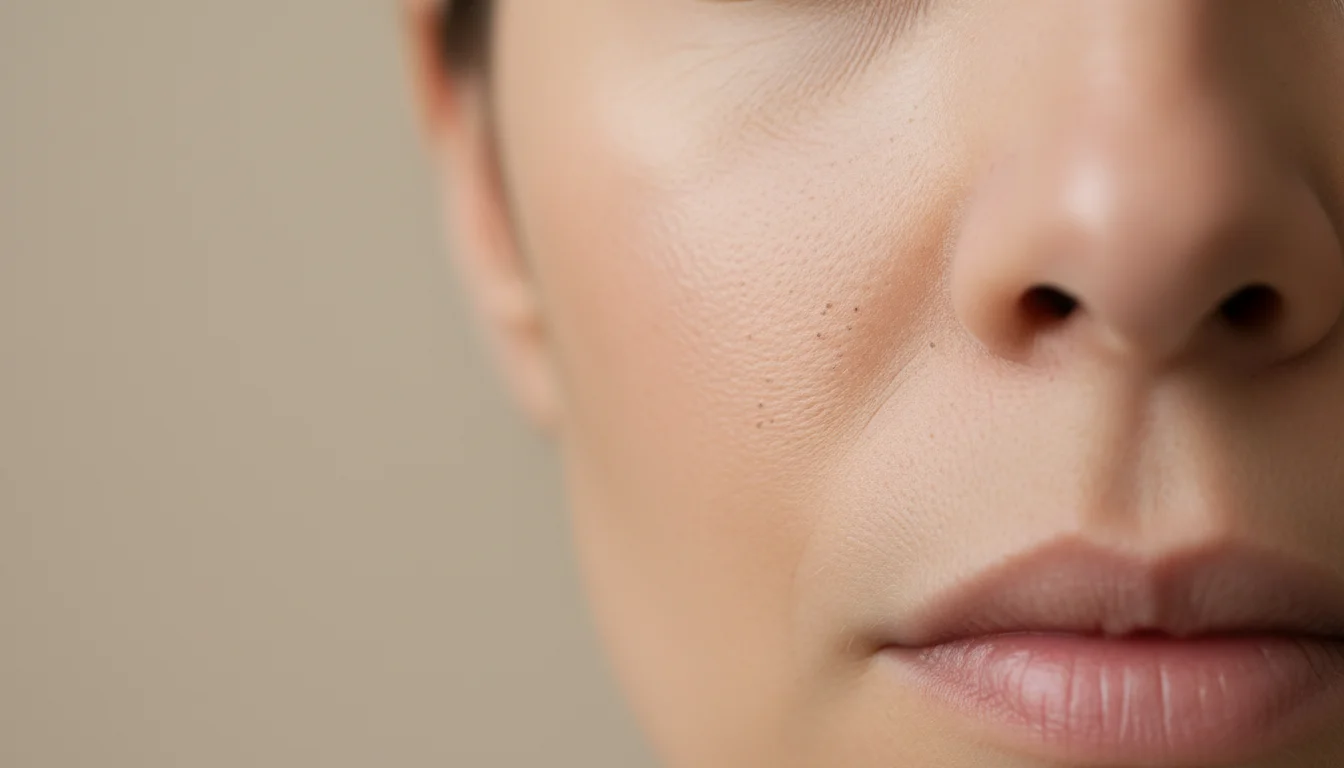
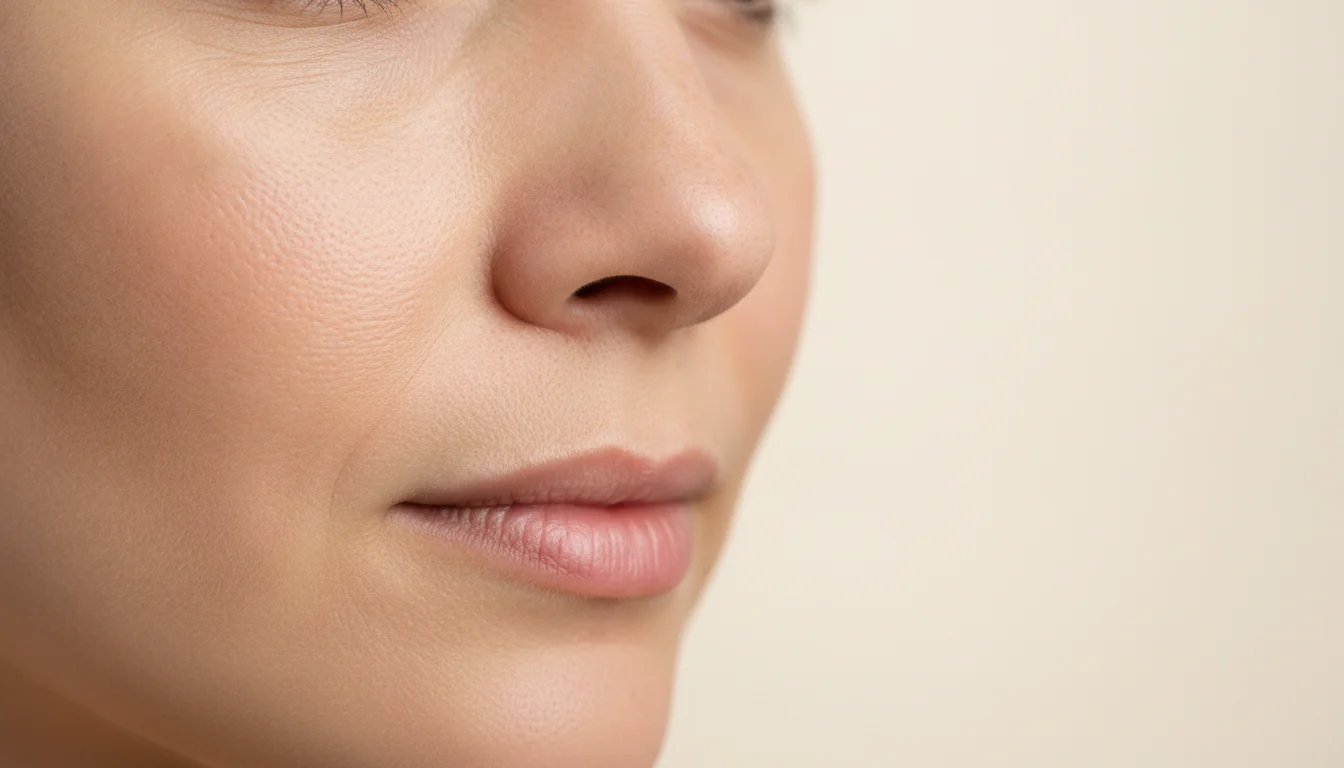
Probably not. A lot of what we think “good skin” should look like comes from filtered photos and skincare marketing shot from a distance under flattering light. Up close, pores are just part of how skin looks — on everyone.
Here’s the honest version: everyone has pores, visible pores are normal, and no product makes them disappear permanently. A consistent, gentle routine can help keep pores clear and reduce some of what makes them look more prominent — oil buildup, sun damage, dehydration.
A simple routine for large pores doesn’t need to be complicated. In the morning: a gentle cleanser or rinse, moisturizer, and broad-spectrum SPF 30+. At night: cleanser and moisturizer. From there, one targeted ingredient — salicylic acid, niacinamide, or a retinoid, depending on your skin and goals — can be added if there’s a specific reason to use it. More products isn’t automatically better, and stacking several actives at once is more likely to irritate skin than shrink pores.
Key Takeaways
Pores are normal, functional openings that can’t be permanently “closed” or erased by skincare.
Genetics strongly influence how noticeable your pores are.
Excess oil and clogged pores can make pores look more prominent, but oil itself isn’t a problem to eliminate.
Cumulative sun exposure and skin aging affect firmness and texture, making pores more visible over time.
A gentle cleanser, a suitable moisturizer, and daily sunscreen are the real foundation.
Targeted ingredients like salicylic acid, niacinamide, or a retinoid may help depending on why pores look prominent.
Over-exfoliating or layering multiple actives tends to backfire and make things look worse.
What Are Pores?
A pore is the visible opening of a hair follicle, which connects to a small oil-producing (sebaceous) gland beneath the skin. That gland releases sebum, which travels up and out to help keep skin lubricated and protected. Pores are more noticeable on the face — especially the nose, cheeks, and forehead — where oil glands are more active. Having visible pores doesn’t mean your skin is dirty or unhealthy; it means it’s doing what skin is supposed to do.
Why Do My Pores Look So Large?
Pore visibility usually comes from a combination of factors, some within your control and some not.
Genetics
Some people are simply more prone to visible pores, largely due to genetics, including oil gland and hair follicle size. Research on facial pores points to skin elasticity, sebum production, and follicle volume as the three main clinical factors — all of which vary naturally and aren’t changed by skincare.
Oil Production
Areas with more active oil glands — the nose, forehead, and chin — tend to show more visible pores. Oil itself isn’t the problem; it protects skin. But higher oil production is part of why the center of the face often looks more textured than the cheeks or jawline.
Clogged Pores and Buildup
When a pore fills with oil, dead skin cells, and sometimes product residue, it can stretch and look larger than it would otherwise. This is a normal buildup process, not a sign of “dirty” skin, and it’s why gentle, consistent cleansing helps more than aggressive scrubbing. It’s worth separating this from pore size itself: a visible or enlarged-looking pore isn’t automatically a clogged one. Most of what makes pores look bigger day to day is oil, texture, and structure — not a blockage. A clogged pore specifically means trapped debris inside the opening, which is a related but distinct concern.
Sun Exposure
Cumulative sun exposure breaks down collagen and elastin, the fibers that keep skin firm, over years. As that support weakens, skin loses some ability to hold pore openings taut, making them look more stretched out. This is part of why daily sunscreen is one of the more genuinely useful long-term habits — not because it shrinks pores directly, but because it limits further damage.
Age and Changes in Skin Firmness
As skin naturally loses firmness with age, pores can look more prominent simply because there’s less structural support holding surrounding skin taut — a normal, gradual part of aging, not a sign anything’s wrong.
Dry or Dehydrated Skin
Dryness and dehydration don’t make pores physically larger, but they can make overall texture — fine lines, rough patches, and pore appearance — more noticeable, especially in certain lighting. This is a common reason people mistake a hydration issue for a “large pores” issue; see our guides on a skincare routine for dry skin and dehydrated skin vs. dry skin.
Can You Actually Shrink Pores?
No — not permanently, and not in the way that phrase usually implies. “Shrink your pores” is one of the most common claims in skincare marketing, and it’s misleading taken literally.
Pores don’t have a muscle or mechanism that lets them physically shrink or seal shut. Their size is set by the structure of the follicle and gland beneath them, plus the factors above — genetics, oil, sun damage, skin firmness. Skincare works on the surface and, to a limited extent, the upper layers of skin; it doesn’t restructure the follicle itself.
What skincare can realistically do is affect what makes pores look more or less noticeable: reducing clogging, supporting a more even texture, and protecting against further sun damage. Dermatology sources are consistent here: treatments marketed to shrink or close pores aren’t considered very effective at changing actual pore size, and the more accurate framing is making pores look less noticeable.
A Simple Skincare Routine for Large Pores
Morning
Gentle cleanser or rinse
Optional targeted serum
Moisturizer
Broad-spectrum SPF 30+
Night
Cleanser
Optional targeted treatment
Moisturizer
That’s genuinely it. A beginner doesn’t need salicylic acid, niacinamide, a retinoid, and an exfoliating acid all at once — that combination is a common way people end up irritated, which makes pores look worse, not better.
Morning Skincare Routine for Large Pores
01
Cleanse Gently
A harsh or heavily stripping cleanser isn’t necessary for most people in the morning — it can work against you by disrupting your skin’s barrier. If your skin isn’t oily overnight, a rinse with lukewarm water, or a very gentle cleanser, is often enough. If you wake up with visible oil, a light cleanser makes more sense.
As an Amazon Associate I earn from qualifying purchases.
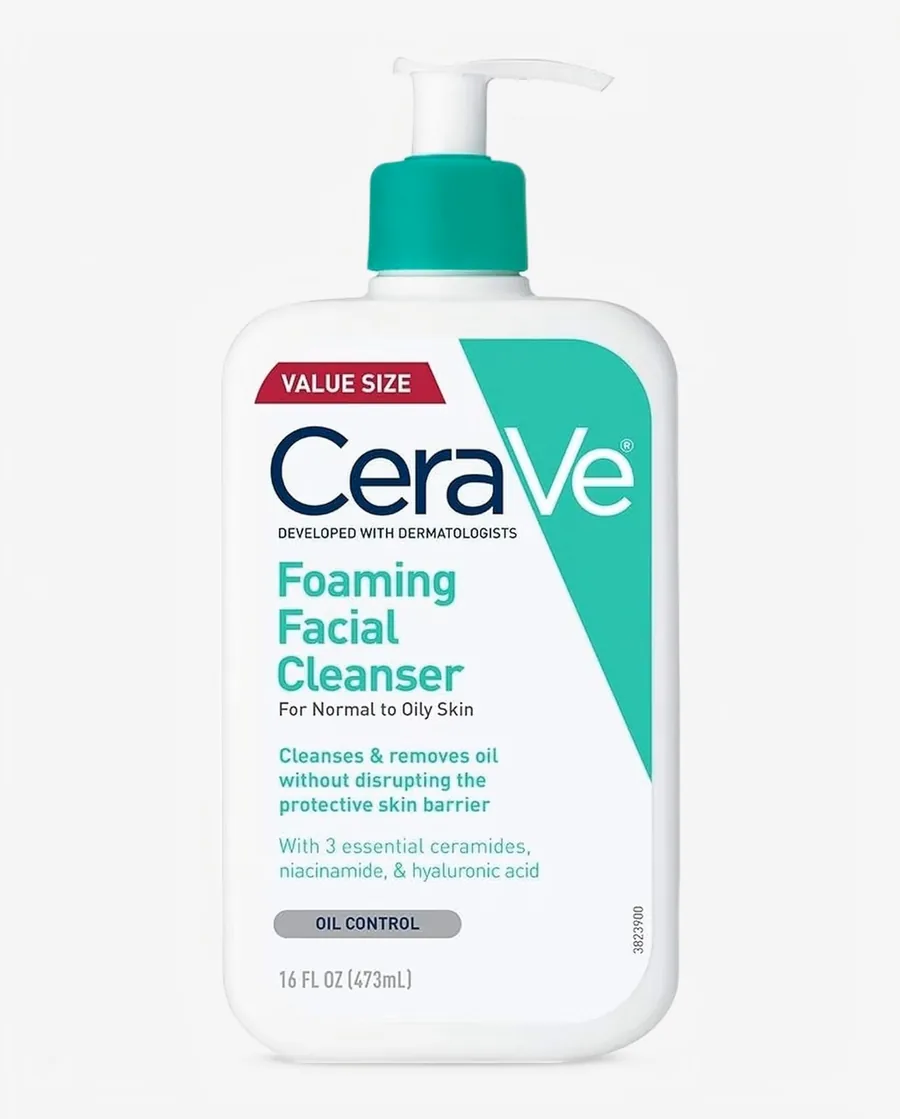
One option to consider is CeraVe Foaming Facial Cleanser — a gentle, foaming formula some people use as an everyday morning cleanser. A cleanser like this won’t change pore size on its own, but a gentle, non-stripping option is a reasonable foundation to build a routine around.
This is where an ingredient like niacinamide can fit, if you choose to use one. It has reasonable evidence for supporting oil regulation and barrier function, but it doesn’t permanently shrink pores. This step is genuinely optional.
03
Moisturizer
Skipping moisturizer can leave skin dry, tight, or irritated; having oily skin doesn’t necessarily mean moisturizer should be skipped. Instead, choose a moisturizer texture that suits your skin — a lighter, gel-based, or oil-free formula can feel more comfortable if you’re on the oilier side.
04
Sunscreen
Daily broad-spectrum SPF 30 or higher is one of the more genuinely useful habits for long-term texture, including pore appearance. “Broad spectrum” means protection against both UVA and UVB rays. Sunscreen doesn’t shrink pores directly, but it limits the collagen and elastin breakdown that makes pores and other texture concerns more noticeable over time.
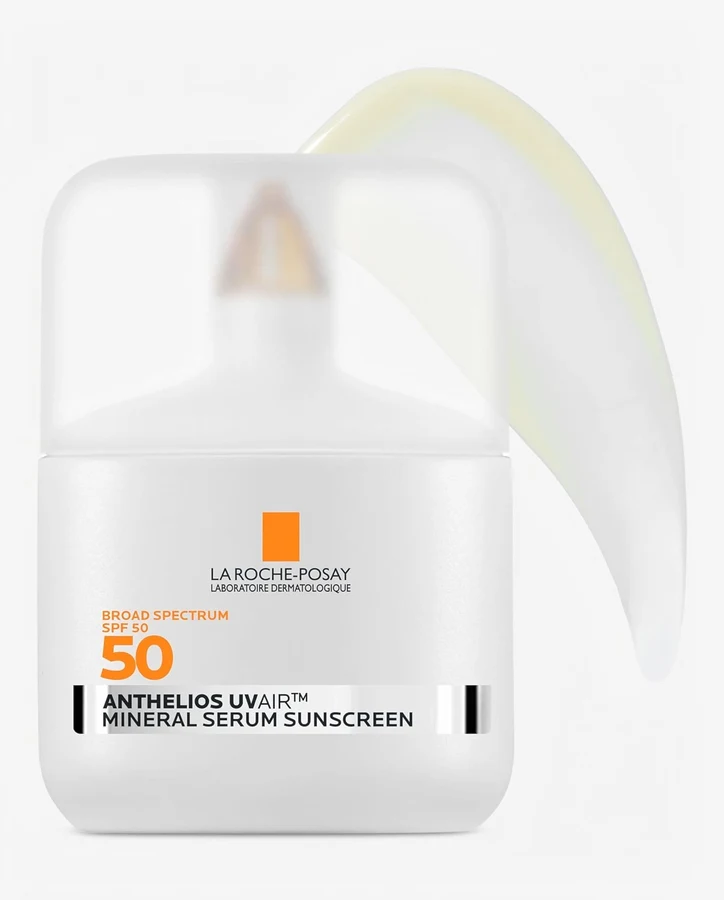
One option to consider is La Roche-Posay Anthelios UVAir Mineral Serum Sunscreen SPF 50 — a broad-spectrum mineral sunscreen formulated for daily wear. It won’t shrink pores, but daily sunscreen use is one of the more genuinely useful long-term habits for skin texture.
Evening cleansing removes the day’s sunscreen, makeup, oil, and general buildup. Double cleansing can help people who wear heavy makeup, but it isn’t required for everyone — a single, thorough cleanse is enough for a lot of people, especially with drier or more sensitive skin.
02
Optional Targeted Treatment
Nighttime can be a convenient time for targeted treatments. Retinoids are commonly used in the evening, while salicylic acid can be used according to the product directions and your skin’s tolerance. This is where one targeted ingredient — chosen based on what’s actually driving your pore concerns — tends to make the most sense. One, not several at once. Keep up with daily sunscreen regardless of which active you use.
03
Moisturizer
A moisturizer at night supports your skin barrier, which matters even more with an active in the mix. Some redness or mild peeling when starting something new is common, but it isn’t proof the product is “working” — it’s usually a sign to slow down.
Best Ingredients for the Appearance of Large Pores
There isn’t one universal “best” ingredient — the right choice depends on why your pores look prominent in the first place.
Salicylic Acid
Salicylic acid is a beta hydroxy acid (BHA). It’s oil-soluble, so it gets into the oil inside a pore rather than just working on the surface — part of why it’s often recommended for oily or clog-prone skin. OTC products are typically formulated between 0.5% and 2%. It’s most relevant if clogged pores, blackheads, or oiliness are your main concern; dry or sensitive skin can still use it, usually at a lower frequency, since it can be drying.
Niacinamide
Niacinamide (a form of vitamin B3) has real, if variable, evidence for reducing facial oil production and supporting the skin barrier, alongside general support for tone and texture. It is not shown to permanently shrink pores — its realistic role is supporting a less oily, more balanced-looking complexion, which can make pores look a little less prominent as a secondary effect. It’s generally well tolerated, including by sensitive skin.
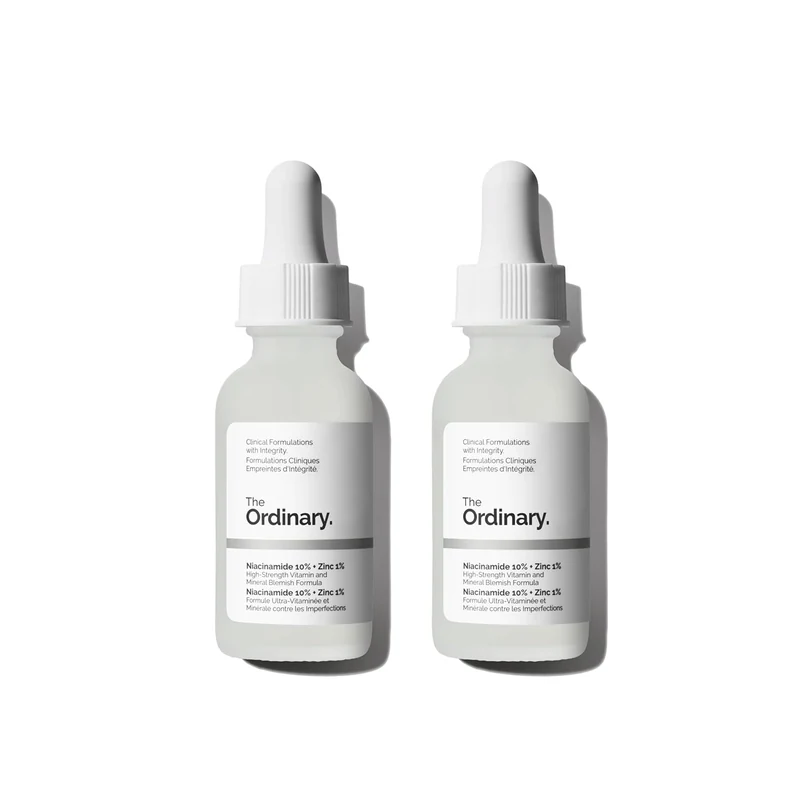
One option to consider is The Ordinary Niacinamide 10% — a widely used niacinamide serum some people add to a routine to support oil regulation and a more balanced-looking complexion. It won’t permanently change pore size, but it’s a reasonable way to try this ingredient.
Retinoids (over-the-counter retinol, or prescription tretinoin and adapalene) speed up cell turnover and support collagen production. Over time, this can improve overall texture, some signs of photoaging, and acne — which can make pores look somewhat less noticeable as a secondary benefit. They’re also one of the more irritating ingredients to introduce, so gradual use — a low-strength formula, every other night at first — is standard.
Topical retinoids and retinol products should be avoided during pregnancy. If you’re pregnant, trying to become pregnant, or breastfeeding, ask your OB-GYN or dermatologist which skincare ingredients are appropriate for you.
AHAs
Alpha hydroxy acids like glycolic and lactic acid are water-soluble and work mainly on the skin’s surface, loosening the bonds between dead skin cells. That makes AHAs more relevant to surface texture and dullness than to clogged pores specifically, since they don’t penetrate the oil-filled pore the way salicylic acid can. Combining multiple exfoliating acids at once is more likely to irritate than improve results.
Ceramides / Barrier-Supporting Ingredients
Ceramides are lipid molecules that occur naturally in skin and help it retain moisture and maintain its barrier. Look for them in a moisturizer, especially if you’re using an active like salicylic acid or a retinoid — a stronger, better-hydrated barrier tends to make actives more tolerable.
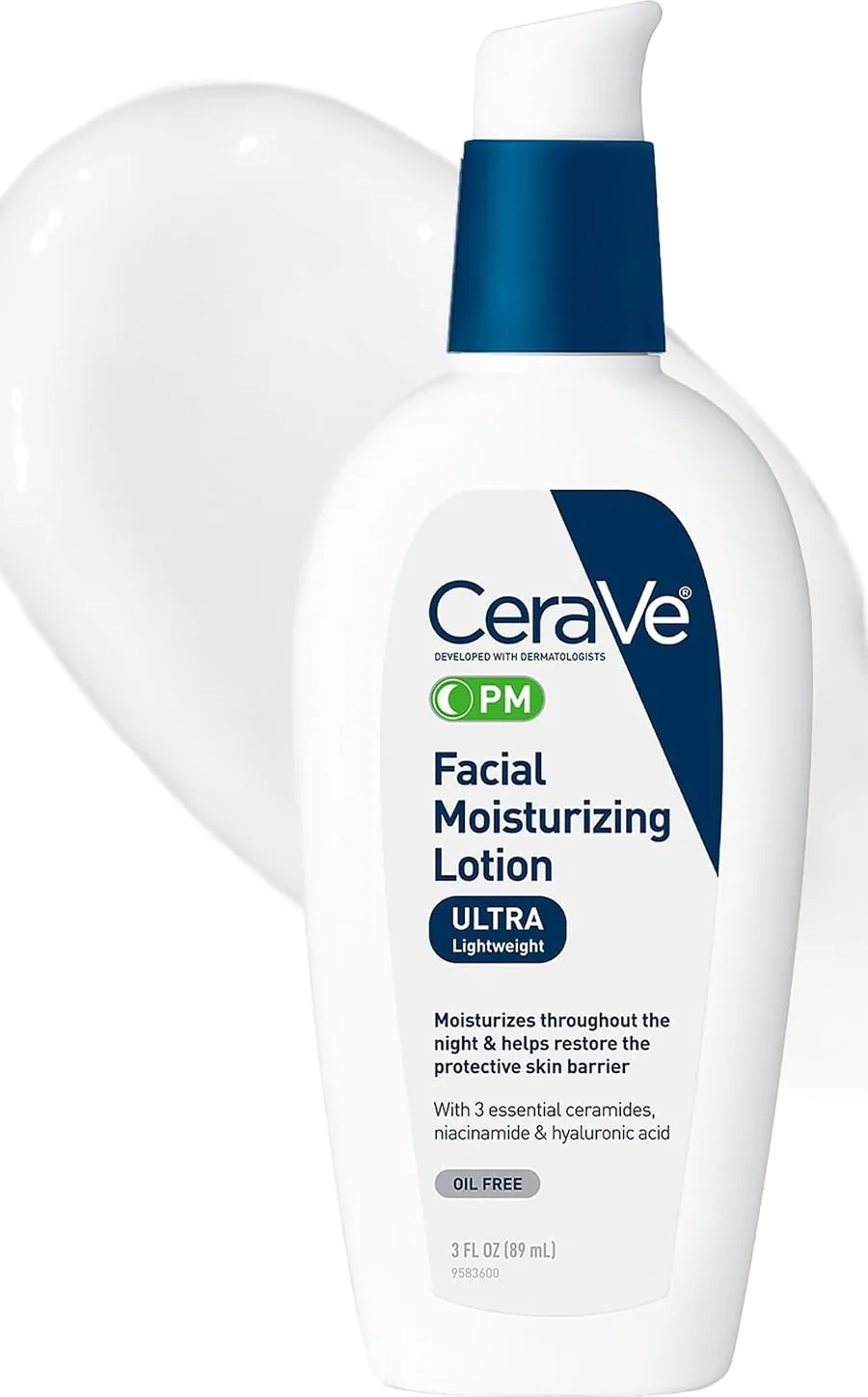
One option to consider is CeraVe PM Facial Moisturizing Lotion — a lightweight, ceramide-containing moisturizer some people use to support the skin barrier, including alongside an active ingredient like salicylic acid or a retinoid.
Salicylic Acid vs. Niacinamide vs. Retinoid: Which One Should You Choose?
Ingredient
May Be Most Relevant For
What It Does
Beginner Consideration
Salicylic Acid
Oily, clog-prone pores, blackheads
Oil-soluble BHA that gets into the pore to help clear oil and debris
Start a few times a week; can be drying on dry/sensitive skin
Niacinamide
Oil control, barrier support, tone/texture
Helps regulate sebum and support the skin barrier
Generally well tolerated; a reasonable starting point
Retinoid
Texture, acne, signs of photoaging
Speeds cell turnover, supports collagen
Introduce gradually; not for use during pregnancy
None of these is a universal winner. Oily, congested skin may lean toward salicylic acid; texture and fine-line concerns may get more from a retinoid; a gentler, broadly tolerated option might start with niacinamide. It’s also fine to use just one, indefinitely, without adding the others.
Best Moisturizer for Large Pores: What to Look For
Moisturizer doesn’t physically shrink pores — nothing applied topically changes the size of the follicle beneath them. But moisturizing is still one of the more useful things you can do for how your skin looks overall, including pore appearance: well-hydrated, comfortable skin tends to look smoother and less textured than skin that’s dry, tight, or irritated.
Having oily skin isn’t a reason to skip this step. Oily skin can still be dehydrated, and skipping moisturizer often leads to skin overcompensating with more oil rather than less. The fix isn’t skipping moisturizer — it’s choosing a texture that actually feels comfortable.
For oily or combination skin, a lightweight lotion or gel-cream tends to sit better than a heavy cream and won’t feel like it’s adding to existing shine. For dry or dehydrated skin, a richer formula that supports hydration and the skin barrier is generally more comfortable, and can help with the flakiness or rough texture that often makes pores look more noticeable in the first place. Our guide to choosing a moisturizer for your skin type goes into more detail on picking a texture and formula.
A few ingredients are worth looking for regardless of texture: ceramides and glycerin both support the skin barrier and help skin hold onto moisture, and hyaluronic acid can add a layer of surface hydration, which is especially useful if your skin runs dry or dehydrated. Niacinamide, covered above, is another ingredient some moisturizers include for its role in oil regulation and barrier support. A “non-comedogenic” label can be a genuinely useful signal that a product is formulated to be less likely to clog pores, but it isn’t a guarantee — it’s not a standardized or regulated claim, so how your skin responds still comes down to the specific formula and your own skin.
The CeraVe PM Facial Moisturizing Lotion mentioned above is one example of a lightweight, ceramide-containing option some people use for this reason. But the bigger point is simpler than picking a specific product: choose a texture based on how your skin actually feels, not based on a fear that moisturizer will make pores worse.
Best Skincare Routine for Oily Skin and Large Pores
Oily skin and visible pores frequently overlap, since active oil glands are part of what makes pores look larger. The instinct is often to strip oily skin — harsh cleansers, skipping moisturizer, over-exfoliating — but that tends to leave skin irritated and dehydrated rather than less oily. Harsh cleansing and over-exfoliating can damage the skin barrier, which often triggers more oil production rather than less; skipping moisturizer tends to do the same. A gentler, more consistent approach works better. See our skincare routine for oily skin for more.
A simple version of that routine looks like this:
Morning:
Gentle cleanser
Optional niacinamide serum
Lightweight, oil-free moisturizer
Broad-spectrum SPF 30+
Night:
Cleanser
Optional salicylic acid, or another targeted treatment suited to your skin’s tolerance
Moisturizer
Beginners don’t need to stack several active ingredients at once — one optional serum in the morning and one optional treatment at night is plenty to start with. Adding more doesn’t speed up results; it usually just increases the odds of irritation, which can make pores look more noticeable, not less.
Large Pores + Acne-Prone Skin
Visible pores, clogged pores, blackheads, active acne, and acne scarring are related but genuinely different. Visible pores are a normal structural feature; clogged pores and blackheads involve buildup inside that structure; active acne involves inflammation, often with bacteria; scarring is a longer-term texture change left behind afterward. Active, inflamed acne generally needs a different approach — often with a dermatologist’s input — than oiliness alone. Our skincare routine for acne-prone skin goes into more detail.
Large Pores + Rough Skin Texture
Pore visibility and rough texture often show up together, but they’re not the same issue, and fixing one doesn’t automatically fix the other. Texture can come from dead skin buildup, dehydration, sun damage, or product irritation, while pore visibility ties more specifically to oil, clogging, and skin firmness. See our skincare routine for rough skin texture for more.
Large Pores + Dry or Dehydrated Skin
Large pores aren’t just an oily-skin issue — they can be just as visible on dry or dehydrated skin, often because uneven texture and flakiness draw more attention to them. Exfoliating more aggressively because pores look prominent is usually the wrong move; dry and dehydrated skin generally needs gentler, more hydrating care instead. See our skincare routine for dry skin and dehydrated skin vs. dry skin guides for more.
Large Pores + Sensitive Skin
If your skin is sensitive, prioritize a gentle, minimal routine first — cleanser, moisturizer, sunscreen — before adding anything targeted at pore appearance. Introduce one active at a time, start with a lower frequency, and patch test new products. Stacking multiple exfoliants is a common way sensitive skin ends up irritated, which can make pore appearance look worse. If you notice persistent burning, stinging, or redness, stop and give your skin a break. See our skincare routine for sensitive skin for more.
Does Steam Open Your Pores?
Not literally. Pores don’t have a mechanism that lets them open and close like a door — their size is fixed by the surrounding skin structure, not temperature. Warm water or steam may loosen surface oil and debris, making cleansing feel easier, but there’s no meaningful evidence heat changes the actual structure of a pore.
Does Cold Water Close Pores?
No, for the same reason. Pores don’t have muscles that tighten in response to cold. A cold-water rinse might make skin feel temporarily tighter or look slightly less shiny, but that’s a superficial, short-lived effect — not a structural change.
What About Pore Strips?
Pore strips can genuinely remove some of the material sitting in a clogged pore or blackhead. What they can’t do is change the pore’s actual size, and any improvement is typically temporary, since pores tend to refill within a few weeks. They can also be rough on skin — pulling one off can irritate, and leaving one on too long or applying it to dry skin can pull away more than surface debris. Used occasionally, they’re not harmful for most people, but they’re not a long-term solution.
Common Mistakes That Can Make Pores Look More Noticeable
Over-cleansing. Washing too frequently or using a harsh cleanser can leave skin dry, tight, or irritated and disrupt the skin barrier.
Using harsh scrubs. Harsh, high-friction scrubs can irritate the skin and disrupt the skin barrier, potentially making texture and pore appearance more noticeable.
Over-exfoliating. Overusing an exfoliating acid can leave skin inflamed rather than smoother.
Using several strong actives at once. Combining salicylic acid, a retinoid, and an AHA is a common path to irritated, reactive skin.
Skipping moisturizer because skin is oily. Skipping it can leave skin dry, tight, or irritated — choose a texture that suits your skin instead of avoiding this step.
Skipping sunscreen. Unprotected sun exposure contributes to the breakdown that makes pores more prominent over time.
Picking or squeezing clogged pores. This can cause inflammation and, sometimes, lasting marks.
Constantly switching products. A few days isn’t enough time to see real results, and switching too often can itself irritate skin.
Expecting instant results. No product works overnight — marketing that claims otherwise is overselling what skincare can do.
Believing every dot on your nose is a blackhead. A lot of what people notice is actually a normal structure called a sebaceous filament — more below.
Are Those Blackheads—or Sebaceous Filaments?
Probably sebaceous filaments, especially if you’re seeing a consistent, evenly spaced pattern of small gray or tan dots rather than distinct dark bumps. Sebaceous filaments are a normal structure that lines your pores and helps oil travel to the surface — they’re not acne or a clog, since there’s no plug blocking the opening. Blackheads, by contrast, involve an actual plug of oil and dead skin that oxidizes and darkens.
Sebaceous filaments can’t be permanently removed — they’re a normal part of your skin’s structure, like pores themselves — but a consistent routine, including ingredients like salicylic acid, can make them somewhat less noticeable. Neither one is something to diagnose or treat aggressively based on appearance alone.
How Long Does It Take for Pores to Look Less Noticeable?
There’s no universal timeline, and it’s worth being skeptical of any product promising results in a specific number of days. How quickly pores look less noticeable depends on what is making them prominent and which treatment you use. Follow the product directions and give a consistent routine reasonable time before judging results — a product used reliably usually outperforms one used aggressively and abandoned after a week because it caused irritation.
When Should You See a Dermatologist?
A basic routine is enough for most pore-related concerns, but see a dermatologist for persistent or cystic acne, painful or inflamed lesions, scarring, ongoing irritation, or if a reasonable OTC routine isn’t helping after a few months. It’s also worth a visit for unusual skin changes, or if you’re interested in professional options like peels, lasers, or microneedling — these should be evaluated by a qualified provider based on your specific skin, not assumed appropriate for everyone.
If You Want to Keep It Simple
Morning
Gentle cleanse or rinse
Moisturizer
Broad-spectrum SPF 30+
Night: Cleanser
Moisturizer
That’s a complete, reasonable routine on its own. Once it feels stable, you can consider adding one optional targeted ingredient if there’s a specific reason to — persistent oiliness, clogged pores, or texture concerns, for example. If you’re starting from scratch, our skincare routine for beginners is a good place to build this foundation.
Large Pores Skincare Checklist
I cleanse without aggressively stripping my skin.
I use a moisturizer that fits my skin type, even on oilier days.
I wear broad-spectrum SPF 30+ daily.
I’m not stacking several exfoliating products at once.
I introduce new actives gradually, one at a time.
I avoid picking or squeezing my pores.
I understand that visible pores are a normal part of skin, not a flaw.
I judge my routine by realistic changes over weeks, not “poreless” results.
I give a new product a reasonable amount of consistent use, according to its directions, before deciding if it’s working.
I know when it’s worth seeing a dermatologist instead of troubleshooting alone.
Frequently Asked Questions
No. Pore size is set by genetics and skin structure. Consistent care can make pores look less noticeable by addressing oil, clogging, and texture.
The nose has more active oil glands than other areas, and more oil production is associated with more visible pores. Genetics plays a significant role too.
Not permanently. It has reasonable evidence for helping regulate oil and support the skin barrier, which can make pores look somewhat less noticeable — not a structural change.
It can help, particularly if oiliness or clogging is a major factor, since it’s oil-soluble and works inside the pore. It’s generally more useful for oily or acne-prone skin than for pores that look prominent mainly from dryness or sun damage.
It can help over time by supporting cell turnover and collagen, but this is a secondary effect of improved texture, and results vary.
No. Pores don’t have a mechanism to open or close in response to temperature. A cold rinse might make skin feel temporarily tighter, but it isn’t changing pore structure.
Not structurally. Warm water can loosen surface debris and make cleansing feel easier, but it doesn’t change pore size. Very hot water can also dry out and irritate skin.
It’s possible with certain heavy formulas, but moisturizer itself isn’t inherently pore-clogging, and many formulas are designed not to be. Skipping it to avoid this usually causes more problems than it solves.
There’s no single “best” product — the right choice depends on your skin type, not your pore size. A lightweight lotion or gel-cream tends to feel more comfortable for oily or combination skin, while a richer formula with ceramides or hyaluronic acid may suit dry or dehydrated skin better. A “non-comedogenic” label can be a helpful signal, though it isn’t a guarantee for every skin.
Yes. When oil, dead skin cells, and sometimes product residue build up inside a pore, it can stretch and look more prominent than it would otherwise. That’s different from having naturally visible pores, which are just a normal part of skin structure and genetics.
A simple, consistent one: gentle cleanser, moisturizer, and daily sunscreen in the morning, plus cleanser and moisturizer at night. Add one optional targeted ingredient based on your skin and goals.
Bottom Line
Pores are a normal, necessary part of your skin, and the goal was never poreless skin — that’s not a realistic target. A simple, consistent routine can realistically help keep pores clear and support smoother-looking, healthier skin over time. Start with the basics — cleanser, moisturizer, sunscreen — and add one targeted ingredient only if there’s a clear reason to. Give it time, stay consistent, and don’t judge your skin against a filtered photo.
Read our Review Policy for a plain explanation of what our review process does — and doesn't — mean for health-adjacent content.
Sources & Further Reading
Disclaimer: This article is for educational purposes only and is not a substitute for personalized medical advice, diagnosis, or treatment. If you have persistent, painful, worsening, or otherwise concerning skin symptoms, consider speaking with a board-certified dermatologist or another qualified healthcare professional.