Quick Answer: How Do You Improve Rough Skin Texture?
For most people, a simple routine is the best starting point: a gentle cleanser, a moisturizer suited to your skin, and a broad-spectrum sunscreen every morning. From there, an optional targeted treatment — such as a mild exfoliating acid or a product with niacinamide — can be added gradually, depending on your skin’s tolerance and what’s likely contributing to the roughness in the first place.
More active ingredients are not automatically better, and layering several exfoliants or treatments at once tends to backfire by irritating the skin, which can make texture look and feel worse rather than better. Since rough texture can come from dryness, dehydration, buildup, irritation, or acne-related changes, the right approach depends somewhat on which of these is actually going on for you.
Key Takeaways
- Rough skin texture has multiple possible causes, so there isn’t one universal fix that works for everyone.
- Gentle, consistent skincare is usually a better starting point than aggressive scrubbing or strong actives.
- Moisturizer matters even if your skin doesn’t feel obviously dry — it supports the skin barrier either way.
- Daily broad-spectrum sunscreen helps protect against cumulative UV-related changes to the skin’s surface.
- Exfoliation, when appropriate, should be introduced gradually rather than jumped into at full strength.
- Irritation from harsh products or over-exfoliating can make texture look or feel rougher, not smoother.
- Persistent, painful, or unusual skin changes are worth having evaluated by a dermatologist rather than self-treated indefinitely.
What Does “Rough Skin Texture” Mean?

“Rough skin texture” isn’t a single medical diagnosis — it’s a broad, everyday way of describing skin that feels uneven, slightly bumpy, or less smooth than you’d like under your fingertips or in good lighting. It can show up as small bumps, flaky patches, visible pores, or just a general “rough” feel that’s hard to pin down.
Some degree of texture is completely normal — skin isn’t meant to look perfectly flat or glass-smooth, and pores, fine lines, and small surface variations aren’t flaws to correct. What most people actually want to address is texture that feels rougher than their own baseline, not an unrealistic, airbrushed standard.
Rough, bumpy, flaky, and uneven texture can overlap, but they’re not identical:
| Concern | What it may feel/look like | Possible contributors |
|---|---|---|
| Dry/flaky texture | Tight, rough patches, visible flaking, dull surface | Low humidity, harsh cleansers, aging, under-moisturizing |
| Dehydrated-looking texture | Fine lines look more visible, skin looks tired despite normal oil levels | Low water content in the outer skin layers, environmental factors |
| Clogged or bumpy texture | Small bumps, congestion, uneven surface around pores | Buildup of dead skin cells, product residue, clogged pores |
| Acne-related texture | Active bumps, post-acne marks, uneven surface after breakouts | Inflammation, clogged follicles, past acne lesions |
| Irritation-related roughness | Redness, tightness, rough patches after using a product | Harsh actives, over-exfoliation, fragrance or alcohol-based products |
These categories often overlap — it’s common to have, say, dehydration and mild product-related irritation happening at the same time, which is one reason a single “miracle” product rarely solves rough texture on its own.
What Causes Rough Skin Texture?
Rough texture usually comes from one or more of the following, rather than a single dramatic cause:
- Dry skin — not enough oil or moisture, leaving the surface rough, tight, or flaky.
- Dehydration — low water content in the outer skin layers, even in skin that isn’t “dry” by type.
- Buildup of dead skin cells that don’t shed evenly, creating a rough or dull-looking surface.
- Over-cleansing, or washing with water that’s too hot, which strips the skin’s natural oils.
- Harsh or irritating products, including fragranced or alcohol-heavy formulas.
- Excessive exfoliation, which can damage the skin’s barrier and worsen texture rather than fix it.
- Environmental dryness — cold weather, low humidity, and indoor heating pulling moisture from the skin.
- Sun exposure, since cumulative UV exposure is associated with surface texture changes over time.
- Clogged pores from a buildup of oil, dead skin, and debris, often around the forehead, nose, and chin.
- Acne, both active breakouts and the skin’s healing process afterward.
- Inconsistent moisturizing, or using a moisturizer that doesn’t suit your skin.
- Friction or irritation from rough towel-drying, tight face coverings, or repeated touching.
- Naturally uneven texture — some people simply have more visible pores or texture, which isn’t a problem to fix; see our large pores guide if this is your main concern.
A note on medical conditions: some persistent bumps or rough patches are associated with specific skin conditions — keratosis pilaris is a common example, and it typically shows up as small, rough bumps, most often on the upper arms or thighs, caused by keratin building up around hair follicles (MedlinePlus; American Academy of Dermatology). Other conditions, like eczema or psoriasis, can also affect skin texture in certain areas. None of these should be assumed just because your skin feels rough — an accurate diagnosis requires an in-person clinical evaluation, not a guess based on how skin feels at home.
Your Simple Rough-Skin-Texture Routine

You don’t need a long routine to start addressing rough texture. Here’s a simple framework to begin with.
Morning
- Gentle cleanser or rinse — removes overnight buildup without stripping the skin.
- Optional hydrating or targeted serum — can add moisture or address a specific concern, but isn’t required.
- Moisturizer — supports the skin barrier, which matters for texture whether or not your skin feels dry.
- Broad-spectrum sunscreen SPF 30+ — protects against UV exposure, which contributes to long-term texture changes.
Some links on this page are affiliate links. We may earn a commission from qualifying purchases at no extra cost to you. As an Amazon Associate I earn from qualifying purchases.
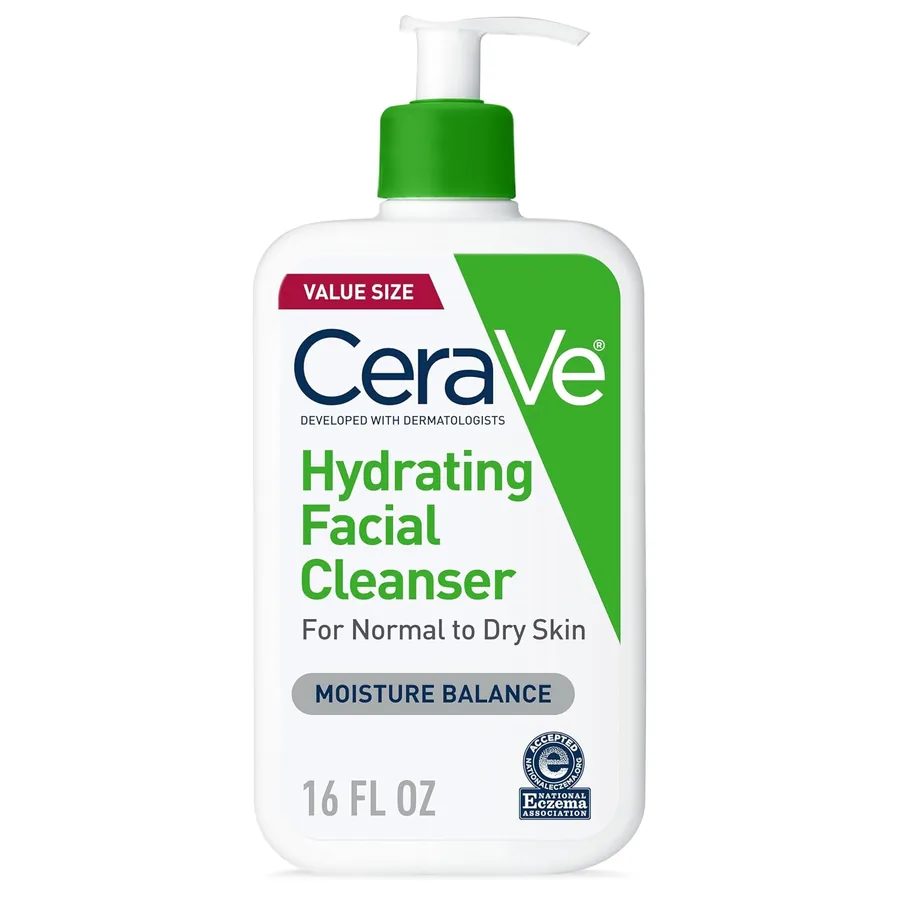
Product example: CeraVe Hydrating Facial Cleanser is a gentle cleanser option that may fit a simple routine when avoiding overly harsh cleansing.
View on Amazon →
(paid link)
Night
- Gentle cleanser — removes the day’s sunscreen, oil, and debris.
- Optional treatment — a single targeted product, such as a mild exfoliant or niacinamide, if your skin tolerates it.
- Moisturizer — helps the skin recover overnight.
Beginners genuinely don’t need multiple treatment products layered together. One optional active at a time, introduced slowly, is enough to start — adding several exfoliants, retinoids, and acids all at once is one of the more common ways people accidentally make their skin more irritated and rougher-feeling.
Morning Skincare Routine for Rough Texture
Morning cleansing is mainly about removing overnight oil, sweat, or product residue — it doesn’t need to be a deep or aggressive process. A gentle rinse or mild cleanser is enough for most people; over-cleansing or scrubbing can strip the skin and contribute to the exact roughness you’re trying to fix.
A moisturizer suited to your skin type matters here even if your skin doesn’t feel dry, since it supports the barrier that affects how smooth the surface feels day to day.
It’s worth being accurate about what sunscreen does: it doesn’t “smooth” existing texture. It protects the skin from ongoing UV exposure, which is associated with cumulative surface changes over time (FDA). Daily broad-spectrum SPF 30+ matters even more if you’re using exfoliating acids or retinoids, since both can increase sun sensitivity (American Academy of Dermatology).
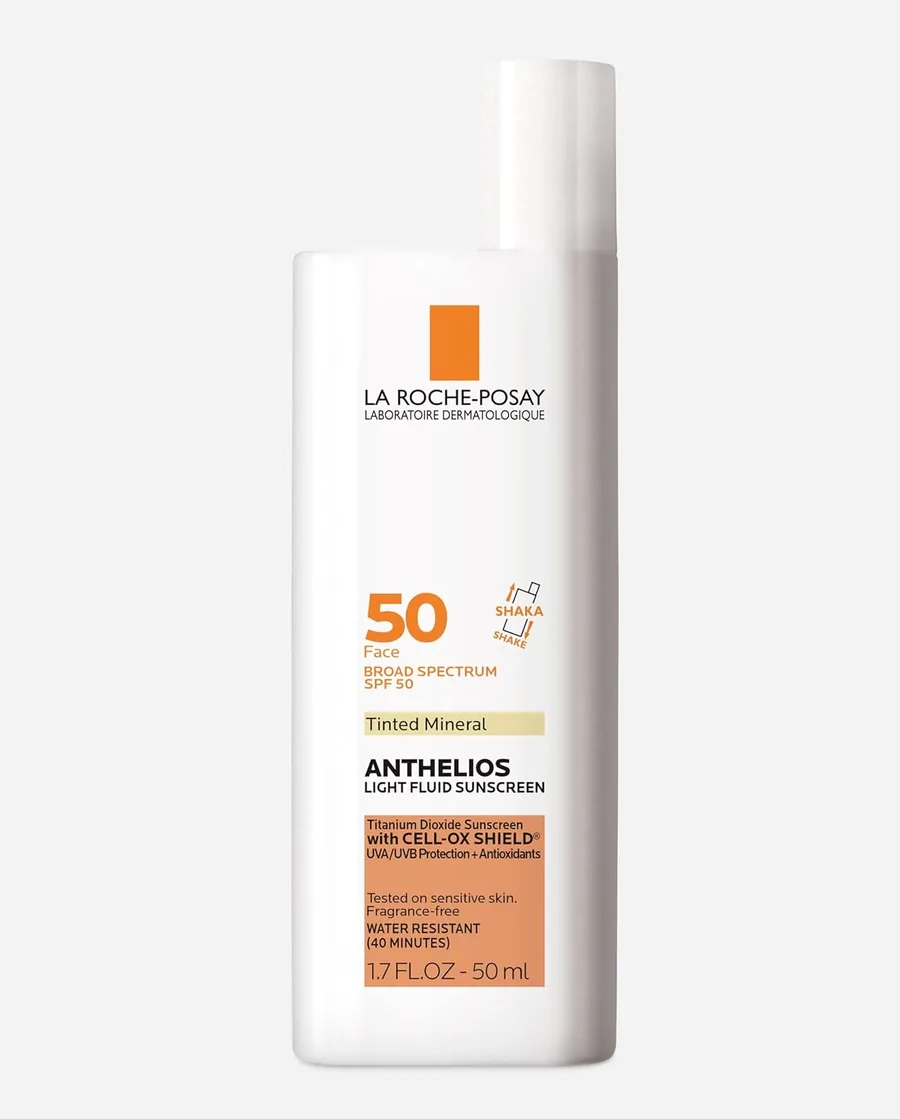
Product example: La Roche-Posay Anthelios Face Sunscreen SPF 50 is one daily sunscreen option for readers building a morning skincare routine.
View on Amazon →
(paid link)
Nighttime Skincare Routine for Rough Texture
At night, the priority is gentle cleansing followed by moisturizing — the same basics as the morning, minus sunscreen. This is also when an optional treatment can be introduced, if your skin is ready for one.
If you add a new active, give your skin time to adjust to it alone before introducing another. Combining multiple new actives at once makes it hard to tell what’s helping and what’s causing irritation. For many beginners, a simple cleanser-moisturizer routine at night is genuinely enough while the skin establishes a baseline of consistent, gentle care.
Best Ingredients for Rough Skin Texture
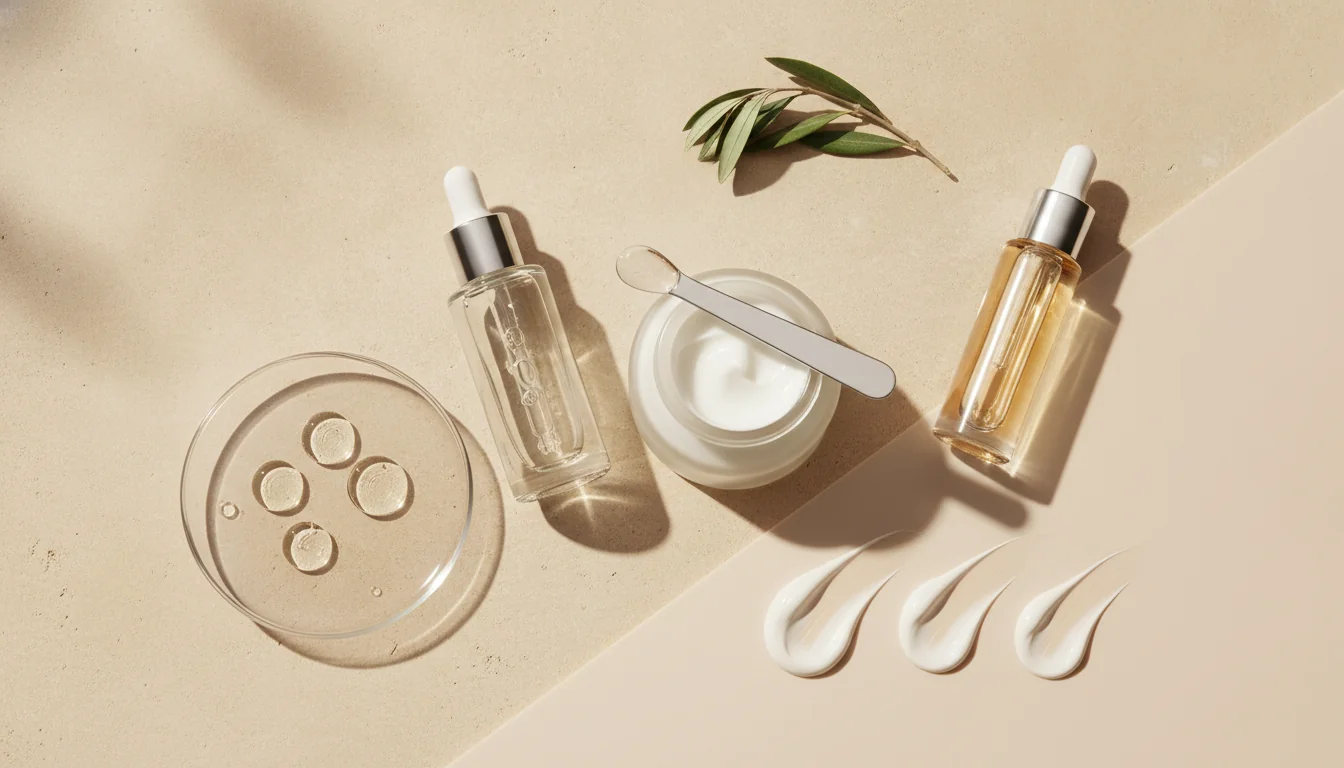
No single ingredient is guaranteed to work for everyone, and beginners don’t need most of these right away. Here’s a realistic breakdown of what each category does.
Humectants
Glycerin and hyaluronic acid draw water into the skin’s surface layers, which can help with the dehydrated-feeling side of rough texture. They’re generally well tolerated, including by sensitive skin, and are a reasonable starting point.
Barrier-Supporting Ingredients
Ceramides, squalane, and certain fatty acids support the skin’s natural barrier — the outer layer that keeps moisture in and irritants out. When the skin barrier is disrupted, skin may feel drier, rougher, or more easily irritated, so barrier-supporting ingredients can be useful in a gentle routine — not just for people with textbook “dry” skin.
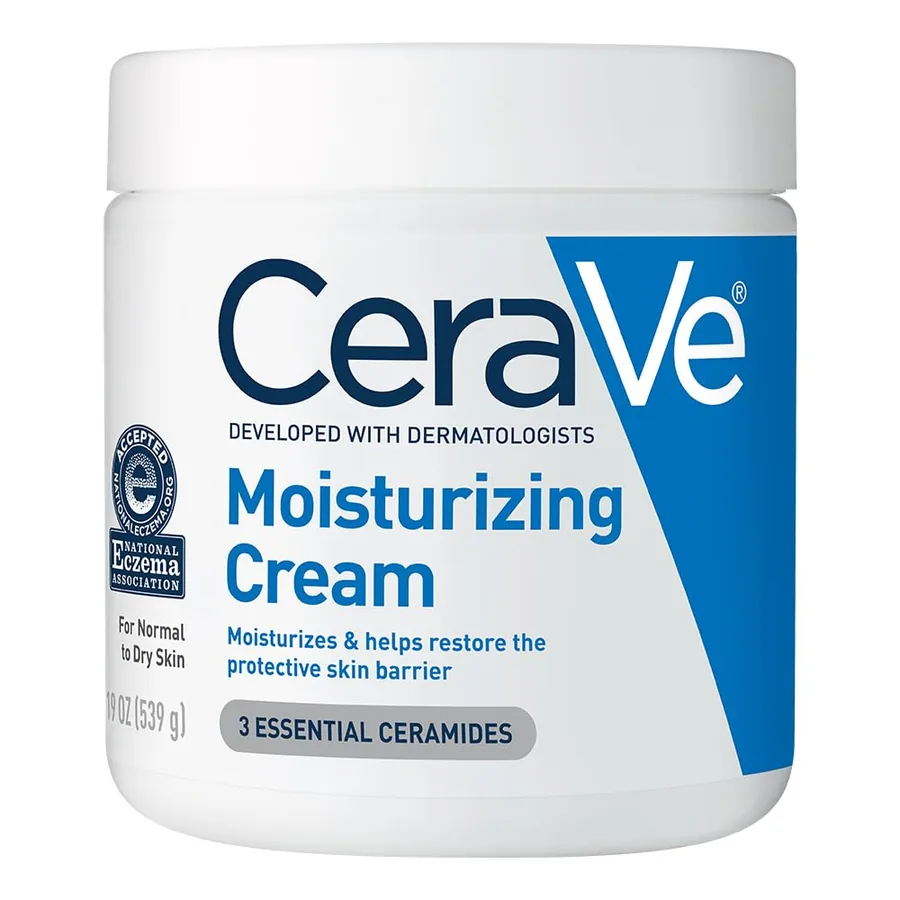
Product example: CeraVe Moisturizing Cream is a moisturizing option for readers looking to support a simple, barrier-focused routine.
View on Amazon →
(paid link)
Exfoliating Ingredients
AHAs like lactic acid and glycolic acid work on the skin’s surface to help with buildup that contributes to a rough or dull feel. Salicylic acid is more relevant when clogged pores are part of the picture, since it works within the pore itself. These can genuinely help, but they’re also the ingredients most likely to cause irritation if overused, so starting slowly matters more here than with humectants or barrier ingredients.
Retinoids
Retinoids can support skin cell turnover over time and may help with some texture concerns, but they also commonly cause dryness, peeling, or irritation when started too aggressively. They’re not a requirement for a beginner routine and are better introduced gradually, at a low frequency, once cleanser, moisturizer, and sunscreen are already consistent.
Niacinamide
Niacinamide is a versatile, generally well-tolerated ingredient some people find helpful alongside a consistent routine. It isn’t a fix on its own — it works best as one part of a broader routine rather than a replacement for moisturizer, sunscreen, or gentle cleansing.
None of these need to be used all at once. Starting with cleanser, moisturizer, and sunscreen, then adding one targeted ingredient at a time, is the more sustainable approach. See our niacinamide guide for more on how to introduce it.
Exfoliation: Can It Help Rough Skin?
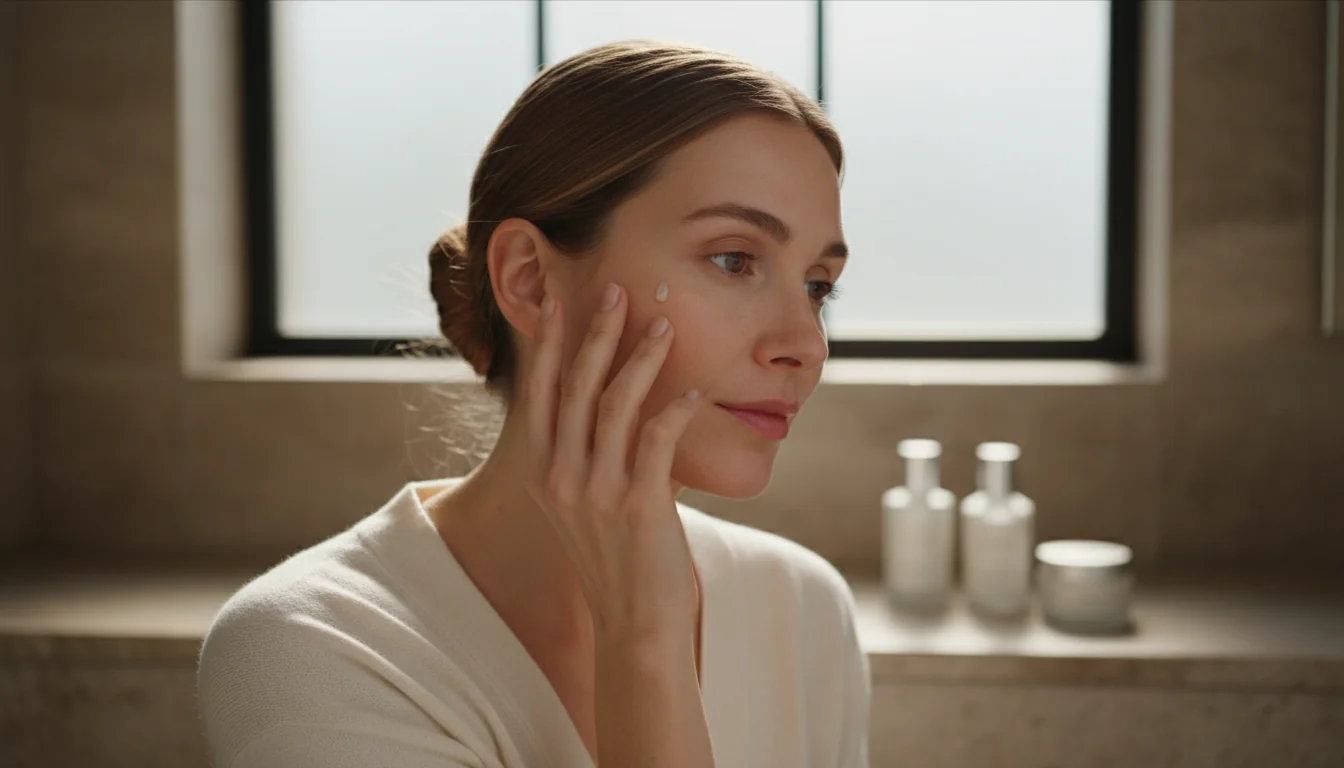
Exfoliation can genuinely help with rough texture in some cases — specifically when a buildup of dead skin cells is part of what’s going on. But it’s not a universal fix, and it’s one of the easier steps to overdo.
There are two broad types: chemical exfoliation, using acids like AHAs or BHAs to loosen the bonds between dead skin cells, and physical exfoliation, using a scrub, brush, or textured tool to manually remove surface cells. Both can have a place in a routine, but both can also irritate skin if used too aggressively or too often.
More frequent exfoliation is not automatically better. Over-exfoliating can damage the skin’s barrier, leading to redness, sensitivity, and — somewhat counterintuitively — texture that looks or feels rougher than before you started. The American Academy of Dermatology recommends easing into exfoliation gradually rather than starting aggressively (American Academy of Dermatology).
A reasonable approach for beginners is to start with a low frequency and increase only if your skin tolerates it — the exact right frequency depends on the specific product, its concentration, your skin type, and how your skin responds, so there’s no single schedule that fits everyone. If your skin is sensitive or already irritated, it likely needs less exfoliation, not more, and combining multiple acids or exfoliating products at the same time tends to increase the risk of irritation without necessarily improving results.
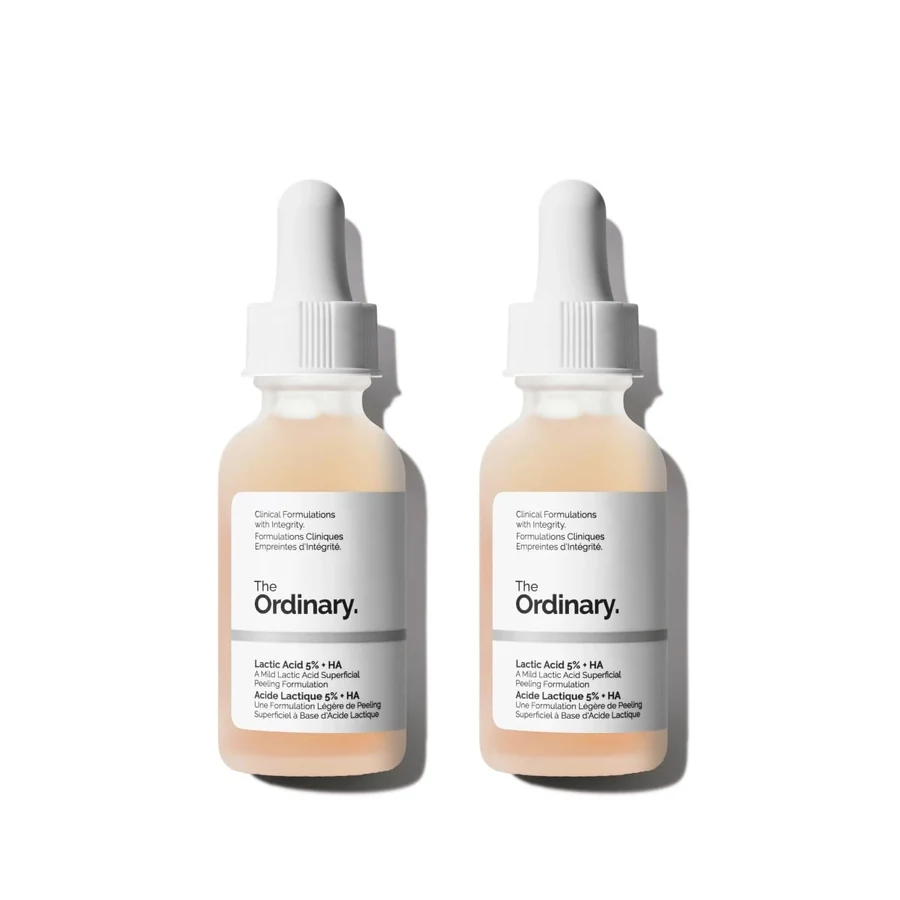
Optional treatment example: The Ordinary Lactic Acid 5% + HA is an AHA exfoliating product that may fit some texture-focused routines when introduced gradually and tolerated well.
View on Amazon →
(paid link)
Rough Texture + Dry Skin
Dry skin is one of the more common contributors to rough-feeling skin, since a lack of oil and moisture in the outer layers can leave the surface tight, flaky, or uneven. If dryness seems to be your main driver, the priorities are gentle cleansing, a moisturizer that genuinely supports the barrier, and avoiding exfoliation more aggressive than your skin can currently handle. If dryness itself is the bigger concern, our full Skincare Routine for Dry Skin guide goes deeper into building a routine around it.
Rough Texture + Dehydrated Skin
Dehydration is different from dryness — it refers specifically to reduced water content in the outer skin layers, and it can happen in skin that’s technically oily, normal, or dry by type. Dehydrated skin can make existing texture more noticeable, since the surface isn’t holding onto moisture well. Since the two are often confused, our Dehydrated Skin vs. Dry Skin article breaks down how to tell which one you’re actually dealing with.
Rough Texture + Oily Skin
Oily skin can absolutely still have rough or uneven texture, often from clogged pores, buildup, or over-cleansing in an attempt to control shine. Cleanse without over-stripping the skin, since aggressive cleansing can increase dryness and irritation without solving excess oil, and use a lightweight moisturizer rather than skipping it. Daily sunscreen still matters, and a targeted salicylic acid product can help when clogged pores are clearly part of the picture — but the goal is balance, not stripping the skin of oil entirely. See our Skincare Routine for Oily Skin guide for a full routine breakdown.
Rough Texture + Acne-Prone Skin
Acne-prone skin can involve several different texture changes worth telling apart: active acne, temporary clogged pores, post-acne marks (flat discoloration left after a blemish heals), and textural scarring from past breakouts. These don’t all respond to the same approach, and it’s worth being realistic that topical skincare can support overall skin health but generally can’t erase existing scarring on its own. Our Skincare Routine for Acne-Prone Skin guide covers this in more depth.
Rough Texture + Sensitive Skin
Sensitive skin calls for extra caution rather than a more aggressive approach. The fundamentals still apply — gentle cleansing, a supportive moisturizer, daily sunscreen — but new products should be introduced more slowly, one active at a time, with real time to judge tolerance before adding another. Patch testing a small area first can help catch a reaction early, aggressive exfoliation generally isn’t a good fit, and if a product causes burning, stinging, or persistent redness, it’s reasonable to stop rather than push through it. Our Skincare Routine for Sensitive Skin guide covers this approach in more detail.
Should You Scrub Rough Skin?
Not aggressively, no. Harsh physical scrubbing can worsen irritation and damage the skin’s barrier, ultimately making texture feel rougher — even though it might seem like it’s “working” because skin feels temporarily smooth right after.
That doesn’t mean every physical exfoliant is off-limits. What matters is the distinction between gently removing surface buildup and applying enough friction to actually damage the skin. A soft washcloth or a fine-textured scrub used occasionally is different from a gritty, harsh scrub used daily with heavy pressure — gentleness and frequency matter more than the product itself.
Common Mistakes That Can Make Skin Texture Worse
Over-exfoliating
Using harsh scrubs
Washing too aggressively
Skipping moisturizer
Starting several actives at once
Ignoring sunscreen
Picking or squeezing bumps
Constantly switching products
Using products that irritate the skin
Expecting overnight results
How Long Does It Take to Improve Rough Skin Texture?
There’s no single timeline that applies to everyone, because it depends on the underlying cause, how consistent you are, your skin’s sensitivity, which products you’re using, how significant the roughness is, and whether another skin condition is involved.
Some people may notice earlier changes in how hydrated or comfortable their skin feels, while visible changes in overall texture can take longer. The timeline depends on the cause, products used, skin tolerance, and consistency. There’s no specific number of days that applies universally, and rushing the process by adding more products or exfoliating more often tends to backfire rather than speed things up.
A gentle, consistent routine is a reasonable starting point for most everyday rough texture, but it’s worth getting a professional evaluation if:
- Roughness persists despite giving a gentler routine a reasonable amount of time.
- There are persistent bumps or rough patches that don’t improve.
- The area is painful, very itchy, inflamed, cracking, bleeding, or oozing.
- You notice rapidly changing or otherwise unusual skin changes.
- Over-the-counter skincare repeatedly causes significant irritation.
- You suspect a specific skin condition, such as keratosis pilaris or eczema, rather than general texture concerns.
- The issue is significantly affecting your quality of life or confidence.
A dermatologist can properly evaluate what’s actually happening with your skin and recommend a treatment approach suited to it — something that isn’t possible to determine accurately from a description alone.
If You Want to Keep It Simple
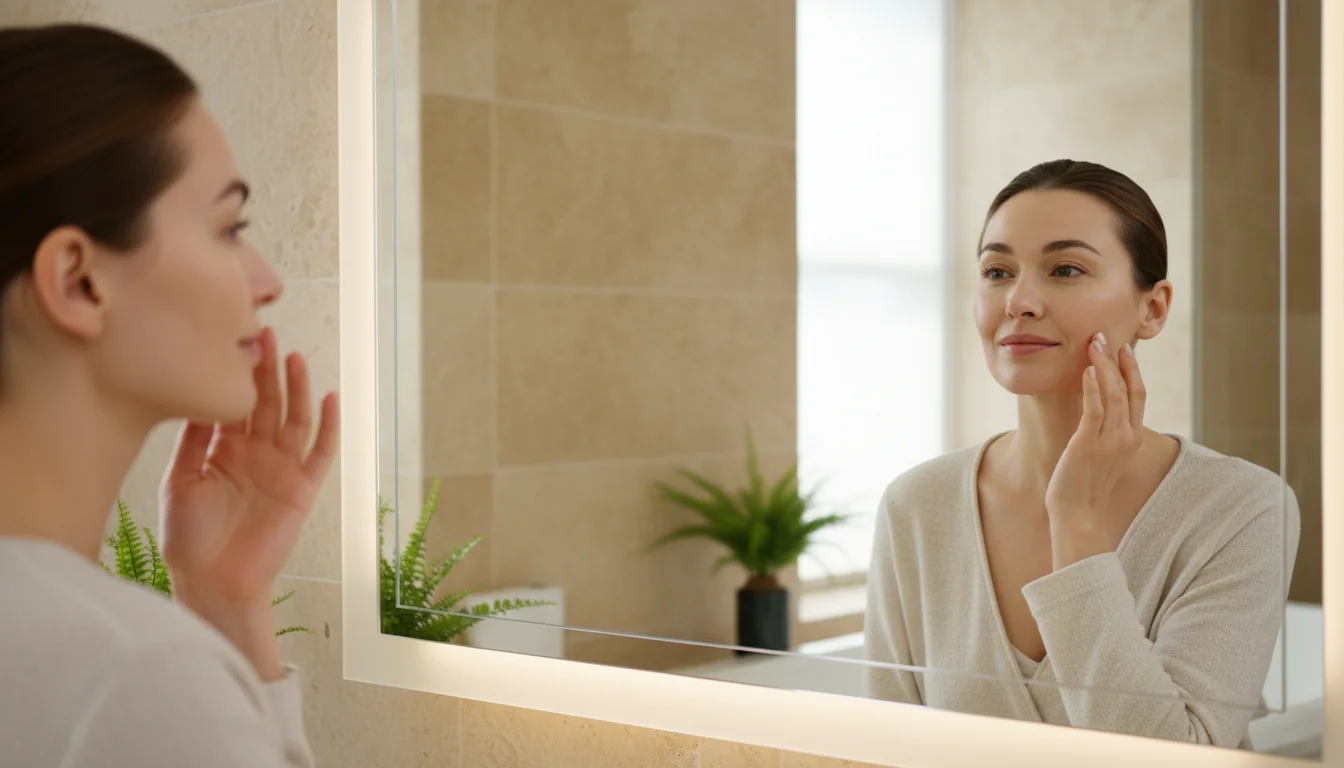
You genuinely do not need a ten-step routine to work on rough texture. A basic framework looks like this:
Once that foundation is consistent — ideally for a few weeks — you can consider adding one optional treatment, such as a gentle exfoliating acid or niacinamide, introduced slowly. There’s no rush, and plenty of people see meaningful improvement from the simple version alone. If you’re building a skincare routine from scratch rather than troubleshooting texture specifically, our Skincare Routine for Beginners guide covers the foundational basics this article builds on.
Rough Skin Texture Checklist
- Gentle cleanser
- Moisturizer
- Daily broad-spectrum SPF 30+
- One optional targeted treatment
- Avoid aggressive scrubbing
- Introduce actives gradually
- Watch for irritation
- Stay consistent
- Reassess if the problem persists
Frequently Asked Questions
Bottom Line
Rough skin texture usually isn’t the result of one single problem, so it helps to think about what’s most likely contributing to yours — dryness, dehydration, buildup, irritation, or something acne-related — rather than assuming one universal cause. From there, keeping your routine gentle, moisturizing consistently, protecting your skin from UV exposure, and introducing any treatment gradually gives your skin the best chance to improve without added irritation. Aggressive exfoliation and stacking multiple actives at once tend to do more harm than good. And if roughness persists, feels uncomfortable, or seems unusual despite a reasonable, consistent routine, a dermatologist can offer guidance that’s tailored to your actual skin rather than a general description of it.
Why You Can Trust This Guide
This article was written and edited by the Ava Fit Care editorial team based on guidance from established, publicly available dermatology and regulatory resources, including the American Academy of Dermatology, MedlinePlus, and the FDA. It’s intended as general educational information rather than a personal medical consultation, and it doesn’t substitute for an evaluation by a board-certified dermatologist for any specific skin concern.