Dehydrated Skin vs. Dry Skin: What’s the Difference?
September 11, 2026
By Ava Fit Care Editorial Team · Last updated: September 11, 2026
If your skin feels tight, looks a little dull, or seems to be flaking no matter what you put on it, it’s easy to land on one conclusion: “I must have dry skin.” Sometimes that’s true. Often, though, what’s actually going on is dehydration — and the routine that helps one of these isn’t always the routine that helps the other.
The confusion makes sense. Dry skin and dehydrated skin can feel remarkably similar day to day: tightness, rough patches, a general sense that your skin isn’t comfortable. But they come from two different places. Dry skin is generally considered a skin type, tied to how much oil your skin naturally produces. Dehydration is about water content, and it can show up in skin that produces plenty of oil. Once you understand which one you’re actually dealing with, it’s much easier to choose products and habits that make a real difference instead of guessing.
This article isn’t meant to diagnose your skin — only a dermatologist can do that with certainty. But it can help you recognize the patterns, understand the terminology, and adjust your routine with a bit more confidence.
What’s the difference between dry skin and dehydrated skin? Dry skin refers to a skin type that produces less oil (sebum) than it needs, which is generally an ongoing characteristic of your skin. Dehydrated skin refers to a lack of water in the skin, which can be temporary and can affect any skin type — including oily, combination, and normal skin, not just dry skin. In short: dry is about oil, dehydrated is about water, and the two can absolutely overlap.
Key Takeaways
Dry skin is typically a skin type related to lower natural oil production. Dehydrated skin is a water-related condition that can affect any skin type, even oily skin.
Both can cause tightness, flaking, and dullness, which is why they’re so often mixed up.
A simple clue: skin that’s consistently dry and rarely oily leans toward dry skin, while skin that feels tight yet still looks shiny or gets oily later in the day may be dehydrated.
Ingredients like glycerin and hyaluronic acid target hydration, while ceramides and squalane support the skin’s oil barrier — and many routines benefit from a mix of both.
Oily skin can absolutely be dehydrated at the same time, since oil production and water content are two separate things.
If symptoms are persistent, uncomfortable, or don’t improve with a simpler routine, it’s worth checking in with a dermatologist.
What Is Dry Skin?
Dry skin is generally described as a skin type in which the skin produces less natural oil, or sebum, than it needs to stay comfortable and protected. Sebum plays a role in helping the skin retain moisture and stay soft, so when oil production is lower, skin can feel rough, tight, or flaky more often than not.
Because it’s tied to how your skin naturally functions, dry skin tends to be a fairly consistent, ongoing trait rather than something that comes and goes with the seasons. That said, factors like weather and skincare habits can still make dry skin feel noticeably better or worse at different times of the year.
Common signs people associate with dry skin include:
A tight or stretched feeling, especially after cleansing
Visible flaking or rough patches
A generally rough or uneven texture
Skin that looks dull or lacks a natural sheen
Feeling less comfortable shortly after washing your face
Occasional sensitivity or mild irritation in some people
Not everyone who notices one or two of these signs automatically has dry skin as a skin type — a single tight or flaky day can just as easily point to dehydration, weather, or a product that’s too harsh. It’s the pattern over time that tends to be more telling.
What Is Dehydrated Skin?
Dehydrated skin describes a reduced level of water in the skin, rather than a lack of oil. It’s typically thought of as a temporary condition rather than a permanent skin type, and — this is the part that trips a lot of people up — it can affect any skin type, including skin that produces plenty of oil.
That’s why someone with naturally oily skin can still look in the mirror and think, “why does my skin feel so tight and look kind of dull, even though it’s shiny by midday?” Oiliness and hydration aren’t the same axis. Skin can produce plenty of oil while still having lower water content in its outer layers.
Signs that are often associated with dehydration include:
A tight feeling that doesn’t match how oily or dry the skin normally is
A dull, tired-looking complexion
Fine lines appearing more noticeable than usual
Rougher texture that shows up somewhat suddenly, rather than being a long-term pattern
Makeup that seems to settle into fine lines more than it used to
Skin that looks a bit shiny or oily on the surface but still feels uncomfortable or tight underneath
As with dry skin, none of these signs on their own confirms dehydration — they’re clues worth paying attention to, not a diagnosis.
Dry Skin vs. Dehydrated Skin: Side-by-Side
Feature
Dry Skin
Dehydrated Skin
What it means
Lower natural oil (sebum) production
Reduced water content in the skin
Main issue
Oil/lipid deficiency
Water deficiency
Oil/sebum
Generally lower
Can be low, normal, or high
Water content
Can vary
Lower/reduced water content
Skin type or temporary condition
Usually an ongoing skin type
Often temporary; can come and go
Common feel
Rough, tight, flaky
Tight, sometimes “stretchy,” occasionally oily on top
Appearance
Flaky, dull, visibly dry patches
Dull, fine lines more visible, uneven texture
Can oily skin have it?
Not typically, by definition
Yes — oily skin can be dehydrated
Typical routine focus
Barrier-supportive, richer moisturizers
Hydration first, then sealing it in
How to Tell If Your Skin Is Dry or Dehydrated
There’s no substitute for a dermatologist’s evaluation if you want a definitive answer, but a few everyday clues can point you in the right direction:
If your skin consistently feels dry and rarely produces much oil, even by midday, dry skin as a skin type may be more likely.
If your skin feels tight but still becomes oily later in the day, dehydration may be playing a role alongside your natural oil production.
If fine lines suddenly look more noticeable than usual, that’s a pattern often linked to dehydration rather than a permanent change in your skin.
If symptoms showed up after a weather change, a new cleanser, over-cleansing, or adding several new active ingredients at once, dehydration or irritation is worth considering before assuming your skin type has changed.
Again, these are practical clues, not a medical diagnosis. If you’re genuinely unsure, that uncertainty itself is a reasonable reason to simplify your routine and, if needed, ask a dermatologist.
Can You Have Dry and Dehydrated Skin at the Same Time?
Yes — and it’s actually fairly common. Because dryness is about oil and dehydration is about water, the two can absolutely overlap.
A simple example: someone with naturally dry skin heads into winter, where indoor heating and cold outdoor air both lower humidity. Between the dry air, hotter showers, and a slightly more aggressive cleanser than usual, their already low-oil skin also starts losing water faster than it can retain it. Now they’re dealing with dry and dehydrated skin at once, which is why the discomfort can feel more intense than usual.
The same overlap applies to oily skin. An oily-skinned person can be dehydrated even though their skin is producing plenty of sebum, because oil production and water content are separate systems. This is one of the more counterintuitive parts of skincare, but it’s also one of the more useful things to understand about your own skin.
Common Causes of Dehydrated Skin
Dehydration is often the result of everyday habits and environmental factors rather than any single cause. Common contributors include:
Over-cleansing, or washing your face more often than your skin needs
Harsh cleansers that strip natural oils along with dirt and makeup
Excessive exfoliation, whether physical or chemical
Very dry or cold weather
Low indoor humidity, especially with heating running for long stretches
Hot water, particularly long, hot showers or face-washing
Overusing active ingredients (multiple exfoliants or strong actives layered together)
Not giving your skin enough moisturizing or hydrating support to begin with
It’s worth noting that simply drinking more water isn’t a reliable fix for skin dehydration on its own — overall hydration matters for your body generally, but skin dehydration is more directly tied to what’s happening on the skin’s surface and in its outer layers, including product choices and environmental exposure.
Skincare for Dry Skin
A routine built around dry skin generally prioritizes replenishing oils and reinforcing the skin’s natural barrier.
Cleanser. A gentle, non-stripping cleanser is the starting point — something that removes dirt and makeup without leaving skin feeling tight or squeaky-clean afterward.
Hydrating layer (optional). A hydrating serum or essence can add a layer of water-binding ingredients before moisturizer, though it isn’t a required step for everyone.
Moisturizer. This tends to be the most important step for dry skin. Ingredients worth looking for include ceramides, glycerin, squalane, fatty acids, and other barrier-supportive or emollient ingredients that help skin hold onto moisture.
Sunscreen. A broad-spectrum SPF 30 or higher during the day helps protect skin that may already be more prone to irritation.
A dehydration-focused routine leans on hydrating first, then sealing that hydration in.
AM:
Gentle cleanse or a simple rinse, depending on what your skin needs
Hydrating layer, if desired
Moisturizer
Broad-spectrum SPF 30+
PM:
Gentle cleanser
Hydrating treatment, if desired
Moisturizer
As an Amazon Associate I earn from qualifying purchases.
Gentle Cleanser for Dehydrated Skin
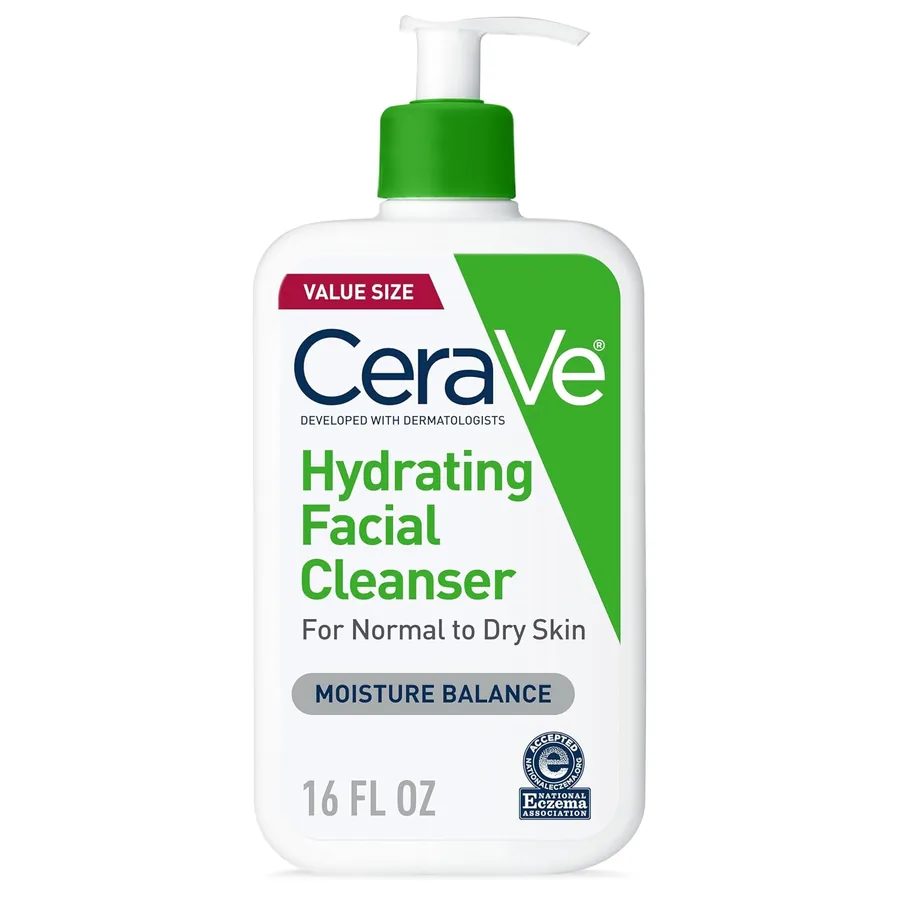
If you’d like a specific product for the gentle cleanser step above, the CeraVe Hydrating Facial Cleanser is a gentle, non-stripping option that may be suitable for a dehydrated-skin routine. (paid link)
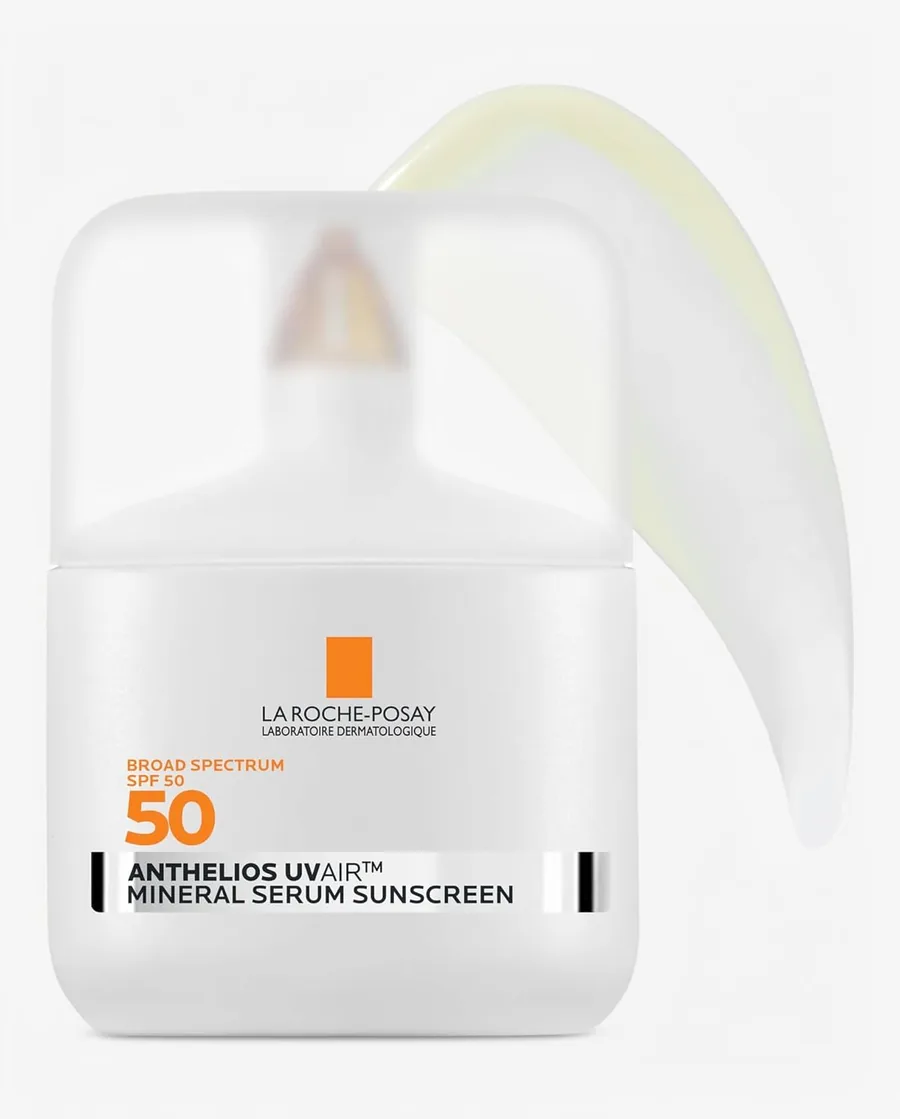
For the broad-spectrum SPF 30+ step each morning, the La Roche-Posay Anthelios UVAir Mineral Sunscreen SPF 50 is an option some readers use to finish off a dehydrated-skin morning routine. (paid link)
Understanding a few ingredient categories makes this much easier to navigate:
Humectants draw water into the skin. Common examples include glycerin, hyaluronic acid, and panthenol.
Emollients help smooth and soften the skin’s surface.
Occlusives form a layer on top of skin to help slow water loss, such as petrolatum or other occlusive ingredients.
In practice, many products blend more than one category — a moisturizer might combine a humectant with an occlusive, for example. No single ingredient works the same way for everyone, so it’s worth paying attention to how your own skin responds rather than assuming one product will suit every skin type. Our Skincare Routine for Dehydrated Skin guide breaks this down further with a full step-by-step routine.
Moisturizer for Dry & Dehydrated Skin
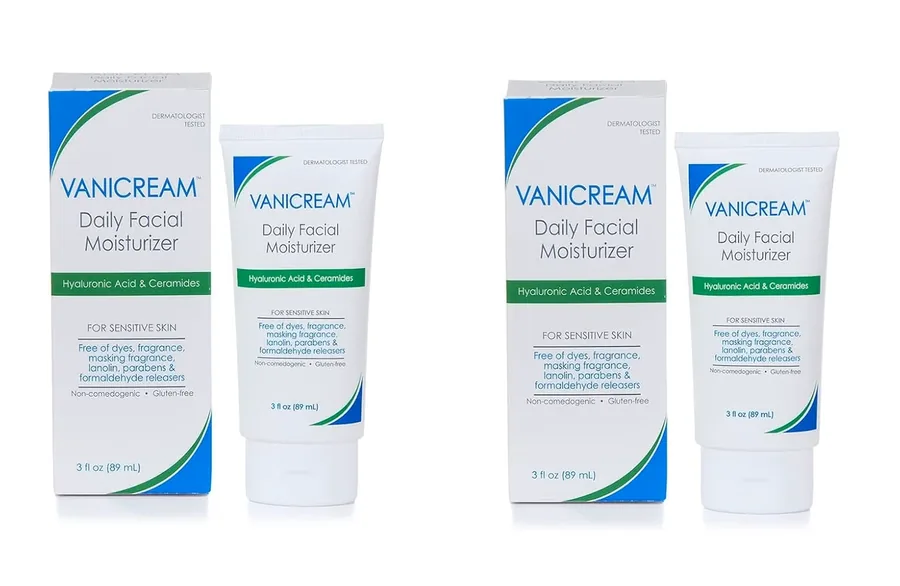
For a moisturizer built around both humectant and barrier-supportive ingredients, the Vanicream Daily Facial Moisturizer is an option worth considering when you’re dealing with dry and dehydrated skin at once. (paid link)
This combination trips people up more than almost any other, so it’s worth spelling out clearly: oily skin produces more sebum, while dehydration is about water content. Since these are two different things, oily and dehydrated aren’t opposites — they can absolutely coexist.
If this sounds like your skin, a few adjustments tend to help:
Avoid cleansers or routines that aggressively strip oil, since that can make dehydration worse rather than better
Use a gentle cleanser rather than one marketed as “deep cleaning” or “oil-eliminating”
Add lightweight hydration where it’s helpful, rather than skipping it because your skin already feels oily
Choose a lightweight moisturizer instead of skipping moisturizer altogether
Avoid piling on multiple harsh actives at once, which can push already-dehydrated skin further out of balance
For a full routine built specifically around oil control without over-stripping the skin, our Skincare Routine for Oily Skin guide is a useful next stop.
Ingredients: Dry Skin vs. Dehydrated Skin
For hydration (water content):
Glycerin
Hyaluronic acid
Panthenol
Urea, in appropriate concentrations for some formulations
Hyaluronic Acid Serum
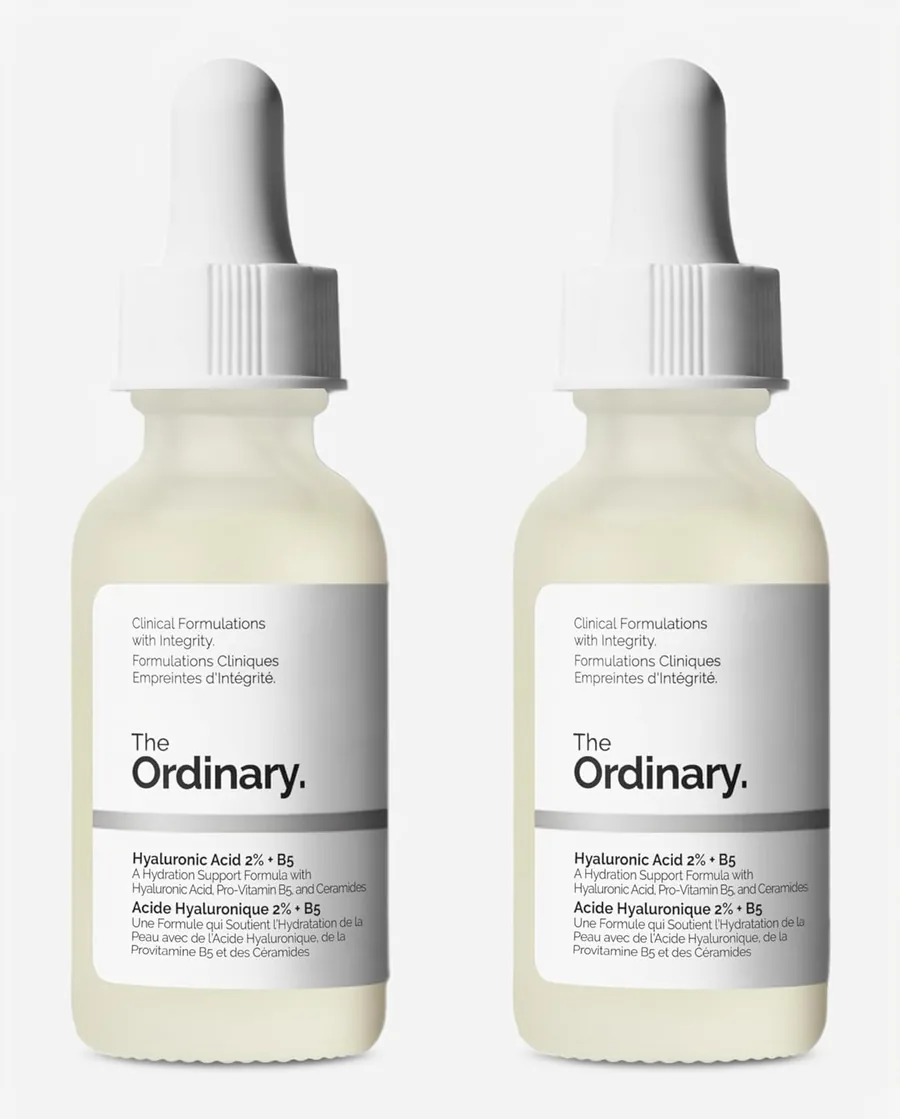
If you’d like a hyaluronic-acid option to try, The Ordinary Hyaluronic Acid 2% + B5 is a lightweight, humectant-based serum some people add to their hydration step. (paid link)
These categories overlap in practice more often than not, since dry and dehydrated skin can occur together. A moisturizer built for dry skin might include both a humectant and a barrier-supportive ingredient, which is generally a reasonable approach rather than a sign you need two separate products. No ingredient here works identically for everyone, and what feels rich and comfortable to one person can feel heavy to another.
Common Mistakes
Using harsh cleansers that strip more oil than necessary, especially if your skin is already dry or dehydrated
Over-exfoliating, which can weaken the skin’s surface and make water loss worse
Skipping moisturizer because your skin feels oily, even when it’s actually dehydrated underneath
Using too many active ingredients at once, which can overwhelm skin that’s already struggling to stay balanced
Treating “tight after cleansing” as proof a cleanser is working, when it’s often a sign the cleanser is too stripping
Ignoring seasonal changes and sticking with the exact same routine year-round regardless of humidity or temperature
Constantly switching products, which makes it hard to tell what’s actually helping or causing new irritation
Confusing dehydration with dryness, and reaching for a rich, oil-focused moisturizer when what your skin actually needs is more water-binding hydration, or vice versa
Seasonal Differences
Skin often behaves differently depending on the season, and it’s worth adjusting your routine rather than assuming something is wrong with your skin.
Winter often brings colder air, lower outdoor humidity, and indoor heating that can reduce indoor humidity, which may make dry or dehydrated skin feel worse for some people. Summer heat and higher humidity can shift things the other way, sometimes making skin feel oilier or less in need of heavier products, even if some underlying dehydration is still present. Across the US, indoor heating and air conditioning both tend to reduce humidity indoors regardless of the season, which is part of why skin can feel different at home than it does outside.
None of this requires a completely different routine every few months, but it’s reasonable to lighten or layer products depending on how your skin is actually behaving.
When to Simplify Your Routine
If your skin becomes unusually tight, starts stinging, looks irritated, flakes more than normal, or simply feels uncomfortable, it’s often reasonable to pull back rather than add more products. A simplified routine — gentle cleanser, moisturizer, and sunscreen during the day — gives skin a chance to settle before you reintroduce anything else.
This kind of reaction can sometimes point to a compromised skin barrier, but that’s a determination best left to a dermatologist rather than something to self-diagnose. If simplifying doesn’t help within a reasonable amount of time, that’s a good signal to get a professional opinion.
When to See a Dermatologist
Most day-to-day dryness and dehydration can be managed with routine adjustments, but professional advice is worth seeking if:
Irritation persists despite simplifying your routine
You notice significant redness, swelling, or discomfort
Symptoms don’t improve despite giving a gentler routine a reasonable amount of time
You notice signs that suggest an underlying skin condition that needs a proper diagnosis, rather than general dryness or dehydration
Seeing a dermatologist isn’t a last resort reserved for serious problems — it’s simply the right move when self-guided adjustments aren’t giving you clear answers.
No. Dry skin is generally a skin type tied to lower oil production, while dehydrated skin refers to a lack of water and can affect any skin type.
Yes. Oil production and water content are separate, so oily skin can still lack hydration even while producing plenty of sebum.
Consistent dryness with little oil production tends to point toward dry skin, while tightness that coexists with oiliness, or symptoms that appeared suddenly, tend to point toward dehydration. Neither is a substitute for a dermatologist’s evaluation.
Yes. Since dryness is about oil and dehydration is about water, the two can occur together, especially during dry weather or with an overly aggressive routine.
Humectants such as glycerin, hyaluronic acid, and panthenol help draw in water, while emollients and occlusives help support and seal that hydration in.
Generally, yes — moisturizer is typically considered a core step for dry skin, helping replace oils the skin isn’t producing on its own.
Usually yes, though a lightweight formula tends to work better than a heavier, richer moisturizer for oily skin types.
It can contribute to it. Exfoliating too often or too aggressively can weaken the skin’s surface and make it harder to retain water.
Yes. Low humidity, cold air, and indoor heating are all common contributors to dehydrated skin, particularly in winter.
If irritation is persistent, symptoms don’t improve with a simplified routine, or you notice significant redness, swelling, or discomfort, it’s reasonable to seek a professional evaluation.
Bottom Line
At the core, dry skin is mostly about oil, and dehydrated skin is mostly about water. But that simple framing is really just a starting point — plenty of people deal with some combination of both, and the right routine depends on how your skin is actually behaving right now, not just which category it falls into on paper. Paying attention to the clues, adjusting gradually, and simplifying when something feels off will generally serve you better than chasing a single label for your skin.
Read our Review Policy for a plain explanation of what our review process does — and doesn't — mean for health-adjacent content.
Sources & Further Reading
This article is for general informational purposes and isn’t a substitute for personalized advice from a board-certified dermatologist or other qualified healthcare provider. It doesn’t diagnose, treat, cure, or prevent any skin condition. If you’re dealing with persistent discomfort, irritation, or symptoms that don’t improve, please consult a dermatologist.