By 10 a.m., your forehead and nose already look like you skipped moisturizer, but your cheeks feel just fine — maybe even a little tight. You try an oil-control product and your cheeks start flaking. You switch to something richer and your T-zone gets shiny by lunch. If you’ve ever felt like your face is fighting itself, you’re probably dealing with combination skin, and it’s one of the most common — and most misunderstood — skin types out there.
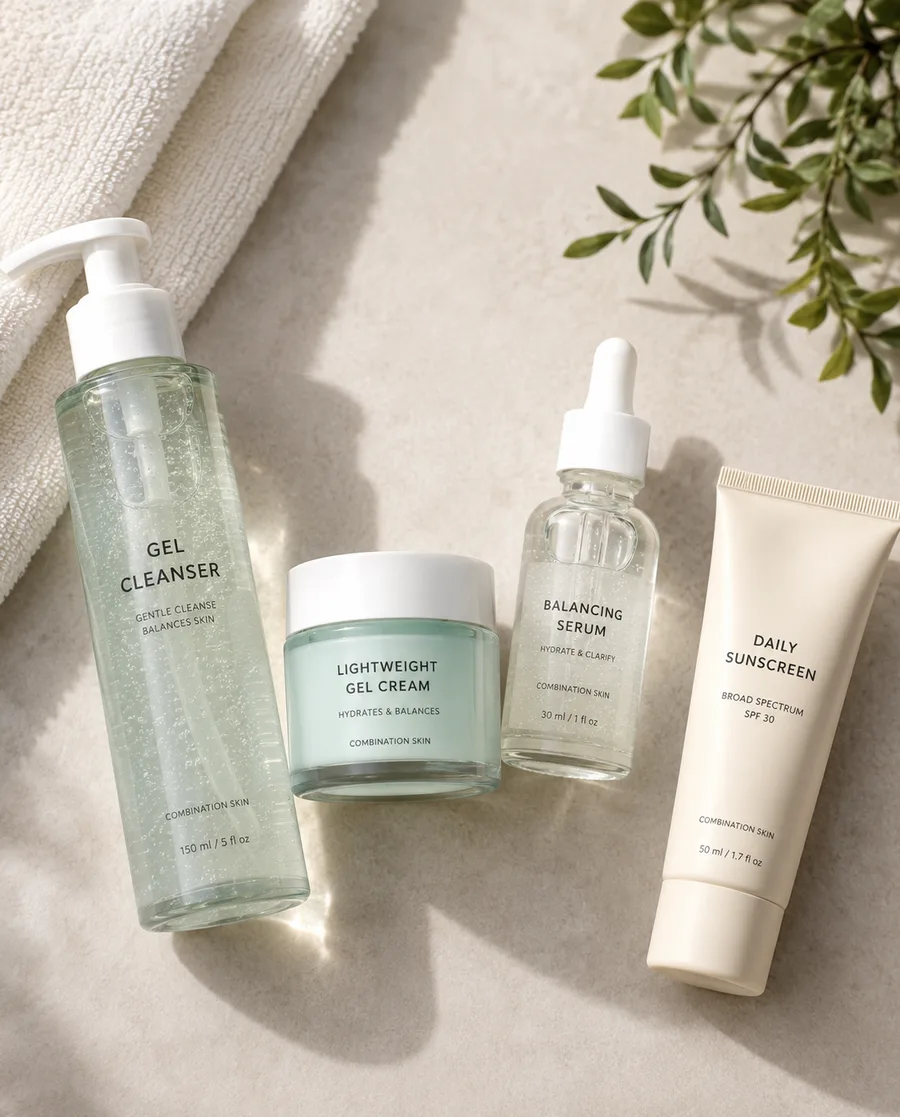
The good news is you don’t need two separate skincare cabinets to deal with it. A workable skincare routine for combination skin usually comes down to a few well-chosen basics used consistently, with small adjustments made only where your skin actually needs them. Instead of treating your whole face as oily or your whole face as dry, the goal is a balanced routine that respects the fact that different parts of your face are, quite literally, doing different things.
This guide covers what combination skin actually means, how it’s different from oily or dry skin, which ingredients tend to work well, and how to put together a realistic morning and nighttime routine — including when it makes sense to treat your T-zone and cheeks a little differently.
Your Combination Skin Routine in 60 Seconds
Morning
Gentle cleanser or rinse
Hydrating serum (optional)
Lightweight moisturizer
Broad-spectrum SPF 30+
Night
Gentle cleanser
Optional targeted treatment
Moisturizer
Not every optional step is required daily — cleanser plus moisturizer is a reasonable minimum, with serum or targeted treatment added only where your T-zone or cheeks actually need it.
What’s the Best Skincare Routine for Combination Skin?
Here’s the short version if you’re in a hurry.
Morning:
Gentle cleanser or rinse
Hydrating serum — optional
Lightweight moisturizer
Broad-spectrum SPF 30+
Night:
Gentle cleanser
Optional targeted treatment
Moisturizer
The key with combination skin isn’t finding one magic product that does everything perfectly everywhere. It’s balancing hydration and oil control across your face, then adjusting products only in the specific areas that need it — rather than overhauling your entire routine because one part of your face is being difficult. Most people do well starting simple and only adding targeted steps once they know exactly what their skin is asking for.
What Is Combination Skin?
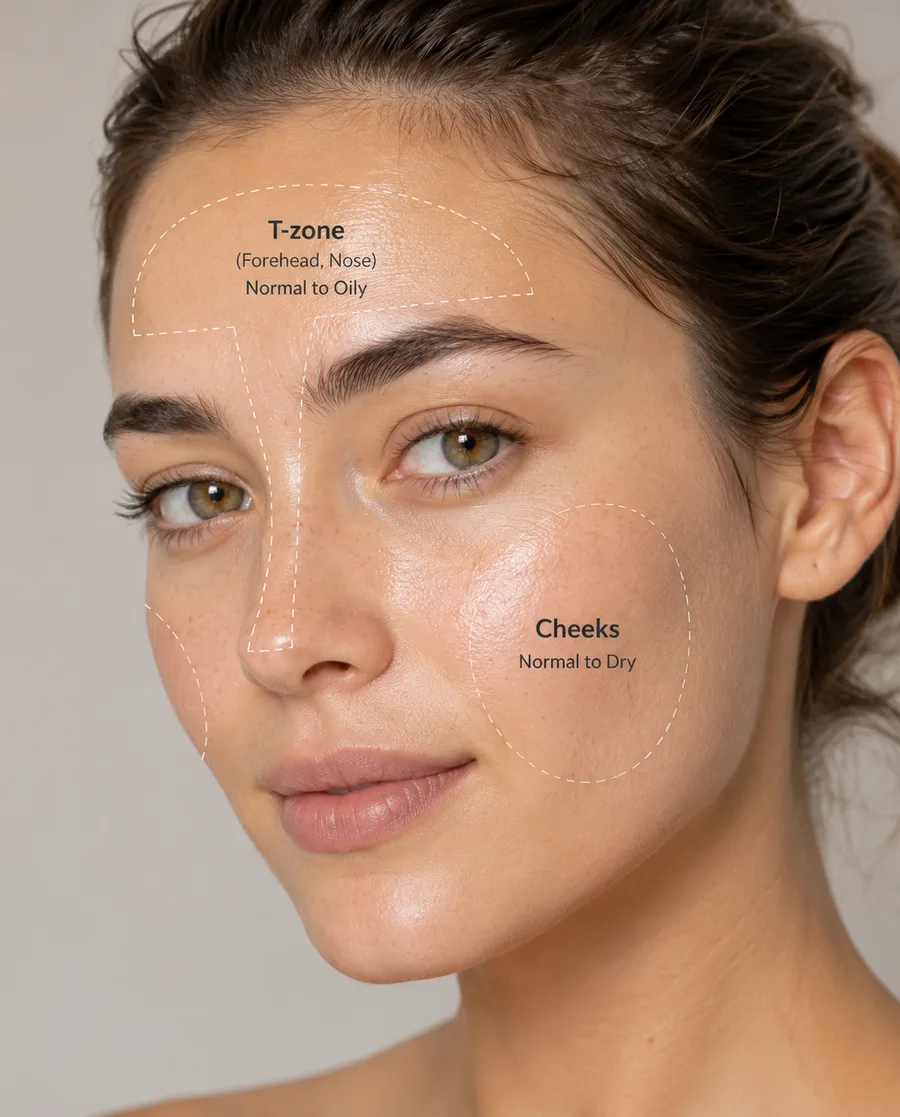
Combination skin means different areas of your face don’t behave the same way. The most common pattern is an oilier T-zone — forehead, nose, and chin — paired with cheeks that feel more normal or even dry. Some people notice shine settling into their T-zone by midday while their cheeks stay matte or start to feel tight.
That said, combination skin isn’t one single, universal pattern. Some people have a very oily nose but normal cheeks. Others have an oily forehead and slightly dry cheeks, with the rest of their face somewhere in between. The common thread is simply that your face isn’t uniformly oily or uniformly dry — it’s a mix, and the mix can look a little different from person to person.
How to Tell If You Have Combination Skin
A simple way to get a sense of your skin type is to pay attention to how your face feels a few hours after cleansing, without any products layered on top.
Some patterns that may point to combination skin:
Your T-zone looks shinier or feels oilier by midday
Your cheeks feel comfortable, normal, or even slightly dry in the same timeframe
Oiliness seems concentrated in specific spots rather than spread evenly
A single moisturizer or cleanser feels fine in one area but too heavy or not hydrating enough in another
These patterns may suggest combination skin, but skin behavior can change with weather, products, hormones, and other factors, so this isn’t a rigid diagnostic test — just a useful way to start noticing what your skin is actually doing. If you’re still not sure, see our guide to determining your skin type at home.
Combination Skin vs. Oily Skin
It’s easy to confuse combination skin with oily skin, especially if your T-zone gets shiny fast. The difference usually comes down to how the rest of your face behaves.
Combination Skin
Oily Skin
Where oiliness appears
Concentrated in the T-zone (forehead, nose, chin)
Tends to be more widespread across the face
How cheeks feel
Often normal or dry
Frequently oily or shiny as well
Overall skin behavior
Mixed — some areas oily, others not
More consistently oily across most areas
Routine priorities
Balance hydration and oil control by area
Focus more on oil control and lightweight hydration overall
If your cheeks are consistently oily along with your T-zone, our guide to a skincare routine for oily skin may be a better starting point than this one.
Combination Skin vs. Dry Skin
Combination skin can also get mistaken for dry skin, particularly if your cheeks are the area you notice most. The distinction is that combination skin includes an oilier T-zone alongside those dry or normal cheeks, rather than dryness affecting your entire face.
If dryness is really the dominant issue across most of your face — not just your cheeks — our guide to a skincare routine for dry skin may serve you better than this one.
Essential Products for Combination Skin
Affiliate Disclosure: Some links below are paid links, and Ava Fit Care may earn a commission on qualifying purchases at no extra cost to you. As an Amazon Associate I earn from qualifying purchases.
Gentle Cleanser
A cleanser for combination skin needs to remove dirt, oil, and sweat without stripping your skin so thoroughly that your cheeks end up feeling tight and uncomfortable. Look for gentle, non-stripping formulas — cream, gel, or foaming cleansers can all work depending on your preference, as long as they don’t leave your face feeling squeaky clean or raw. Fragrance-free options are worth considering if your skin tends to react to added scent.
Aggressively stripping away oil might feel satisfying in the moment, but it often backfires: over-cleansing can leave skin feeling dry and irritated, which can make the skin feel even more unbalanced, and your drier areas end up paying the price with tightness or flaking. The American Academy of Dermatology similarly advises against scrubbing the skin, since scrubbing irritates it.
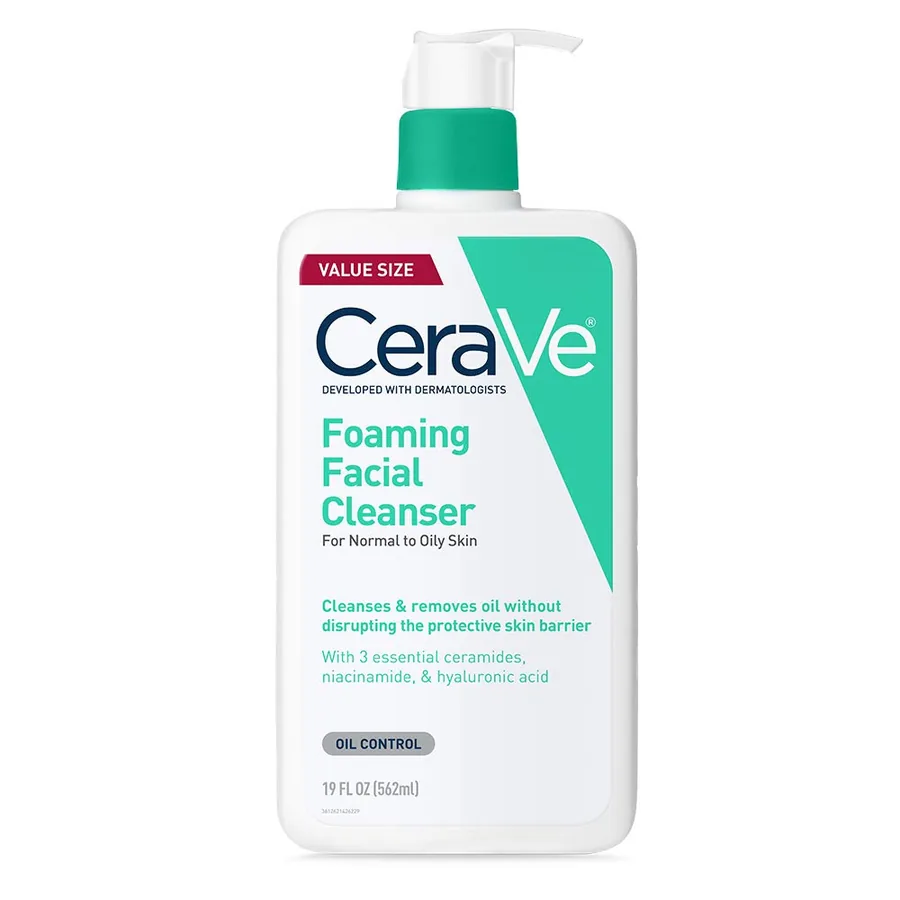
CeraVe Foaming Facial Cleanser
A foaming, non-stripping cleanser that’s a reasonable fit for combination skin if you don’t want a heavy or greasy-feeling wash.
Even oily areas of your face need moisturizer — skipping it doesn’t reduce oil production and can actually make your skin feel more uncomfortable over time. For combination skin, a lightweight lotion or gel-cream texture tends to work well across most of the face, since it hydrates without feeling heavy or greasy.
Ingredients like glycerin and ceramides are worth looking for, since they support hydration and the skin barrier without necessarily adding a lot of oil. If your cheeks run drier than the rest of your face, it’s completely reasonable to layer a richer moisturizer just in that area, rather than switching your whole routine to a heavier formula.
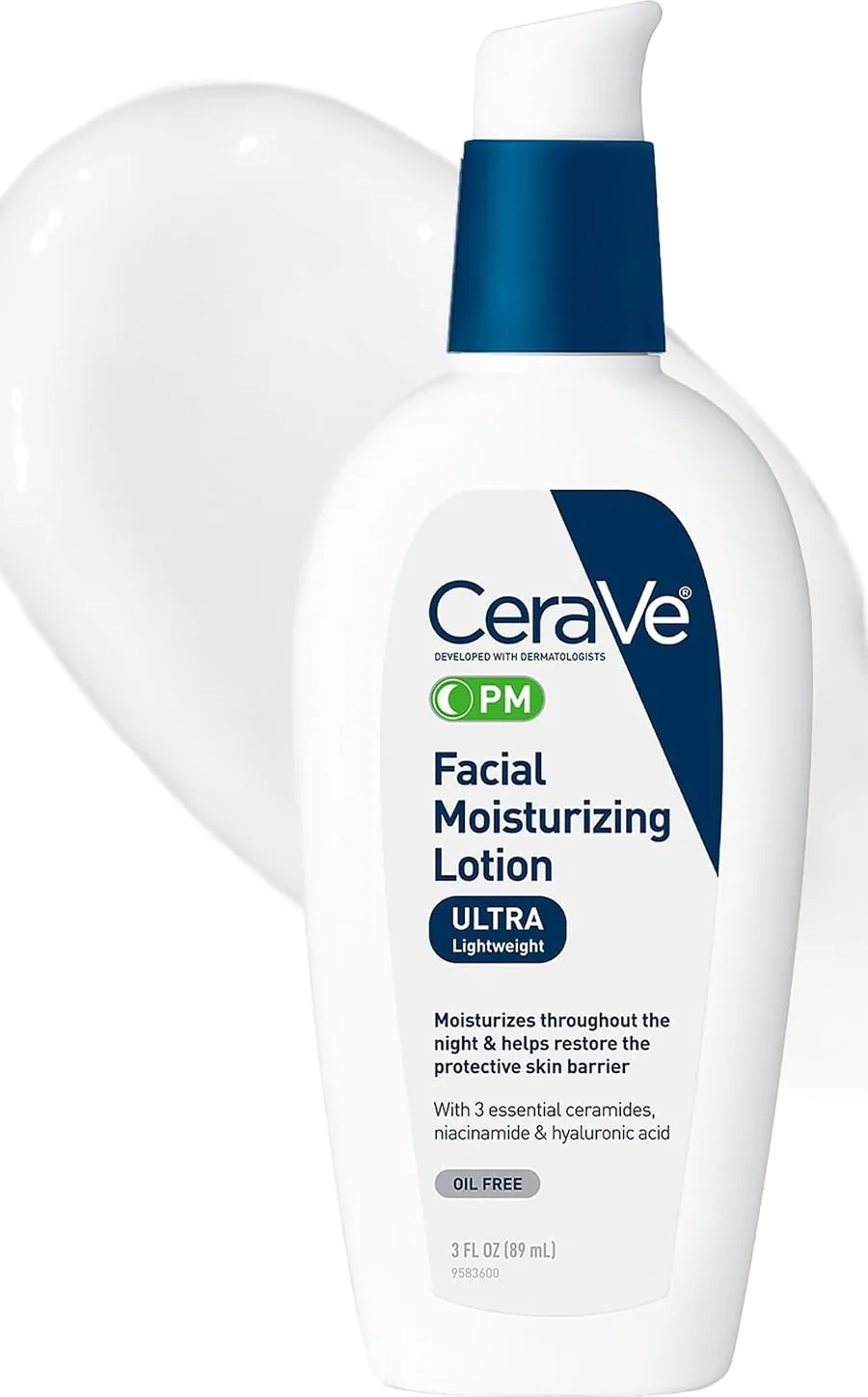
CeraVe PM Facial Moisturizing Lotion
A gel-cream style moisturizer that lines up with the lightweight texture generally recommended above for combination skin.
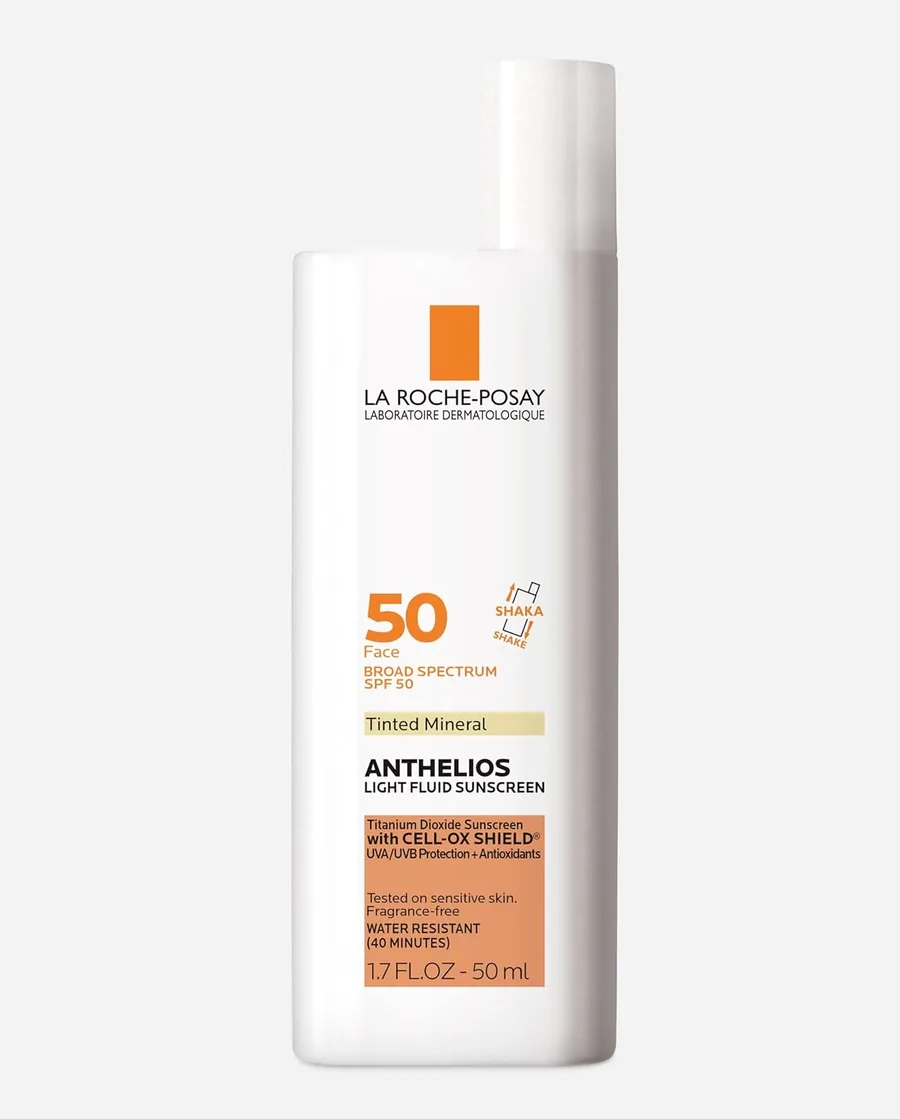
Sunscreen matters daily, regardless of which parts of your face are oily or dry. Look for a broad-spectrum sunscreen with SPF 30 or higher, per the American Academy of Dermatology. Many combination-skin users prefer lightweight, gel-based, or matte-finish sunscreens, since these tend to feel more comfortable on an oilier T-zone without being drying elsewhere.
La Roche-Posay Anthelios Sunscreen SPF 50
A daily sunscreen option with a lightweight finish, which can feel more comfortable on an oilier T-zone.
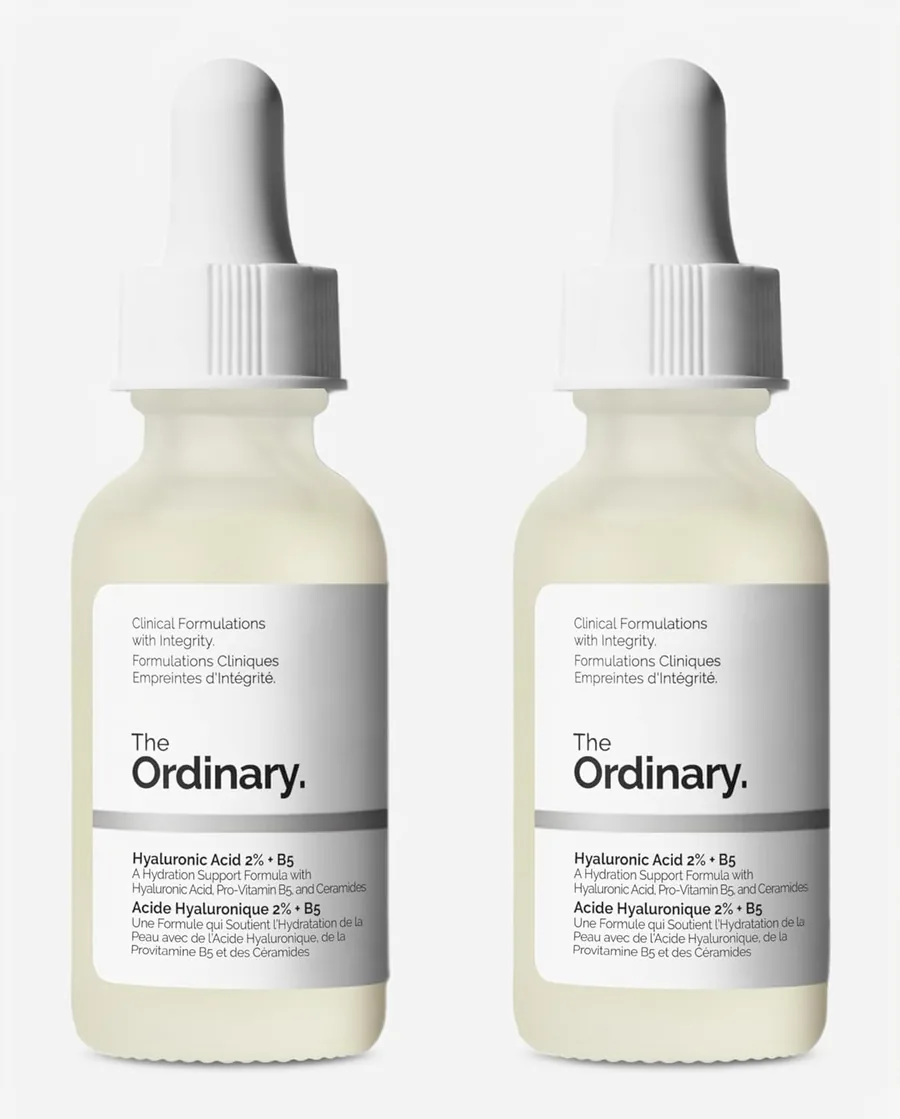
A hydrating serum is optional, not mandatory — plenty of people with combination skin do just fine without one. If you want to add one, ingredients like glycerin, hyaluronic acid, and panthenol are common choices, typically applied to damp skin before your moisturizer.
The Ordinary Hyaluronic Acid
A straightforward, water-based hyaluronic acid option if you want to try adding this optional step to your routine.
What it is: A humectant that draws water into the skin.
Why it may help: Glycerin is widely used because it’s gentle and hydrating without adding oil, making it a fit for both oilier and drier areas of the face.
How it fits into a routine: Commonly found in cleansers, serums, and moisturizers; works well applied to damp skin.
Caution: Generally well tolerated, though as with any ingredient, individual sensitivities can vary.
Hyaluronic Acid
What it is: A humectant naturally found in the skin, known for holding a large amount of water relative to its weight.
Why it may help: Can add hydration to drier areas like the cheeks without necessarily increasing oiliness in the T-zone.
How it fits into a routine: Apply to damp skin, then follow with a lightweight moisturizer to help lock in the hydration.
Caution: Using it without a follow-up moisturizer, especially in dry climates, may be less effective for some people.
Ceramides
What they are: Lipids that occur naturally in the skin and help support its outer barrier.
Why they may help: A supported skin barrier can help skin hold onto moisture more effectively, which may benefit drier areas without necessarily making oily areas greasier, depending on the formula.
How they fit into a routine: Look for them in moisturizers, typically used daily.
Caution: Generally well tolerated across skin types.
Niacinamide
What it is: A form of vitamin B3 commonly used in skincare.
Why it may help: Niacinamide is often included in formulas aimed at supporting the look of skin texture and may be comfortable for both oilier and drier areas, making it a popular pick for combination skin specifically.
How it fits into a routine: Commonly found in serums and moisturizers, usually used once or twice daily. See our niacinamide guide for the full how-to.
Caution: Generally well tolerated, though very high concentrations may cause irritation for some people.
Salicylic Acid
What it is: A beta hydroxy acid (BHA) that can penetrate into pores.
Why it may help: May help with clogged pores and oiliness for some people, particularly when used in a targeted way on the T-zone rather than across the whole face.
How it fits into a routine: Often used as a targeted treatment or in a cleanser; introduce gradually and see how your skin responds before increasing use.
Caution: Can also be drying or irritating, especially for drier areas of the face or for people with sensitive skin. There’s no universal frequency that works for everyone — pay attention to how your skin reacts and adjust from there.
Morning Skincare Routine for Combination Skin
Step 1 — Gentle cleanse or rinse. A gentle cleanse (or sometimes just a water rinse, depending on how your skin looks and feels overnight) removes any oil that built up while you slept.
Step 2 — Hydrating serum (optional). Apply to slightly damp skin if you’re using one.
Step 3 — Lightweight moisturizer. A gel-cream or lotion texture usually works well across most of the face.
Step 4 — Broad-spectrum SPF 30+. Apply broad-spectrum SPF 30+ as the final step of your morning routine, especially when you’re exposed to daylight.
Quick summary
Cleanse/Rinse
Hydrate
Moisturize
Protect
This is a realistic morning skincare routine for combination skin that doesn’t require more than a few minutes.
Nighttime Skincare Routine for Combination Skin
Step 1 — Remove makeup or sunscreen, if applicable.
Step 2 — Gentle cleanser. This step matters most for removing the day’s buildup, particularly around the T-zone.
Step 3 — Optional targeted treatment. This might be where you’d apply something like a salicylic acid treatment to your T-zone, or a retinoid if that’s part of your routine.
Step 4 — Moisturizer. Apply evenly, or adjust texture by area if your skin calls for it.
Quick summary
Cleanse
Treat (Optional)
Moisturize
None of the optional steps are mandatory every night — this nighttime skincare routine for combination skin works fine as just cleanse and moisturize on busier days.
Should You Use Different Products on Different Areas?
Sometimes, yes — but this doesn’t mean you need two completely separate skincare collections. A simple, consistent routine should be your starting point, with small adjustments layered in only where your skin actually asks for them.
For the T-zone, that might mean:
Lighter hydration, since this area often needs less
A targeted oil-control or pore-focused product, used only where needed
Occasional spot treatment for congestion, rather than treating the whole face
For the cheeks, that might mean:
A bit more hydration
A richer moisturizer layered on top when the area feels tight or flaky
Most people find that one solid base routine, with one or two targeted adjustments, works better than juggling entirely separate systems for different parts of the face.
How to Manage an Oily T-Zone
A few practical habits that tend to help:
Don’t scrub aggressively. It can feel like you’re “fighting” the oil, but harsh scrubbing tends to irritate skin and doesn’t meaningfully reduce oil production.
Avoid washing your face repeatedly throughout the day. Over-cleansing can strip your skin, which sometimes triggers even more oil production as your skin tries to compensate.
Stick with lightweight hydration. Skipping moisturizer on an oily T-zone doesn’t stop the oiliness and can actually make your skin more reactive.
Consider a targeted salicylic acid product. For some people, this may help with clogged pores in the T-zone specifically, used according to the product’s directions.
Blotting papers are a simple, low-commitment option. They won’t change your skin long-term, but they’re a reasonable way to manage midday shine without adding more product.
How to Manage Dry Cheeks
For cheeks that feel tight, flaky, or generally drier than the rest of your face:
Keep cleansing gentle. A harsh cleanser will affect your driest areas the most.
Make sure you’re using enough moisturizer. It’s easy to under-moisturize when you’re also managing an oily T-zone, but dry cheeks need adequate hydration too.
Layer in extra hydration if needed. A hyaluronic acid serum or a richer moisturizer applied just to the cheeks is a reasonable adjustment.
Go easy on exfoliation in this area. Over-exfoliating already-dry cheeks tends to make flaking and tightness worse, not better.
Adjust moisturizer texture rather than skipping it. If your usual lightweight formula isn’t cutting it on your cheeks, a slightly richer layer in that spot is a simple fix.
Exfoliation for Combination Skin
Exfoliation is optional for combination skin, and more isn’t automatically better. Some people find that congested areas — often around the nose or chin — benefit from occasional, targeted exfoliation, while their cheeks do better left alone or exfoliated much less often.
If you choose to exfoliate, start slowly according to the product’s directions and adjust based on how your skin responds. Dry or easily irritated areas may need less frequent exfoliation, and you should reduce or stop if you notice redness, stinging, or increased sensitivity. There’s no single routine here that works for everyone, and that’s okay.
Retinoids, Retinol, and Combination Skin
Retinoids can be useful for some skincare goals, but they can also cause dryness or irritation, particularly when you’re first getting started — and combination skin can respond unevenly, with drier areas showing irritation faster than the T-zone.
If you want to try a retinoid, introduce it gradually and follow the product’s specific directions rather than a generic schedule. Keeping up with moisturizer is important, since retinoids tend to be drying. Retinoids can make skin more prone to irritation, so consistent sun protection is especially important while you’re using one.
This is general skincare education, not medical advice — a dermatologist can offer more tailored guidance, particularly for prescription-strength products or specific skin concerns.
Combination Skin + Acne
Yes, combination skin can absolutely be acne-prone, and breakouts often show up around the T-zone where oil production and clogged pores are more common. That said, acne has multiple contributing factors, and it isn’t exclusive to any one skin type.
If you’re dealing with breakouts, it’s usually more effective to use a targeted treatment on the affected areas than to apply drying acne products across your entire face — doing the latter can leave your cheeks irritated and flaky without necessarily improving breakouts in your T-zone. If acne is persistent or bothersome, a dermatologist can help you find an approach suited to your specific skin. See our skincare routine for acne-prone skin guide for a full routine breakdown.
Common Combination-Skin Mistakes
1
Treating the entire face as oily
Using oil-control products everywhere, including on drier cheeks, tends to leave those areas tight, flaky, or irritated.
2
Skipping moisturizer
Some people assume an oily T-zone means they can skip moisturizer altogether, but that step still matters for comfort and barrier support.
3
Over-cleansing
Washing your face too frequently, especially with a stripping cleanser, can worsen both oiliness and dryness at the same time.
4
Over-exfoliating
More exfoliation isn’t automatically better, and it’s one of the fastest ways to irritate already-sensitive cheeks while doing little for T-zone congestion.
5
Using too many active ingredients at once
Layering multiple actives — retinoids, acids, strong treatments — can overwhelm combination skin, particularly the drier areas.
6
Ignoring dry areas
It’s easy to focus entirely on managing an oily T-zone and forget that your cheeks need attention too.
7
Skipping sunscreen
Some people skip sunscreen because certain formulas feel heavy on oily skin, but switching to a lighter, matte-finish formula is a better fix than skipping it.
Makeup Tips for Combination Skin
Moisturize according to each area’s needs. A little extra moisturizer on the cheeks and a lighter layer on the T-zone can help makeup sit more evenly.
Consider a lightweight base. A lighter foundation or tinted moisturizer often blends more comfortably across mixed skin than a heavy, full-coverage formula.
Use powder mainly where you need it. Setting powder on the T-zone can help manage shine without over-powdering your whole face.
Go easy on powder over dry cheeks. Heavy powder there can settle into any texture or flakiness and make dryness more noticeable.
Blot the T-zone throughout the day if needed. A quick blot is often a simpler fix for midday shine than reapplying a full layer of product.
How Long Does It Take to See Improvement?
There’s no fixed timeline that applies to everyone. How quickly your combination skin routine shows results depends on the specific products you’re using, how consistent you are, your environment, your particular skin concerns, and how your individual skin responds.
Some people notice their skin feeling more balanced within a few weeks of adjusting their routine. Others may need longer, especially if they’re also dealing with acne, sensitivity, or another underlying skin condition. If you’re not seeing any improvement after a reasonable, consistent effort — or if things seem to be getting worse — that’s a good time to check in with a dermatologist rather than keep guessing.
When to See a Dermatologist
Basic skincare adjustments work for a lot of people, but some situations call for professional input. Consider reaching out to a dermatologist if you’re experiencing:
Persistent irritation that doesn’t improve
Significant or ongoing redness
A rash or unusual texture changes
Cracking or noticeably compromised skin
Painful or severe acne
Any symptoms that aren’t responding to basic, gentle skincare
This article is meant for general information and isn’t a diagnosis. A dermatologist can look at your specific skin and history to figure out what’s actually going on.
Simple Combination-Skin Routine (At a Glance)
AM
Gentle Cleanser
Hydrating Serum (Optional)
Lightweight Moisturizer
SPF 30+
PM
Gentle Cleanser
Treatment (Optional)
Moisturizer
If needed, adjust products by area rather than changing your entire routine.
Product Checklist
Product
What to Look For
Cleanser
Gentle, non-stripping
Moisturizer
Lightweight, barrier-supporting
Serum
Glycerin, hyaluronic acid, panthenol
Sunscreen
Broad-spectrum SPF 30+
Optional treatment
Based on your specific skin concern
Frequently Asked Questions
Related reading: if you’re new to skincare, our beginner skincare routine guide is a solid starting point. If your whole face runs oily rather than just your T-zone, check out our skincare routine for oily skin. If dryness affects your whole face instead of just isolated areas, our skincare routine for dry skin may be a better fit. You can also browse all of our beauty guides for more.
Medical Disclaimer: This article is for general educational purposes only and isn’t a substitute for professional medical advice, diagnosis, or treatment. If you have persistent, severe, painful, or worsening skin symptoms, consider speaking with a dermatologist or other qualified healthcare professional.
The best routine combines a gentle, non-stripping cleanser, a lightweight moisturizer, and daily broad-spectrum SPF 30+ sunscreen, with an optional hydrating serum or targeted treatment added as needed. Adjusting products by area — rather than overhauling the whole routine — tends to work better than switching everything at once.
Combination skin often shows up as an oilier T-zone (forehead, nose, chin) with cheeks that feel normal or dry, especially a few hours after cleansing. This isn’t a formal diagnosis, though — skin behavior can shift with weather, hormones, and products.
Yes. Skipping moisturizer doesn’t reduce oil in the T-zone and can leave drier areas like the cheeks feeling uncomfortable. A lightweight moisturizer across the face, with a richer layer on drier spots if needed, usually works well.
Glycerin, hyaluronic acid, ceramides, and niacinamide are commonly used for combination skin because they tend to hydrate without feeling heavy. Salicylic acid may help with T-zone congestion for some people when used in a targeted way.
Salicylic acid may help with clogged pores and oiliness for some people, particularly when applied just to the T-zone. It can also be drying, so it’s worth introducing gradually and watching how your skin — especially drier areas — responds.
Exfoliation is optional, and more isn’t automatically better. If you choose to exfoliate, start slowly according to the product’s directions and adjust based on how your skin responds, since your T-zone and cheeks may tolerate it differently.
Yes, combination skin can be acne-prone, with breakouts often concentrated in the T-zone. A targeted treatment on affected areas tends to work better than drying products applied across the entire face.
Sometimes, but you don’t need two full separate routines. Start with one simple, consistent routine, then add small adjustments — like extra hydration on the cheeks or a targeted treatment on the T-zone — only where your skin actually needs them.
Retinol can be used by people with combination skin, but it may cause more noticeable dryness or irritation on cheeks than on an oilier T-zone. Introducing it gradually and keeping up with moisturizer and sunscreen can help; a dermatologist can offer more personalized guidance.
A broad-spectrum sunscreen with SPF 30 or higher is essential daily, regardless of which areas of your face run oily or dry. Lightweight, gel-based, or matte-finish formulas are often more comfortable on an oily T-zone without feeling drying elsewhere.