Skincare Routine for Dark Spots: A Simple AM & PM Guide
September 6, 2026
If you’re dealing with dark spots, the most useful skincare routine for dark spots is usually simpler than it looks: a gentle cleanser, a consistent moisturizer, daily broad-spectrum sunscreen, and one treatment ingredient introduced gradually. Dark spots are areas of increased pigmentation that can develop after acne, irritation, inflammation, sun exposure, or other triggers, and they tend to respond best to a routine that’s kept simple and used consistently rather than one that’s constantly changing.
It’s worth setting expectations early: no skincare routine can promise to completely remove dark spots, and anyone telling you otherwise is overselling. What a good routine can realistically do is support your skin while it fades on its own timeline, help prevent new spots from forming, and stop existing ones from getting more noticeable from continued sun exposure.
The right approach also depends on what’s actually causing your discoloration and what your skin type is. Someone dealing with marks left over from acne needs a slightly different focus than someone whose dark spots come mostly from years of sun exposure, and oily skin tolerates different textures than dry or sensitive skin. This guide walks through both, plus a full AM and PM routine you can start today.
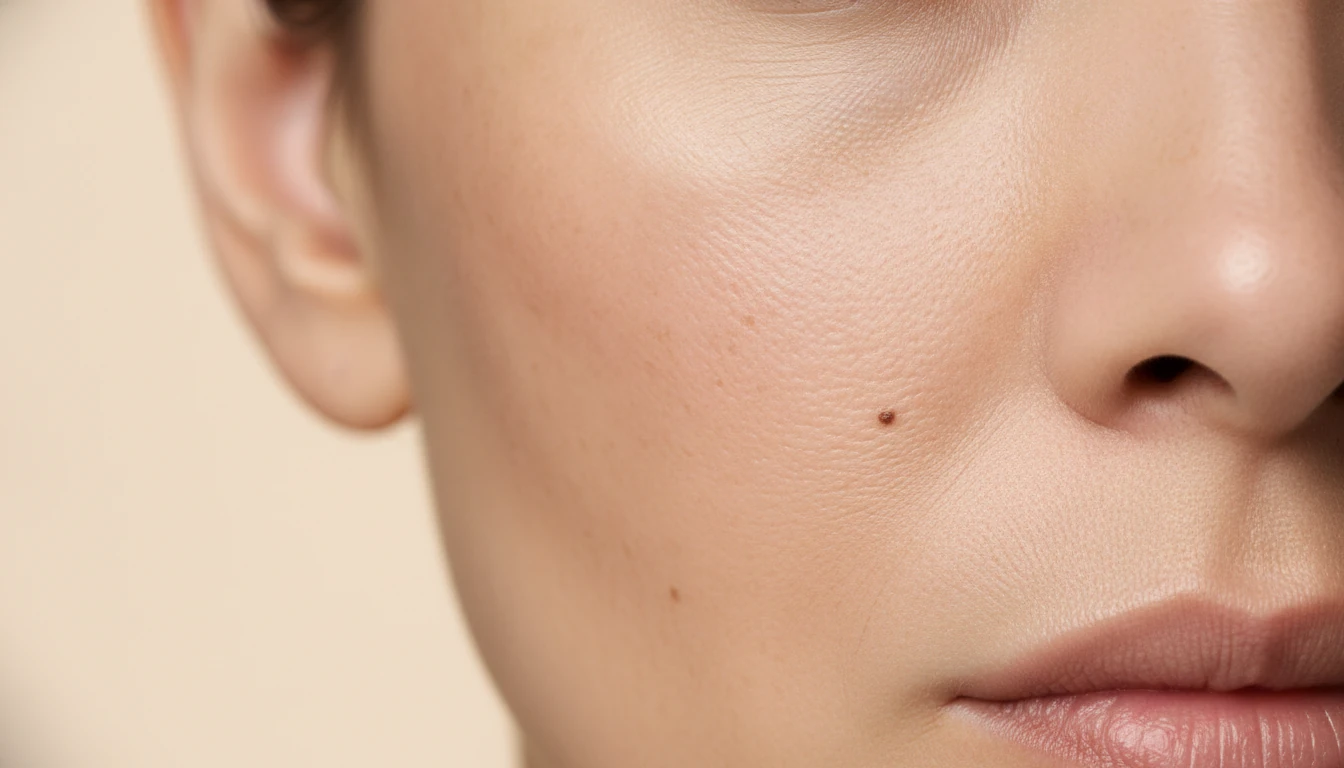
Dark spots — sometimes called hyperpigmentation, sun spots, age spots, or post-acne marks depending on their cause — are patches of skin that contain more melanin (the pigment that gives skin its color) than the skin around them. That extra pigment is what makes them appear darker, whether that’s light brown, dark brown, or in some cases a grayish or purplish tone depending on your skin tone and the depth of the pigment.
Dark spots are different from an overall uneven skin tone. Dark spots tend to be more localized — a specific mark on your cheek, a patch on your forehead, a spot where an old blemish used to be. Uneven skin tone usually refers to a broader, more diffuse variation in complexion across larger areas of the face, without one clearly defined spot.
Common forms of discoloration people notice include:
Small, flat marks left behind after a pimple heals
Larger, sun-related spots on the cheeks, forehead, or backs of the hands
Patches that seem to darken further after time in the sun
Faint discoloration that’s more visible in certain lighting
It’s normal to have some combination of these, and it’s also normal not to be totally sure which one you’re looking at. This article focuses on general, non-diagnostic skincare guidance — it’s not meant to identify exactly what type of pigmentation you have.
What Causes Dark Spots?
Dark spots can come from several different sources, and knowing the general cause can help you choose a more sensible routine.
Post-Acne Marks
When a breakout heals, it’s common to be left with a flat, discolored mark where the blemish used to be. This is known as post-inflammatory hyperpigmentation (PIH) — essentially, the skin produced extra pigment in response to the inflammation from the breakout. According to the American Academy of Dermatology, this type of mark is usually not a true scar; it’s flat discoloration that tends to fade on its own over time, unlike an actual scar, which changes the skin’s texture.
Sun Exposure
Ultraviolet (UV) exposure is one of the most common contributors to pigmentation, and it can also make existing dark spots more noticeable. Even brief, repeated sun exposure over months or years can gradually build up visible discoloration, which is part of why sunscreen plays such a central role in any dark-spot routine.
Skin Irritation or Inflammation
Any kind of repeated irritation — from harsh products, aggressive scrubbing, or reactive skin conditions — can contribute to discoloration over time. This is sometimes called post-inflammatory hyperpigmentation as well, even when it isn’t related to acne specifically.
Picking or Squeezing Breakouts
Picking at or squeezing a blemish increases inflammation in the area, which raises the likelihood of a dark mark forming once it heals. Left alone, many blemishes heal with less noticeable discoloration than ones that have been picked at.
Hormonal Changes
Some forms of pigmentation, including patches that appear symmetrically on the face, can be influenced by hormonal changes. This type of pigmentation often behaves a little differently than typical post-acne or sun-related spots and may need a more tailored approach.
Other Causes
Pigmentation can occasionally be related to other causes, including certain medications, underlying health conditions, or skin changes that aren’t simply “dark spots” in the everyday sense. If a mark is new, changing, or doesn’t fit the pattern of ordinary post-acne or sun-related discoloration, it’s worth having it looked at rather than assuming it’s routine hyperpigmentation. More on this in the “When to See a Dermatologist” section below.
The Best Skincare Routine for Dark Spots
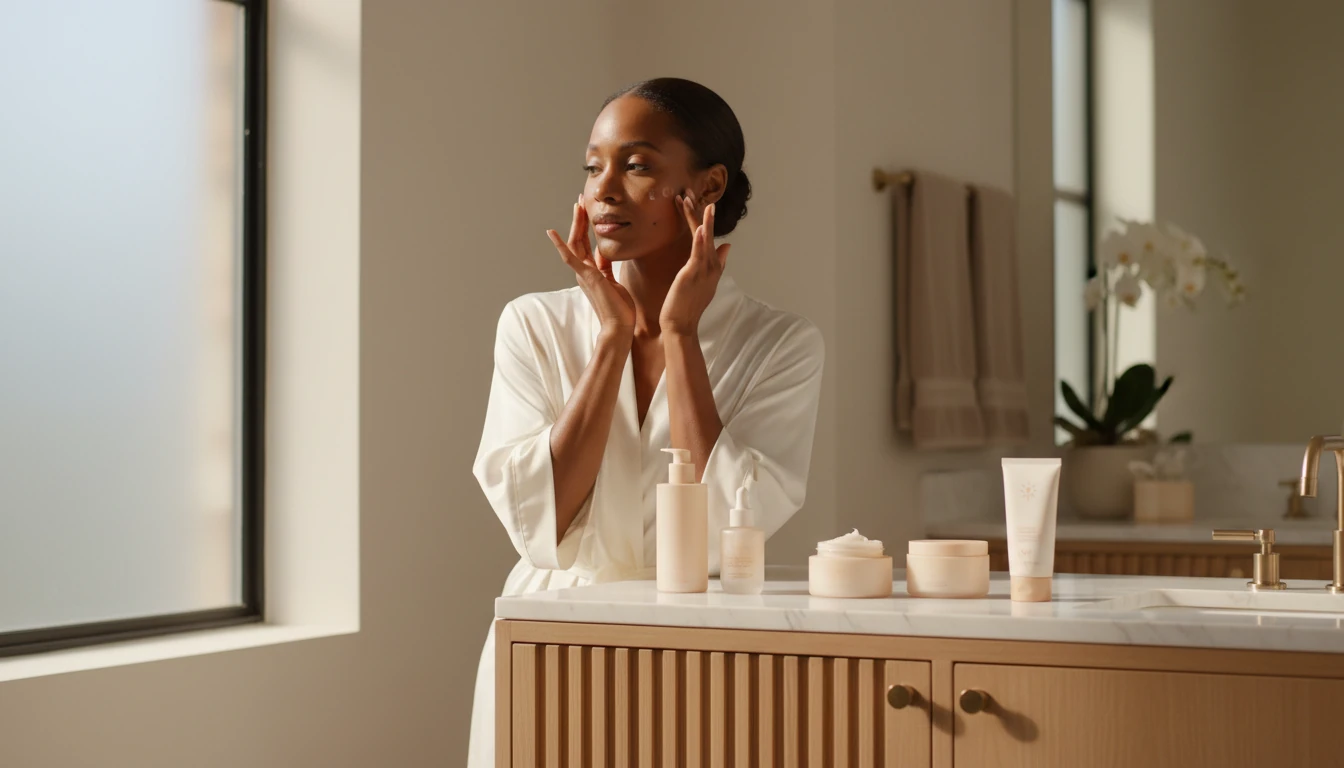
Before getting into every ingredient and skin-type variation, here’s the complete routine in its simplest form.
Morning
Gentle cleanser
Optional treatment serum (such as vitamin C or niacinamide)
Moisturizer
Broad-spectrum sunscreen
Night
Gentle cleanser
Treatment ingredient (one at a time)
Moisturizer
That’s genuinely the whole framework. Beginners don’t need multiple treatment products layered on top of each other — in fact, using too many active ingredients at once is one of the most common reasons people end up with irritation instead of improvement. Consistency with a simple routine will get you further than a complicated one you can’t stick with or that ends up irritating your skin.
Morning Skincare Routine for Dark Spots
01
Gentle Cleanser
Start your morning with a gentle cleanser rather than anything designed to deep-clean or strip the skin. Overly harsh cleansing can disrupt your skin barrier, and a compromised barrier tends to make skin more reactive — which isn’t helpful when you’re also trying to introduce a treatment ingredient.
As an Amazon Associate I earn from qualifying purchases.
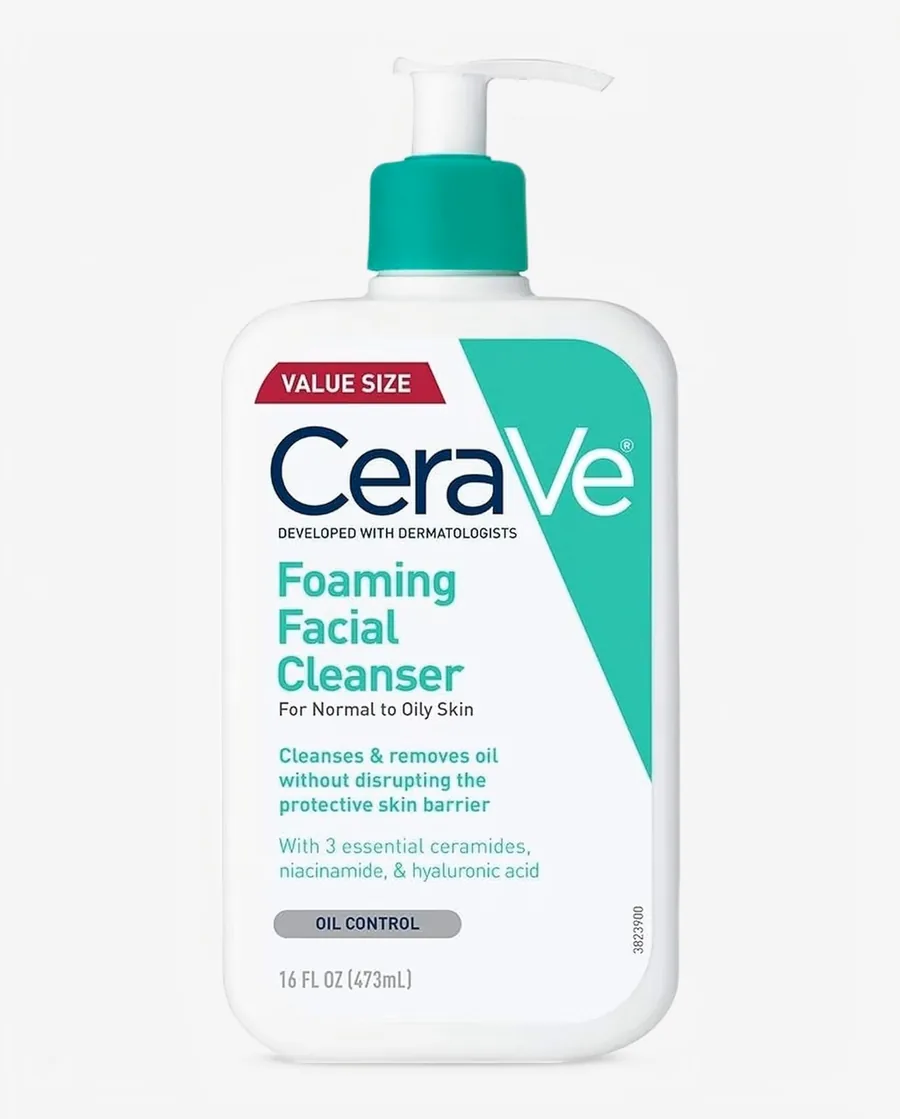
If you would like a specific product to try here, the CeraVe Foaming Facial Cleanser is a gentle, non-stripping cleanser that may be suitable for a dark-spot routine. (paid link)
Your skin type matters here. Dry or sensitive skin generally does better with a cream or lightly foaming, hydrating cleanser, while oily skin often prefers a lightweight gel cleanser that removes excess oil without over-drying. A cleanser on its own won’t fade dark spots — its job is simply to prepare clean, comfortable skin for the rest of your routine.
02
Optional Brightening Treatment
This step is optional, especially for beginners, but many people choose to add one brightening-focused ingredient in the morning. The most commonly used options include:
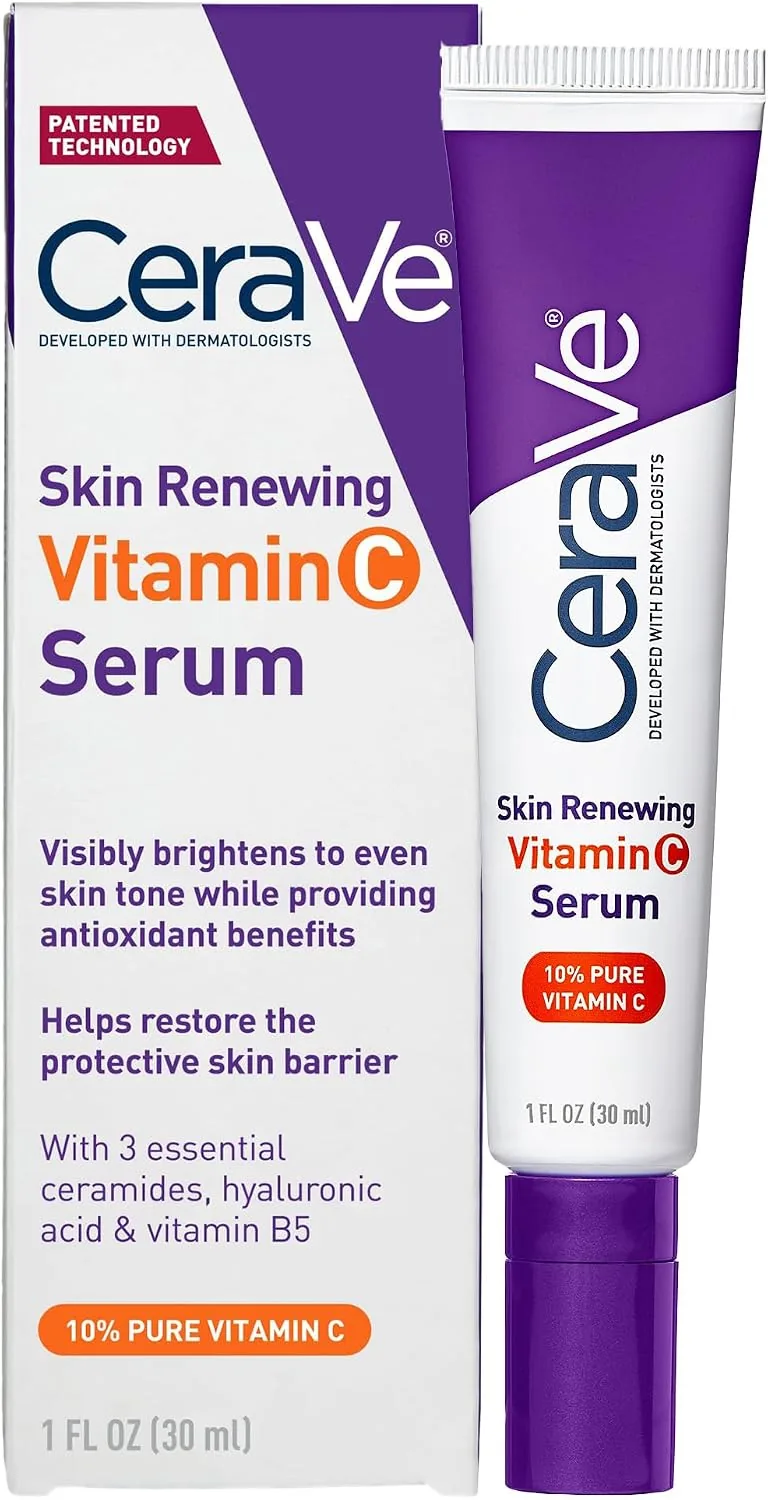
This step remains optional. If you would like to try a Vitamin C option, the CeraVe Vitamin C Serum is a formula some people add to a brightening-focused routine, though a simple routine without this step can still be effective. (paid link)
Vitamin C — an antioxidant often included in morning routines aimed at brightening and evening out the look of skin tone.
Niacinamide — a versatile ingredient frequently used for uneven-looking skin tone and general skin comfort, and one that tends to be well tolerated by most skin types.
Azelaic acid — commonly used in routines targeting both breakouts and discoloration.
You do not need all three. Choosing one is enough, and combining several strong actives right out of the gate is far more likely to cause irritation than to speed up results.
03
Moisturizer
A moisturizer supports hydration and general skin comfort, and it plays an important role in maintaining your skin barrier — especially once you introduce an active treatment ingredient into your routine. A healthy barrier makes your skin more resilient and better able to tolerate active ingredients without excessive dryness or sensitivity.
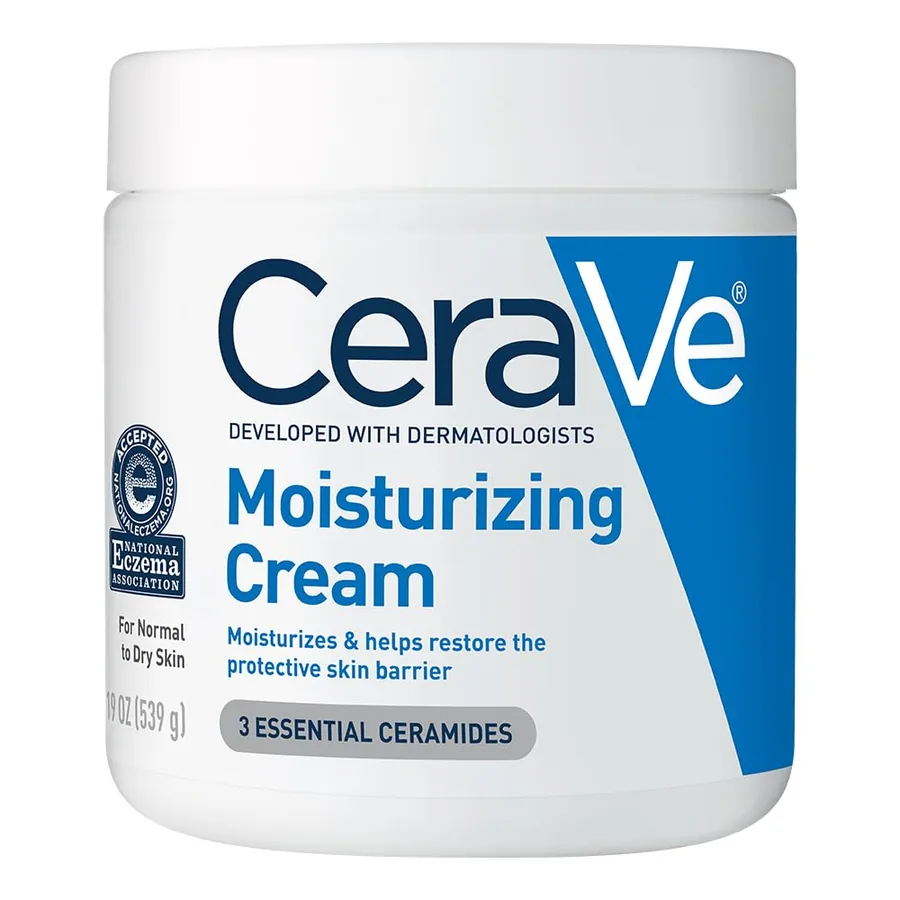
For a moisturizer option, the CeraVe Moisturizer can be an option to help support the skin barrier while other steps do their work. Individual results vary. (paid link)
Moisturizer itself doesn’t remove pigmentation; its role is to keep the skin comfortable, hydrated, and less prone to the kind of irritation that can make discoloration harder to manage. Choose a texture that fits your skin type — richer creams for dry skin, lighter lotions or gels for oily or combination skin.
04
Sunscreen
Sunscreen is arguably the single most important step in any dark-spot routine, and it deserves special attention.
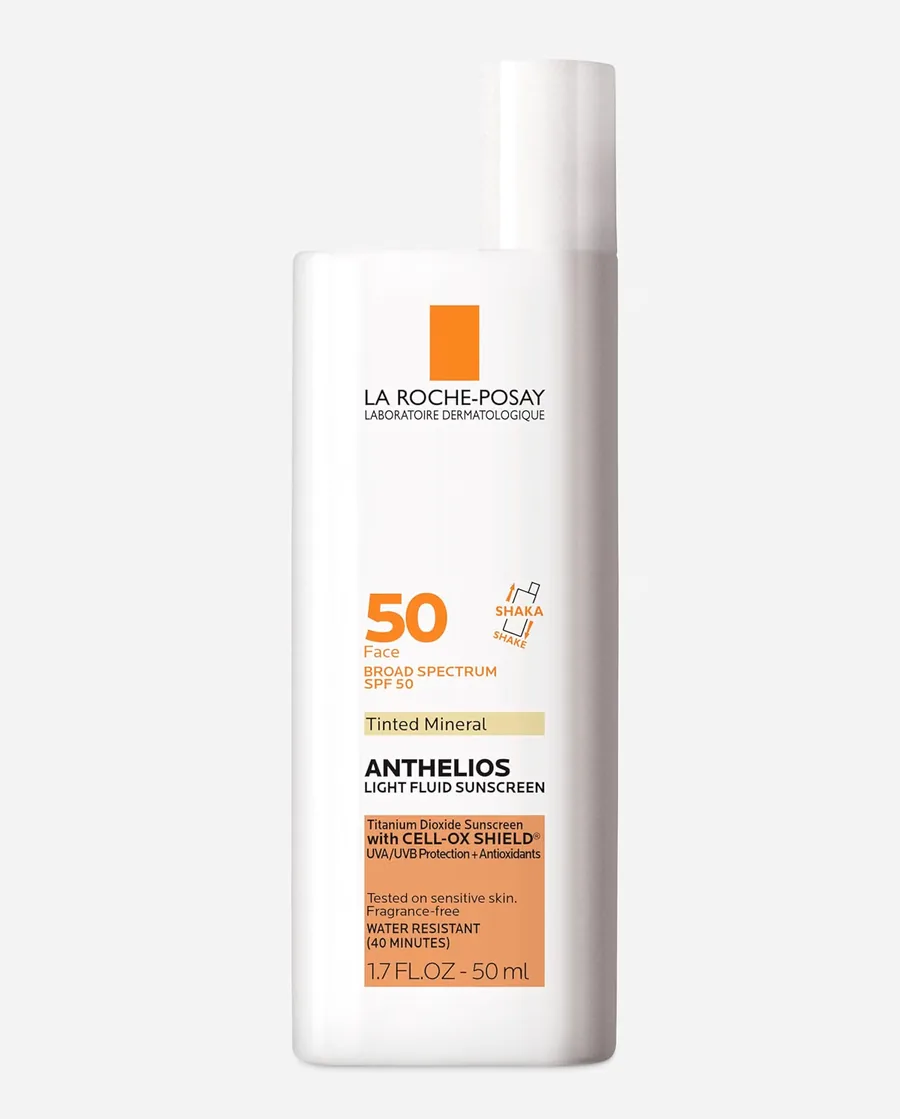
For daily sun protection, the La Roche-Posay Anthelios Sunscreen may be suitable as the daily UV-protection step in a dark-spot routine. (paid link)
Look for a broad-spectrum sunscreen, meaning it protects against both UVA and UVB rays, with an SPF of 30 or higher. For everyday use, a broad-spectrum sunscreen with SPF 30 or higher is a practical standard, particularly when pigmentation is a concern.
UV exposure is one of the main factors that can make existing dark spots more noticeable and contribute to new ones forming. Daily sunscreen use helps reduce additional UV-related darkening, which is part of why it’s considered foundational rather than optional in a dark-spot routine. Sunscreen does not “cure” dark spots and won’t reverse existing discoloration on its own — its role is protective, helping prevent the problem from getting worse while other parts of your routine and time do the rest.
The American Academy of Dermatology also notes that visible light, not just UV rays, can worsen hyperpigmentation, particularly in deeper skin tones — which is one reason tinted, mineral-based sunscreens containing iron oxide are sometimes recommended specifically for people focused on pigmentation concerns. The FDA notes that sunscreen should be reapplied at least every two hours, and more often if you’re sweating or swimming, since no sunscreen provides all-day protection from a single morning application.
Nighttime Skincare Routine for Dark Spots
01
Cleanse
Cleanse again in the evening to remove sunscreen, makeup, and the day’s buildup of oil and dirt. This step matters more at night than some people realize — leaving sunscreen or makeup on overnight can contribute to clogged pores and irritation, neither of which helps with discoloration.
02
Choose One Treatment
Nighttime is typically when people introduce their main treatment ingredient, and this is the step where it’s most important not to overdo it. Common options include:
Niacinamide — well tolerated by most skin types and can be used both morning and night.
Azelaic acid — used for both acne and discoloration concerns, although individual tolerance varies.
Retinoids (retinol or prescription-strength options) — widely used for skin renewal and often included in longer-term routines targeting texture and tone.
Other exfoliating or brightening ingredients, depending on your skin’s needs and tolerance.
Resist the urge to combine several strong actives at once — for example, a retinoid plus a strong acid exfoliant on the same night. Layering multiple potent ingredients increases the risk of irritation, redness, and a compromised skin barrier, which can ultimately set back your progress rather than speed it up.
If you choose a retinoid specifically:
Introduce it gradually — many people start with just two or three nights a week before working up to nightly use, depending on the specific product’s directions.
Always follow the product’s own instructions, since formulations and strengths vary widely.
Some irritation, dryness, or peeling is possible, especially early on, and easing in slowly can help reduce this.
Consistent daily sun protection is especially important while using retinoids.
If you are pregnant, breastfeeding, or considering pregnancy, talk with your doctor or dermatologist before starting a retinoid — this is an individual medical decision that shouldn’t be based on general skincare advice alone.
03
Moisturizer
Finish with a moisturizer to support your skin barrier and offset any dryness from your treatment step. If your skin feels irritated, tight, or sensitized, it’s usually better to simplify your routine — drop back to just cleanser, moisturizer, and sunscreen for a few days — rather than adding more active ingredients to try to fix it.
Key Ingredients Commonly Used for Dark Spots
Vitamin C
Vitamin C is an antioxidant frequently used in routines aimed at brightening the look of skin and supporting overall skin tone. It’s commonly applied in the morning, often underneath sunscreen. Like most skincare ingredients, it works gradually and isn’t a guarantee that any specific spot will fade — it’s better thought of as one supportive piece of a broader routine.
Niacinamide
Niacinamide (a form of vitamin B3) is one of the most commonly recommended ingredients for uneven-looking skin tone and general discoloration, largely because it tends to be well tolerated across skin types, including sensitive skin. It’s often used alongside other ingredients, though beginners can also use it as their only treatment step. See our niacinamide guide for more on how to use it.
Azelaic Acid
Azelaic acid is commonly used in skincare formulated for both acne-prone skin and discoloration, since it can address breakouts and the marks they sometimes leave behind. Azelaic acid may be a useful option for some people, although individual tolerance varies.
Retinol and Retinoids
Retinoids — including over-the-counter retinol and prescription-strength options like tretinoin or adapalene — are widely used in skincare aimed at skin renewal and long-term texture and tone improvement. Because they work by increasing skin cell turnover, they’re often included in routines targeting dark spots, but they typically require a gradual introduction and consistent use over weeks or months. Irritation, dryness, and increased sun sensitivity are common, especially at first, which is why easing in slowly and pairing retinoid use with daily sunscreen matters.
Alpha Hydroxy Acids
Alpha hydroxy acids (AHAs) such as glycolic acid and lactic acid are commonly used for exfoliation, and some people include them in routines targeting discoloration. That said, exfoliation isn’t required for everyone, and using AHAs too frequently or at too high a concentration can irritate the skin — which can potentially make existing discoloration look worse rather than better. If you choose to use an AHA, starting with lower frequency and paying attention to how your skin responds is a reasonable approach.
Ceramides and Barrier-Supporting Ingredients
Ceramides and similar barrier-supporting ingredients help maintain your skin’s natural protective layer. A well-supported barrier tends to make the rest of your routine easier to tolerate, since skin that isn’t compromised or overly reactive generally handles active ingredients — including retinoids, acids, and vitamin C — more comfortably. If you’re introducing a new treatment ingredient, choosing a moisturizer with ceramides can be a helpful supporting step.
Dark Spots vs Uneven Skin Tone
Concern
What It Usually Looks Like
Common Contributors
Routine Focus
Dark spots
More localized areas of darker pigmentation
Acne/inflammation, sun exposure, irritation, hormonal changes
Sunscreen, gentle routine, targeted treatment
Uneven skin tone
Broader variation in complexion across different areas
UV exposure, irritation, inflammation, environmental and hormonal factors
Sun protection, barrier support, consistent skincare
If your concern feels more like the second row than the first, our skincare routine for uneven skin tone guide covers that in more depth. And if what you’re noticing is more of an overall flat or tired look rather than specific darker patches, that’s closer to dull-looking skin — see our skincare routine for dull skin guide instead.
How to Choose a Dark-Spot Routine for Your Skin Type
Oily Skin
Oily skin generally tolerates lightweight, gel-based cleansers and oil-free, gel or lotion moisturizers well. Treatment ingredients like niacinamide are often a comfortable starting point, and many people with oily skin can also tolerate azelaic acid or a gentle AHA without much issue — though it’s still worth introducing anything new gradually. Look for sunscreens labeled oil-free or matte-finish to avoid a heavy feel. For a full breakdown, see our skincare routine for oily skin.
Dry Skin
Dry skin usually does better with a cream or hydrating cleanser and a richer, more emollient moisturizer. Treatment ingredients can be more likely to feel drying on already-dry skin, so starting with a gentler option like niacinamide, and using it less frequently at first, often works better than jumping straight to a strong exfoliant or retinoid. Our skincare routine for dry skin guide has more detail on building a comfortable routine.
Combination Skin
Combination skin sometimes benefits from applying products strategically — a lighter touch of treatment or a mattifying sunscreen in oilier areas like the T-zone, and a bit more moisturizer in drier areas like the cheeks. A gel-cream moisturizer is often a reasonable middle ground. See our skincare routine for combination skin guide for a fuller routine.
Sensitive Skin
Sensitive skin should generally start with the gentlest possible version of a dark-spot routine: a mild cleanser, a simple moisturizer, and mineral sunscreen, before introducing any treatment ingredient at all. When you do add a treatment, niacinamide or azelaic acid are often better-tolerated starting points than stronger acids or retinoids. Patch testing new products and introducing them one at a time is especially important here. Our skincare routine for sensitive skin guide walks through this in more depth.
Normal Skin
Normal skin generally has more flexibility with texture and ingredient choice, and most standard cleansers, moisturizers, and treatment ingredients tend to be well tolerated. Even so, it’s still worth introducing any new active ingredient gradually rather than assuming your skin will handle everything at once. Our skincare routine for normal skin guide covers the basics.
Acne-Prone Skin
If your dark spots are mainly post-acne marks, your routine needs to address both the acne itself and the discoloration it leaves behind. Non-comedogenic (won’t clog pores) products are worth prioritizing, and azelaic acid can be a useful dual-purpose ingredient since it’s commonly used for both acne and discoloration. See the dedicated section below, and our full skincare routine for acne-prone skin guide, for more.
Common Mistakes When Treating Dark Spots
1
Skipping sunscreen
This is the single most common and most impactful mistake — without daily sun protection, existing spots are more likely to stay visible longer and new ones can form.
2
Using too many active ingredients
Combining vitamin C, a retinoid, an AHA, and azelaic acid all at once is far more likely to irritate your skin than to speed up fading.
3
Over-exfoliating
Exfoliating too often or with products that are too strong can damage your skin barrier and potentially worsen discoloration.
4
Picking acne
Picking or squeezing blemishes increases inflammation and raises the odds of a mark forming once the breakout heals.
5
Scrubbing dark spots aggressively
Physically scrubbing a spot doesn’t make it fade faster and can irritate the skin, making things worse.
6
Changing products too frequently
Skincare ingredients generally need weeks to months of consistent use to show any visible difference — switching every week or two doesn’t give anything a fair chance to work.
7
Expecting overnight results
Dark spots form gradually and tend to fade gradually; there’s no realistic version of this process that happens in a few days.
8
Ignoring skin irritation
Redness, stinging, or excessive dryness are signs to pull back, not signs to push through.
9
Using multiple strong treatments simultaneously
Layering several potent actives at once increases irritation risk without necessarily improving results.
10
Making the routine unnecessarily complicated
A simple, consistent routine is generally more sustainable — and more effective in practice — than an elaborate one you can’t keep up with.
Can Exfoliation Help With Dark Spots?
Exfoliation removes dead skin cells from the surface of the skin, and some people include it in their routine using chemical exfoliants like AHAs. In some cases, this can be part of a broader routine aimed at improving the look of texture and tone.
That said, exfoliation is optional — it is not a required step for everyone dealing with dark spots, and plenty of effective routines don’t include a dedicated exfoliation step at all. Sensitive skin in particular may need to approach exfoliation cautiously, if at all, since it can be more prone to irritation from acids or physical scrubs.
Over-exfoliating is a real risk. Using a chemical exfoliant too often, layering it with other actives, or choosing a concentration that’s too strong for your skin can damage the skin barrier and lead to redness, sensitivity, or irritation — which can make discoloration look more pronounced rather than less. Physical scrubs with rough, gritty particles are best avoided altogether, especially directly over areas of discoloration.
How Long Does It Take for Dark Spots to Look Better?
There’s no fixed timeline that applies to everyone, and it’s worth being skeptical of any claim that promises results in a specific number of days or weeks. How long it takes for dark spots to look better depends on several factors:
The underlying cause — post-acne marks, sun-related spots, and hormonally influenced pigmentation don’t all behave the same way.
The depth and type of pigmentation — some discoloration sits closer to the skin’s surface and may respond more visibly to topical products than deeper pigmentation.
Your skin type — sensitive skin may need a slower, gentler approach, which can also affect how quickly you can build up an effective routine.
Consistency — a routine used sporadically will generally take longer to show any change than one used consistently.
Ongoing sun exposure — continued unprotected sun exposure can offset progress from other parts of your routine.
Irritation — a routine that irritates the skin can slow things down rather than speed them up.
Which treatment ingredient you’re using — different ingredients work through different mechanisms and at different speeds.
Given all of these variables, it’s more realistic to think in terms of months of consistent use rather than days or weeks, and to expect gradual, incremental change rather than a dramatic before-and-after.
Simple Beginner Routine
If everything above feels like a lot, here’s the version to actually start with.
AM
Cleanser → Optional Vitamin C or Niacinamide → Moisturizer → Broad-spectrum sunscreen
PM
Cleanser → One treatment (niacinamide, azelaic acid, or a gradually introduced retinoid) → Moisturizer
Start with this basic framework and add only one treatment ingredient at a time. If you’re completely new to skincare in general, our skincare routine for beginners guide is a good starting point before layering in dark-spot-specific treatments.
What If Dark Spots Are From Acne?
Acne and post-acne dark spots are closely connected, so managing one often means paying attention to the other. A few things matter most here:
Controlling active breakouts is part of preventing new marks — the fewer inflamed blemishes you have, the fewer opportunities there are for post-inflammatory hyperpigmentation to form. Avoiding picking or squeezing breakouts is especially important, since manipulating a blemish tends to increase inflammation and raises the likelihood of a mark once it heals.
Sunscreen remains just as important here as anywhere else in this guide — post-acne marks can become more noticeable with sun exposure, just like other forms of pigmentation. Keeping your overall routine gentle also matters: acne-prone skin dealing with dark spots doesn’t need an unnecessarily heavy or aggressive routine layered with multiple strong actives, since irritation can worsen both active breakouts and existing discoloration.
When sun exposure is the main driver, prevention becomes the priority alongside any topical treatment:
Apply broad-spectrum sunscreen daily, not just on sunny days or beach trips.
Seek shade when possible, especially during peak sun hours.
Wear protective clothing that covers exposed skin when you’re outdoors for extended periods.
Use a wide-brimmed hat to protect your face and scalp.
Limit intentional, intense direct sun exposure, such as sunbathing.
Stay consistent — sun protection is a daily habit, not an occasional one.
It’s worth being realistic here too: skincare can support the appearance of sun-related discoloration over time, but it can’t fully reverse all the skin changes that come from years of cumulative sun exposure. Prevention going forward is just as important as anything you apply to existing spots.
When to See a Dermatologist
Most everyday dark spots are a cosmetic concern that can be approached with a consistent skincare routine, but some situations call for professional evaluation rather than a DIY approach. Consider seeing a dermatologist if:
A spot is new and looks unusual compared to your other marks.
Pigmentation changes noticeably in color or darkness.
A spot changes in size, shape, color, or overall appearance over time.
There is bleeding, crusting, pain, or persistent irritation associated with a spot.
Discoloration keeps getting worse despite a gentle, consistent routine.
You’re unsure what type of pigmentation you’re dealing with.
Pigmentation is widespread or significantly affecting how you feel day to day.
This article can’t and doesn’t diagnose skin cancer or any specific skin condition. Any mark that’s changing, unusual, or concerning deserves a professional look rather than guesswork.
FAQ
A simple, consistent routine works best: gentle cleanser, moisturizer, and daily broad-spectrum sunscreen in the morning, plus one treatment ingredient (such as niacinamide, azelaic acid, or a retinoid) introduced gradually at night.
Yes. Daily broad-spectrum sunscreen helps reduce additional UV-related darkening of existing spots and lowers the chance of new ones forming, though it doesn’t reverse pigmentation that’s already there.
Several ingredients are commonly used, including vitamin C, niacinamide, azelaic acid, and retinoids. Most people do best starting with just one rather than combining several at once.
Yes, many people use both — often vitamin C in the morning and niacinamide at night, or together, depending on the specific products and how their skin responds. If you’re new to both, introducing one at a time can make it easier to tell what’s working.
Retinol is commonly used in routines targeting skin renewal and long-term tone and texture, including dark spots. It typically needs to be introduced gradually and paired with consistent sunscreen use, since it can increase sun sensitivity.
Exfoliation can be part of some dark-spot routines, but it’s optional rather than required, and over-exfoliating can irritate the skin and potentially make discoloration more noticeable.
No, especially as a beginner. Using several strong active ingredients together increases the risk of irritation and doesn’t necessarily speed up results. Start with one treatment and give it time before adding another.
There’s no fixed timeline — it depends on the cause, depth of pigmentation, your skin type, consistency, sun exposure, and which treatment you’re using. Most people should expect gradual change over months rather than days or weeks.
New dark spots can form if the underlying cause continues — for example, ongoing sun exposure without sunscreen, or new breakouts that are picked at. Maintaining sun protection and a gentle, consistent routine helps reduce the likelihood of new spots.
See a dermatologist if a spot is new and unusual, changes in size, shape, or color, bleeds, crusts, or is painful, or if discoloration keeps worsening despite a gentle routine. Professional evaluation is also reasonable if you’re simply unsure what type of pigmentation you’re dealing with.
Product Recommendations
In addition to the specific products mentioned above, here are the general categories worth having in a dark-spot routine:
A gentle, fragrance-free cleanser suited to your skin type (cream or hydrating for dry/sensitive skin, gel-based for oily skin).
A daily moisturizer with a texture that matches your skin type, ideally containing barrier-supporting ingredients like ceramides.
A broad-spectrum sunscreen, SPF 30 or higher, worn every day regardless of weather or season. Tinted, mineral-based options may be worth considering if visible-light-related pigmentation is a concern for you.
One brightening or treatment serum — such as a vitamin C serum for morning use, or a niacinamide, azelaic acid, or retinoid product for nighttime use — chosen based on your skin type and tolerance rather than picking several at once.
This list is intentionally general beyond the specific picks above, since the right product within each category still depends on your individual skin type, budget, and tolerance.
This article is for general educational purposes only and is not a substitute for professional medical advice, diagnosis, or treatment. Skin concerns can have different causes, so consult a qualified healthcare professional or dermatologist if you have persistent, changing, painful, or concerning skin changes.
Get New Guides in Your Inbox
No spam, no filler — just new articles as we publish them.