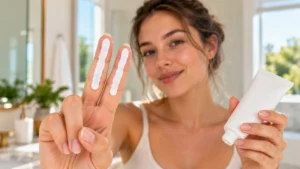
Best Gentle Cleansers for Beginners: 7 Easy Options by Skin Type
September 24, 2026
If you’re new to skincare, the cleanser aisle can feel like a trap. Every bottle promises to be “gentle,” “dermatologist-recommended,” or “perfect for sensitive skin.” Front-label terms alone don’t tell you whether a cleanser will suit your skin — what matters more is the product’s intended skin type, formulation, fragrance status, and how your own skin responds to it.
This guide narrows things down. Instead of one universal “best” pick, you’ll find seven beginner-friendly cleanser options, each suited to a different skin type or need, plus the background you need to understand what to look for in a gentle cleanser — not just take a label’s word for it.
There’s no single objective “best” gentle cleanser. The right one depends on your skin type, how your skin responds to fragrance and foaming agents, and what else is going on with your routine. This article is designed to help you narrow the field, not hand you one universal answer.
If you haven’t yet figured out what skin type you have or which type of cleanser (cream, gel, foam, oil) generally suits it, start with our guide to choosing a cleanser for your skin type — this article picks up from there and focuses on specific product options.
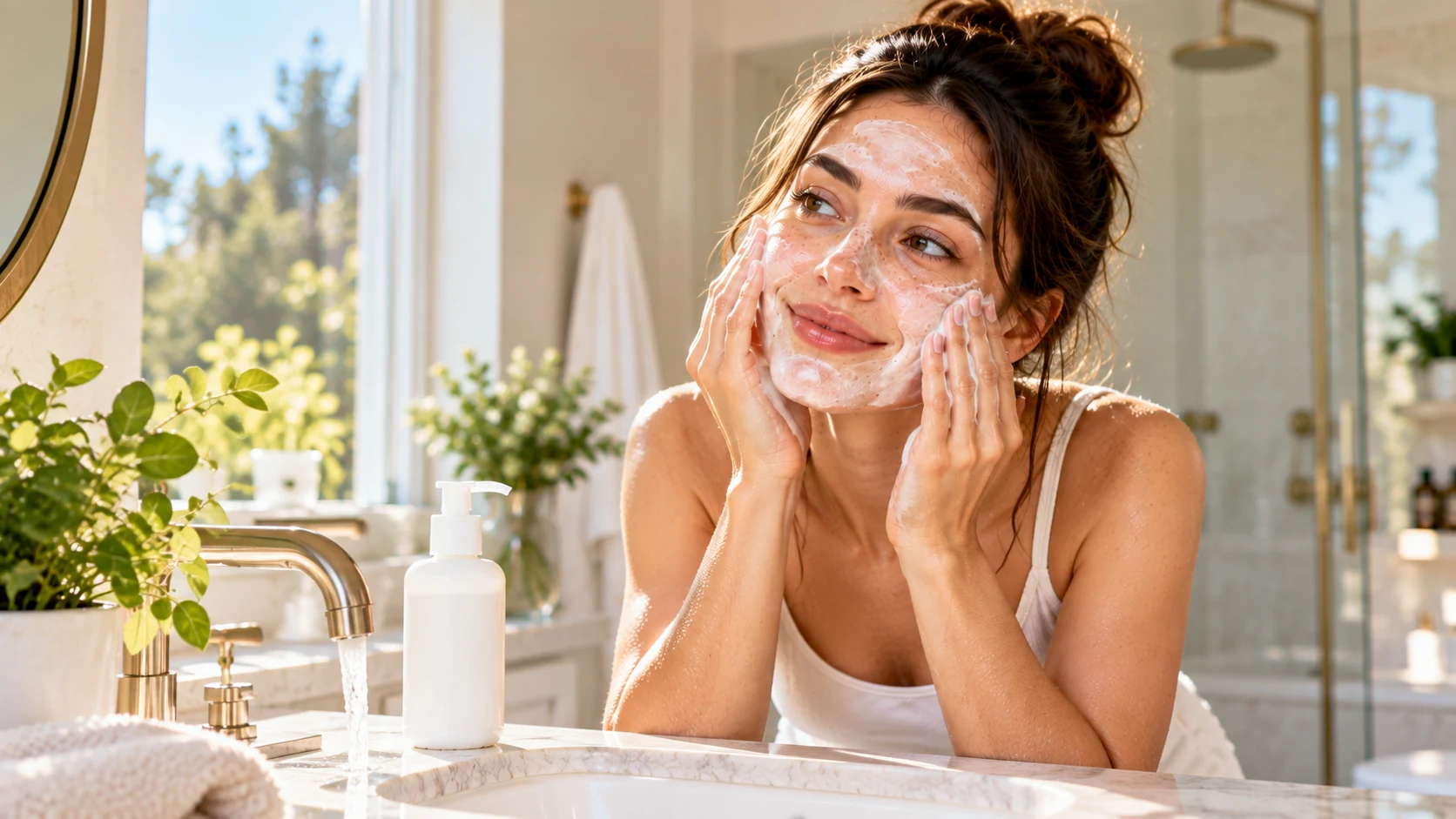
A cleanser’s main job is simple: remove dirt, oil, sunscreen, and makeup without stripping the skin barrier that keeps moisture in and irritants out. According to the American Academy of Dermatology (AAD), that means using “a gentle, non-abrasive cleanser that does not contain alcohol,” applying it with your fingertips rather than a washcloth or sponge (which “can irritate your skin”), washing with lukewarm water, and resisting the urge to scrub.
For beginners specifically, cleanser choice matters more than it might seem. A harsh, over-drying, or overly stripping cleanser is one of the most common reasons new skincare routines go sideways — tightness, flaking, and reactive breakouts often trace back to the first step, not the last. We cover more beginner pitfalls like this in Common Skincare Mistakes Beginners Make.
The good news: you don’t need an expensive or complicated cleanser to get this right. Some of the most consistently gentle, well-tolerated options are inexpensive drugstore staples.
How We Chose These Gentle Cleansers
We did not run our own product testing, panel trials, or lab analysis — no cleanser on this list was personally “tested” by our team, and we’re not claiming otherwise. Instead, each product was selected and verified using publicly available, official information:
Formulation and ingredient claims were checked against each brand’s own official U.S. product pages (CeraVe, Cetaphil, Vanicream, La Roche-Posay, Aveeno, and Neutrogena), not third-party retailer copy or marketing blurbs.
General cleansing guidance (gentleness, technique, frequency) is grounded in publicly published AAD patient guidance, cited and linked below.
Selection criteria prioritized: fragrance-free or minimal-fragrance formulas, soap-free or non-soap surfactant systems, availability at major U.S. retailers, and a distinct, genuinely useful role for a different skin type or beginner scenario — not just brand popularity.
We did not accept manufacturer marketing claims (like “dermatologist recommended” or “hypoallergenic”) as medical fact; where a claim appears below, it’s presented as the brand’s own claim, not an independent finding.
The “Best For” category attached to each product below (e.g., “Best for Dry Skin,” “Best Overall for Beginners”) is AvaFitCare’s own editorial categorization, based on the verified formulation and skin-type information described in each entry — it is not a clinical ranking, a medical endorsement, or a claim that one product is objectively superior to another.
Nothing here is a paid ranking. If and when affiliate links are added to this article, that will not change which products are included or how they’re described — you can read our full affiliate disclosure below.
Quick Comparison: 7 Gentle Cleansers at a Glance
Product
Best For
Texture
Fragrance
Key Ingredients
CeraVe Hydrating Facial Cleanser
Dry skin
Non-foaming cream
Fragrance-free
Ceramides, hyaluronic acid
Cetaphil Gentle Skin Cleanser
Overall / most versatile
Non-foaming lotion
Fragrance-free
Niacinamide, panthenol, glycerin
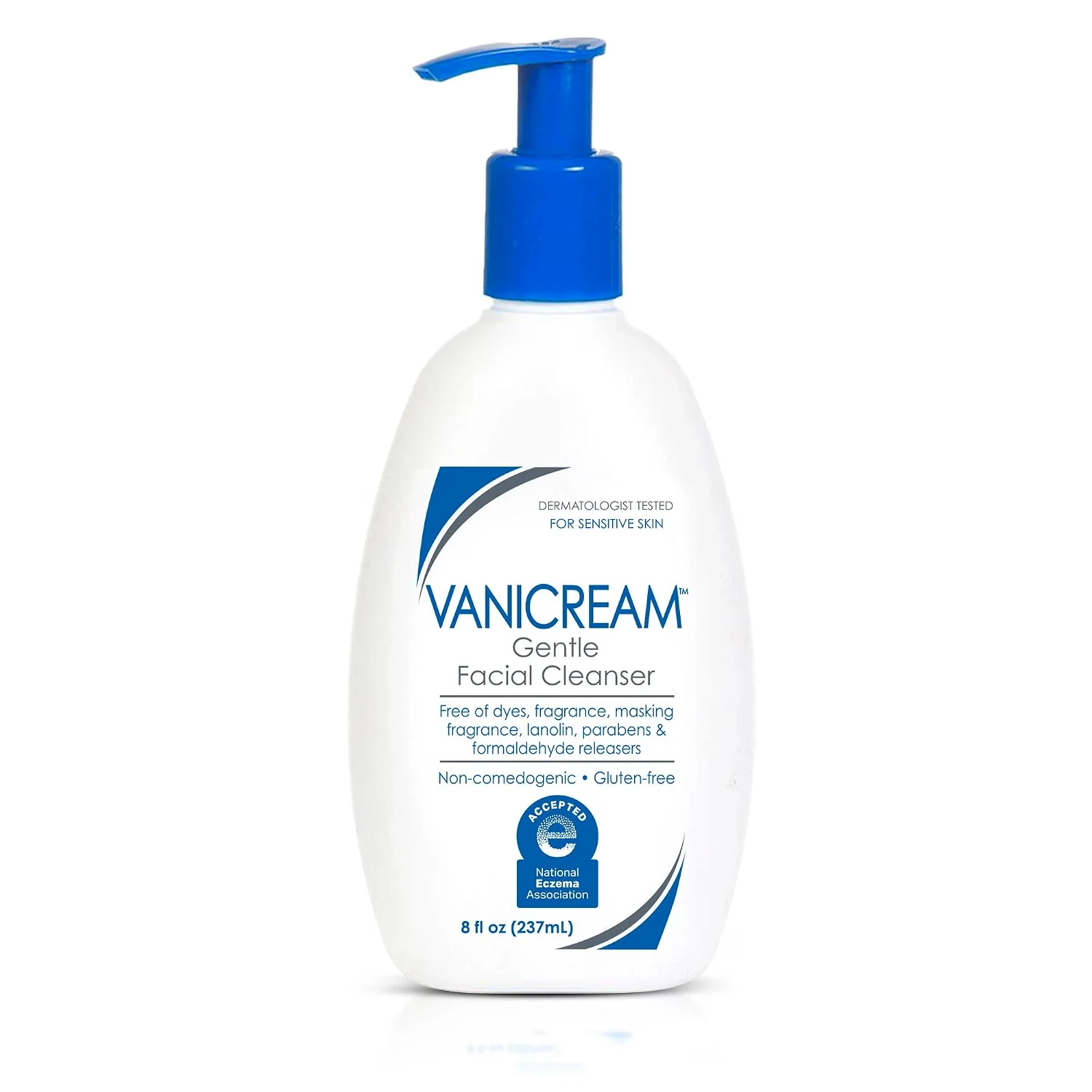
Vanicream Gentle Facial Cleanser
Very sensitive/reactive skin
Non-foaming, pump
Fragrance-free
Glycerin, coco-glucoside
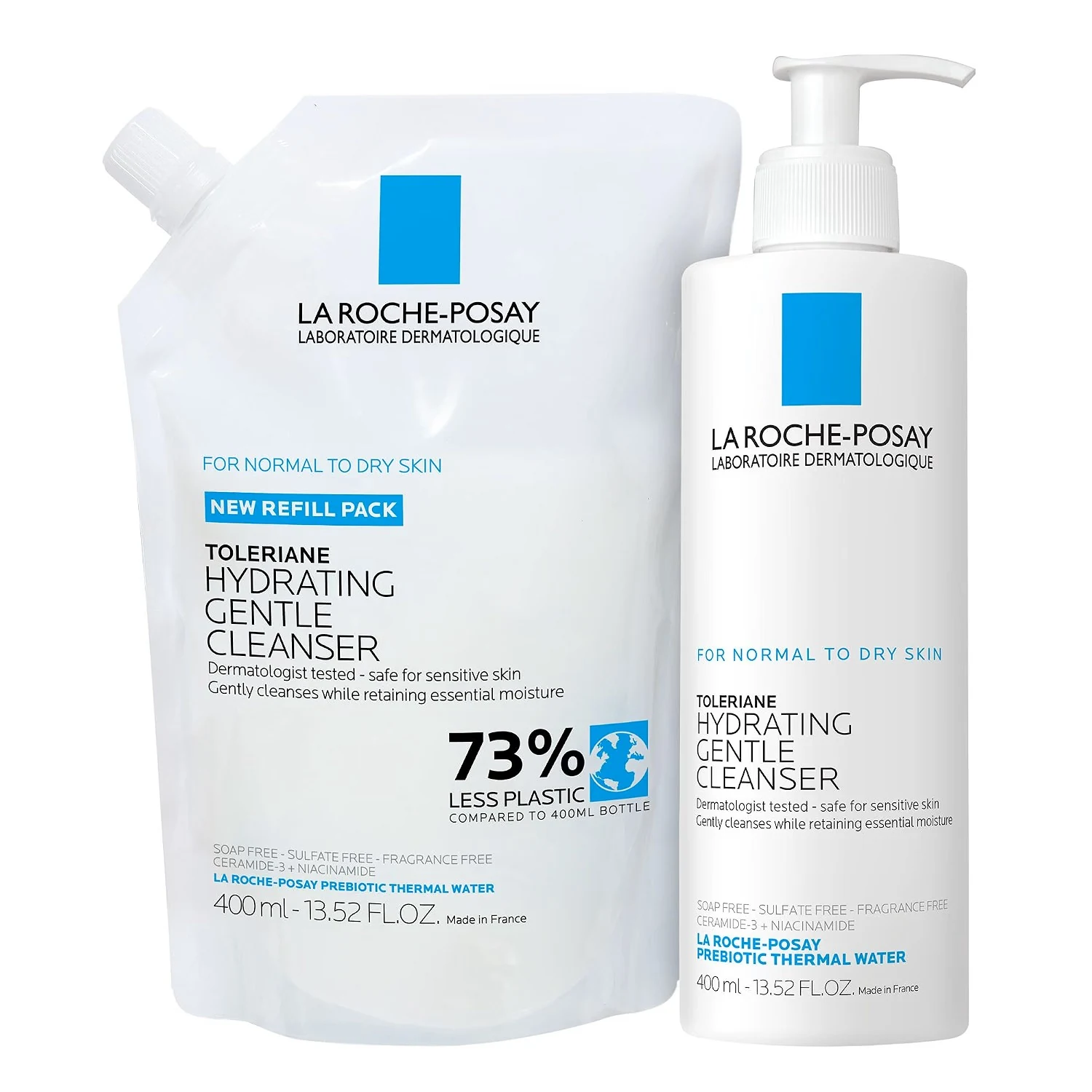
La Roche-Posay Toleriane Hydrating Gentle Cleanser
Sensitive-dry skin, barrier support
Non-foaming cream
Fragrance-free
Ceramide-3, niacinamide, glycerin
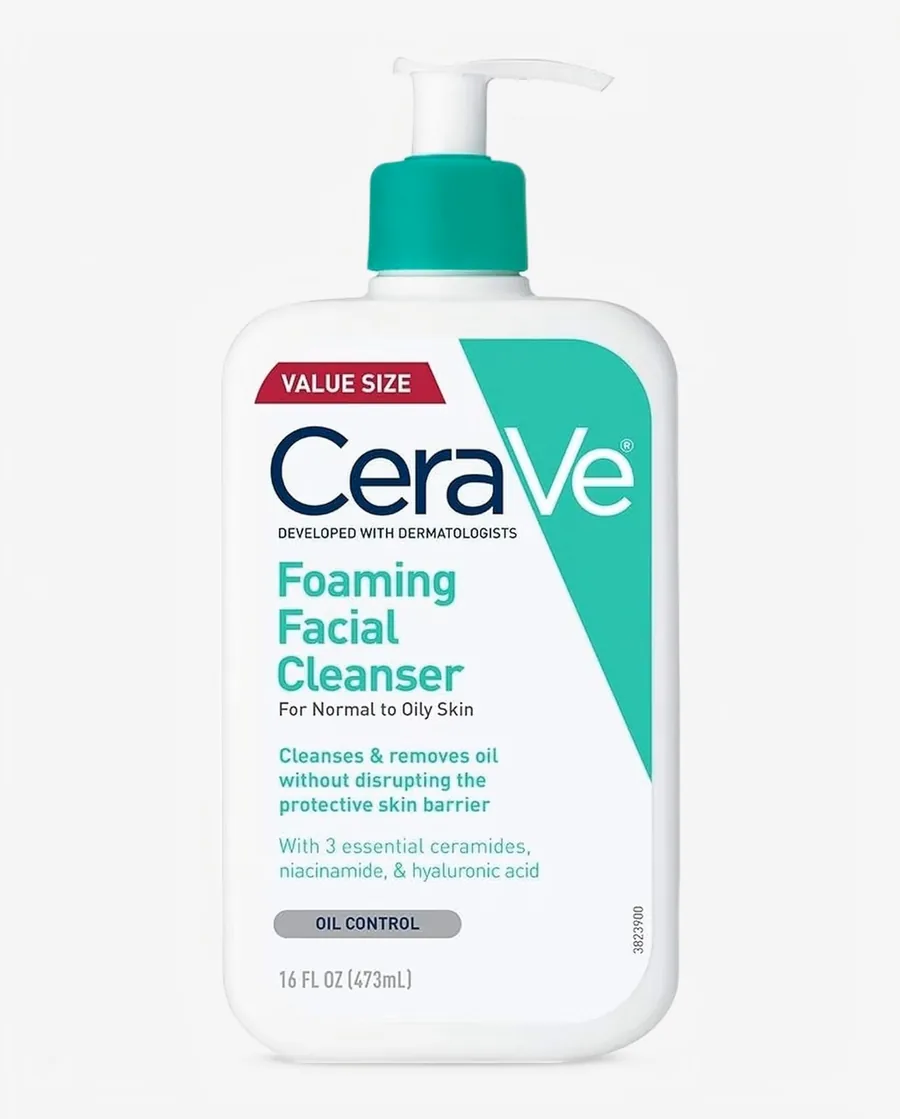
CeraVe Foaming Facial Cleanser
Oily/combination skin
Foaming gel
Fragrance-free
Ceramides, niacinamide
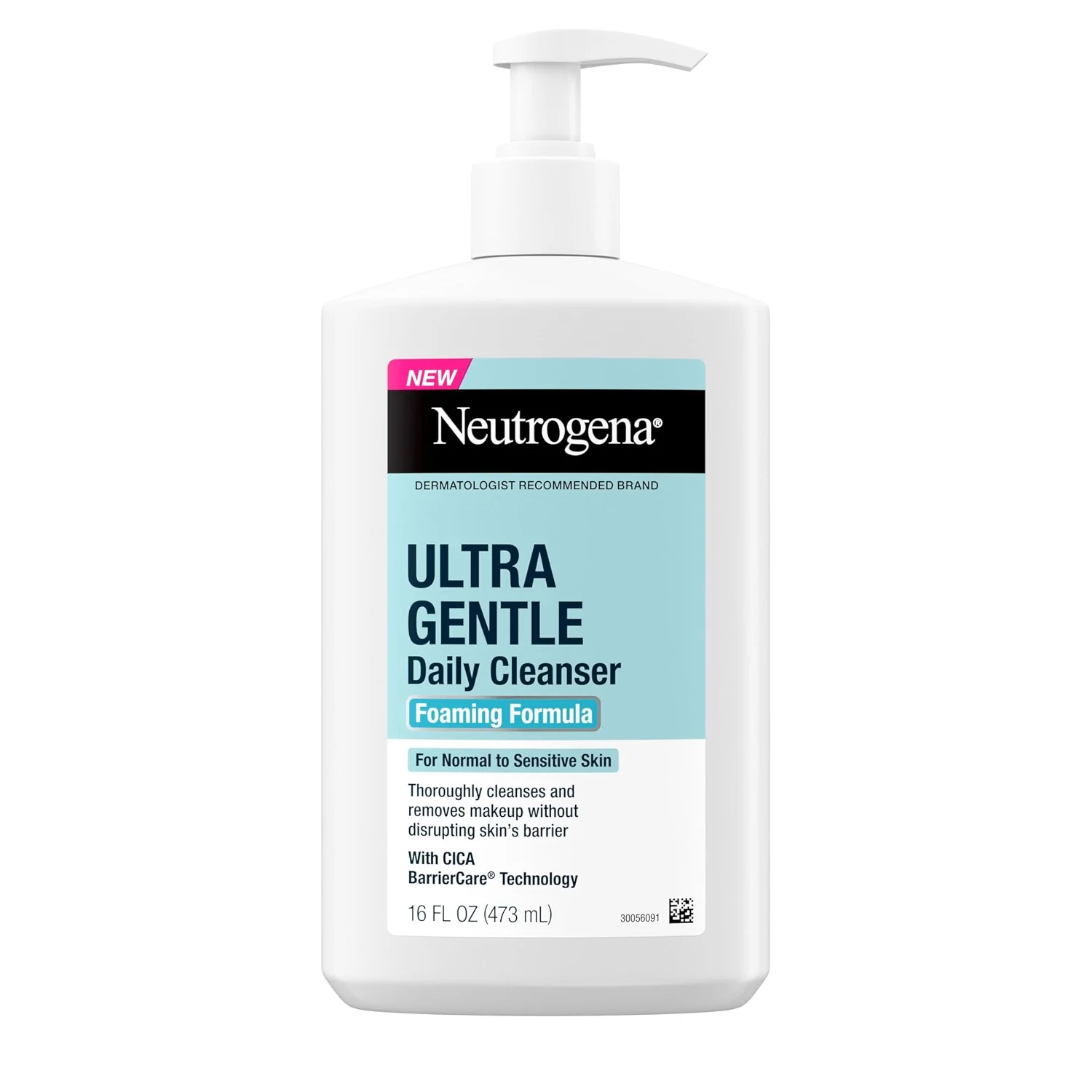
Neutrogena Ultra Gentle Daily Cleanser (Foaming)
Budget-friendly foaming option
Foaming
Fragrance-free
Glycerin, CICA
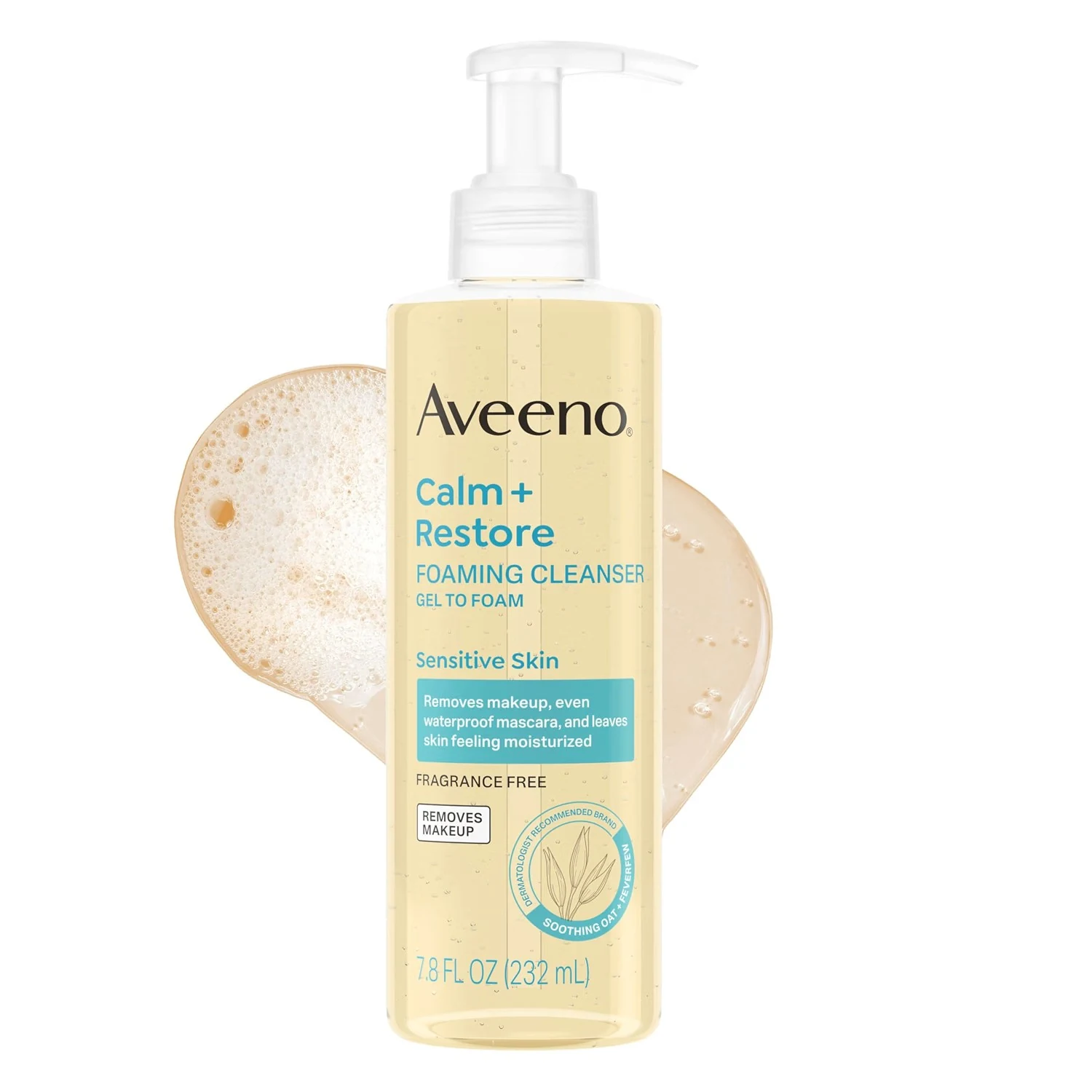
Aveeno Calm + Restore Foaming Cleanser
Sensitive skin + makeup removal
Gel-to-foam
Fragrance-free
Oat, feverfew, hyaluronic acid
No product on this list has been independently rated, scored, or awarded by AvaFitCare. This table summarizes publicly available formulation information for comparison purposes only.
The 7 Best Gentle Cleansers for Beginners
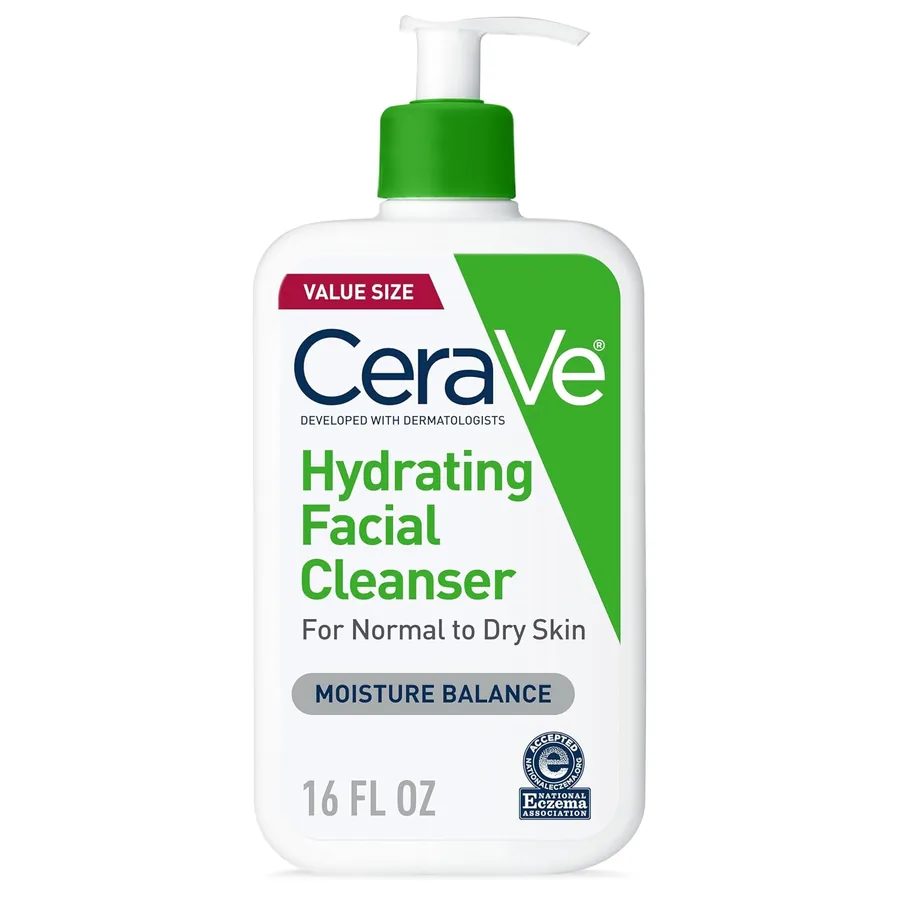
1. CeraVe Hydrating Facial Cleanser — Best for Dry Skin
Best for: Normal-to-dry skin that needs cleansing without added dryness.
Why it made the list: AvaFitCare selected this as our Best for Dry Skin pick because of its ceramide-and-hyaluronic-acid formula and non-foaming, cream-based texture, which CeraVe describes as designed to cleanse without disrupting the skin’s moisture balance — an approach that can help avoid the tight, “squeaky-clean” feeling that sometimes signals over-stripping.
Key features: Formulated with three ceramides and hyaluronic acid, per CeraVe’s official product information, to support the skin’s moisture barrier while cleansing.
Fragrance: Fragrance-free, per the brand’s official listing.
Good to know: This is the same cleanser we point beginners toward as a starter pick in Best Skincare Products for Beginners — we’re repeating it here deliberately, because it remains a straightforward, fragrance-free option for dry, beginner-prone skin, not because we ran out of alternatives.
Potential drawback: Because it’s non-foaming and doesn’t lather, some people (especially those used to foaming face washes) may feel like it “isn’t cleansing enough,” even though it’s designed to work this way.
Who should skip it: Those with oily or acne-prone skin who want a cleanser that also helps manage excess shine — see the oily/combination pick below instead.
Bottom line: A fragrance-free, ceramide-based starting point for dry or normal-to-dry skin, with broad availability through major U.S. skincare retailers.
For a closer look at the texture, non-foaming cleansing experience, makeup and sunscreen removal, and skin-type tradeoffs, read our CeraVe Hydrating Facial Cleanser review.
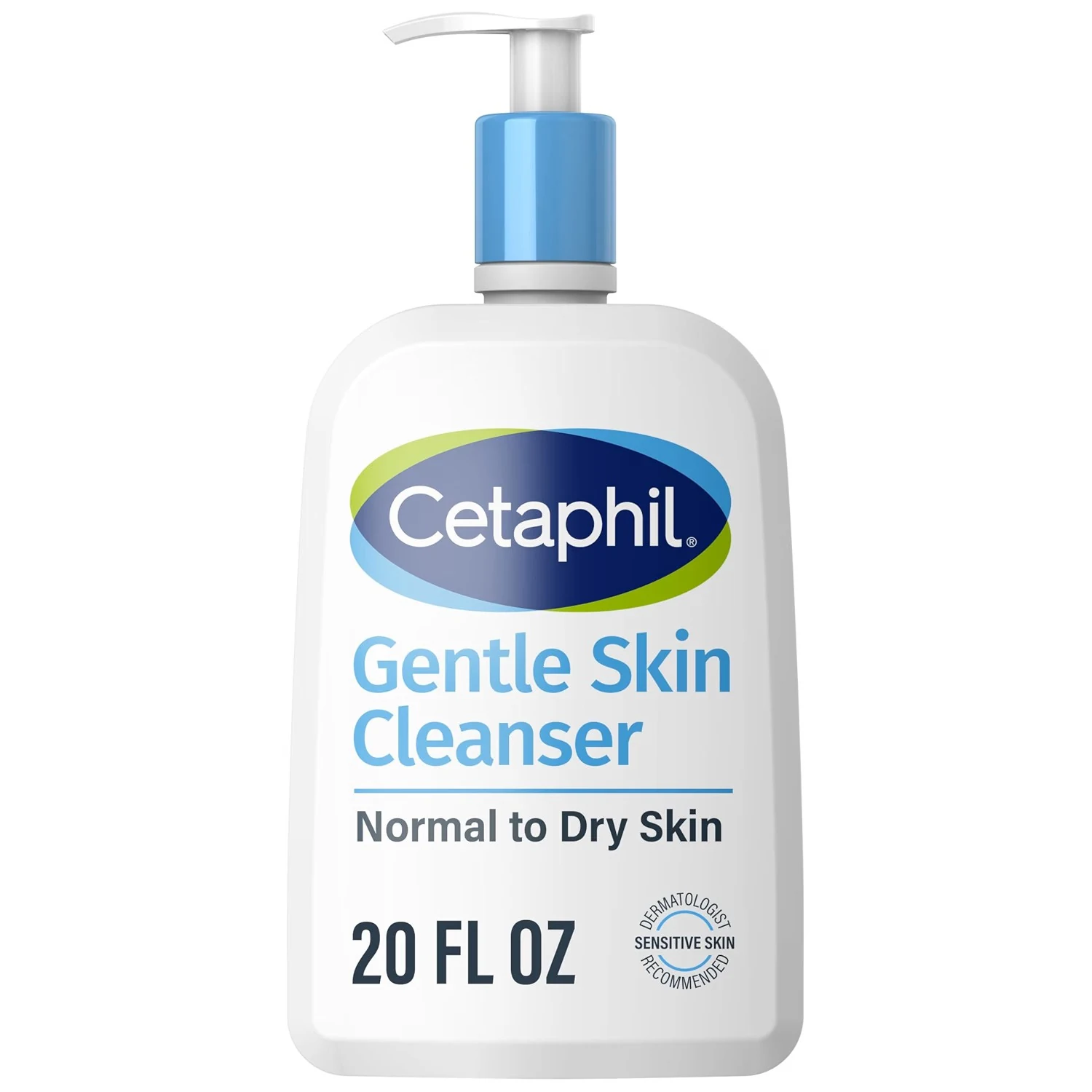
2. Cetaphil Gentle Skin Cleanser — Best Overall for Beginners
Best for: Beginners who aren’t sure what skin type they have, or who want one dependable, versatile cleanser.
Why it made the list: AvaFitCare selected Cetaphil Gentle Skin Cleanser as our Best Overall for Beginners pick because, per the brand’s official information, its non-foaming, soap-free formula is designed to work across a wide range of skin types, including normal, dry, and sensitive skin — making it a versatile option if you’re not yet sure which of the more targeted picks on this list fits you.
Key features: Contains niacinamide, panthenol (vitamin B5), and glycerin; uses a micellar-style cleansing technology rather than traditional foaming surfactants, per Cetaphil’s official product page.
Fragrance: Fragrance-free, per the brand’s official listing.
Good to know: Cetaphil markets this cleanser as suitable for both face and body use, and describes it as “dermatologist tested” — a brand claim, not an independent clinical finding.
Potential drawback: Like other non-foaming cleansers, it can leave a slightly filmy feel on skin immediately after rinsing if you’re used to a foaming face wash; most people find this resolves once the skin fully dries.
Who should skip it: Those specifically looking for oil control or a foaming texture may prefer one of the foaming options below.
Bottom line: A versatile, beginner-friendly starting point if you’re unsure which of the more targeted picks on this list fits you best.
Best for: Sensitive, reactive, or easily irritated skin, including skin prone to eczema-type flare-ups.
Why it made the list: Vanicream’s formulas are built around excluding as many common irritants as possible. According to the brand’s official product information, this cleanser is free of fragrance, dyes, parabens, sulfates, lanolin, formaldehyde-releasing preservatives, botanical extracts, and essential oils.
Key features: Soap-free, non-foaming formula built around gentle, non-soap surfactants; the brand states it carries the National Eczema Association Seal of Acceptance.
Good to know: Vanicream states that this formula carries the National Eczema Association Seal of Acceptance and is designed around excluding common irritant categories rather than around any single “hero” ingredient — brand claims worth noting as such rather than as independent medical findings.
Potential drawback: The minimal ingredient list means it also skips humectant-heavy additions (like added hyaluronic acid) that some other gentle cleansers include, so people with very dry skin may still want a separate hydrating step afterward.
Who should skip it: Beginners without diagnosed sensitivities may not need this stripped-down a formula and could be equally well served by a more mainstream option like #1 or #2 above.
Bottom line: One of the more ingredient-conservative fragrance-free cleansers widely available in the U.S., built around excluding several common irritant categories — worth considering if you already know your skin reacts easily.
Best for: Sensitive-to-dry skin, especially for beginners who want a cleanser built specifically around barrier-support ingredients.
Why it made the list: This cleanser combines several ingredients dermatology sources associate with barrier support — ceramide-3, niacinamide, and glycerin — in a fragrance-free, soap-free cream formula, per La Roche-Posay’s official product page.
Key features: Ceramide-3 (a lipid naturally found in skin), niacinamide, glycerin, and the brand’s prebiotic thermal water base.
Texture & cleanser type: Non-foaming cream cleanser; also sold in a refillable format.
Fragrance: Fragrance-free.
Good to know: La Roche-Posay describes this line as developed with dermatologists and clinically tested for sensitive skin — again, a brand claim worth noting as such rather than treating as independently verified.
Potential drawback: It sits at a higher price point than most of the drugstore options on this list, which matters if budget is a priority (see the Neutrogena pick below for a more budget-friendly foaming alternative).
Who should skip it: Beginners on a tight budget, or anyone who wants a very similar ceramide-based formula for less — CeraVe’s Hydrating Facial Cleanser (#1) is a reasonable lower-cost comparison point.
Bottom line: An ingredient-forward option for sensitive-dry skin, built around ceramide-3 and niacinamide, if you don’t mind paying a bit more than drugstore-basic pricing.
Best for: Normal-to-oily or combination skin that still wants a gentle, non-stripping formula.
Why it made the list: CeraVe describes this foaming gel as formulated with ceramides and niacinamide to cleanse oil while supporting the skin’s protective barrier — relevant for beginners with oily or combination skin who sometimes over-cleanse in an attempt to control shine.
Key features: Contains ceramides and niacinamide in a foaming gel base, per CeraVe’s official product information.
Texture & cleanser type: Foaming gel.
Fragrance: Fragrance-free.
Good to know: This is a genuinely different formula from CeraVe’s Hydrating Facial Cleanser (#1) — same brand, different base and target skin type, which is why both appear on this list for different needs.
Potential drawback: Foaming gel cleansers, even gentle ones, can feel too drying for people with dry or dehydrated skin — if that’s you, the non-foaming options above are a better starting point.
Who should skip it: Those with dry, sensitive, or eczema-prone skin, who are generally better served by a non-foaming cream cleanser.
Bottom line: A fragrance-free foaming option for oily-to-combination beginners, formulated with ceramides and niacinamide per CeraVe’s official product information.
Best for: Beginners who prefer a foaming texture but want to keep cost low, including sensitive skin.
Why it made the list: This is a widely available, inexpensive foaming cleanser marketed specifically for sensitive skin, with a fragrance-free formulation and hypoallergenic claim from the brand.
Key features: Formulated with glycerin and Neutrogena’s CICA-based technology, per the brand’s official product page; described as clinically tested for gentle, complete cleansing.
Texture & cleanser type: Foaming — the brand describes the gel transforming into a “plush, airy foam.”
Fragrance: Fragrance-free.
Good to know: Neutrogena also sells a cream-to-foam version of this line; this entry specifically refers to the foaming-formula version, since it’s more directly comparable to the other foaming picks on this list.
Potential drawback: As with any foaming formula, those with very dry or barrier-compromised skin may find it less hydrating than a cream cleanser.
Who should skip it: Anyone with dry or sensitive-dry skin who reacts poorly to foaming textures in general, regardless of brand — a non-foaming pick above is likely a better fit.
Bottom line: One of the more affordable fragrance-free foaming options widely stocked at U.S. drugstores, making it a practical starting point if budget matters most.
Best for: Sensitive skin, especially for beginners who want one cleanser that can also handle light makeup removal.
Why it made the list: This cleanser is built around oat — a long-used calming ingredient in sensitive-skin formulas — plus feverfew and hyaluronic acid, and is specifically marketed by Aveeno for removing makeup, including waterproof mascara, without stripping the skin.
Key features: Prebiotic oat, feverfew, and hyaluronic acid in a gel-to-foam base, per Aveeno’s official product page.
Texture & cleanser type: Gel-to-foam, described by the brand as a soft, gentle foam rather than a heavy lather.
Fragrance: Fragrance-free.
Good to know: Because it’s positioned as a makeup-removing cleanser, this can be a reasonable single-step option on lighter makeup days — though see our section on double cleansing below for when a single cleanser isn’t quite enough.
Potential drawback: As a foaming formula, it may not be hydrating enough on its own for very dry skin, even with the added hyaluronic acid.
Who should skip it: Those with very dry skin who need a purely cream-based, non-foaming formula — the CeraVe Hydrating (#1) or La Roche-Posay Toleriane (#4) picks above are better suited.
Bottom line: A practical, sensitive-skin-formulated pick for beginners who want their cleanser to double as light makeup removal.
How to Choose a Gentle Cleanser for Your Skin Type
If you want the full breakdown of cleanser types by skin type — including which formats generally suit oily, dry, combination, sensitive, and acne-prone skin — that’s covered in depth in How to Choose a Cleanser for Your Skin Type. Below are a few specific questions that come up constantly for beginners shopping this exact category.
Fragrance-Free vs. Unscented: What’s the Difference?
These terms are not interchangeable, even though they’re often used that way in marketing. “Fragrance-free” generally means no fragrance ingredients, including masking fragrances, were added to the formula. “Unscented” can mean a product was formulated to have no noticeable scent — which sometimes involves adding a masking fragrance to cancel out the smell of other ingredients. For beginners specifically trying to avoid fragrance as a potential irritant, “fragrance-free” is the more reliable label to look for; every product on this list is labeled fragrance-free by its manufacturer.
Foaming vs. Non-Foaming: Does It Matter?
Foaming isn’t automatically harsh, and non-foaming isn’t automatically gentle — the difference comes down to the specific surfactants (cleansing agents) in the formula, not whether it lathers. Several products on this list (like CeraVe Foaming Facial Cleanser and Aveeno Calm + Restore) are foaming but still formulated to be gentle and fragrance-free. That said, as a general starting point, people with dry or easily irritated skin often do better with non-foaming, cream-based cleansers, while those with oilier skin sometimes prefer the lighter, less-residue feel of a foaming formula. Neither is a universal rule — your own skin’s response matters more than the category.
Do You Need a Cleanser With Active Ingredients?
Most beginners don’t automatically need a cleanser built around treatment actives like salicylic acid or benzoyl peroxide. A simple, gentle cleanser is a reasonable starting category for many beginners, regardless of skin concern.
Whether an active-ingredient cleanser makes sense for you depends on several things: the specific concern you’re addressing, what other products or treatments are already in your routine, the product’s own directions, how your individual skin tolerates the ingredient, and professional guidance where appropriate. Active-ingredient cleansers serve a more specific, treatment-oriented role than a basic gentle cleanser, and choosing one is a separate decision from choosing a gentle daily cleanser. This article focuses specifically on gentle, general-use cleansers rather than acne-treatment washes, and doesn’t cover dosing, frequency, or use of specific active ingredients.
What Your Skin Feels Like After Cleansing Matters
A gentle cleanser should generally leave your skin feeling clean but not tight, dry, or uncomfortable. Some mild, brief tightness — especially in dry climates or with hard water — isn’t automatically a red flag. But if your skin consistently feels raw, tight for hours, flaky, or stinging after cleansing, that’s worth paying attention to and may mean the specific product isn’t a good match for your skin, even if it’s labeled “gentle.” This isn’t the same as self-diagnosing a “damaged skin barrier” — it’s simply a sign to try a different, milder formula, and to see a dermatologist if the irritation persists or worsens.
Do You Need to Double Cleanse?
Double cleansing — using an oil- or balm-based cleanser first, followed by a water-based one — isn’t a universal requirement for beginners. It’s most commonly useful on days you’re wearing heavier makeup, waterproof sunscreen, or SPF products that don’t rinse away easily with a single gentle cleanser. On days without heavy makeup or sunscreen, a single gentle cleanse (like any of the options above) is generally sufficient. We cover this in more detail, including step-by-step guidance, in Night Skincare Routine for Beginners.
How to Use a Gentle Cleanser
Based on published AAD patient guidance, the basic technique is straightforward:
Wet your face with lukewarm water — not hot, which can worsen dryness and irritation.
Apply a small amount of cleanser using your fingertips. The AAD specifically advises against washcloths, mesh sponges, or other tools, noting they “can irritate your skin.”
Massage gently — don’t scrub. The AAD notes that “scrubbing irritates the skin.”
Rinse thoroughly with lukewarm water.
Pat your face dry with a soft towel rather than rubbing.
Follow with moisturizer, especially if your skin tends toward dryness.
The AAD’s general guidance is to wash your face up to twice daily and after sweating — but exact frequency can vary by skin type and activity level, so treat this as a starting point rather than a fixed rule.
Frequently Asked Questions
There isn’t one single feature that makes every cleanser “gentle.” In general, gentle cleansers avoid alcohol, use mild rather than harsh surfactants, skip added fragrance, and are formulated to cleanse without significantly disrupting the skin barrier. Look at the ingredient and fragrance information rather than relying on the word “gentle” on the front label alone.
No. Price alone doesn’t tell you whether a cleanser will suit your skin. Affordable and higher-priced options can both have fragrance-free, beginner-friendly formulations, so focus on the formula, intended skin type, and how your skin responds rather than price alone.
Either can be gentle, depending on the formula. As a general (not universal) starting point, non-foaming cream cleansers tend to suit dry or sensitive skin well, while foaming formulas are often preferred for oily or combination skin — but the specific product matters more than the category.
“Fragrance-free” means no fragrance ingredients were added. “Unscented” can still involve added ingredients used to mask scent. If avoiding fragrance is a priority, fragrance-free labeling is the more reliable choice.
The AAD’s general guidance is up to twice daily, plus after sweating. Washing more than that can strip the skin, especially with a less gentle cleanser.
Often, yes, especially lighter, water-based makeup and non-waterproof sunscreen. For heavier makeup or waterproof sunscreen, a double-cleanse approach (oil or balm cleanser first, gentle cleanser second) tends to work better than relying on one step.
Not automatically. Whether an active-ingredient cleanser fits your routine depends on your specific skin concern, what else is already in your routine, and how your skin tolerates the ingredient. Many beginners start with a simple gentle cleanser and, if needed, add treatment actives separately as a leave-on product — but this is a routine-planning decision worth tailoring to your own skin rather than a universal rule.
Brief, mild tightness isn’t necessarily a red flag, especially in dry climates. But ongoing tightness, stinging, or flaking after cleansing suggests the specific formula may be too stripping for your skin, and it’s worth trying a gentler option.
Gentle cleansers are generally appropriate for acne-prone skin too. The AAD specifically advises against harsh scrubbing and drying products for acne, since these can irritate skin and make breakouts appear worse. Treatment ingredients such as salicylic acid or benzoyl peroxide can appear in either cleansers or leave-on products — which format fits your routine depends on your specific concern, the rest of your routine, the product’s own directions, your individual tolerance, and professional guidance where appropriate. A simple gentle cleanser can still have a role in an acne-prone routine, whether or not a treatment product is also part of it.
Watch for ongoing tightness, redness, stinging, flaking, or new breakouts that start after switching products. If irritation is persistent or severe, it’s worth seeing a dermatologist rather than continuing to experiment on your own.
Bottom Line
For most beginners, a gentle cleanser means fragrance-free, alcohol-free, and formulated to clean without stripping — and the right texture (cream or foam) depends more on your individual skin type than on any universal rule. The seven options above cover the most common beginner scenarios, from very dry to oily to highly reactive skin, all verified against each brand’s own official product information rather than marketing copy or retailer listings. If you’re still unsure where to start, pair this guide with How to Choose a Cleanser for Your Skin Type and Best Skincare Products for Beginners for a fuller picture of a simple beginner routine.
Disclosure: This article may contain affiliate links. If you buy through these links, Ava Fit Care may earn a commission at no extra cost to you. Product selection and descriptions on this page are based on publicly available manufacturer and dermatology-guidance information, not on affiliate relationships — affiliate participation does not influence which products are included or how they are described.
Read our Review Policy for a plain explanation of what our review process does — and doesn't — mean for health-adjacent content.
Sources & Further Reading
This article is for general informational purposes and is not a substitute for professional dermatological advice. If you have persistent skin irritation, sensitivity, or a diagnosed skin condition, consult a board-certified dermatologist before changing your skincare routine.