
Quick Answer
A simple skincare routine for mature skin doesn’t need ten steps — it needs the right few, done consistently. In the morning: cleanse gently, apply an optional antioxidant or vitamin C product, moisturize, and finish with a broad-spectrum sunscreen SPF 30 or higher. At night: cleanse again, apply an optional targeted treatment (like a retinoid, introduced slowly and only when appropriate for you), and moisturize to support your skin barrier while you sleep. Mature skin is not a diagnosis or a problem to fix — it’s simply skin that has changed over time, and it can still look and feel healthy with a routine built around gentleness, hydration, and daily sun protection.
What Is Mature Skin?
“Mature skin” generally describes skin that has gone through natural, age-related changes — often starting in the 40s and becoming more noticeable in the 50s and beyond, though the timeline varies widely from person to person. Over time, skin tends to produce less collagen and elastin, cell turnover slows, oil production often decreases, and the outer barrier can become thinner and less able to hold onto moisture. This can show up as more visible fine lines and wrinkles, a duller or less even tone, looser texture, and skin that feels drier or more easily irritated than it used to. If dull-looking skin is your main day-to-day frustration, our skincare routine for dull skin guide goes deeper on that specifically.
None of this means something is wrong. It’s a normal part of how skin ages, influenced by genetics, sun exposure, hormonal changes, and lifestyle factors. The goal of a mature-skin routine isn’t to chase a younger appearance at any cost — it’s to keep the skin barrier healthy, comfortable, and well-protected, which tends to support a healthier look and feel over time.
How to Tell If You Have Mature Skin

You may be dealing with mature skin if you’ve noticed some combination of the following, especially if these changes have developed gradually: fine lines that weren’t there before, particularly around the eyes and mouth; skin that feels thinner or more delicate; a tendency toward dryness or dullness even if your skin used to run oily; slower recovery from minor irritation; and a general sense that products you used for years don’t feel like quite the right fit anymore. Mature skin can appear in people with oily, dry, combination, or sensitive skin — it’s a separate consideration layered on top of your underlying skin type, not a replacement for it.
Mature Skin vs. Dry Skin
Mature skin and dry skin overlap often, but they’re not the same thing. Dry skin is about oil and water content — it can affect people of any age and is usually driven by genetics, climate, or barrier damage. Mature skin is about time-related structural changes to the skin, including thinning and reduced elasticity, which can occur even in someone whose skin still produces a normal or above-average amount of oil.
In practice, many people with mature skin also experience increased dryness, since oil production commonly slows with age — which is part of why the two are so often discussed together. If dryness, flaking, or a persistently tight feeling is your main concern, our guide to a skincare routine for dry skin covers hydration-focused steps in more depth and pairs well with the age-related guidance here.
The Simple Mature-Skin Routine
Here’s the core routine at a glance. Each step is explained in more detail in the sections below.
| Step | Morning | Night | Why It Matters |
|---|---|---|---|
| 1 | Gentle cleanser | Gentle cleanser | Removes sweat, oil, and residue without stripping the barrier |
| 2 | Optional antioxidant/vitamin C | Optional treatment (e.g., retinoid, if appropriate) | Can help support tone and texture over time |
| 3 | Moisturizer | Moisturizer | Helps replenish moisture and support the skin barrier |
| 4 | Sunscreen SPF 30+ | — | Daily sun protection is one of the most consistently recommended anti-aging steps |
Morning Skincare Routine
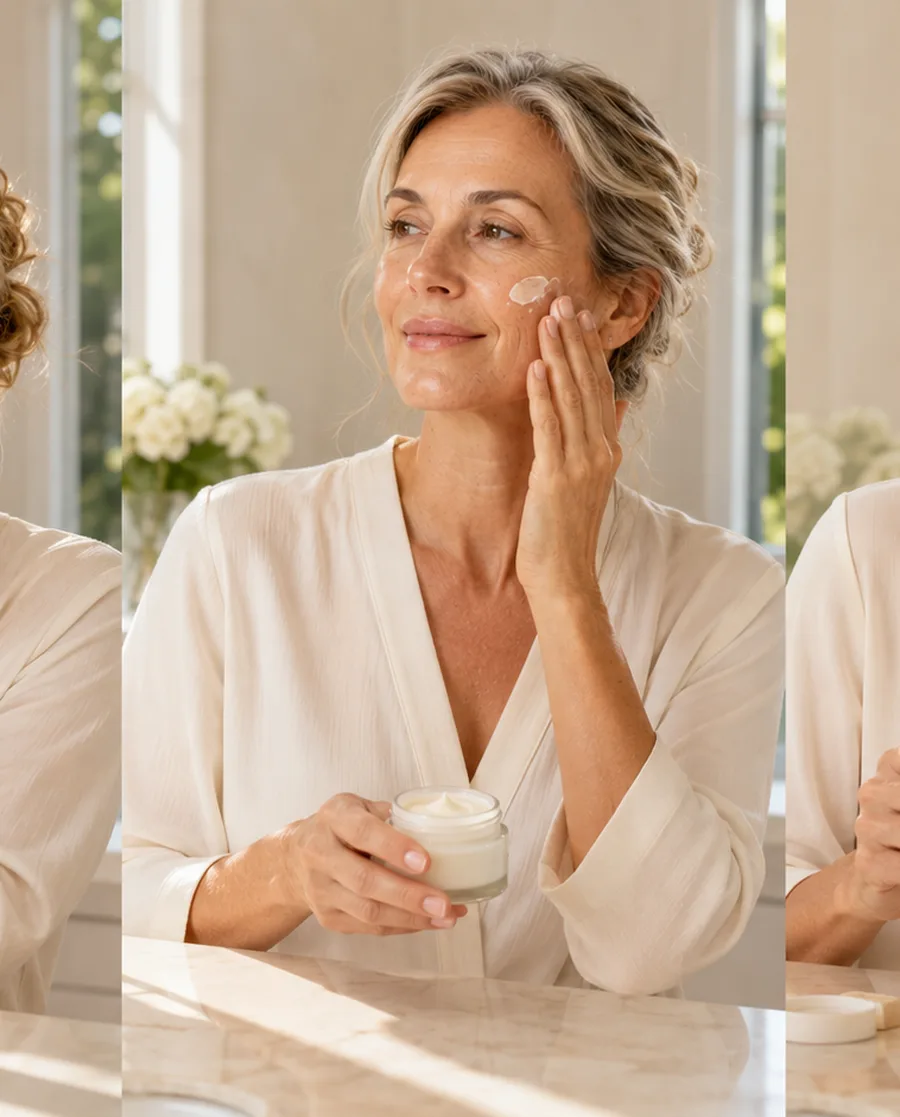
A mature-skin morning routine is meant to protect and prepare your skin for the day, not overwhelm it. Four simple steps are usually enough.
1. Gentle Cleanser
Start with a mild, non-foaming or low-foaming cleanser that removes overnight buildup without leaving skin feeling tight or squeaky-clean. A cleanser that strips too much oil can make mature skin feel drier and more reactive throughout the day. Lukewarm water — not hot — is gentler on a thinner, more delicate barrier.
As an Amazon Associate I earn from qualifying purchases.
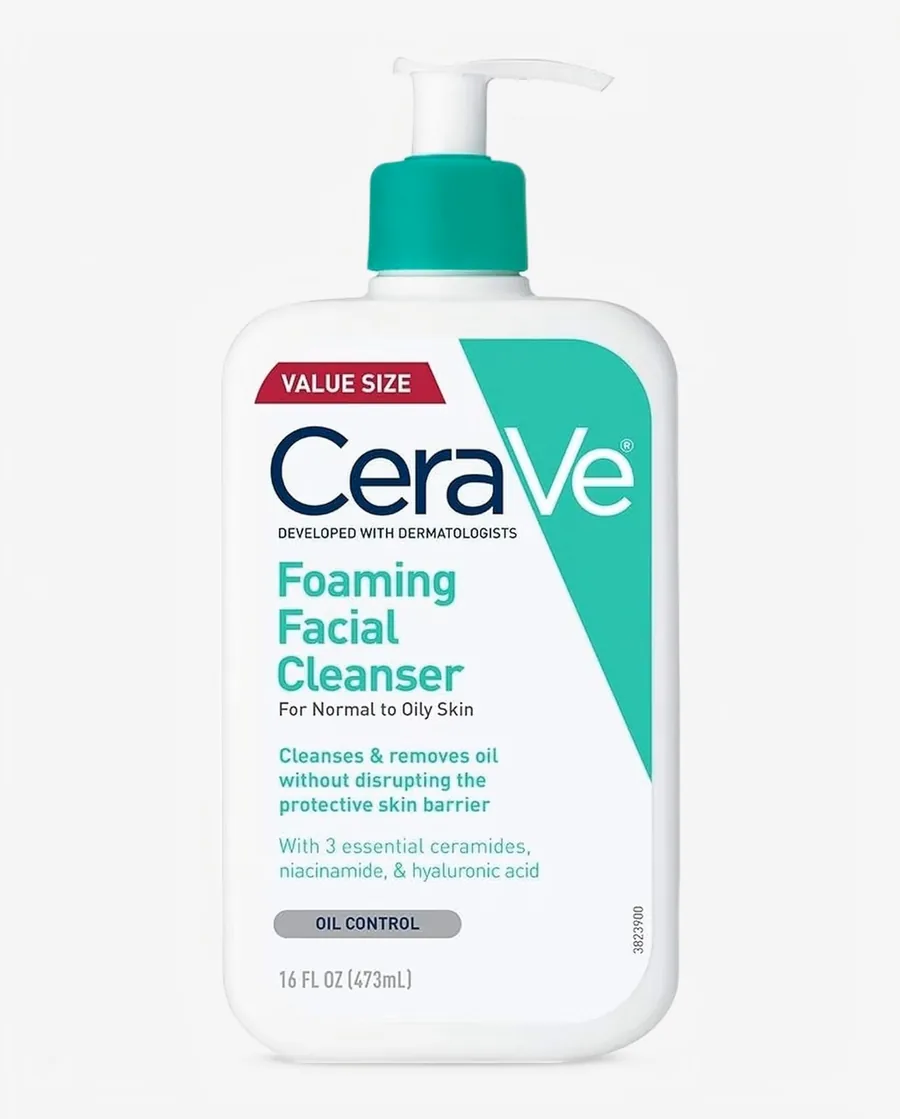
One option to consider is CeraVe Facial Cleanser — a gentle, non-stripping formula that can work well as part of a mature-skin routine. It’s not the only option that works well, and comfort on your own skin matters more than any single product.
View on Amazon →
(paid link)
2. Optional Antioxidant or Vitamin C
If you choose to use one, an antioxidant serum (vitamin C is a common choice) can be applied to clean, dry skin before moisturizer. Antioxidants are commonly used to help support skin that’s regularly exposed to environmental stressors like sunlight and pollution. This step is optional — a simple routine without it can still be effective, especially when you’re just getting started.
3. Moisturizer
Apply a moisturizer suited to your skin’s needs while it’s still slightly damp, which can help lock in hydration. For mature skin, richer, ceramide- or hyaluronic-acid-containing formulas are often a comfortable fit, though the right texture depends on your individual skin type.
4. Sunscreen
Finish every morning with a broad-spectrum sunscreen SPF 30 or higher, even on cloudy days or when you’re mostly indoors near windows. Daily sun protection is widely regarded by dermatologists as one of the most important habits for supporting the long-term look and health of skin at any age, mature skin included.
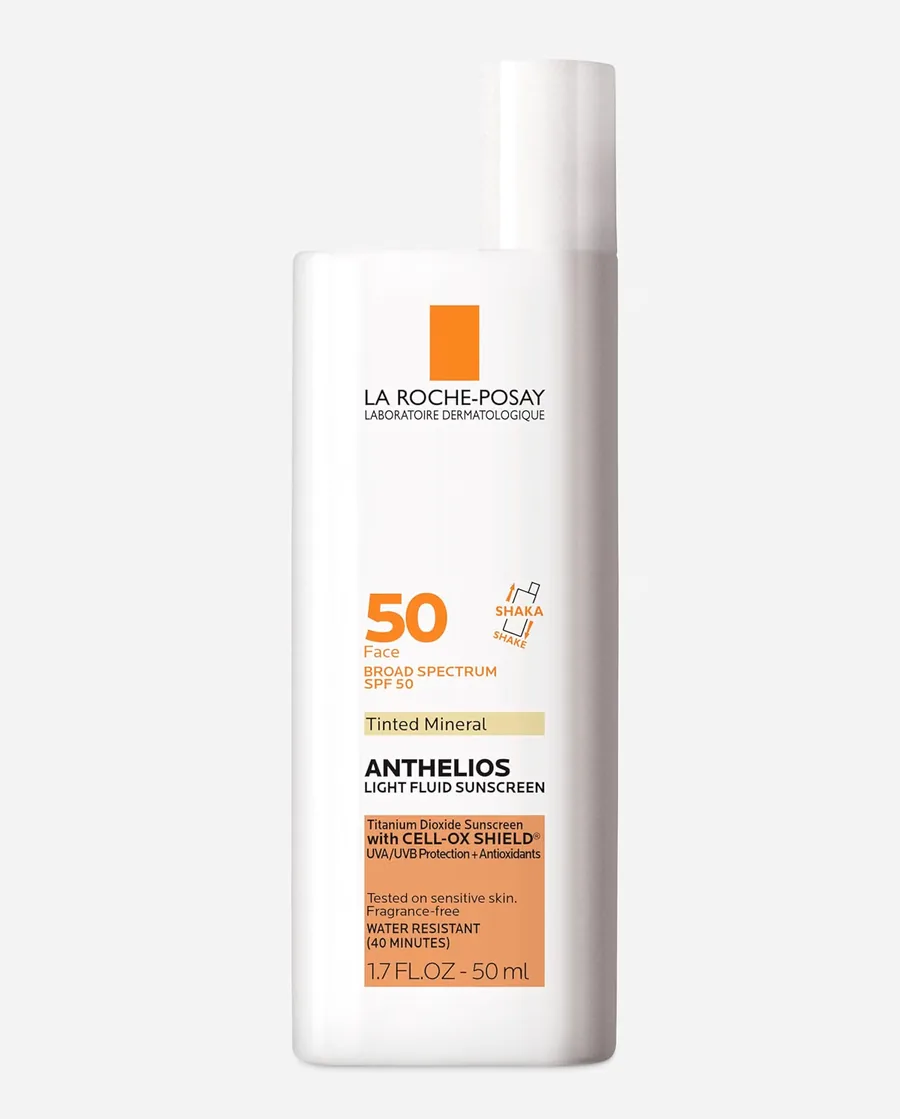
An example of a daily broad-spectrum sunscreen is La Roche-Posay Sunscreen — an SPF 30+ formula some people find comfortable to wear every day. It isn’t the only sunscreen that works well, and no single formula suits everyone.
View on Amazon →
(paid link)
Nighttime Skincare Routine
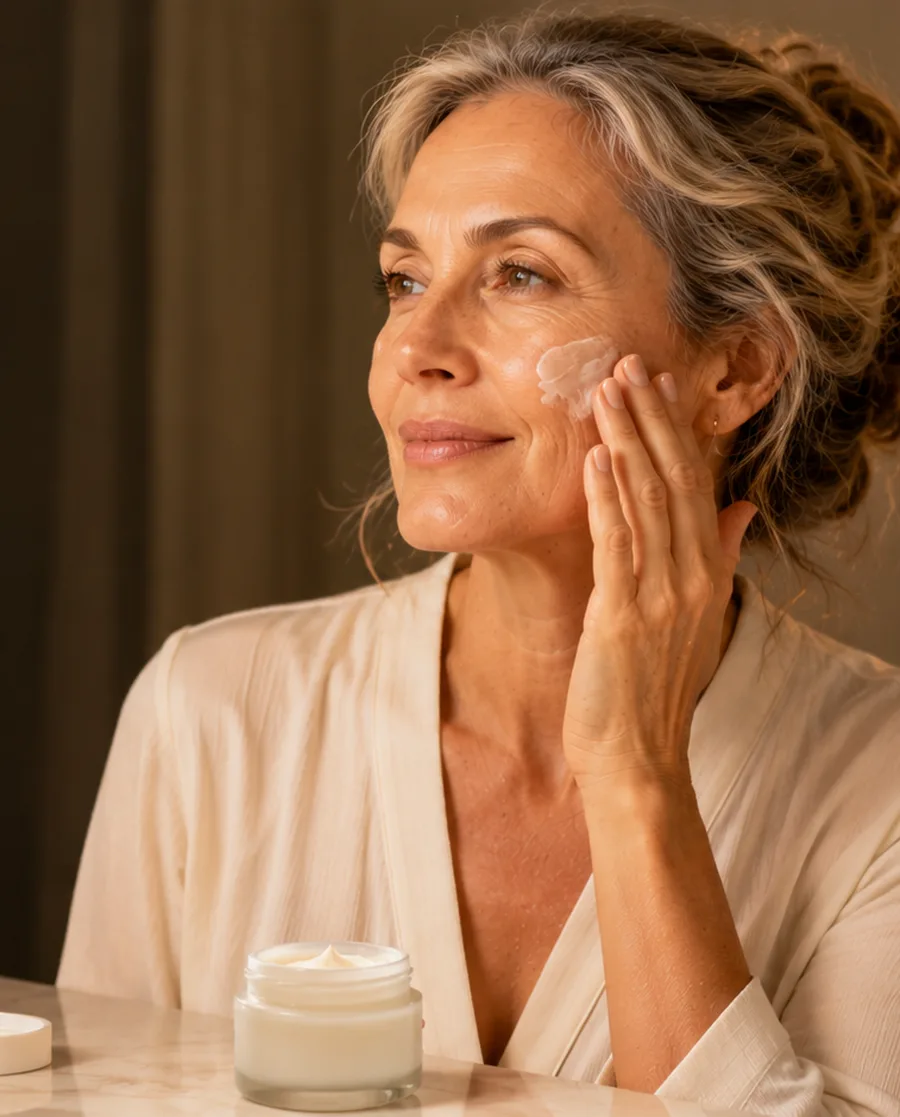
Nighttime is a useful opportunity to cleanse away the day’s buildup and apply treatments or moisturizer without adding another layer of daytime products, which makes a consistent evening routine especially valuable for mature skin.
1. Gentle Cleanser
Use the same gentle cleanser (or a slightly richer evening version) to remove sunscreen, makeup, and the day’s buildup. Double cleansing — a light oil or balm cleanser followed by your regular cleanser — can help some people remove sunscreen and makeup more thoroughly, though it isn’t necessary for everyone.
2. Optional Treatment
This is where a targeted ingredient, such as a retinoid, may fit in for some people — but it’s genuinely optional, and it isn’t the right choice for everyone or every stage of life. If you’re considering a retinoid, introduce it gradually according to the product directions and pay attention to how your skin responds.
A note on retinoids and pregnancy: If you are pregnant or trying to become pregnant, talk with your healthcare professional before using topical retinoids. If you are breastfeeding, ask your healthcare professional whether a specific retinoid or retinol product is appropriate for you. This isn’t a decision to make from a skincare article alone.
3. Moisturizer
Finish with a nourishing moisturizer to help support the skin barrier overnight. If you’ve used a retinoid or another active ingredient, applying moisturizer afterward (or even sandwiching a retinoid between two thin layers of moisturizer) can help reduce dryness or irritation for some people.
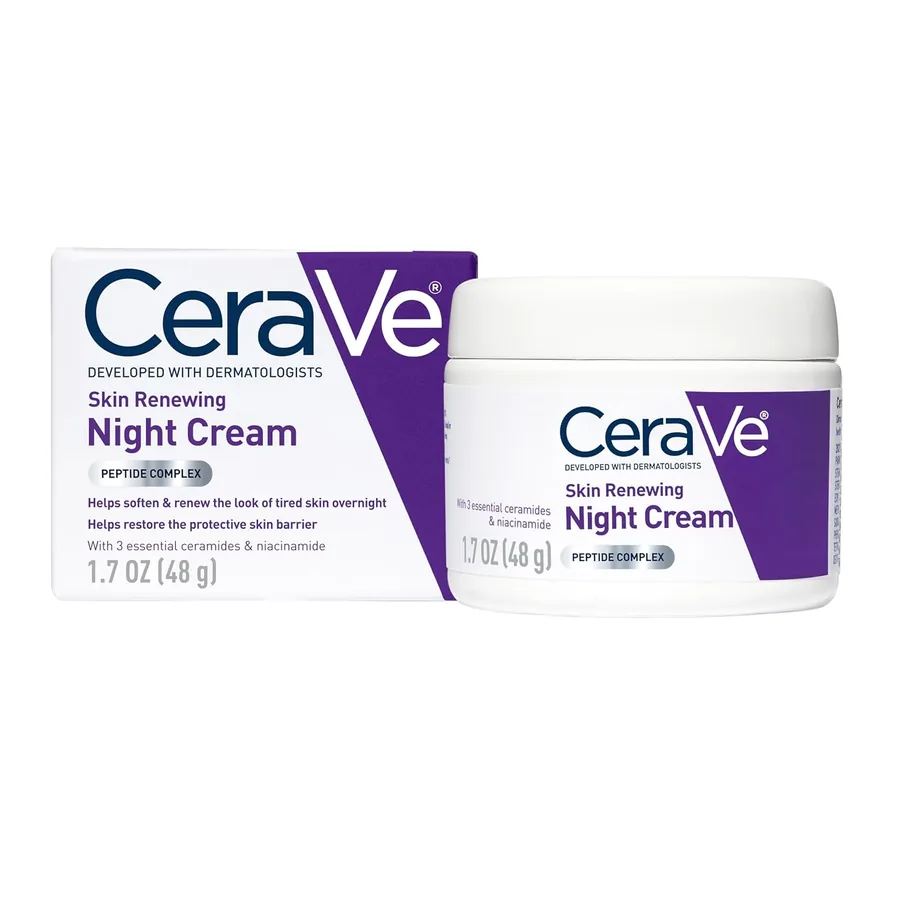
For a richer nighttime option, you might consider CeraVe Night Cream — a more nourishing formula some people find comfortable to use as part of a PM routine. It won’t reverse aging or guarantee results; individual preferences and tolerance vary.
View on Amazon →
(paid link)
Best Ingredients for Mature Skin
No single ingredient transforms mature skin overnight, and it’s worth being skeptical of any product that claims otherwise. The ingredients below are commonly discussed in skincare because of how they may support skin — not because they guarantee a specific result.
| Ingredient | What It Can Help With | Where It May Fit |
|---|---|---|
| Ceramides | May help support and maintain the skin barrier | Moisturizers, AM and PM |
| Glycerin | A humectant that can help draw in and hold moisture | Moisturizers, cleansers |
| Hyaluronic acid | Can help hydrate the skin’s surface and support a plumper look | Serums, moisturizers, AM and PM |
| Niacinamide | May help support an even-looking tone and a more comfortable barrier | Serums, moisturizers |
| Vitamin C | An antioxidant that’s commonly used to help support tone and brightness | Morning serums |
| Retinol/retinoids | May help support skin texture and tone over time, when appropriate | Night, introduced gradually |
| Peptides | Amino acid chains that are commonly included in products aimed at supporting skin’s appearance | Serums, moisturizers |
| Sunscreen filters (mineral or chemical) | Help protect against UV damage, a major contributor to visible skin aging | Every morning, reapplied as needed |
Choosing a Moisturizer for Mature Skin
Mature skin often benefits from a richer moisturizer than it needed in earlier years, since natural oil production commonly slows with age. Look for formulas built around barrier-supporting ingredients like ceramides, cholesterol, and fatty acids, along with humectants such as glycerin or hyaluronic acid to help draw in moisture. Cream or balm textures are often more comfortable than very light lotions for people with drier, more mature skin, though this varies — some people with combination or oilier skin still prefer a lighter formula. Apply moisturizer both morning and night, and don’t hesitate to layer a slightly richer option at night if your skin feels tight or dry during the day.
Sunscreen for Mature Skin
Sunscreen deserves its own callout because it’s one of the most consistently recommended habits for supporting skin over the long term. According to the FDA, sunscreen helps protect skin from UV radiation, which is a well-established contributor to visible signs of skin aging as well as skin cancer risk. For a daily routine, choose a broad-spectrum sunscreen with SPF 30 or higher, and reapply if you’re outdoors for extended periods. Mineral formulas (zinc oxide or titanium dioxide) are often a gentle option for mature or sensitive skin, though chemical sunscreens work well for many people too — the best sunscreen is one you’ll actually wear every day.
Retinol and Retinoids
Retinol and retinoids (a broader category that includes prescription-strength options) are among the more studied ingredients used in anti-aging skincare, and they’re commonly used to help support skin texture and tone over time. That said, they can also cause dryness, redness, or peeling, especially when introduced too quickly. Following the product directions and introducing it gradually, using only the amount recommended on the product label, and always following with a moisturizer can be more comfortable than jumping straight into nightly use.
A note on retinoids and pregnancy: If you are pregnant or trying to become pregnant, talk with your healthcare professional before using topical retinoids. If you are breastfeeding, ask your healthcare professional whether a specific retinoid or retinol product is appropriate for you. This isn’t a decision to make from a skincare article alone.
Retinol and retinoids are not necessary for everyone, and skipping this step entirely is a completely reasonable choice, particularly for very sensitive or reactive skin.
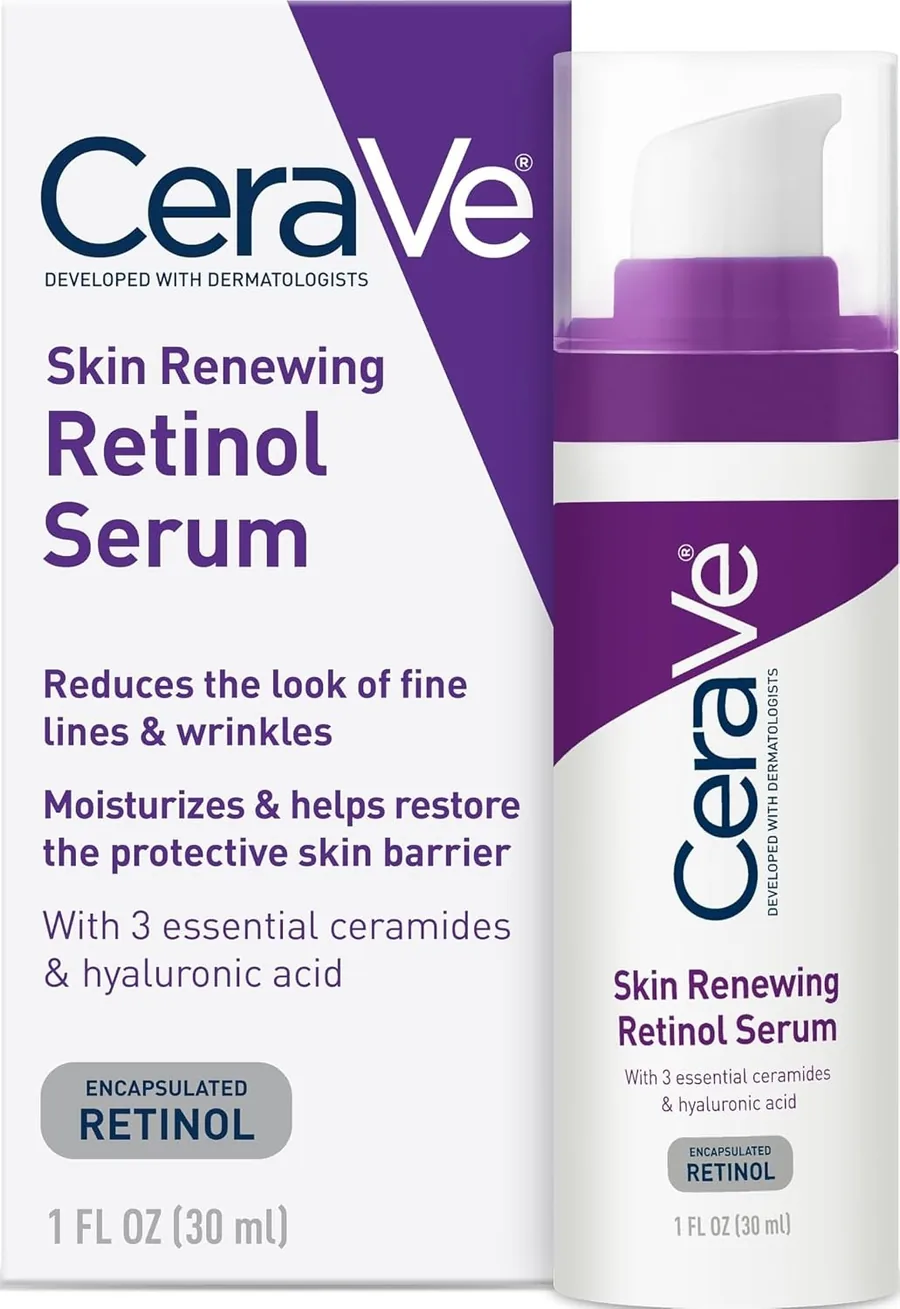
If you’re considering a retinol product, one option to consider is CeraVe Retinol Serum. This isn’t a required daily step — introducing it gradually and paying attention to your own tolerance matters more than any specific product, and it won’t definitely reduce wrinkles or signs of aging for everyone.
View on Amazon →
(paid link)
Vitamin C for Mature Skin
Vitamin C is a popular antioxidant ingredient in mature-skin routines, typically used in the morning underneath moisturizer and sunscreen. It’s commonly included in products marketed to help support a brighter, more even-looking tone, and it may help provide some additional protection against environmental stressors when paired with daily sunscreen. Formulations vary widely in strength and stability, so it’s normal for a vitamin C serum to require some trial and error to find one that feels comfortable on your skin. If your skin is easily irritated, introducing vitamin C gradually according to the product directions and how your skin responds can help you gauge tolerance.
Mature Skin and Dryness
Because oil production often slows with age, dryness is one of the most common concerns layered on top of mature skin. Signs can include tightness, flaking, rough patches, or skin that feels uncomfortable shortly after cleansing. A simplified routine — gentle cleanser, barrier-supporting moisturizer, and daily sunscreen — is usually the right starting point, and some people may prefer adding a facial oil if it feels comfortable for their skin. For a deeper dive into hydration-focused skincare, see our full guide to a skincare routine for dry skin.
Mature Skin and Sensitivity
Thinner, more delicate skin can also become more reactive over time, making it easier to experience stinging, redness, or irritation from products that were once well-tolerated. If this sounds familiar, simplifying your routine, patch-testing new products, and introducing one new ingredient at a time can help you identify what your skin responds well to. Our guide to a skincare routine for sensitive skin has more detailed guidance on gentle product selection and patch-testing.
Mature Skin With Acne
Acne isn’t only a concern for teenagers — many adults, including those with mature skin, experience occasional breakouts, sometimes alongside dryness or fine lines at the same time. This combination can be tricky, since acne treatments can be drying while anti-aging routines call for extra moisture. If breakouts are a regular concern, our guide to a skincare routine for acne-prone skin covers gentler approaches to treating blemishes without over-stripping the skin.
Mature Skin and Exfoliation
Gentle exfoliation can help remove dull, built-up surface cells, which may support a smoother-looking texture — but mature skin is often more prone to over-exfoliation than skin was in earlier years. Chemical exfoliants (like mild AHAs or PHAs) used once or twice a week are typically gentler than physical scrubs. Physical scrubs can cause irritation or abrasion, especially when used too often or with too much pressure. If you’re already using a retinoid, it’s generally best to space exfoliation out on different nights rather than combining multiple actives, to help reduce the risk of irritation.
Mature Skin in Different Seasons
Summer: Warmer weather and more time outdoors make daily sunscreen even more important, and you may prefer a lighter moisturizer texture if your skin feels less dry in humidity. Reapplying sunscreen during extended outdoor time remains important regardless of season.
Winter: Indoor heating and cold, dry air can pull moisture from the skin, so many people find they need a richer moisturizer during colder months. For some people, an optional facial oil layered on top may also feel comfortable. Sunscreen is still necessary in winter, since UV exposure doesn’t disappear with the temperature.
Across both seasons, the core routine stays the same — it’s mostly the texture and richness of your moisturizer that may need to flex with the weather.
Common Mature-Skin Skincare Mistakes
- Using a harsh, foaming cleanser that strips natural oils and leaves skin feeling tight.
- Skipping sunscreen on cloudy days or when staying mostly indoors.
- Introducing several new active ingredients (like a retinoid, an acid exfoliant, and vitamin C) all at once.
- Over-exfoliating in hopes of faster results.
- Assuming more expensive products automatically work better.
- Expecting a single product to “erase” wrinkles or reverse years of sun exposure.
- Using very hot water to cleanse, which can further dry out a thinner barrier.
- Discontinuing moisturizer because skin feels temporarily oily, rather than adjusting the formula.
- Not patch-testing new products before applying them to the full face.
- Layering a retinoid under sunscreen in the morning instead of using it at night.
- Ignoring the neck and hands, which show age-related changes too and benefit from the same care.
- Giving up on a new product after only a few days instead of allowing several weeks to judge tolerance and fit.
How Long Does It Take to Work?
There’s no fixed timeline, and it’s worth being cautious of any claim that promises fast, dramatic results. Many people notice their skin feeling more comfortable and hydrated within a couple of weeks of simplifying their routine. Ingredients such as retinoids or vitamin C generally need consistent use over time before changes in tone or texture become noticeable, and results vary from person to person. Consistency matters more than intensity — a simple routine followed daily tends to outperform an elaborate one used sporadically.
Consider making an appointment with a board-certified dermatologist if you experience persistent redness, itching, or irritation that doesn’t improve after adjusting your routine; new or changing spots, moles, or growths; skin that feels unusually thin, fragile, or slow to heal; or if you’d like personalized guidance on prescription-strength retinoids or other treatments. A dermatologist can also help rule out other skin conditions that sometimes become more common with age, and can tailor a routine to your specific skin and health history — something a general guide like this one isn’t able to do.
Mature Skin Routine at a Glance
- Cleanse gently, morning and night
- Apply an optional antioxidant (like vitamin C) in the morning
- Moisturize twice daily with a barrier-supporting formula
- Wear broad-spectrum sunscreen SPF 30+ every morning
- Consider an optional retinoid at night, introduced gradually
- Avoid combining multiple strong actives at once
- Adjust moisturizer richness with the seasons
- Be patient — most benefits build over weeks, not days
Simple Shopping Checklist
- Gentle, non-stripping cleanser
- Broad-spectrum sunscreen, SPF 30 or higher
- Moisturizer with ceramides and/or hyaluronic acid
- Optional: vitamin C or other antioxidant serum
- Optional: retinol or retinoid product (introduced gradually)
- Optional: gentle chemical exfoliant (mild AHA or PHA)
- Optional: richer night cream or facial oil for colder months
Frequently Asked Questions
Related reading: if you’re building out the rest of your skincare knowledge, you may also find it helpful to read our guides to a skincare routine for beginners, a skincare routine for oily skin, a skincare routine for dry skin, a skincare routine for combination skin, a skincare routine for sensitive skin, and a skincare routine for acne-prone skin. For more general skincare and beauty guidance, visit our beauty section.