Introduction
If you’ve shopped for a moisturizer in the last few years, you’ve probably noticed “ceramides” showing up on more and more labels — often right next to buzzwords like “barrier repair” or “skin-identical lipids.” Unlike a lot of skincare trends, ceramides aren’t a new discovery. They’re naturally occurring fats that your skin already makes, and they play a central role in keeping your skin barrier intact and your skin hydrated.
This guide breaks down what ceramides actually are, what the research does and doesn’t support, and how to realistically use a ceramide moisturizer as part of your routine — without the inflated claims you’ll find on a lot of product pages.
Quick Answer
Ceramides are a family of lipids (fats) that make up a large share of the “glue” holding your outermost skin cells together. They help your skin retain water and keep irritants, allergens, and bacteria from getting in as easily. Topical ceramide moisturizers can help support dry or compromised skin, and the evidence is reasonably solid for atopic dermatitis specifically — though it’s a smaller and more mixed body of research than you might expect from the marketing. Ceramides aren’t a replacement for humectants like hyaluronic acid or active ingredients like retinoids; they work alongside them, mainly by helping offset dryness and supporting the skin barrier.
What Are Ceramides in Skincare?
Ceramides are a class of lipid molecules found naturally in the outermost layer of your skin, the stratum corneum. They aren’t a single ingredient — there are a dozen or so distinct ceramide subtypes identified in human skin, which is part of why you’ll see several differently named “ceramides” listed on an ingredient label rather than just one.
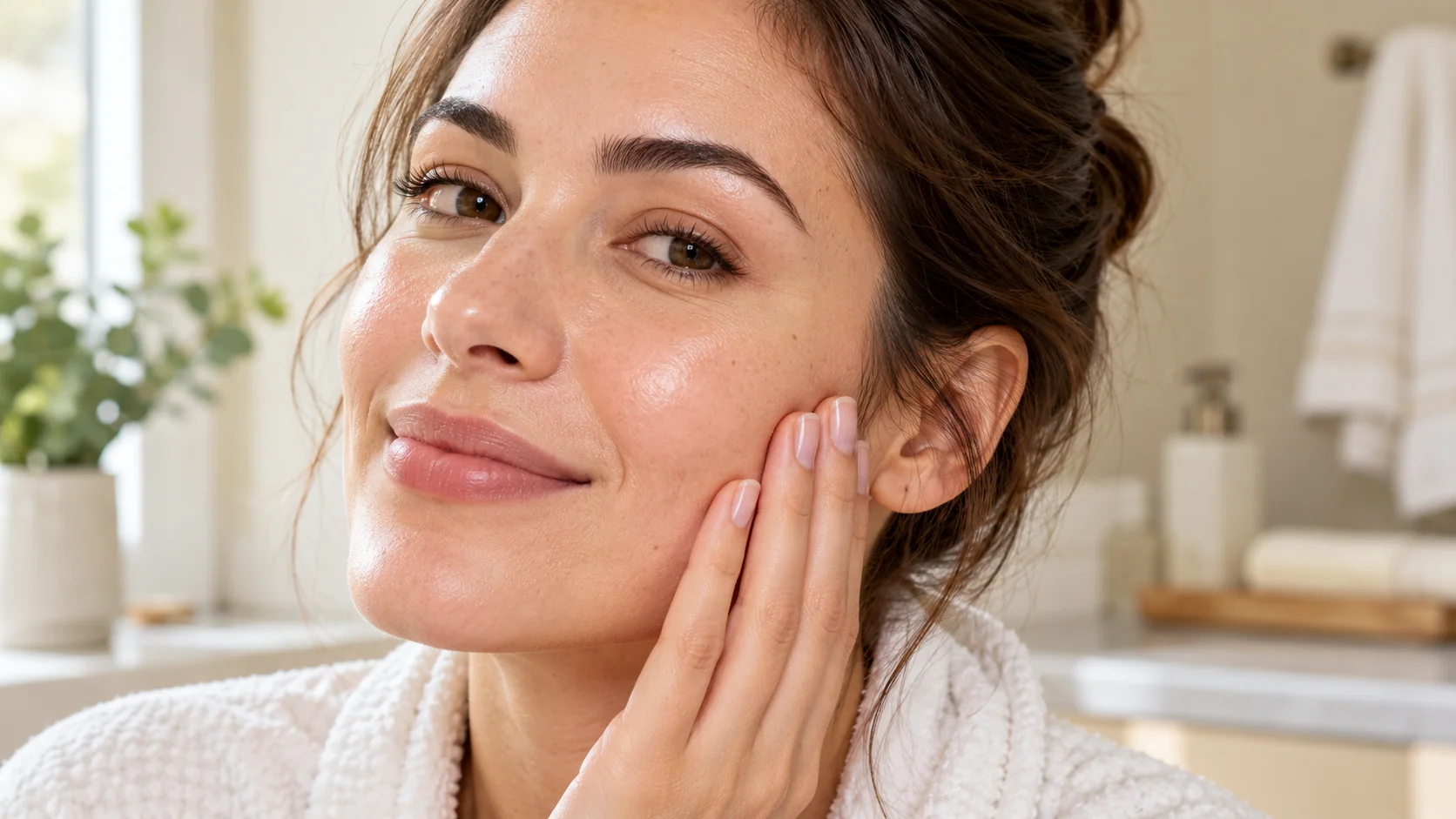
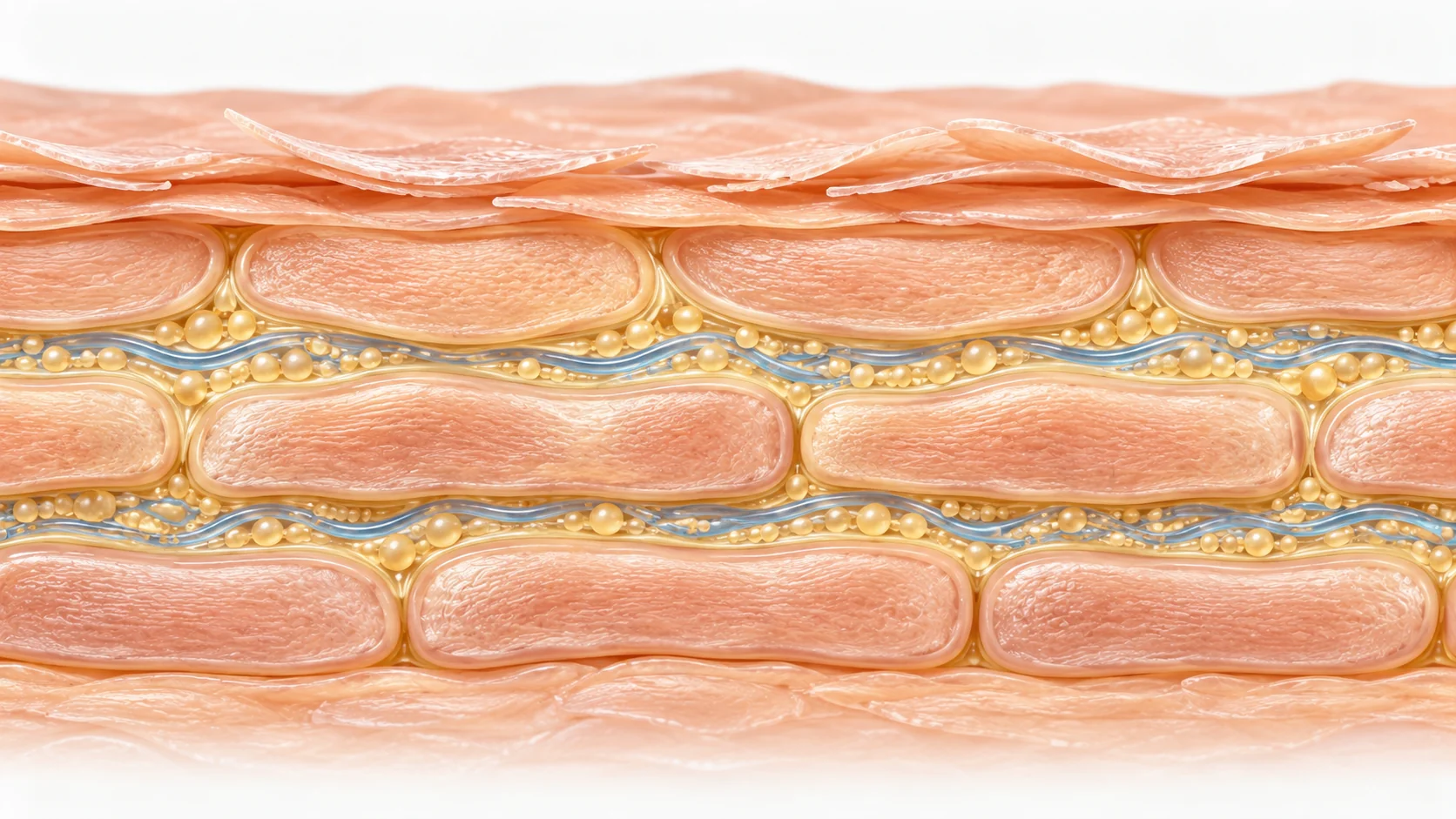
In the skin, ceramides make up a substantial portion of the lipids in the stratum corneum — reviews of the topic put ceramides at roughly 30–40% of stratum corneum lipid mass, alongside cholesterol and free fatty acids in a roughly even mix. That lipid mixture sits between your skin cells (corneocytes) in a structure often described with a “bricks and mortar” analogy: the corneocytes are the bricks, and the ordered lipid layers — ceramides included — are the mortar that holds everything together and controls how much water moves in and out.
In skincare products, “ceramides” usually refers to synthetic or plant-derived versions of these same lipid structures, formulated into creams and lotions to supplement what your skin barrier may be missing.
How Ceramides Support the Skin Barrier
Your skin barrier’s main job is to keep water in and everything else — irritants, allergens, pollutants, some bacteria — out. Ceramides contribute to that job by helping organize the lipid layers between skin cells into a tightly packed structure that slows water loss, a process scientists measure as transepidermal water loss (TEWL).
When ceramide levels in the skin drop or the normal ratio of ceramide subtypes shifts, that lipid “mortar” becomes less organized, and the barrier doesn’t hold water as effectively. This is one reason ceramide changes show up across a number of skin conditions associated with a compromised barrier, including atopic dermatitis (eczema), ichthyosis, psoriasis, and general dry skin — and why ceramide levels tend to decline somewhat with age, which is part of why mature skin often runs drier.
It’s worth being precise about what the evidence actually shows here. Skin hydration and TEWL are useful markers, but researchers note they aren’t perfectly reliable stand-ins for overall barrier health in every situation — the relationship is more consistent in some conditions (like irritant exposure or psoriasis) than in others. In other words, a product that nudges TEWL numbers in a study isn’t automatically proof of long-term barrier “repair.”
There’s also a practical wrinkle: ceramide molecules themselves are large and don’t dissolve well in water, which limits how deeply they penetrate when applied topically. Some research on isolated ceramides found little to no penetration into the stratum corneum even with penetration enhancers, while other studies found topically applied ceramides absorbed somewhat better specifically in already-dry skin than in healthy skin. This is part of why many modern formulations use delivery systems — like nanoparticles, liposomes, or microemulsions — designed to help ceramides get where they’re intended to go, though real-world performance can vary by product and formulation.
Benefits of Ceramides for Skin
Based on current research, here’s a realistic look at what ceramides may help with:
- Supporting the skin barrier. This is ceramides’ primary, best-supported role — they’re a structural component of the barrier, not an active ingredient that “treats” a specific concern the way an acid or retinoid does.
- Helping manage dryness. Because ceramides are part of the barrier’s water-retention system, ceramide-containing moisturizers are commonly recommended for dry skin, and are a frequent ingredient in products aimed at eczema-prone or sensitive skin.
- Possibly supporting outcomes in atopic dermatitis (eczema), as part of treatment — not a replacement for it. This is the area with the most direct clinical research, discussed in more detail below. The evidence here is encouraging but limited: small trial sizes, short follow-up periods, and mixed results across individual studies are common limitations researchers themselves point out.
- Potentially helping skin tolerate other active ingredients better. Ceramide-containing moisturizers are sometimes recommended alongside drying treatments (like retinoids or acne medications) to help offset irritation — more on this below.
What the evidence does not clearly support is the idea that ceramide moisturizers are universally superior to other well-formulated moisturizers for every skin type or concern. A systematic review and meta-analysis of ceramide-containing moisturizers for atopic dermatitis found genuinely mixed results when ceramide formulas were compared against other moisturizers (more detail in the next section) — so it’s more accurate to think of ceramides as one useful barrier-support ingredient among several, rather than a guaranteed upgrade over every alternative.
Types of Ceramides and Common Ingredient Names
Ceramides show up on ingredient labels under several INCI (International Nomenclature of Cosmetic Ingredients) names. Common ones include Ceramide NP, Ceramide AP, Ceramide EOP, Ceramide EOS, and Ceramide NS, among others — these names are listed consistently across independent cosmetic-ingredient directories that track the EU’s cosmetic ingredient inventory.
You may also occasionally see references to an older numbered naming convention (such as “Ceramide 1,” “Ceramide 3,” or “Ceramide 6-II”) in some skincare marketing or older literature; this numbering is used informally in parts of the industry, but we weren’t able to confirm an authoritative, independently verified mapping between every old number and its current INCI name, so treat any specific “Ceramide 3 = Ceramide NP” style claim you see elsewhere with some caution.
You may also see related ingredients marketed alongside ceramides, such as cholesterol, fatty acids, and phytosphingosine — these work together with ceramides as part of the skin’s natural lipid mixture, which is why some “ceramide complex” products include more than just ceramides on the label.
A quick label-reading tip: a product doesn’t need to list every ceramide type to be effective, and having multiple ceramide types listed isn’t automatically better than having one or two — formulation quality and the rest of the product’s base matter at least as much as how many ceramide variants are on the ingredient list.
Who May Benefit?
Ceramide-containing moisturizers are generally considered a reasonable option for:
- People with dry or easily dehydrated skin
- People with a history of eczema or atopic dermatitis, used as part of (not instead of) a dermatologist-directed treatment plan
- People with mature skin, since ceramide levels in skin tend to decline with age
- People using drying actives (like retinoids or certain acne treatments) who want a barrier-supporting moisturizer to help manage dryness and irritation
- People with generally sensitive or reactive skin looking for a simpler, fragrance-free moisturizing option
These are general patterns, not guarantees — individual skin varies, and a ceramide-containing product that works well for one person with eczema-prone or sensitive skin may not suit another, depending on the rest of its formula and your own skin’s sensitivities. Ceramide moisturizers are also not a specific treatment for acne, hyperpigmentation, or other concerns that need a targeted active ingredient — they’re best understood as barrier support that can be layered with other parts of a routine. If dryness is your main concern, our skincare routine for dry skin walks through where a ceramide moisturizer fits into a full AM/PM routine.
How to Use a Ceramide Moisturizer
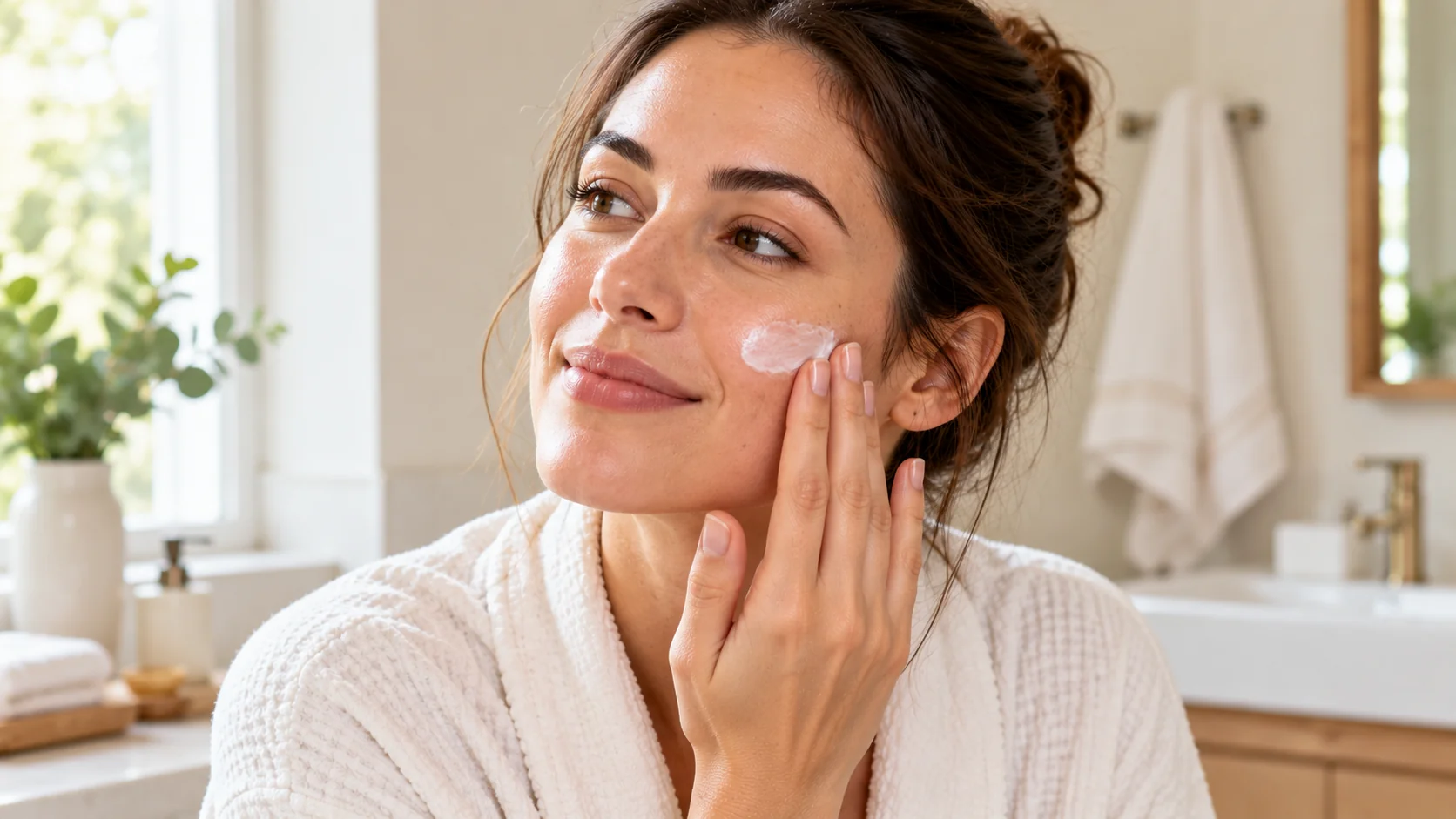
- Apply after cleansing, ideally on slightly damp skin. Moisturizing while skin is still a little damp (rather than fully dry) can help the product seal in more moisture.
- Use it as your regular daily moisturizer, morning and/or night, rather than as a spot treatment — ceramides work as ongoing barrier support, not a fast-acting treatment.
- Layer it after water-based or active-ingredient products (like serums), and before heavier occlusive products if you use them, following a general “thinnest to thickest” layering order.
- Give it time, but don’t expect a fixed timeline. Because ceramides support an ongoing structural process (barrier lipid organization) rather than producing an immediate visible effect, how quickly you notice a difference can vary considerably — by the specific product and formulation, the underlying cause and severity of your dryness, and individual skin factors. Most people shouldn’t expect an overnight change, but there’s no single universal timeframe that applies to everyone.
- Pick fragrance-free formulations if your skin is sensitive, eczema-prone, or reactive, since fragrance is a common irritant for exactly the skin types that tend to benefit most from ceramides.
Ceramides With Hyaluronic Acid, Niacinamide, and Retinoids
Ceramides are generally considered compatible with other common skincare ingredients, and are frequently formulated into products alongside them.
With hyaluronic acid: These two ingredients are often paired because they do different jobs — hyaluronic acid draws water into the skin, while ceramides help the barrier hold onto it. Using both (in a layered routine or combined in one product) is a common approach, though we didn’t find independent clinical research specifically testing this combination against using either ingredient alone.
With niacinamide: Niacinamide is commonly combined with ceramides in moisturizers, and there’s no established concern about using them together. Much of what’s written about this pairing comes from product marketing rather than independent trials, so think of it as a generally accepted combination rather than one with dedicated clinical backing.
With retinoids: This is the pairing with the most relevant (though still indirect) support. An 11-member panel of Canadian dermatologists, in a published expert-consensus (Delphi) discussion, reached unanimous agreement that moisturizers — including ceramide-containing ones — may help some people tolerate retinoids and other drying acne treatments better by offsetting the dryness and irritation those treatments can cause, which may in turn support sticking with a treatment plan. That’s an expert-opinion-level recommendation built on a literature review, not a controlled trial measuring ceramides specifically counteracting retinoid irritation, but it lines up with general dermatology practice: many clinicians suggest a basic, fragrance-free, barrier-supporting moisturizer for anyone starting a retinoid.
With peptides: Peptides and ceramides are also commonly layered together, since peptides target signals related to collagen and skin firmness while ceramides focus on barrier support — different goals that don’t conflict. See our guide to peptides for skin if you’re considering adding both to a routine.
Ceramides vs. Hyaluronic Acid
These two ingredients get compared a lot, but they’re not really competing for the same job.
Hyaluronic acid is a humectant — it attracts and holds water, pulling moisture into the upper layers of skin (and, depending on the formulation and environment, sometimes from the air around you).
Ceramides are a structural lipid — they don’t pull in extra water so much as help the skin barrier hold onto the water that’s already there, by supporting the organized lipid layers between skin cells.
In practice, many moisturizers include both because they’re complementary rather than interchangeable: hyaluronic acid helps add water, and ceramides help the skin retain it. If your skin is dehydrated (temporarily low on water) you may lean more on hyaluronic acid-type ingredients; if your skin is dry due to a compromised barrier (a more chronic lipid issue), ceramides tend to be the more directly relevant ingredient. For most people, there’s no need to choose one over the other — using both, either layered or combined in one formula, is a standard and reasonable approach. We did not find an independent head-to-head clinical comparison of the two ingredients, so this guidance reflects how each ingredient is understood to function rather than a trial that pitted them against each other. See our guide to hyaluronic acid for skin for more on how it works.
How to Choose a Ceramide Moisturizer
A few practical things to look for:
- Don’t rely on ingredient-list position alone. Ingredients are generally listed in descending order of concentration, but where ceramides fall on the list doesn’t reliably establish how much is actually in the product. Many brands don’t disclose exact ceramide percentages, and a well-formulated product can be effective without ceramides sitting near the top of the list. The complete formulation — the supporting humectants, emollients, and overall base — matters at least as much as where any single ingredient appears on the label.
- A supportive base formula, not ceramides alone. Look for a moisturizer that also contains humectants (like glycerin or hyaluronic acid) and other emollients — ceramides work as part of a well-rounded formula, not in isolation.
- Texture that matches your skin type and climate. A richer cream may suit very dry skin or winter use; a lighter lotion may be more comfortable for normal-to-oily skin or warmer climates.
- Fragrance-free, not just “unscented.” Unscented products can still contain masking fragrance; look for “fragrance-free” specifically if you have sensitive or eczema-prone skin.
- Patch-test new products, especially if you have reactive or eczema-prone skin, since “ceramide” on the label doesn’t guarantee the rest of the formula will agree with your skin.
If you’re building out a broader routine and want more general guidance on choosing moisturizers by skin type, see our guide to the best moisturizers for beginners.
A Few Ceramide Moisturizers to Consider
Affiliate Disclosure: This article contains affiliate links. If you buy through these links, AvaFitCare may earn a commission at no extra cost to you.
If you’d like a specific starting point, here are three ceramide-containing moisturizers that illustrate different formulation approaches and textures. None of these is presented as superior to the others or to the moisturizers covered elsewhere on this site — they’re simply three options to consider. Formulations can change over time, so check the current ingredient label on whatever you actually receive rather than relying solely on the description below.
Skinfix Barrier+ Triple Lipid-Peptide Cream
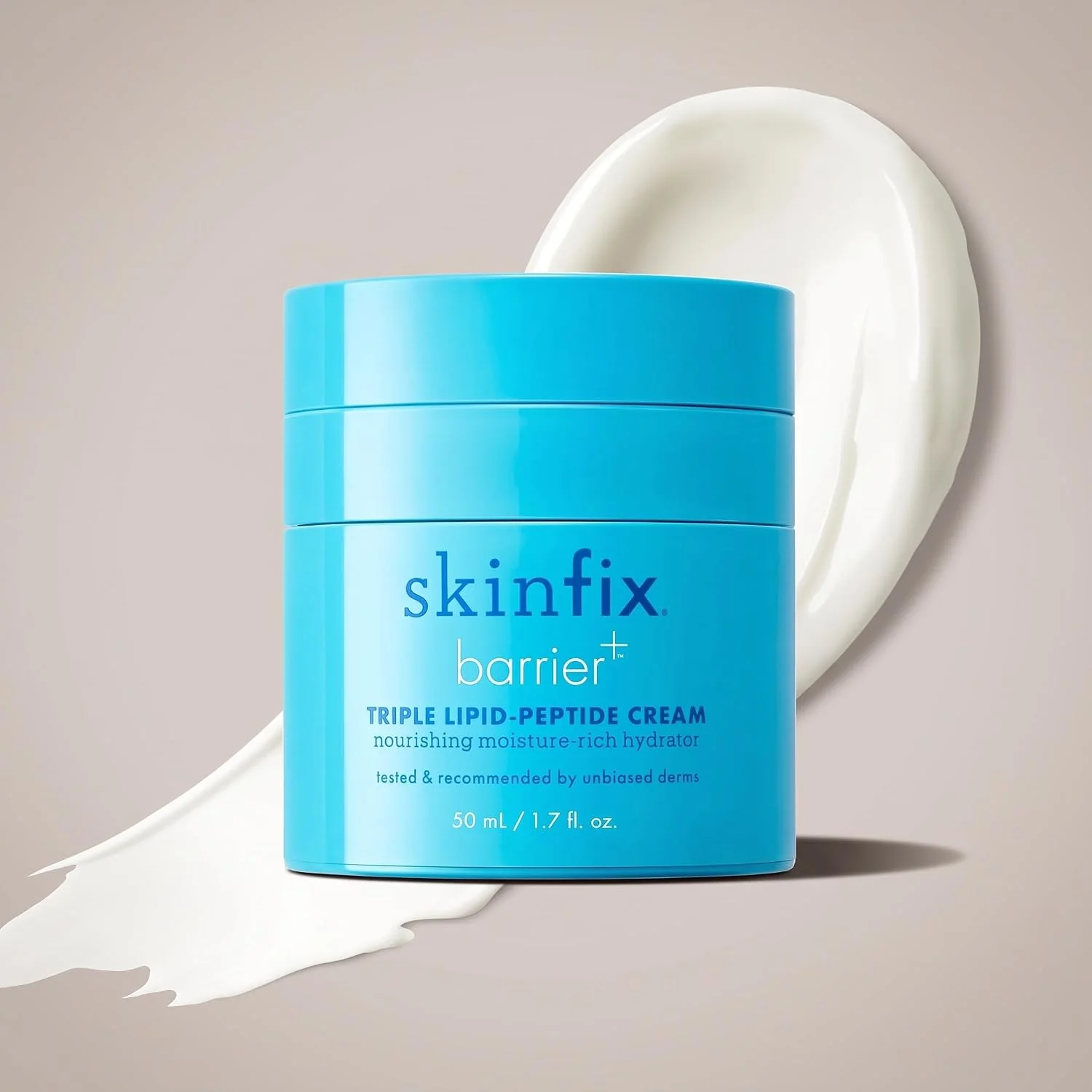
A rich, fragrance-free cream built around what the brand calls a “Triple Lipid Complex” — Ceramide NP, Ceramide AP, and Ceramide EOP alongside cholesterol and phytosphingosine, which mirrors the ceramide/cholesterol/fatty-acid mix described earlier in this guide. It’s positioned for dry skin and sits at a premium price point. The brand’s own reported hydration-improvement figures come from a small, brand-sponsored study rather than independent research, so it’s worth treating those specific numbers as a manufacturer claim rather than an established clinical result.
View on Amazon → (paid link)
Illiyoon Ceramide Ato Concentrate Cream
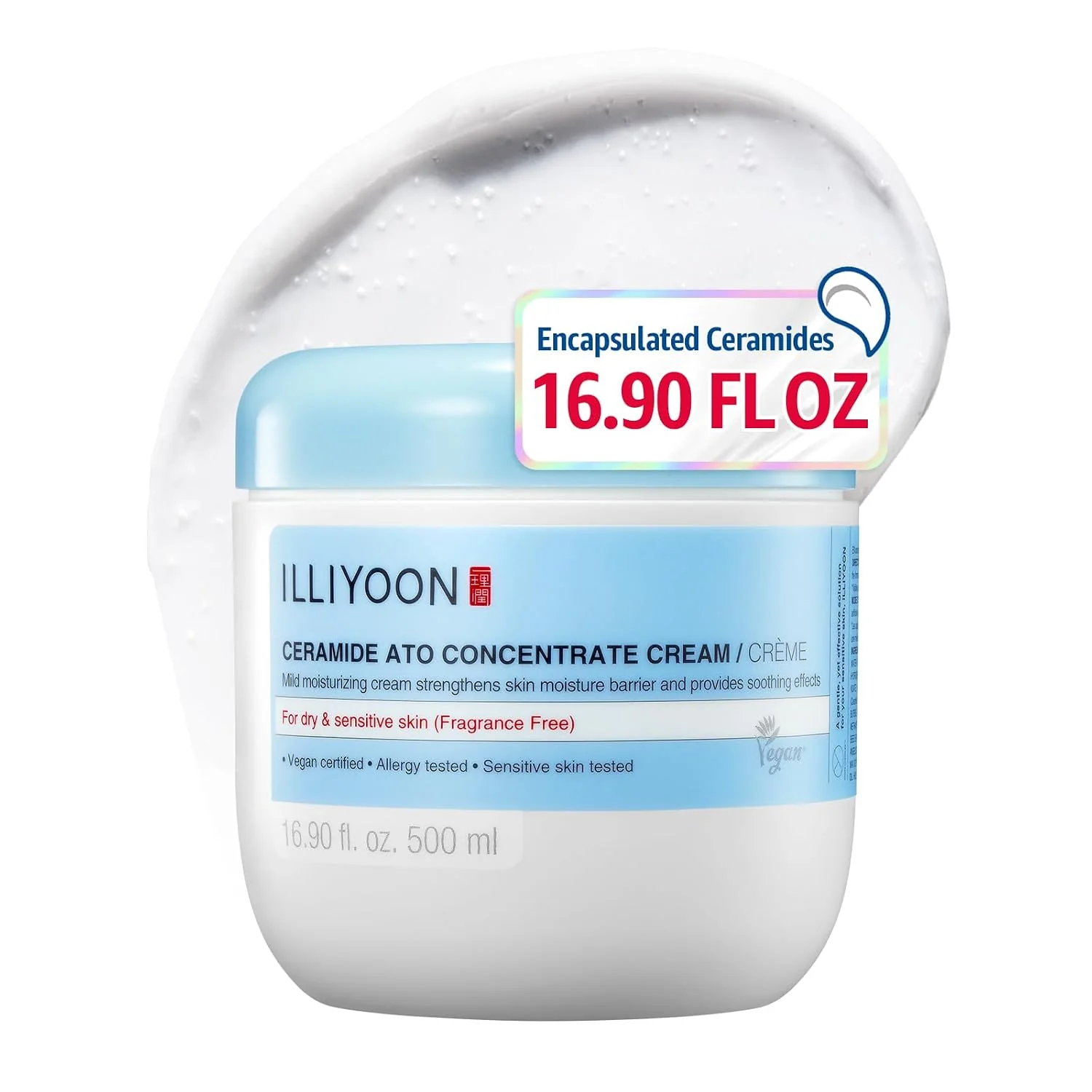
A richer moisturizer option for people seeking a cream for dry skin, formulated with Ceramide NP, phytosphingosine, cholesterol, and several fatty acids. The National Eczema Association product directory was the clearest verification source located for its ingredient information; a manufacturer-direct U.S. ingredient page was not independently located in the previous research. That inclusion doesn’t mean it will suit everyone with eczema or sensitive skin; individual tolerance varies, so patch-test it as you would any new product.
View on Amazon → (paid link)
COSRX Balancium Comfort Ceramide Cream
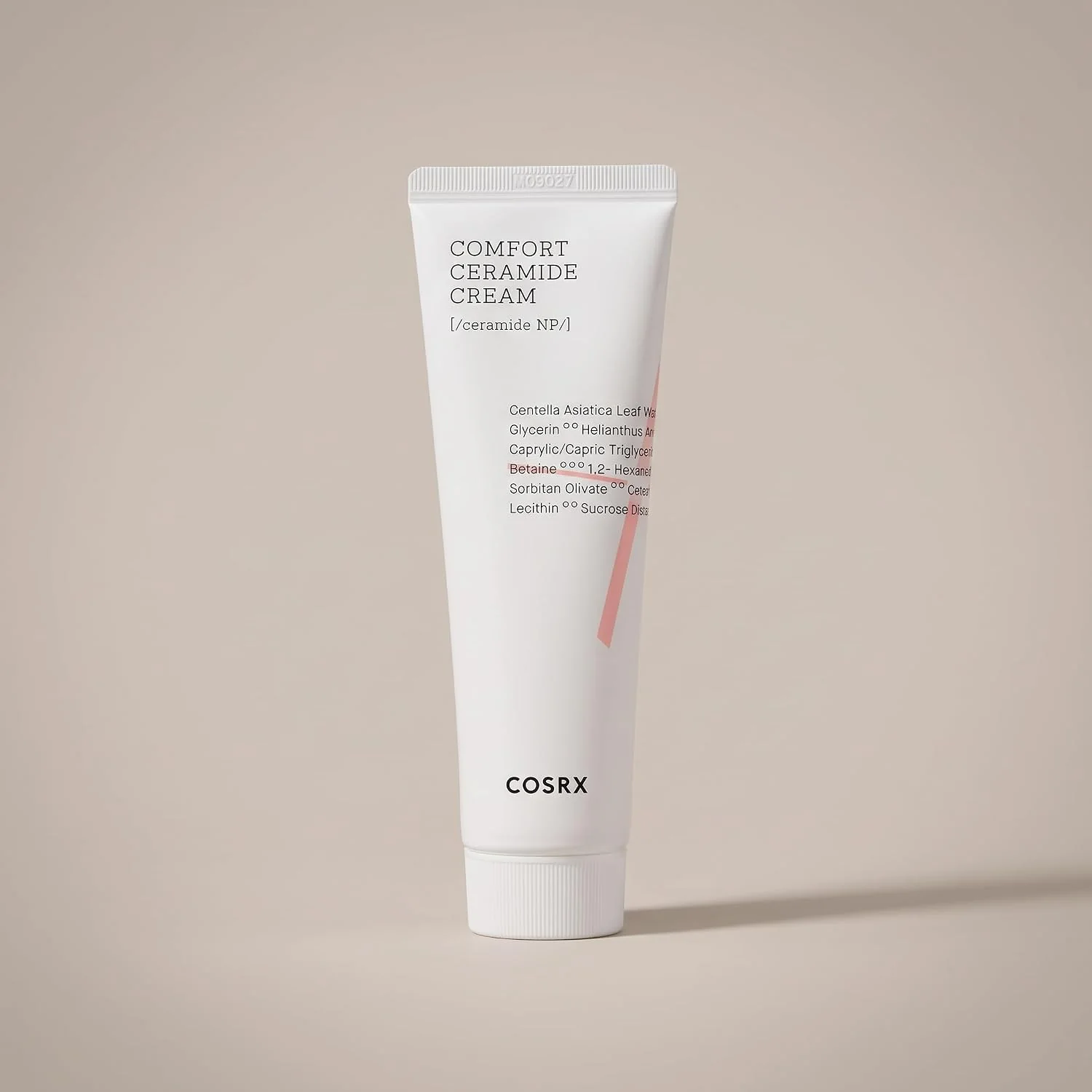
A lighter-weight, balm-textured cream for sensitized skin. According to the brand’s ingredient information, the formula lists Ceramide NP at 10,000 ppm (1%). This formula includes fragrance-associated ingredients (limonene, bergamot fruit oil, and linalool), so it shouldn’t be considered fragrance-free — worth knowing if you’re specifically avoiding fragrance for sensitive or reactive skin.
View on Amazon → (paid link)
None of the three products above has been independently clinically tested as a finished formula in the research reviewed for this article, and nothing here is meant to suggest they treat eczema, acne, rosacea, or any other medical condition — they’re moisturizers that contain ceramides, evaluated the same way any other moisturizer mentioned on this site would be.
Are Ceramide Moisturizers Worth It?
For most people with dry, sensitive, or eczema-prone skin, a ceramide-containing moisturizer is a reasonable and generally low-risk choice — the ingredient itself has a solid rationale (it’s a natural component of your skin barrier) and a reasonable, if not huge, body of supporting research, particularly for atopic dermatitis.
That said, it’s worth being honest about the limits of the evidence: a 2023 systematic review and meta-analysis of ceramide-containing moisturizers for atopic dermatitis found genuinely mixed results when compared against other moisturizers, with the authors noting high variability between studies and very few trials meeting their quality criteria. Some outcomes favored ceramide formulas modestly; others showed no significant difference. That doesn’t mean ceramides don’t work — it means the research base is still thinner and less conclusive than a lot of marketing implies, and “ceramide moisturizer” isn’t automatically superior to a well-formulated moisturizer without that specific label.
In short: ceramides are worth considering, especially if you have dry or barrier-compromised skin, but they’re one good option among several rather than a must-have upgrade over every other moisturizing ingredient, and results will vary from person to person.
Ceramide moisturizers are generally very low-risk, but they’re not a substitute for professional care. Talk to a dermatologist or healthcare provider if:
- You have eczema, atopic dermatitis, or another chronic skin condition that isn’t improving with over-the-counter moisturizers
- Your skin is cracked, bleeding, oozing, or shows signs of infection (increasing redness, warmth, swelling, or pus)
- You experience a new rash, significant irritation, or an allergic reaction after starting a new moisturizer
- Dryness or barrier symptoms are severe, sudden, or spreading despite consistent moisturizing
A dermatologist can also help you figure out whether dryness is coming from a barrier issue, an underlying skin condition, an environmental factor, or something else entirely — which matters for choosing the right treatment, not just the right moisturizer.
Bottom Line
Ceramides are naturally occurring lipids that play a real, well-established structural role in your skin barrier, and ceramide-containing moisturizers can be a genuinely useful part of a routine for dry, sensitive, or eczema-prone skin. The clinical evidence specifically supporting ceramide moisturizers — especially for atopic dermatitis — is real but modest, with mixed results across individual studies and a relatively small number of well-designed trials so far. Used as part of a broader routine, alongside humectants like hyaluronic acid and, when appropriate, active ingredients like niacinamide or retinoids, ceramides are a reasonable, evidence-informed choice for supporting your skin barrier — just not a guaranteed cure-all, not a one-size-fits-all solution, and not a replacement for professional care when your skin needs it.
Frequently Asked Questions
References
- Kahraman E, Kaykın M, Şahin Bektay H, Güngör S. “Recent Advances on Topical Application of Ceramides to Restore Barrier Function of Skin.” Cosmetics. 2019;6(3):52. DOI: 10.3390/cosmetics6030052
- De A, Halder S, Madan A, Raja UK, Prasad PG, Dhoot D, Jani G, Sharma T. “A Comparative, Multicenter, Prospective, Randomized Study to Evaluate the Efficacy, Safety, and Delay of Relapse of Ceramide-Based Post-biotic Moisturizer Versus Paraffin-Based Moisturizer in Mild to Moderate Atopic Dermatitis.” Cureus. 2025;17(1):e76762. DOI: 10.7759/cureus.76762 · PMID: 39897204
- Nugroho WT, Sawitri S, Astindari A, Utomo B, Listiawan MY, Ervianti E, Astari L. “The Efficacy of Moisturisers Containing Ceramide Compared with Other Moisturisers in the Management of Atopic Dermatitis: A Systematic Literature Review and Meta-Analysis.” Indian J Dermatol. 2023;68(1):53–58. DOI: 10.4103/ijd.ijd_991_22 · PMID: 37151263
- Draelos ZD, Raymond I. “The Efficacy of a Ceramide-Based Cream in Mild-to-Moderate Atopic Dermatitis.” J Clin Aesthet Dermatol. 2018;11(5):30–32. Publisher page: jcadonline.com (no PMID or DOI indexed; publisher link provided in its place)
- Lynde CW, Andriessen A, Barankin B, et al. “Moisturizers and Ceramide-Containing Moisturizers May Offer Concomitant Therapy with Benefits.” J Clin Aesthet Dermatol. 2014;7(3):18–26. PMID: 24688622 · PMC: PMC3970828
- Hall KD, MD. “The 3 Best Products to Treat Dry Skin and 3 to Avoid.” Ochsner Health Blog. Published January 7, 2026. blog.ochsner.org/articles/products-to-treat-dry-skin
- Cosmetic ingredient-directory cross-reference for ceramide INCI names (Ceramide NP, AP, EOP, EOS, NS): CosIng Checker and CosmileEurope. Note: these are third-party ingredient directories that reference the EU’s cosmetic ingredient inventory, not the European Commission’s own CosIng search tool.
Product formulation sources (for the three moisturizers mentioned above — these are verification sources, not affiliate links):
- Skinfix Barrier+ Triple Lipid-Peptide Cream — official U.S. retailer listing (Sephora): sephora.com/product/P442840
- Illiyoon Ceramide Ato Concentrate Cream — National Eczema Association product directory: nationaleczema.org/eczema-products/illiyoon-ceramide-ato-concentrate-cream
- COSRX Balancium Comfort Ceramide Cream — official brand site: cosrx.com/collections/collection-1/products/balancium-comfort-ceramide-cream
Note: A review on ceramide abnormalities in atopic dermatitis — “The Pathogenic and Therapeutic Implications of Ceramide Abnormalities in Atopic Dermatitis,” Cells. 2021;10(9):2386, DOI: 10.3390/cells10092386 (author names could not be confirmed) — and one additional ceramide-biology paper (PMC9293121) were sought for this article. Full text of both remained blocked by a persistent automated-access check; one summary table from the Cells 2021 paper was retrievable and is consistent with the clinical evidence described above, but neither source is cited for specific claims in this article.