How to Remove Halloween Makeup & Face Paint Gently
October 16, 2026
By Ava Fit Care Editorial Team Last updated: October 16, 2026
Quick answer: Start by checking the label or manufacturer instructions on whatever you wore — face paint, fake blood, and glitter products genuinely differ, and the right removal method depends on the specific product. As a general pattern: water-activated (cake) face paint usually comes off with a mild cleanser and water; cream, grease-based, and waterproof products are typically more water-resistant and often need a remover formulated for that type of product — such as a cleansing balm/oil or a suitable micellar remover — to fully break down; glitter is best removed by gently brushing away loose particles and then cleansing repeatedly rather than scrubbing or using adhesive methods like tape; and fake blood’s removal depends on what it’s made of, since formulas vary widely. Keep products out of your eyes throughout, and stop and rinse with cool water if your skin starts to sting, burn, or turn red.
Affiliate Disclosure: This article contains Amazon affiliate links. If you make a qualifying purchase through one of these links, AvaFitCare may earn a small commission at no additional cost to you. We’ve linked specific products only where they fit the removal method being described — always check the product’s own label and ingredient list, since no single product is right for every face paint, glitter, fake blood, or waterproof formula.
Not every item below applies to every look — grab what matches what you actually wore, and check your product’s packaging or manufacturer’s website first if you still have it:
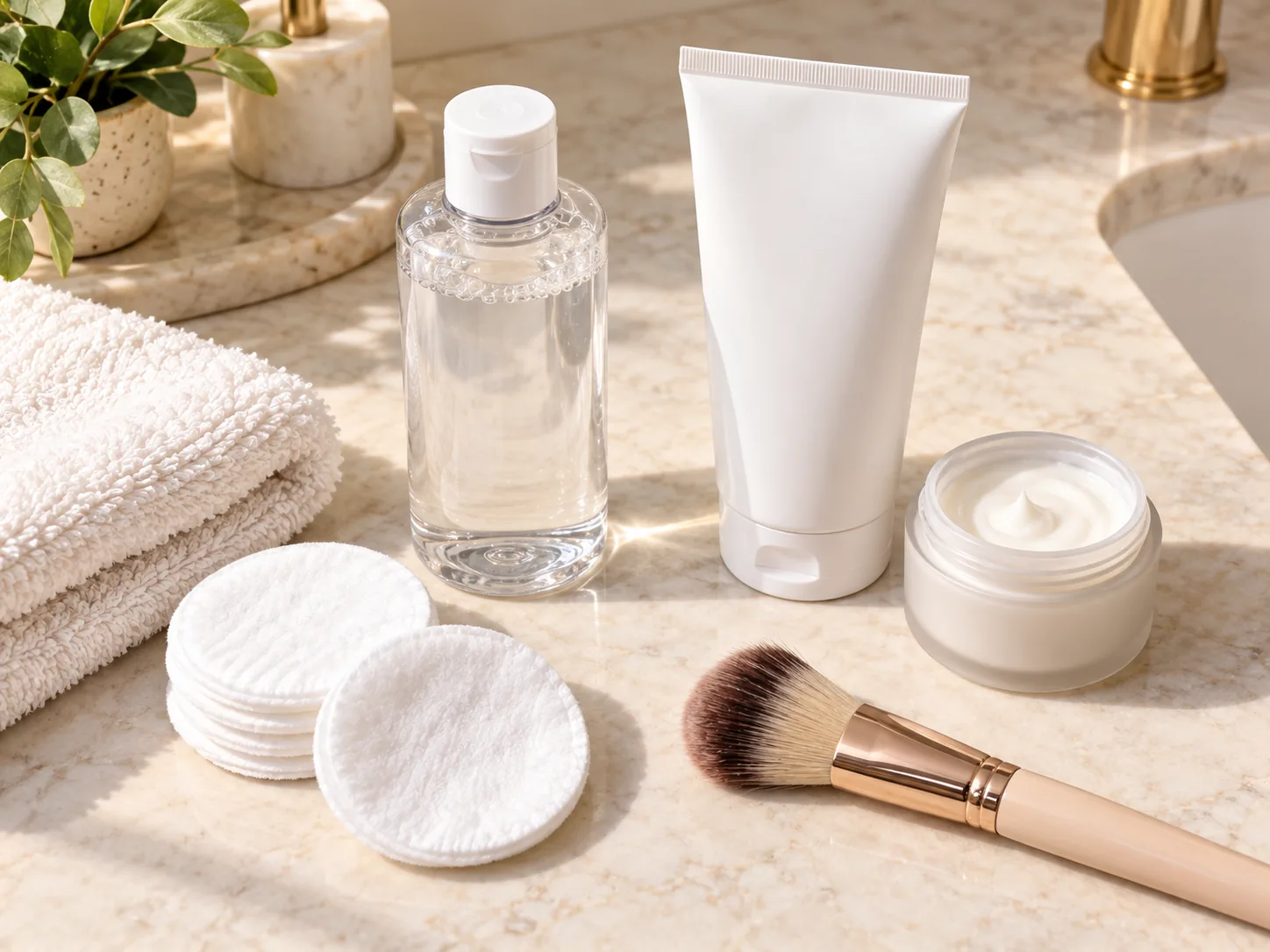
A remover suited to what you wore: for cream, grease-based, or long-wear/waterproof product, a cleansing balm is the usual pick — two widely available alternatives are the e.l.f. Holy Hydration! Makeup Melting Cleansing Balm and the CeraVe Makeup Removing Cleansing Balm (either one works on its own; there’s no need to use both). Water-activated (cake) face paint usually comes off with just a mild facial cleanser and water — follow the product’s own instructions either way. A micellar water, such as Bioderma Sensibio H2O Micellar Water, is an optional remover for makeup it’s labeled as suitable for; check its label, since micellar water isn’t formulated to work on every Halloween makeup or face-paint formula.
Your regular, fragrance-free facial cleanser, for a second cleanse afterward — see Step 5 below for how it’s used
Soft, reusable cotton pads or a clean washcloth
Lukewarm water
A soft, dry makeup brush for dusting loose, dry glitter or powder before wet cleansing
A fragrance-free, gentle moisturizer for after — see “How to Care for Skin After Removal” below
Optional: a dedicated remover formulated for waterproof or long-wear eye makeup, if that’s what you wore — see “Waterproof Makeup and Eye-Area Precautions” below
This article covers general product categories. It is not a substitute for the instructions printed on your specific face paint, fake blood, glitter, or adhesive product — check the label or the manufacturer’s own removal guidance first (see Mehron’s and Snazaroo’s official removal pages as examples), since formulas vary and some require a specific remover. The FDA’s guidance on novelty and Halloween makeup echoes this approach — follow label directions, use only products made for skin, and patch-test an unfamiliar product on your arm for a day or two before applying it to your face (see FDA’s novelty makeup guidance). And if you’re shopping ahead of next Halloween, our best Halloween makeup products for beginners guide covers skin-safer options to look for from the start.
Step-by-Step Gentle Removal
1
Check the product’s label or packaging first, if you still have it
Manufacturer instructions are the most reliable source for how to remove that specific product — more reliable than any general guide, including this one.
2
Tie back hair and protect your collar
A towel around the shoulders catches drips and keeps product out of your hair and clothing.
3
Remove loose or dry product first
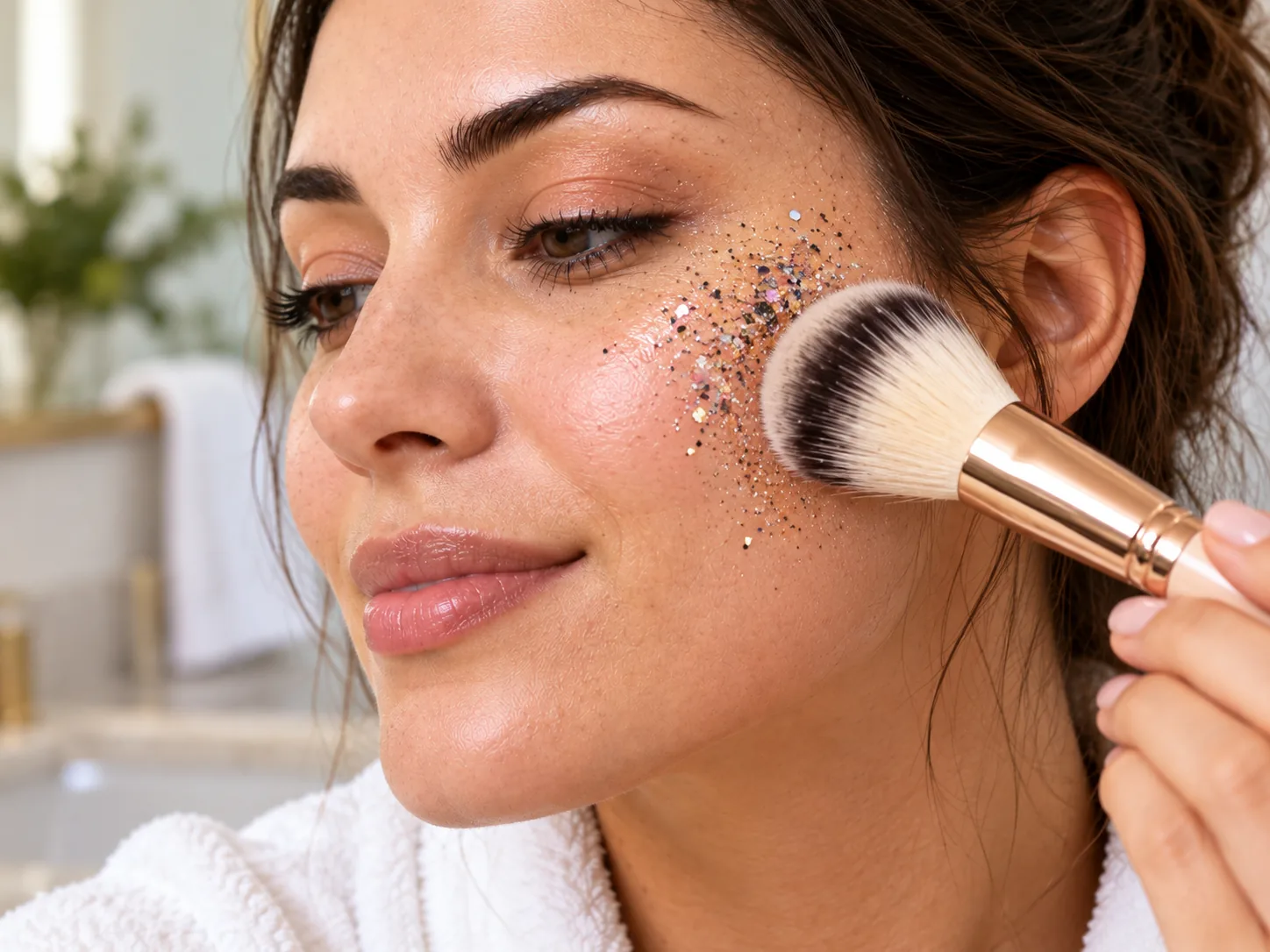
Gently brush away any dry glitter, powder, or flaking paint with a soft brush before you add water or cleanser — this reduces how much gets smeared or rubbed into the skin in the next step.
4
Choose a remover based on what you wore
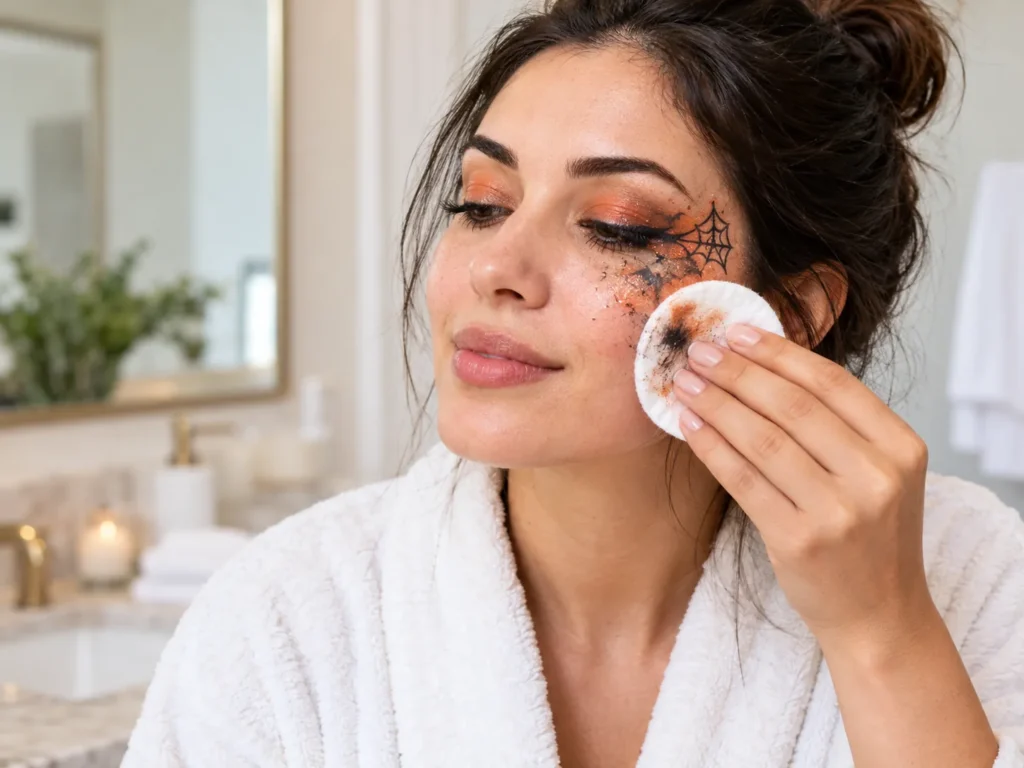
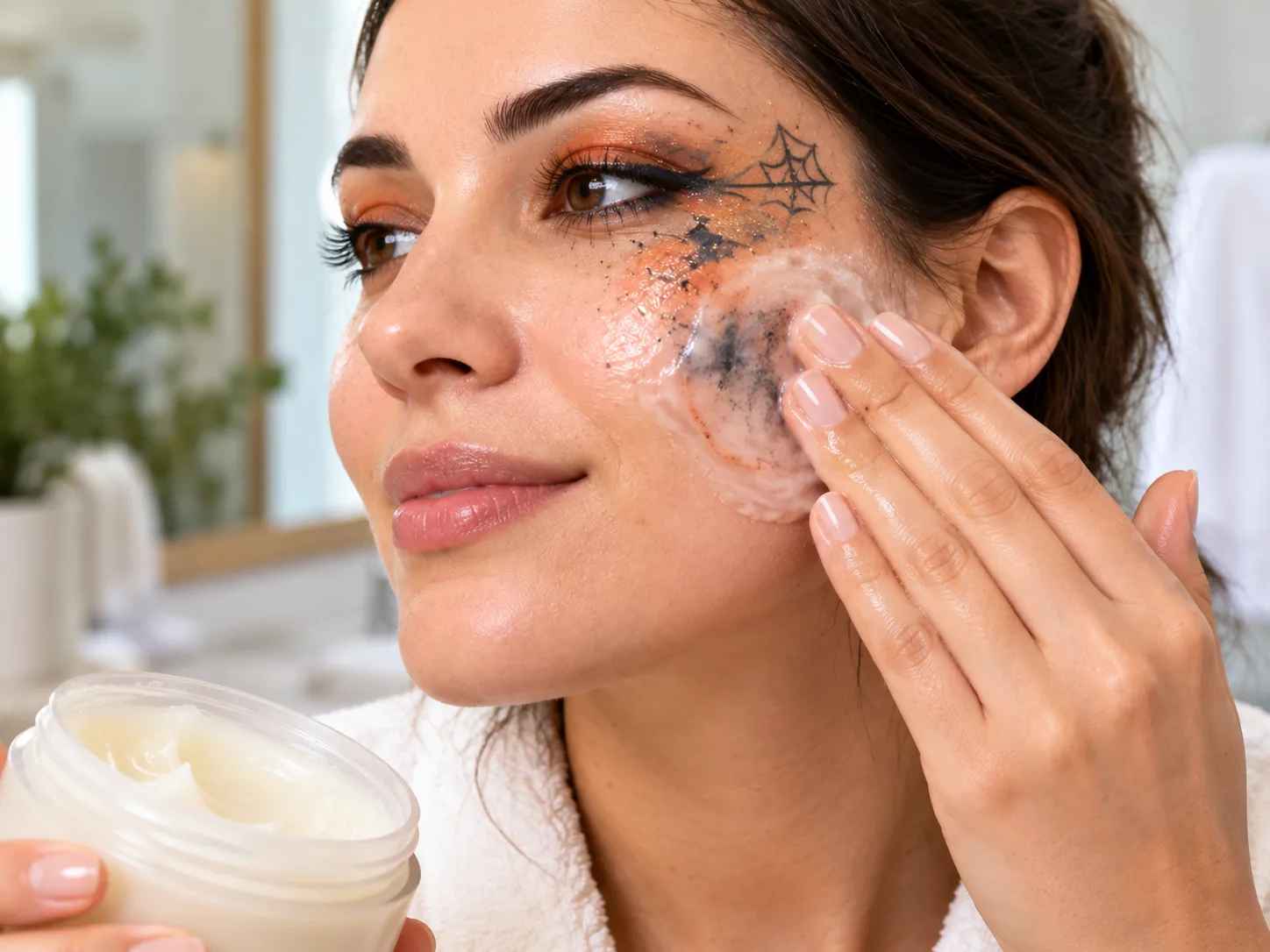
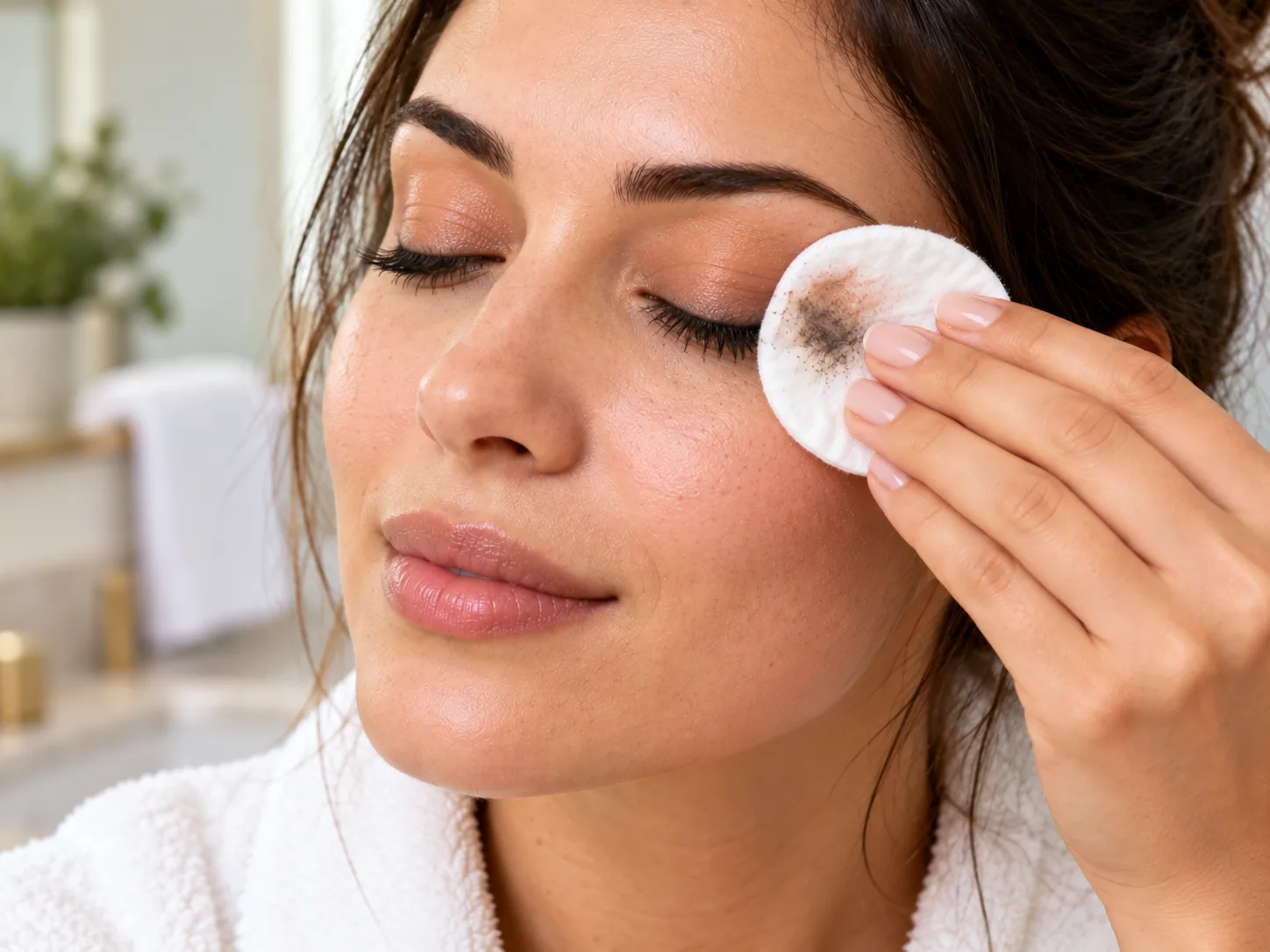
For cream, grease-based, or waterproof product, apply a cleansing balm/oil (see the balm options in “What You’ll Need” above) or a suitable micellar remover to a cotton pad and press, don’t rub — hold it against the area for a few seconds to let it start breaking the product down, then wipe gently outward. For water-activated (cake) paint, a mild cleanser and warm water is often enough on its own. Repeat with a fresh pad as needed rather than scrubbing one area repeatedly.
5
Follow with a second, gentle cleanse
Use your regular facial cleanser — a fragrance-free option like CeraVe Hydrating Facial Cleanser works well here — and lukewarm water to clear away any remaining residue or pigment. This two-step approach (sometimes called double cleansing) is commonly recommended for long-wear or heavily pigmented products, though how much you need it depends on what you wore.
6
Check for stragglers in your hairline, ears, jaw, and neck
— areas that are easy to miss, especially with face paint that extends past the chin or temples.
7
Pat skin dry
with a clean towel rather than rubbing.
8
Moisturize
Skin that’s just been cleansed can feel tight or sensitive; a fragrance-free, gentle moisturizer helps restore comfort.
Water-Activated Face Paint vs. Cream/Grease Paint vs. Waterproof Makeup
These three common formats don’t all respond to the same removal approach, and none of them should be assumed to need the same remover:
Water-activated (cake) face paint is applied with a wet brush or sponge and isn’t usually formulated to be waterproof, so it often comes off with just a mild cleanser and warm water. Pigmented colors (especially reds, blacks, and blues) can still leave a temporary stain, so a gentle cleanser pass first can help lift pigment before it sits on the skin.
Cream or grease-based makeup is oil-based and tends to be more water-resistant by design, so it typically needs an oil-based remover or cleansing balm to break down fully (see the balm options in “What You’ll Need” above) — soap and water alone often just smears it rather than lifting it. Setting it with powder can make it more stubborn, so don’t be surprised if it takes an extra cleanse.
Waterproof makeup (waterproof face paint, eyeliner, or mascara) is specifically engineered to resist water, sweat, and rubbing. It generally needs a dedicated remover suited to waterproof formulas — check the product’s label, since “waterproof” doesn’t tell you on its own whether a product is oil-based, silicone-based, or something else. (See “Waterproof Makeup and Eye-Area Precautions” below for a labeled-for-this-purpose option.)
The reliable way to know which category you’re dealing with, and what actually removes it, is the product’s own packaging or the manufacturer’s removal instructions — not guessing from how it looks or feels on skin. If you’re still deciding on a look for next year, our easy Halloween makeup for beginners guide has beginner-friendly ideas across each of these formats.
Fake Blood and Stubborn Makeup Residue
Fake blood formulas vary more than people often assume, and that affects removal more than any single tip can cover:
Homemade, corn-syrup-based fake blood is sticky and sugar-based rather than oil-based. A warm-water rinse first can help dissolve and loosen the sugar base before you cleanse, which may make cleanup less messy than going straight to cleanser on dry, sticky residue.
Commercial or theatrical “stage blood” varies by brand and formula — some are water- or glycerin-based, some are oil- or wax-based, and some are proprietary blends. There isn’t one universal removal method that works for all of them. Check the specific product’s label or the manufacturer’s removal instructions (for example, Mehron publishes its own stage blood line with its own formulation) rather than assuming it behaves like heavy face paint.
Stubborn residue or staining (especially from reds and darker pigments) may take a couple of gentle cleansing passes rather than one aggressive one — a cleansing balm (see “What You’ll Need”) can help if a regular cleanser isn’t cutting through it. Repeated gentle cleansing is a safer approach than scrubbing harder. Any faint tint left behind can vary by product and skin — scrubbing harder won’t clear it faster and risks irritating your skin instead.
If you’re not sure what a fake blood product is made from, start with your regular cleanser and a warm-water rinse, and move to an oil-based remover only if that doesn’t work — that’s a gentler default than assuming an oil-based remover is always needed.
Removing Glitter Without Aggressive Rubbing
Glitter is one of the easiest things to accidentally irritate skin with, because the instinct is to rub or scrub it away.
Dust dry glitter away first, before introducing water or cleanser, using a soft, dry makeup brush. This removes loose particles with minimal contact.
Cleanse gently and repeat rather than scrub. A gentle cleanser on a cotton pad, pressed and lifted rather than rubbed, will clear most remaining glitter over a couple of passes.
Skip adhesive-lifting methods on the face. Tape, lint rollers, and similar adhesive products are sometimes suggested for glitter removal, but adhesive products are a recognized cause of skin irritation and even skin stripping when used on sensitive skin, and facial skin is more sensitive than most other areas. Evidence on whether tape or similar adhesives are safe for routine use on facial skin is limited, so a gentler, non-adhesive approach is the safer default for the face.
Never use tape, lint rollers, or any adhesive-lifting method near the eyes, full stop.
Keep glitter away from the eyes entirely, both during application and removal. Loose glitter particles can scratch the surface of the eye. If any glitter does get near or in the eye, don’t rub — rinse gently with clean water, and see a doctor if irritation doesn’t resolve quickly (per FDA’s eye cosmetic safety guidance, stop using a product immediately if it causes irritation and see a doctor if irritation persists).
Waterproof Makeup and Eye-Area Precautions
The eye area needs its own, gentler approach, especially with waterproof products:
Use a dedicated eye-makeup remover for the eye area, separate from whatever you use on the rest of your face, especially for waterproof mascara or eyeliner. A remover labeled specifically for waterproof use, such as Cetaphil Gentle Waterproof Makeup Remover, is formulated for exactly this and is a reasonable starting point — though always patch-test and follow its label, since no single remover is guaranteed to work on every waterproof formula or every skin type. Press a soaked cotton pad against closed eyes for several seconds to let it dissolve the product before wiping — don’t rub.
Never scrub or pull at the delicate skin around the eyes. It’s thinner and more easily irritated than the rest of your face.
Never get facial cleanser, oil remover, or soap directly into your eyes. If a product does get into your eyes, rinse thoroughly with clean water; per FDA guidance, stop use immediately if irritation occurs and see a doctor if it persists.
Remove false lashes gently, if worn: press remover into the lash band along the lash line, wait for the adhesive to loosen, then lift the lash away rather than pulling.
Avoid exfoliating scrubs near the eyes entirely, and don’t apply or remove eye cosmetics in a moving vehicle — both are cautions echoed by the American Academy of Ophthalmology and FDA.
Skip fluorescent, glow-in-the-dark, or other specialty-effect colors near the eyes. FDA’s guidance on novelty and Halloween makeup notes that fluorescent colors aren’t approved for use near the eyes, and that caution applies even when a product’s own packaging shows it worn that way — see FDA’s novelty makeup guidance.
Adhesives and Prosthetics
If your costume involved spirit gum, latex, or a prosthetic piece, don’t peel it off dry — this can pull at the skin and cause irritation or micro-tears. Use the adhesive’s own compatible remover (most spirit gum and prosthetic adhesive brands sell a matching remover) and follow the product’s instructions for soak time before gently lifting the edges. If you don’t have the matching remover on hand, it’s safer to leave a prosthetic on a bit longer and remove it properly later than to force it off.
How to Care for Skin After Removal
Once everything is off and skin is patted dry:
Moisturize with a fragrance-free, gentle product, such as Vanicream Daily Facial Moisturizer. Skin that’s been through extra cleansing steps tonight needs hydration, not more active ingredients.
Skip retinoids, exfoliating acids, and other strong actives for the night, even if they’re normally part of your routine — freshly cleansed, possibly slightly irritated skin isn’t the time to introduce more potential irritants. For general guidance on prepping skin for makeup (and by extension, keeping it resilient around a heavy-makeup night), see our Halloween makeup skin-prep guide.
A cool, damp washcloth can help calm any residual redness or warmth from the evening’s products and removal process.
Check for any lingering tint or stain, especially from darker face paint or fake blood pigments. This is usually cosmetic, and how long it takes to fade can vary by product and skin. Continue with normal, gentle washing rather than scrubbing to try to speed it up — it’s not something that needs special treatment unless it’s accompanied by irritation.
Common Mistakes — and When to Stop
A few habits make removal harder on skin, not easier:
Scrubbing or rubbing instead of gently lifting and cleansing. This is a common mistake that can cause irritation, especially with glitter or dried, stubborn makeup.
Using soap and water alone on heavy, cream-based, or waterproof product, then scrubbing harder when it doesn’t come off. Switch to a remover suited to that product type instead of adding friction.
Reaching for products not meant for skin — things like acetone/nail polish remover, rubbing alcohol, or household cleaning products are not appropriate face or skin cleansers and can cause real irritation or chemical burns; they’re not covered by this guide because they aren’t a safe option.
Using face paint or makeup not labeled for use on skin, rather than craft or acrylic paint — this is worth double-checking before you even get to removal. FDA’s guidance on novelty and Halloween makeup requires color additives in face paint and theatrical makeup to be approved for cosmetic use; if an ingredient list looks unusual or a product doesn’t look made for skin, don’t use it (see FDA’s novelty makeup guidance).
Treating black henna temporary tattoos as if they were a face-paint ingredient. They’re not — black henna is a different product category (a temporary-tattoo ink, not face paint), and some black henna products contain PPD (para-phenylenediamine), which can cause severe allergic reactions, chemical burns, or permanent scarring in sensitized people. If a costume plan includes a henna-style temporary tattoo rather than painted-on makeup, see FDA’s fact sheet on temporary tattoos and black henna before use.
Forcing off adhesive, prosthetics, or false lashes without the product’s compatible remover.
Leaving makeup or face paint on overnight rather than removing it the same night, which gives it more time to clog pores or irritate skin.
Ignoring early signs of a reaction — redness, itching, burning, stinging, swelling, or small blisters can all indicate irritant or allergic contact dermatitis, which face paint ingredients like dyes, fragrances, and preservatives are known to trigger in some people. For more on choosing a lower-risk product in the first place, see our guide to best face paint for Halloween.
Stop removal and rinse the area with cool, clean water right away if you notice stinging, burning, spreading redness, swelling, or blistering. Keep the area clean and avoid introducing more products (including home remedies) once irritation starts. If symptoms are mild and start to settle with rinsing and rest, continue to watch the area; if they don’t improve, get worse, spread, involve the eyes, or come with blistering or significant swelling, contact a pharmacist, doctor, or dermatologist rather than continuing to try to manage it at home on your own.
Frequently Asked Questions
Check your product’s label first, since removal methods genuinely vary by product. As a general pattern, water-activated face paint often comes off with a mild cleanser and water, while cream, grease-based, or waterproof products usually need a remover formulated for that type of product, such as a cleansing balm/oil or a suitable micellar remover. Press and wipe gently rather than scrubbing either way.
Waterproof formulas are designed to resist water and rubbing, so soap and water alone often isn’t enough. Check the product’s label for its specific removal guidance, use a remover suited to waterproof formulas on the face, and use a separate, gentle eye-makeup remover for waterproof eyeliner or mascara — press and let it sit for a few seconds before wiping rather than scrubbing.
Gently brush away loose, dry glitter first, then remove the rest with repeated gentle cleansing rather than rubbing. Adhesive methods like tape aren’t recommended for facial skin, since adhesives can irritate or strip sensitive skin — and never use them near the eyes. Keep glitter away from the eye area entirely, since particles can scratch the eye’s surface.
It depends on the formula. Water-activated (cake) face paint often comes off reasonably well with a mild cleanser and water, but cream or grease-based face paint is oil-based and usually needs an oil-based remover to fully break down. Check your specific product’s label to be sure.
It depends on what it’s made of, and formulas vary more than people expect. Corn-syrup-based homemade fake blood is sticky and sugar-based, so a warm-water rinse first can help loosen it before cleansing. Commercial stage blood can be water-, glycerin-, oil-, or wax-based depending on the brand, so check the product’s own label or removal instructions rather than assuming one method works for all of them.
They’re commonly mentioned as gentle, oil-based options for cream or grease-based makeup on the face, but neither is formulated or tested specifically as a face-paint remover, and they’re not a universal choice for every product or skin type. Patch-test first, and avoid using them near or in the eyes — dermatologists have raised concerns about petroleum jelly around the eyes specifically, including effects on the eyelid’s oil glands. When in doubt, follow your face paint’s own label instructions instead.
Heavy or long-wear products can clog pores, and face paint ingredients like dyes, fragrances, and preservatives can trigger irritant or allergic contact dermatitis in some people. Removing makeup gently the same night, rather than leaving it on, and moisturizing afterward can help reduce this risk.
Stop using the product and rinse the area with cool, clean water right away. Keep the area clean and avoid adding other products while it settles. If mild irritation doesn’t improve, or if it worsens, spreads, involves the eyes, or comes with blistering or significant swelling, contact a pharmacist, doctor, or dermatologist rather than self-treating.
Bottom Line
Halloween makeup removal doesn’t have to be harsh on your skin — it just has to match the product, and the product’s own label is the best starting point every time. Water-activated paint usually needs only a mild cleanser; cream, grease, and waterproof products typically need an oil-based remover; glitter responds best to gentle brushing and repeated cleansing rather than scrubbing or adhesive lifting; and fake blood’s removal depends on what it’s actually made of. Keep products away from your eyes throughout, moisturize afterward, and stop and get medical advice if your skin reacts rather than pushing through irritation or trying to self-treat it.
This article is for general informational and educational purposes only and is not a substitute for professional medical advice, diagnosis, or treatment. If you experience a significant skin reaction, eye irritation, or symptoms that don’t improve, contact a dermatologist, physician, or other qualified healthcare provider.