Quick Answer
Hyaluronic acid (HA) is a water-binding ingredient — a humectant — that helps the skin hold onto moisture. Human research on topical HA is mostly small and short-term; several studies are funded by ingredient manufacturers, though not all of them are — one 2024 university-funded clinical trial is discussed below. Taken together, this research consistently points toward one reasonably well-supported benefit: improved surface hydration. Topical HA has not been shown convincingly to boost collagen production in living human skin, and it does not work like an injectable filler — those are different claims with different (and much stronger) evidence behind them for injected HA specifically, not serums or creams. For most skin types, hyaluronic acid is a low-risk, generally well-tolerated ingredient worth understanding on its own terms rather than through marketing shorthand.
What Is Hyaluronic Acid?
Hyaluronic acid is a sugar-based molecule — technically a glycosaminoglycan — that your body already makes and uses. It’s concentrated in the skin’s outer layers and in the connective tissue beneath, where it helps cushion tissue and attract water. An average adult body contains a measurable amount of HA at any given time, and the body continuously breaks it down and resynthesizes it.
In skincare products, “hyaluronic acid” is very often listed as sodium hyaluronate, the salt form of the molecule. Sodium hyaluronate is more stable and water-soluble than the free acid, which is why it’s the form most commonly used in formulations. You may also see modified versions — hydrolyzed, acetylated, or cross-linked hyaluronic acid — which are related to standard HA but aren’t necessarily interchangeable with it; different chemical modifications can change how an ingredient behaves in a product.
How It Works
Hyaluronic acid is a humectant. Its structure has a strong attraction to water molecules, which is how it earned its reputation for binding many times its weight in water under lab conditions. Applied topically, it draws in and holds onto water at the skin’s surface and upper layers.
It’s worth being precise about what that mechanism does and doesn’t mean: applying hyaluronic acid to your skin is not the same as increasing the amount of HA your skin naturally produces. The “it boosts your own hyaluronic acid” framing sometimes used in marketing isn’t supported by the research on topical use — the water-binding effect is real, but it’s an added-ingredient effect, not a production-boosting one.
What the Evidence Actually Shows (Benefits)
The most consistent, reasonably well-supported benefit of topical hyaluronic acid is improved surface hydration. A handful of small human studies — most lasting a few weeks to two months, with somewhere between 30 and 80 participants — have measured meaningful increases in skin hydration after regular use. Several of the available human trials on this ingredient are funded by, or conducted through, HA ingredient manufacturers or commercial testing institutes rather than independent academic researchers — but not all of them are. A 2024 double-blind, randomized controlled trial funded by a university research office (not an ingredient manufacturer) tested a low-molecular-weight HA lotion, a high-molecular-weight HA lotion, and a plain vehicle lotion on the legs of 36 adults aged 60 to 80 with diagnosed dry skin. After four weeks, the low-molecular-weight HA site showed significantly higher skin hydration (measured by capacitance) than either the high-molecular-weight site or the vehicle site. That same trial, though, found no significant difference between the groups in water loss through the skin or in dryness symptom scores — so even this cleaner, independently funded study found a real but partial benefit, on one measure, in one population (older adults) and one body site (the lower leg), not a sweeping confirmation that topical HA solves dryness across the board. The overall picture: the hydration benefit is real and plausible, and it isn’t fair to say every study behind it has an industry conflict of interest — but the total human evidence base is still thin relative to how confidently the benefit is often marketed.
Alongside hydration, some of the same small studies report short-term improvements in skin smoothness and elasticity by instrument measurement. This is consistent with a humectant’s effect — water uptake temporarily plumps the outermost skin layer — rather than any deeper structural change.
There is also some evidence of a modest reduction in the appearance of fine lines after several weeks of use, though in the clinical trial most often cited for this, the benefit only reached statistical significance for two of the five molecular weights tested — not across the board. This is a real but narrow finding, not a guarantee that any hyaluronic acid product will visibly smooth wrinkles.
What Hyaluronic Acid Cannot Do
This is where a lot of marketing overreaches, so it’s worth being direct:
It has not been shown convincingly to stimulate collagen production in living human skin when used topically. You’ll see “boosts collagen” claims attached to hyaluronic acid serums fairly often. The research that actually supports HA stimulating collagen comes from injectable HA dermal fillers, where the filler physically sits in the dermis and interacts with cells there. For topical products, the collagen evidence that exists is limited to cell-culture and lab-grown skin-model studies, with inconsistent results even in that setting — none of it demonstrating collagen stimulation in living human skin from a topical product. That’s a gap in the evidence, not proof that it’s impossible under any formulation or circumstance — but as things stand, treat “HA boosts collagen” as an overstatement when it’s attached to a serum or moisturizer.
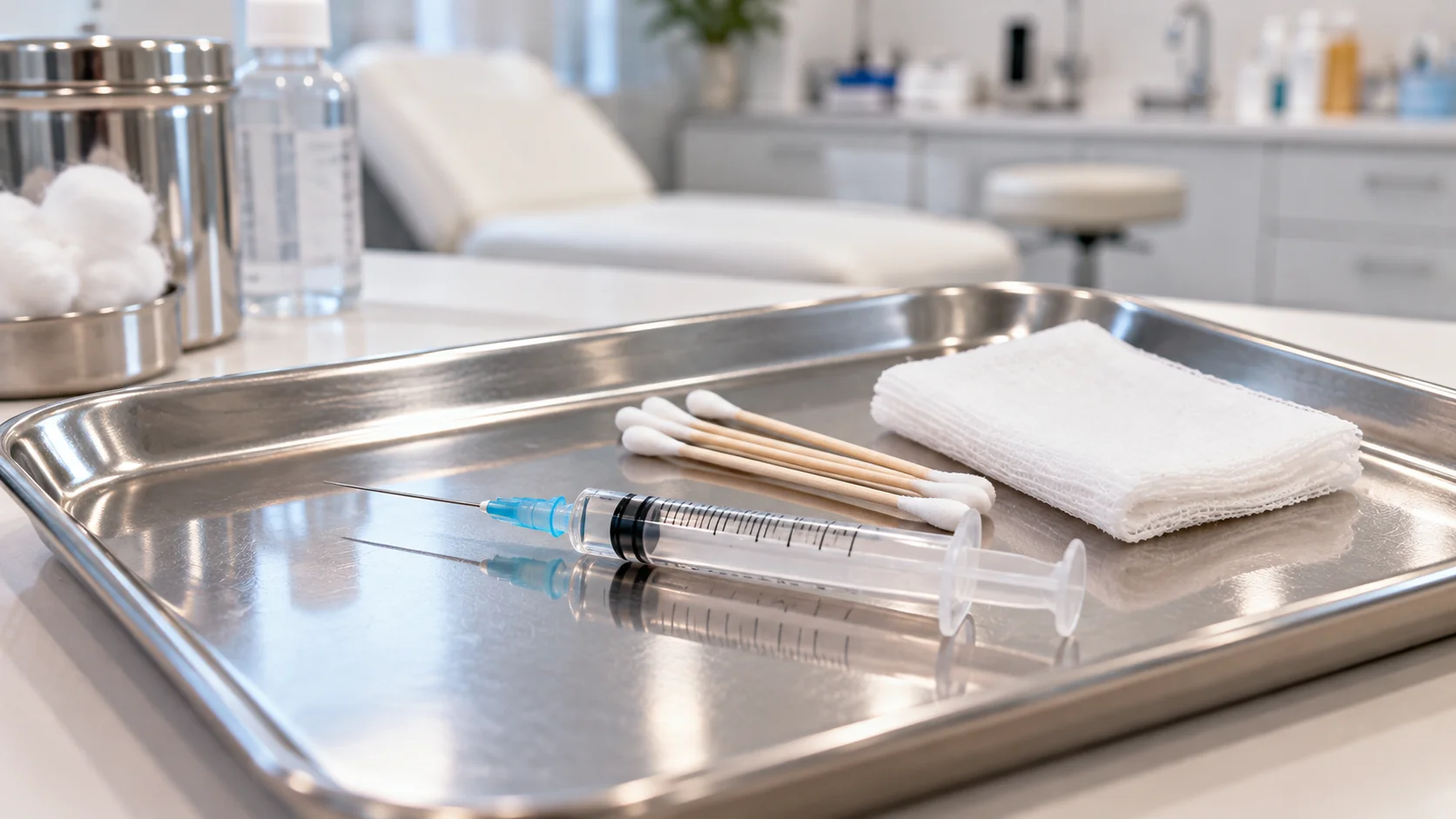
It is not a substitute for an injectable filler. Topical hyaluronic acid cannot replace lost facial volume the way an injectable filler can — a dermatologist-authored source we reviewed specifically calls out topical products marketed as “fillers” as misleading. Injectable HA fillers are regulated as prescription-only medical devices administered by a licensed provider, with their own distinct (and more serious) risk profile; the two product categories should never be thought of as versions of the same thing.
It does not have a settled “ideal” molecular weight, concentration, or number of drops. Lower molecular weight HA is frequently marketed as penetrating deeper and therefore working better. The actual research is mixed: some studies find smaller HA molecules move further into the skin, others don’t, and even where penetration differs, it hasn’t been clearly linked to better results. There’s no scientific consensus here, and this article won’t invent one.
It does not have a universal results timeline. Some sources promise visible results in days; the actual studies we reviewed tracked improvements over roughly two weeks to two months, in small groups, under study conditions — not a guarantee of how quickly any individual will notice a change.
Who May Benefit from Hyaluronic Acid
Because it works primarily by adding water rather than oil, hyaluronic acid is generally considered suitable across a wide range of skin types:
Dry or dehydrated skin is the most straightforward fit, since the core benefit — added surface hydration — directly addresses a lack of water in the skin. It’s worth knowing that “dry skin” and “dehydrated skin” describe different underlying issues (dry skin lacks oil; dehydrated skin lacks water), and the distinction affects how you build a full routine around a humectant like HA — see our guide on dehydrated skin vs. dry skin if you’re not sure which applies to you, and our skincare routine for dry skin for a fuller routine built around that skin type.
Oily and acne-prone skin is widely considered a reasonable fit too, mainly because hyaluronic acid as an ingredient is water-based rather than oily, and lightweight serum formats are common. We didn’t find a dedicated clinical trial testing hyaluronic acid specifically in acne-prone skin — this is more of a mechanism-based, widely accepted position than an RCT-proven one — and no source we reviewed identified HA itself as comedogenic or linked it to breakouts. That’s a statement about the ingredient, though, not a guarantee about every finished product: a specific serum or moisturizer could still cause irritation or breakouts because of fragrance, other actives, or the rest of the formula, regardless of its hyaluronic acid content.
Sensitive skin generally tolerates hyaluronic acid well; true allergic reactions to topical HA are documented as rare.
Mature skin may see some benefit from the temporary surface-smoothing effect described above, though — as covered in the previous section — this isn’t equivalent to the deeper, longer-lasting effects of an injectable treatment.
We didn’t find a topical-HA contraindication tied to any specific skin type in the authoritative sources we reviewed (AAD-level dermatology guidance, Cleveland Clinic). If you have a diagnosed skin condition or are reacting to a new product, that’s a conversation for a dermatologist rather than something to troubleshoot from an ingredient guide alone.
Forms and Molecular Weight
Hyaluronic acid products vary by molecular weight, usually described in kilodaltons (kDa) — essentially, how large the HA molecule is. You’ll commonly see:
- High molecular weight (HMW) HA, which tends to sit more on the skin’s surface and forms a hydrating film.
- Low molecular weight (LMW) HA, which some research suggests may move slightly further into the skin’s outer layers.
- Multiple molecular weights blended together, a common formulation approach intended to combine surface hydration with some depth of effect.
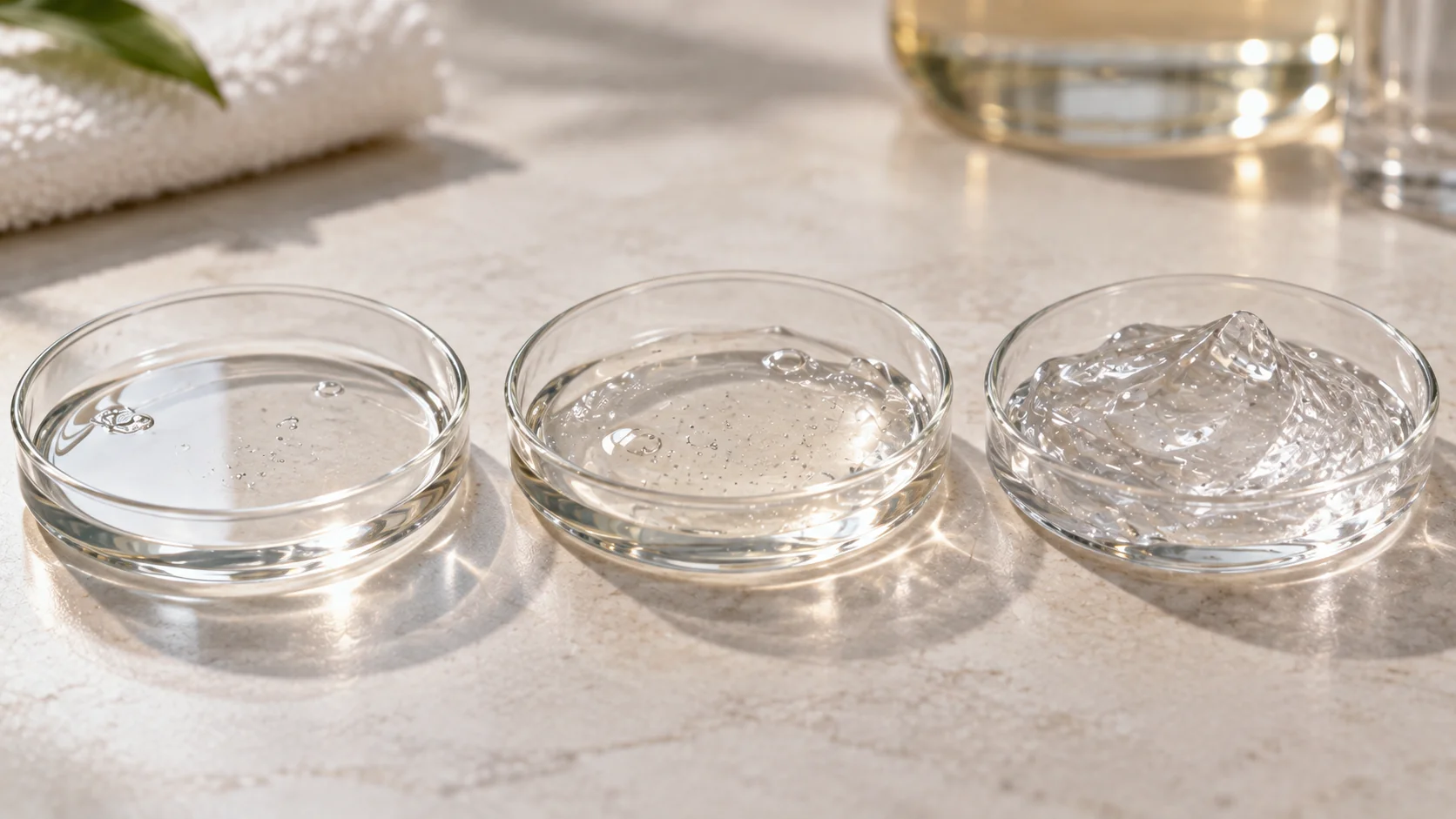
As covered above, the actual penetration differences between molecular weights are genuinely unsettled in the research — studies disagree, and even where one weight penetrates differently than another, that hasn’t been clearly tied to a better outcome in most of the research reviewed.
One notable exception worth naming directly: a 2024 double-blind, university-funded randomized controlled trial in older adults with diagnosed dry skin found that a low-molecular-weight HA lotion produced significantly better skin hydration (measured by capacitance) than a high-molecular-weight HA lotion on the same participants’ skin after four weeks. That’s a genuine, independently funded data point in favor of low molecular weight — but it’s also a narrow one: the same trial found no significant difference between the two molecular weights for water loss through the skin or for dryness symptom scores, and it tested leg skin in people aged 60 to 80, not facial skin in a general population. It doesn’t establish that lower molecular weight is universally superior — it shows a specific benefit, on one measure, in one population and body site. A product using several molecular weights is a reasonable formulation strategy, but it isn’t proven to outperform a single-weight product in a head-to-head human trial covering facial skin or the general population.
How to Use Hyaluronic Acid Correctly
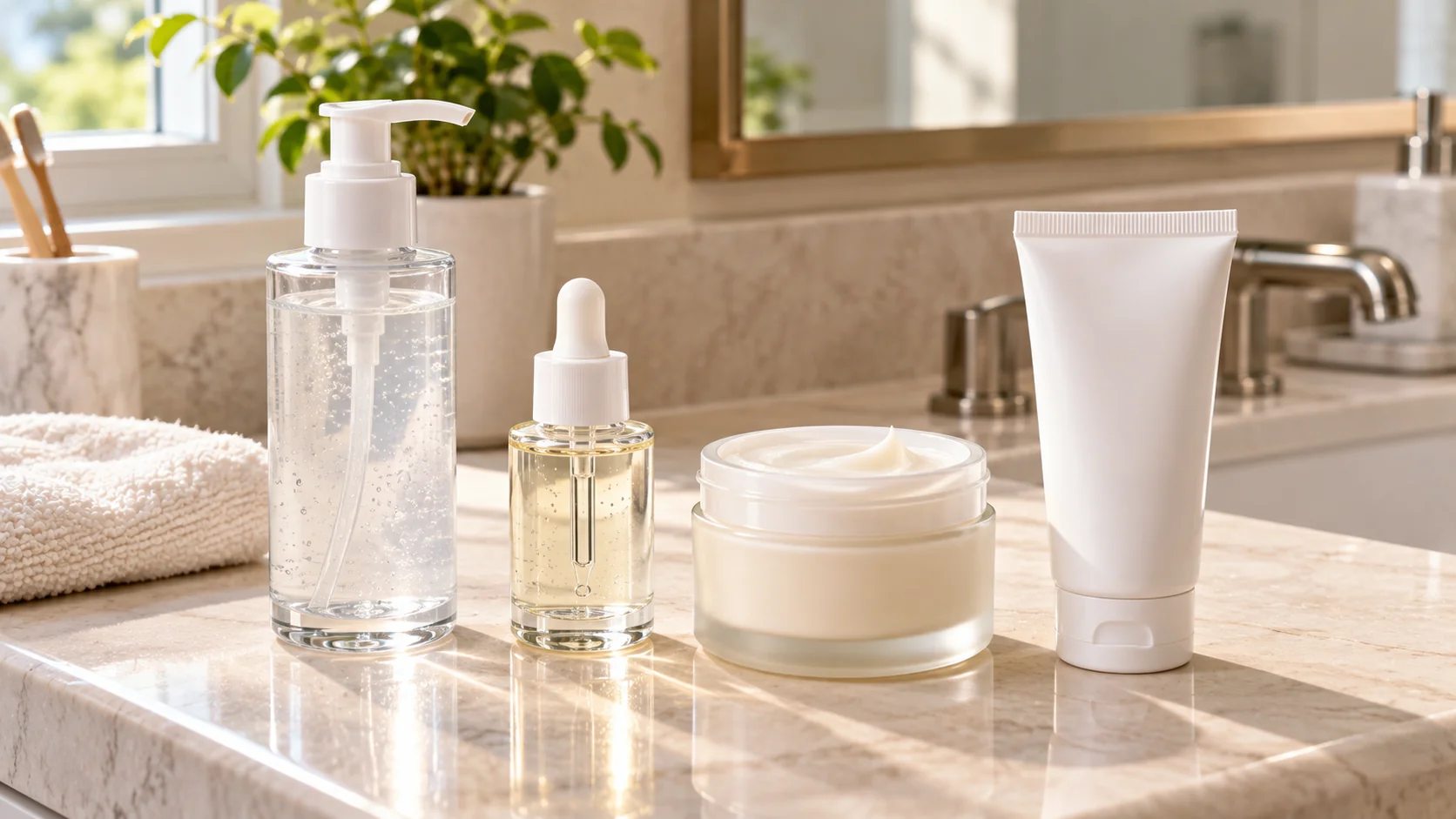
Hyaluronic acid is most commonly formulated as a lightweight serum, though it also appears as an ingredient within moisturizers, under-eye products, and sheet masks.
A few practical, evidence-aligned habits:
- Apply it to slightly damp skin if convenient, but don’t treat this as a hard rule. The well-supported general guidance — from dermatology sources, not HA-specific research — is simply that moisturizing products tend to spread and absorb more easily on damp skin after cleansing or bathing. There isn’t strong evidence that applying HA to dry skin causes it harm.
- Follow it with a moisturizer that contains an occlusive ingredient (such as an oil, shea butter, or petrolatum), especially in a dry climate. A humectant works best paired with something that helps seal moisture in; used completely alone in very dry air, a humectant’s water-binding effect has less to work with.
- Don’t assume more product or higher concentration is automatically better. We did not find evidence establishing an ideal concentration or number of drops, and some studies have tested concentrations as low as 0.1% with measurable hydration effects. Follow the product’s own directions rather than a general “the more the better” assumption.
- Hyaluronic acid layers into a routine either as a stand-alone serum step after cleansing (and after any water-based treatment products) and before moisturizer, or as part of a moisturizer itself.
For a fuller sense of where a hydrating step like this fits into a complete AM or PM sequence, see our skincare routine for dehydrated skin and morning skincare routine for beginners.
Damp Skin, Moisturizer, and Humidity: Separating Fact from Myth
Two related claims come up constantly and are worth addressing directly, because the evidence doesn’t fully back either as stated:
“You must apply hyaluronic acid to damp skin, or it won’t work.” This is treated as an absolute rule in a lot of consumer content, but we didn’t find a dermatology source establishing it as a strict requirement specific to HA. The general, well-supported advice — applying any hydrating product to skin that’s still a little damp from cleansing — is good practice, not an HA-specific mandate.
“Hyaluronic acid pulls moisture out of your skin in dry air and makes it worse.” This is a commonly repeated claim that isn’t well substantiated. Authoritative dermatology guidance on dry skin recommends pairing a humectant with a moisturizer containing an occlusive ingredient, and recommends a humidifier in dry climates — but doesn’t describe hyaluronic acid reversing direction and actively dehydrating skin. The skin’s own natural moisturizing factors work by attracting water from the surrounding air; problems in very dry conditions are generally attributed to a breakdown in the skin’s own moisture-retention processes, not to a humectant ingredient “stealing” water from deeper skin layers. There isn’t a single humidity percentage that applies universally to every humectant, formulation, or skin condition, so this article won’t cite one as an HA-specific cutoff. The practical, defensible takeaway: in a dry climate, seal a hyaluronic acid product with a proper moisturizer rather than avoiding HA altogether.
Morning or Evening?
No studies were identified in this research comparing morning versus evening application of hyaluronic acid, and nothing in how it works mechanically suggests timing should matter. That reflects the scope of the research conducted here, not a certified claim that no such study exists anywhere. Use it whenever it fits naturally into your routine — many people use it both morning and night.
Compatibility with Other Ingredients
Hyaluronic-acid-containing products are commonly used alongside other active ingredients, and are frequently recommended alongside ingredients that can be drying, such as retinoids and exfoliating acids, specifically to help offset that dryness. This is based on how the hyaluronic acid molecule itself behaves chemically rather than on dedicated studies testing these exact combinations — we didn’t find a clinical trial specifically testing HA paired with retinol, vitamin C, niacinamide, or salicylic acid. In practice, tolerability and compatibility depend on the complete formulation you’re using (pH, other actives, how a product is packaged), not on hyaluronic acid alone, so this is a reasonable general expectation rather than a guarantee for every specific pair of products.
If you’re building out a routine that includes other actives, these guides may help: retinol for beginners, niacinamide benefits and how to use it, and salicylic acid for skin.
Side Effects and Precautions
Topical hyaluronic acid has a strong track record for tolerability. Reactions and adverse effects from topical HA are reported as rare, and it doesn’t frequently cause irritation even in sensitive skin.
It’s genuinely important to separate this from a different body of research: documented allergic and inflammatory reactions involving hyaluronic acid are overwhelmingly tied to injectable HA dermal fillers — not to topical serums or creams. Reports of serious complications (severe allergic dermatitis, vascular issues) in the medical literature are specific to injection procedures performed by a provider, and should not be read as a risk associated with the hyaluronic acid serum in your bathroom cabinet.
Pregnancy and breastfeeding: Topical hyaluronic acid is widely considered reasonably safe during pregnancy by the clinical sources we reviewed, largely because it’s a large molecule that works mainly at the skin’s surface rather than being absorbed into the body in meaningful amounts. That’s a general statement about the ingredient, not a claim that every finished hyaluronic acid product has zero absorption. Dedicated clinical trials on topical product safety during pregnancy are explicitly limited for ethical reasons, so this reflects a safety consensus based on the ingredient’s general behavior and an absence of reported harm — not a clinical trial confirming safety. Evidence specifically about breastfeeding is thinner still: we didn’t find a source that discusses hyaluronic acid and breastfeeding directly, as opposed to pregnancy, so that reassurance rests more on extension from the pregnancy discussion than on its own dedicated evidence. If you’re pregnant or breastfeeding and have questions about your routine, it’s reasonable to mention it to your OB-GYN or a dermatologist.
Common Mistakes and Misconceptions
- Expecting it to replace a moisturizer. HA draws water in; it doesn’t supply the oils and lipids that keep that water from evaporating. Pairing it with a moisturizer matters, especially in dry or low-humidity conditions.
- Expecting collagen or filler-like results. As covered above, this isn’t what the topical-use evidence supports.
- Assuming higher concentration means better results. We found no evidence establishing an ideal concentration; low concentrations have shown measurable effects in studies.
- Treating “damp skin only” as a strict rule. It’s a reasonable general habit, not a requirement backed by HA-specific research.
- Confusing hyaluronic acid skincare with hyaluronic acid injections. These are different products, different regulatory categories, and different risk profiles.
Serum vs. Hyaluronic-Acid-Containing Moisturizer
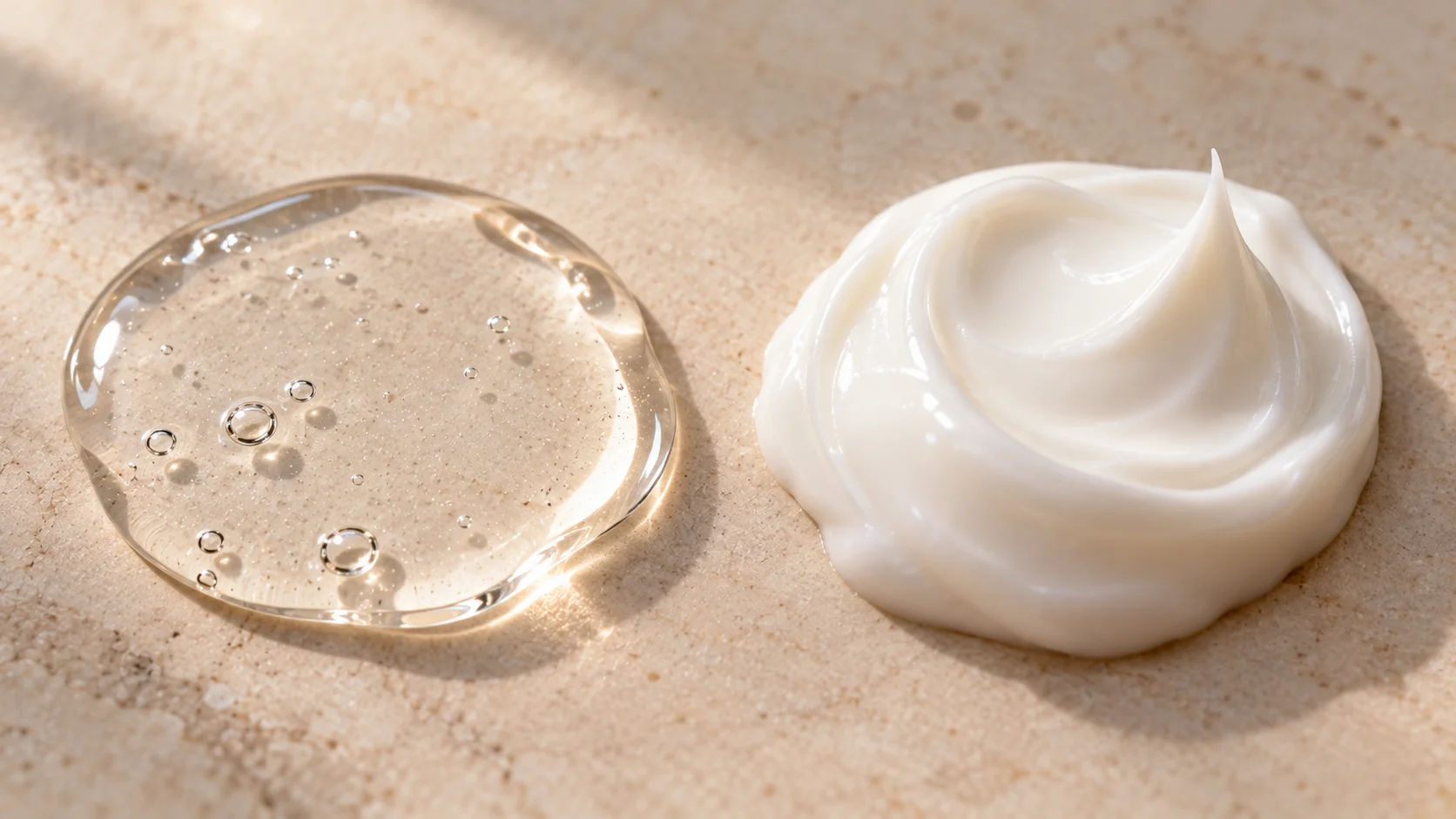
Both formats can work. A stand-alone HA serum is typically lightweight, layers easily under other products, and is a good option if you want to control how much hydration you’re adding and when. A moisturizer that already contains hyaluronic acid is a simpler, lower-maintenance option, particularly useful if you don’t want to add an extra step to your routine, since the moisturizer itself provides the occlusive/sealing ingredients that help the HA do its job. If you’re deciding between the two, our guides on best moisturizers for beginners and how to choose a moisturizer for your skin type can help you think through what else to look for.
Hyaluronic Acid Products to Consider
This article contains affiliate links. If you make a purchase through one of these links, AvaFitCare may earn a commission at no additional cost to you. See our Affiliate Disclosure for details.
If you’d like a starting point for trying hyaluronic acid, here are three currently available U.S. products that illustrate the different formats discussed above — a straightforward beginner serum, a lighter alternative serum, and a moisturizer option for anyone who’d rather skip an extra step. None of these is presented as “the best” hyaluronic acid product; they’re products to consider for different preferences, not a ranked clinical recommendation.
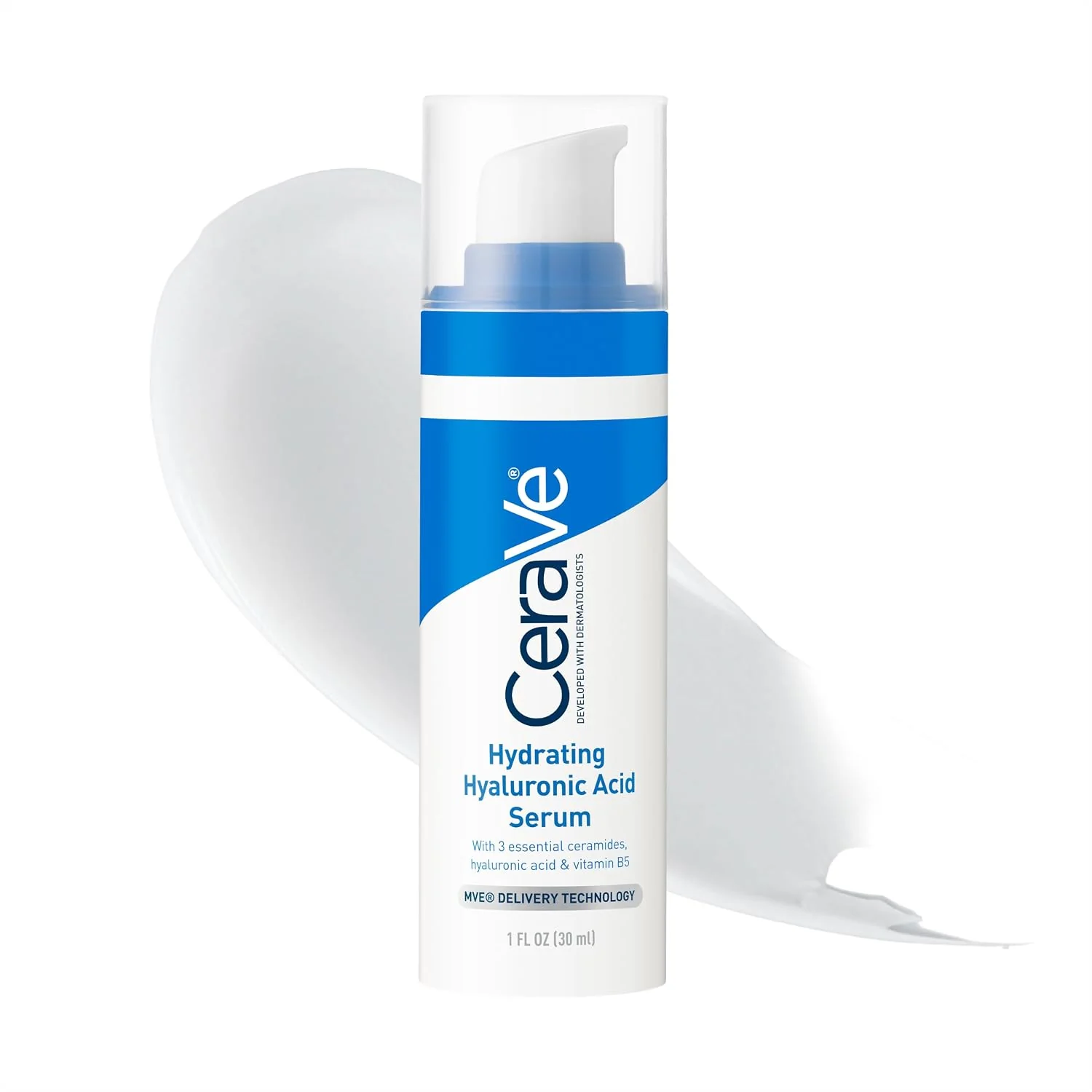
CeraVe Hydrating Hyaluronic Acid Serum
A fragrance-free hyaluronic acid serum that also contains three ceramides and panthenol, formulated for normal-to-dry skin. A clearly labeled, widely available option if you want one straightforward HA serum to start with, rather than comparing several. (paid link)
One honest limitation: this is one brand’s formulation, not a product shown in independent research to outperform other hyaluronic acid serums. Any brand-reported testing statistics are the brand’s own consumer survey data, not independent clinical findings.
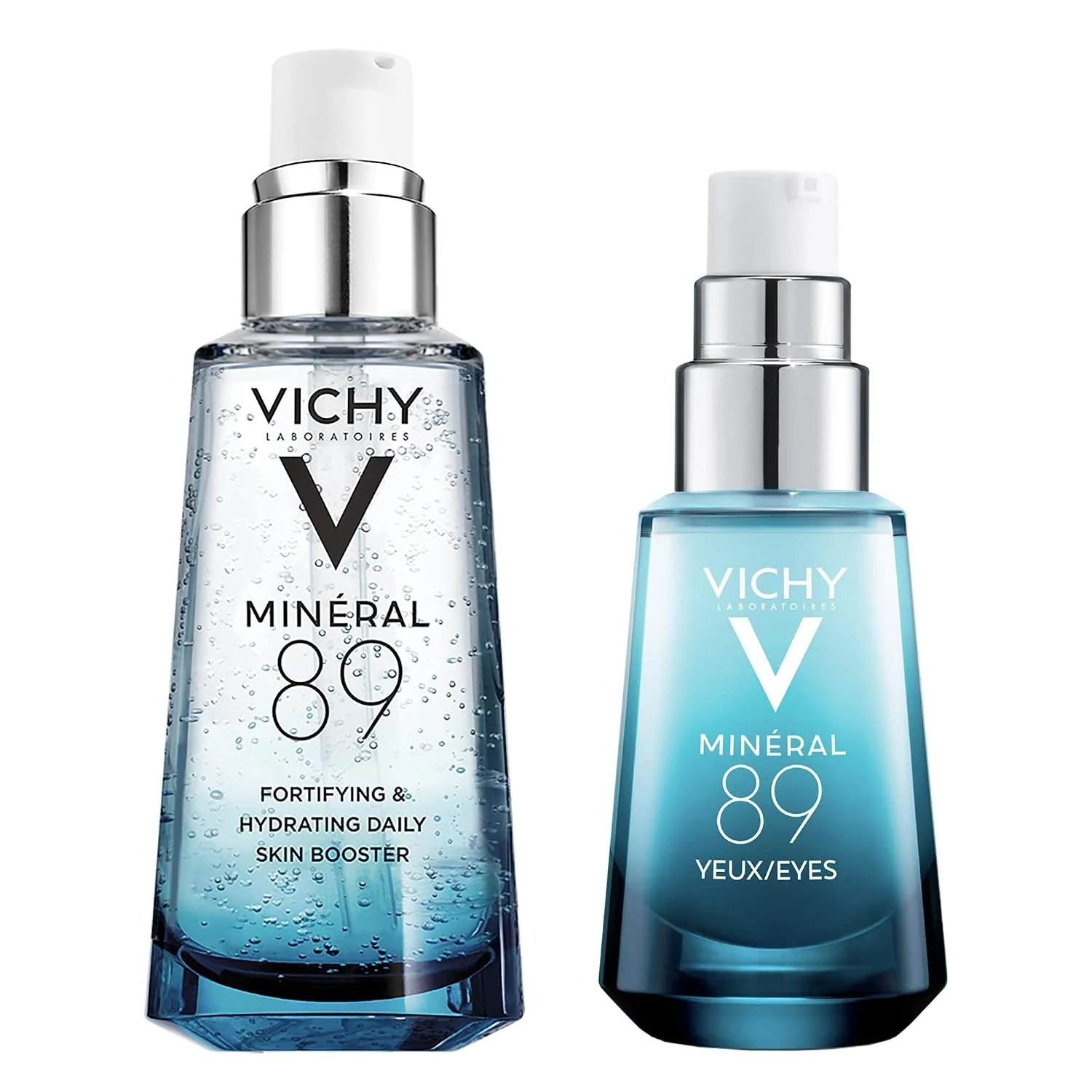
Vichy Minéral 89 Hyaluronic Acid Face Serum
A lightweight, fragrance-free serum built around a minimalist formula (the brand lists 11 ingredients) that combines hyaluronic acid with a mineral-rich water base. Worth considering if you’d prefer a simpler ingredient list than a ceramide-based serum, or want something light enough to wear alone. (paid link)
One honest limitation: the brand doesn’t disclose an exact hyaluronic acid percentage, and there’s no independent research confirming the mineral water base adds a skin-strengthening benefit beyond hydration.
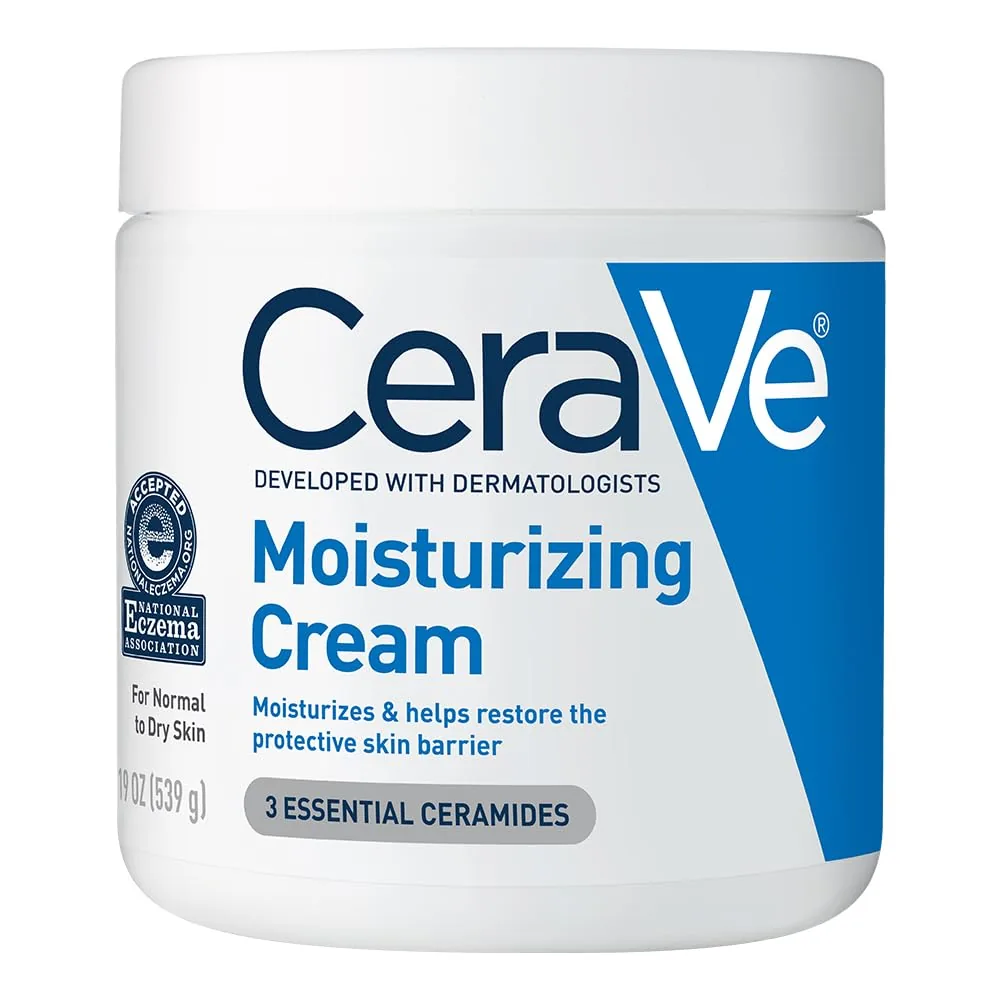
CeraVe Moisturizing Cream
A richer, fragrance-free moisturizer containing sodium hyaluronate alongside three ceramides, formulated for normal-to-dry skin. A practical option if you’d rather fold hyaluronic acid into your everyday moisturizer than add a separate serum step — see the comparison above for which approach might suit you better. (paid link)
One honest limitation: the brand itself recommends a different, lighter product in its own lineup for oily or acne-prone skin, so this specific cream isn’t a universal pick. This same product is also featured as a top pick in AvaFitCare’s Best Moisturizers for Beginners guide — it’s included here because it directly illustrates the “moisturizer instead of an extra serum” option this section discusses, not as a new, unrelated recommendation.
Hyaluronic acid is a low-risk, widely available ingredient, but it isn’t a solution for every skin concern. Consider seeing a dermatologist if you’re dealing with persistent dryness or irritation that doesn’t improve with a consistent routine, visible redness, flaking, or a rash that develops after starting a new product, acne that isn’t responding to over-the-counter ingredients, or if you’re specifically looking for the kind of volume restoration that only an in-office injectable treatment can provide — that’s a different conversation than anything a serum or moisturizer can deliver.