Retinol for Beginners: Benefits, How to Use It & What to Expect
September 23, 2026
Retinol shows up on more ingredient lists than almost anything else in skincare, which is exactly what makes it confusing to start. Search for it and you’ll run into dozens of strengths, a handful of different “types” of vitamin A, and conflicting advice about how often to use it and what it’s safe to pair with.
The questions most beginners actually have are pretty simple: Which strength should I use? How often should I apply it? Will it irritate my skin? And what can I use alongside it without causing a problem? This guide answers those questions directly, using current dermatology guidance, without overselling what retinol can do — and it’s meant to work alongside a broader skincare routine for beginners, not replace one.
Quick Answer: Beginners generally do best starting with a lower-strength over-the-counter retinol product, applied at night, two to three times a week, using roughly a pea-sized amount followed by moisturizer. Mild dryness or flaking in the first few weeks is common and usually settles down. Use broad-spectrum SPF 30+ during the day, since sun protection is especially important in a retinol routine. If irritation is severe or doesn’t improve, a dermatologist can help you adjust your approach.
Retinol is a form of vitamin A, and it belongs to a broader category of vitamin A derivatives called retinoids. In skincare, “retinoid” is the umbrella term, and retinol is one specific, milder member of that family.
The retinoid family also includes prescription-strength options like tretinoin, tazarotene, and trifarotene, along with adapalene (available both over-the-counter and by prescription). These prescription retinoids are generally more potent and more thoroughly studied for specific medical uses, such as treating acne, than the over-the-counter retinol found in most drugstore and skincare-brand products.
That distinction matters: OTC retinol and prescription retinoids are related, but they are not interchangeable. Retinol has to convert to retinoic acid inside the skin before it becomes active, an extra step that generally makes it gentler and slower-acting than a prescription retinoid, which is already closer to its active form. That’s a large part of why retinol is the more common starting point for beginners, while prescription retinoids are typically used under a dermatologist’s guidance for more specific concerns.
One more practical note from the American Academy of Dermatology: over-the-counter retinol products aren’t required to disclose their exact percentage on the label. That means two products both marketed as “retinol” can behave quite differently, which is worth keeping in mind before assuming that percentage alone tells you how strong or gentle a product will be.
What Does Retinol Do for Your Skin?
In short: retinol speeds up skin cell turnover and supports collagen-related processes in the skin, which is why it’s associated with improvements in the look of fine lines, texture, and tone over time.
Mechanistically, retinol works by signaling skin cells to behave more like younger cells — turning over and renewing more efficiently. This can help clear away built-up dead skin cells, which is part of why retinol is often mentioned alongside clogged pores and rough texture. It’s also associated with supporting the skin’s collagen-related activity, the structural protein that helps skin look firm.
You don’t need to track every step of that process to use retinol well. What matters for a beginner is simply that these effects build gradually, with consistent use, rather than showing up right away.
Retinol Benefits
Retinol is one of the more researched ingredients in skincare, and it’s associated with several different visible changes. It’s worth being clear about what “benefit” actually means here: these are changes in appearance and skin function, not guaranteed or permanent transformations.
Appearance of Fine Lines
Retinol is one of the most studied ingredients for the appearance of fine lines, largely because of its role in supporting collagen-related activity and skin cell turnover. With consistent use over time, it may help soften the look of fine lines — though it isn’t a wrinkle-removal treatment, and results vary from person to person.
Skin Texture
Because retinol encourages more efficient skin cell turnover, it’s commonly used to help support smoother-looking, more even texture. This is one of the changes people tend to notice earliest, often before other benefits become apparent.
Uneven-Looking Skin Tone
Retinol may help improve the appearance of uneven skin tone over time, including some forms of discoloration. It’s frequently used alongside other tone-focused ingredients rather than as a stand-alone treatment for dark spots, and — like the rest of retinol’s benefits — this happens gradually.
Clogged Pores and Acne-Related Concerns
By helping clear away dead skin cell buildup, retinol may help reduce clogged pores and support clearer-looking skin over time. It’s a common ingredient in both OTC and prescription acne-focused routines, though OTC retinol is generally a milder, slower supporting option rather than a primary acne treatment — that role is more often filled by prescription retinoids or other acne-specific ingredients.
Overall Smoother-Looking Skin
Combined, retinol’s effects on turnover, texture, and tone tend to add up to skin that looks generally smoother and more even — one of the reasons it’s such a widely recommended ingredient for people getting into a more active skincare routine.
Collagen-Related Skin Support
Retinol is associated with supporting the skin’s natural collagen-related activity, which plays a role in skin’s firmness and elasticity. This support is gradual and works best as part of a consistent long-term routine — it isn’t a substitute for in-office collagen-focused treatments, and it doesn’t reverse skin aging outright.
Is Retinol Right for Your Skin Type?
Retinol can fit into routines for most skin types, but how it’s introduced — and how cautious you should be — depends on your skin’s tendencies.
Skin Type
How Retinol May Fit
Beginner Consideration
Oily skin
Often well-tolerated; may help with the appearance of clogged pores and texture
Still worth starting gradually — oily skin isn’t automatically irritation-proof
Dry skin
Can be used, but dryness and flaking are more likely to show up early
Pair with a richer moisturizer and consider starting less frequently
Combination skin
Generally workable across most of the face
Watch drier areas (like cheeks) more closely than oilier zones
Sensitive skin
Can still be an option, but irritation risk is higher
A lower-strength formula and a slower introduction schedule matters more here — see our sensitive skin routine guide for a gentler foundation to build on
Acne-prone skin
May offer supporting benefits for clogged pores, often alongside other acne-focused products
Avoid introducing several new actives at the same time — it becomes harder to tell what’s causing irritation
Not everyone needs to use retinol, and skin that’s already compromised, very reactive, or under active dermatologist treatment may be better off waiting or getting personalized guidance first — more on that below. If you’re not sure which category best describes your skin, our guide to determining your skin type at home can help before you decide how to introduce retinol.
What Retinol Strength Should Beginners Start With?
This is one of the most common points of confusion, and it deserves a direct answer: there’s no single, universally mandated starting percentage, and percentage alone doesn’t determine how well a product will work or how well your skin will tolerate it.
Part of the reason is that over-the-counter retinol products aren’t required to disclose their exact concentration, so percentage isn’t always a reliable way to compare products in the first place. Formulation matters just as much — how the retinol is stabilized, what else is in the product (like soothing or hydrating ingredients), and the base texture (cream versus serum versus oil) all affect how a product feels on skin, independent of concentration.
A generally sensible approach for beginners:
Look for products explicitly marketed as gentle, low-strength, or “beginner” formulations, often paired with hydrating or barrier-supportive ingredients.
Don’t assume a higher percentage will work faster or better. It’s more likely to increase irritation risk without necessarily improving results.
If you have sensitive, reactive, or compromised skin, a conservative starting formulation is the safer choice, even if it means slower visible progress at first.
Once your skin has adjusted to a milder formulation over several weeks, you can decide — based on how your skin is actually responding, not on a fixed schedule — whether a slightly stronger product makes sense.
Beginner-Friendly Retinol Products to Consider
Beginners don’t need the strongest retinol product on the shelf — formulation, how your own skin tolerates it, and following the product’s specific directions matter more than potency alone. The products below are examples to consider, not a recommendation that any one of them is right for you.
Disclosure: This section contains affiliate links. If you purchase through these links, Ava Fit Care may earn a small commission at no extra cost to you.
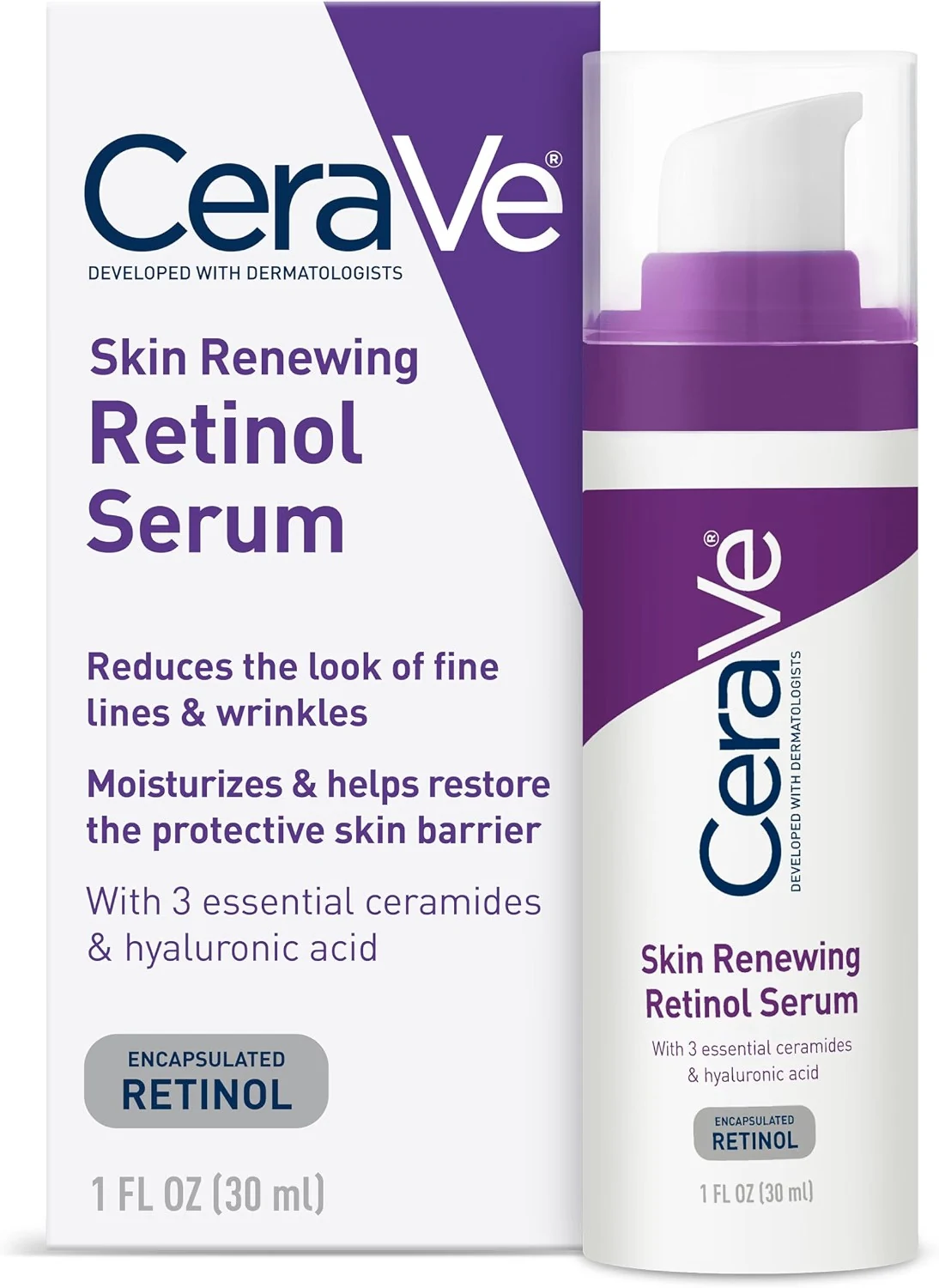
CeraVe Retinol Serum for Face with Niacinamide & Hyaluronic Acid
This serum combines retinol with niacinamide and hyaluronic acid, two ingredients covered earlier in this guide as generally beginner-friendly to pair with retinol. It may appeal to beginners who want a single product that brings some built-in hydration support alongside retinol, though how it feels on your skin will still depend on your own tolerance.
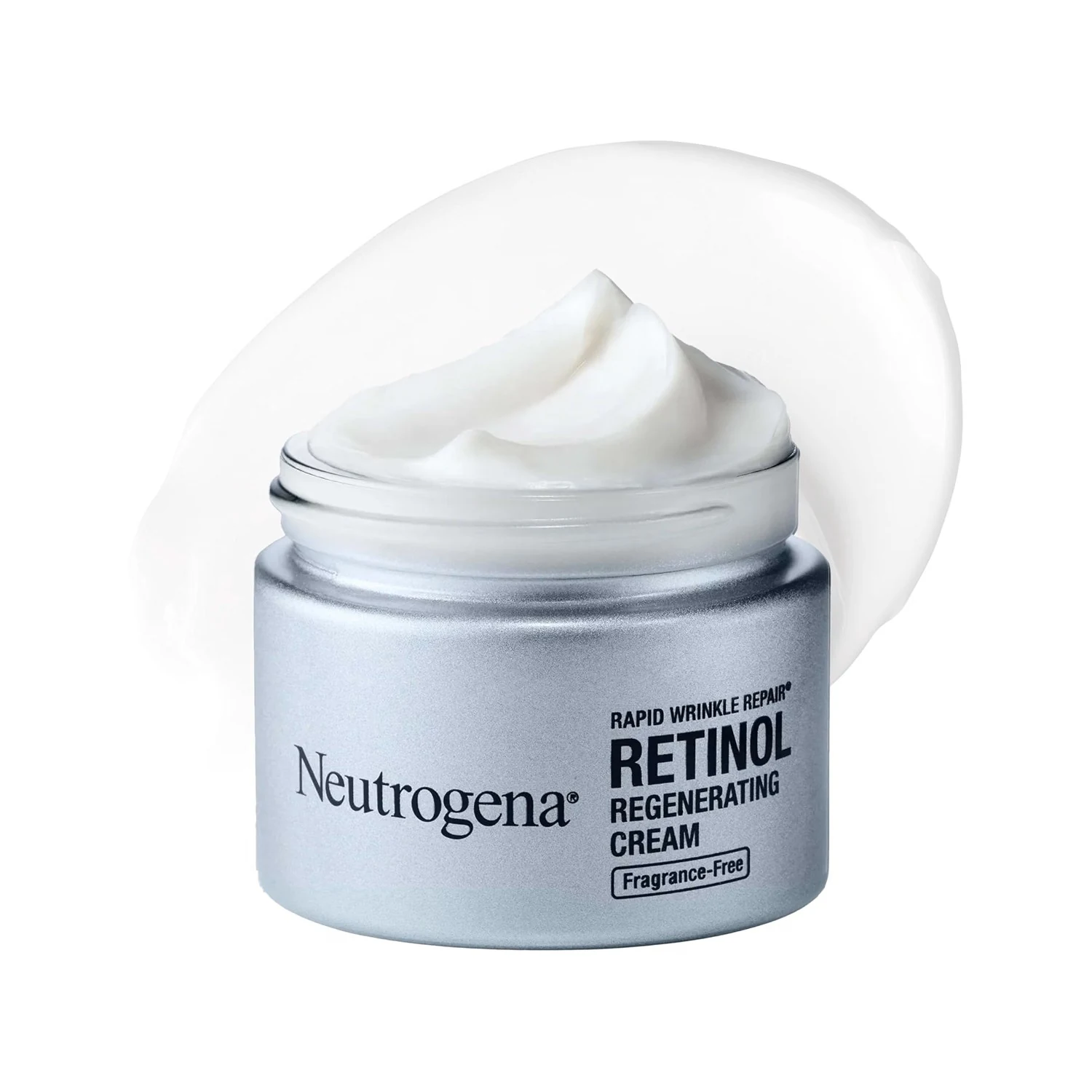
Neutrogena Rapid Wrinkle Repair Retinol Face Cream, Fragrance-Free
A fragrance-free retinol cream from a widely available drugstore line. It may be worth considering for beginners who’d prefer to avoid added fragrance while introducing a new active ingredient. As with any retinol product, start gradually and follow the label’s own directions.
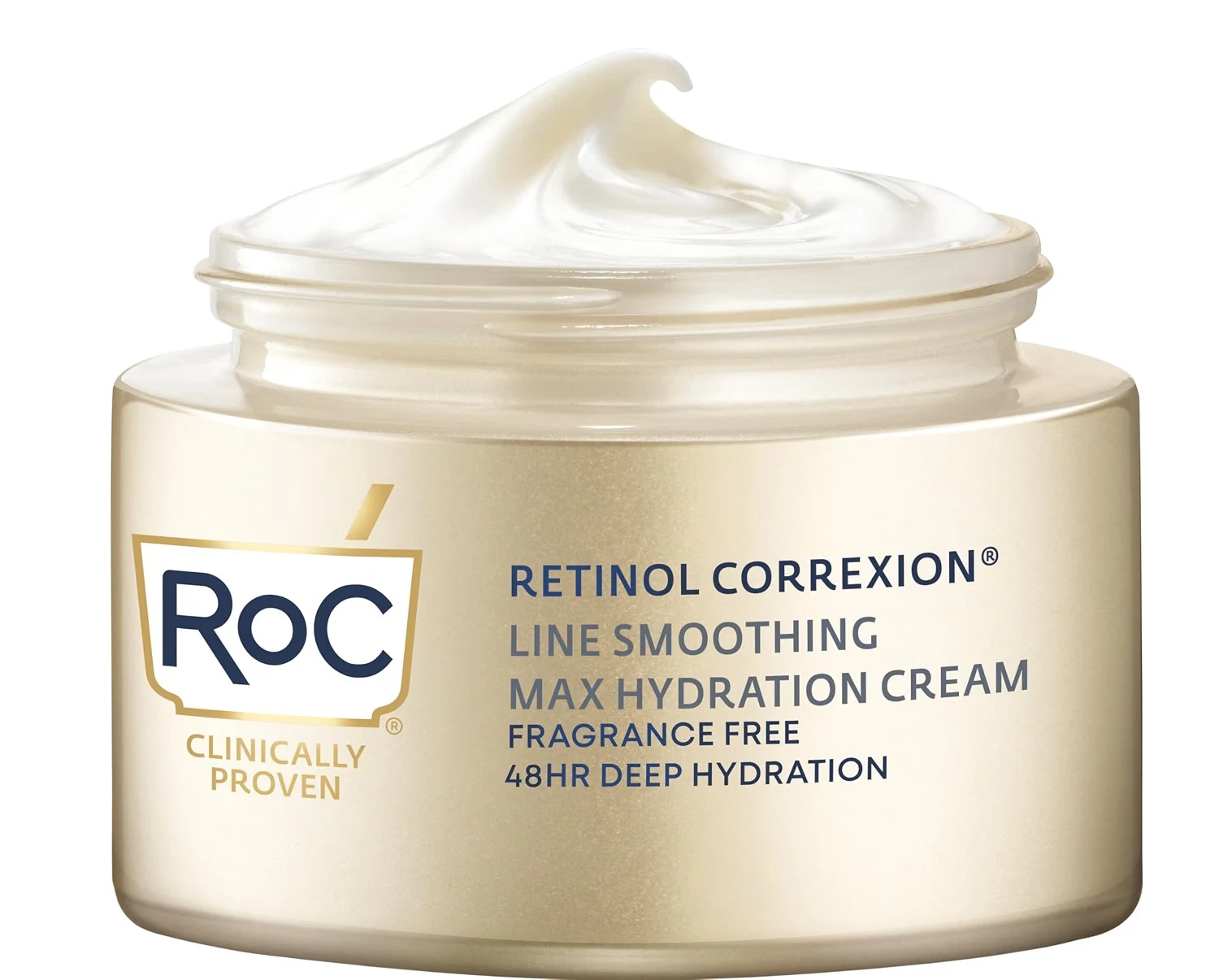
RoC Retinol Correxion Max Daily Hydration Face Moisturizer, Fragrance-Free
This is a moisturizer formulated with retinol, which may suit beginners who want to simplify their routine by combining a hydrating step and a retinol step in one product. It’s fragrance-free, which some people with more reactive skin prefer to look for.
Product choice is only one part of starting retinol well. The steps covered next — introducing it gradually and following a simple, consistent routine — matter just as much as which product you pick.
How to Start Retinol: Beginner Step-by-Step Routine
A simple nighttime routine is the easiest way to introduce retinol without overwhelming your skin.
1
Cleanse gently
Use a mild, non-stripping cleanser and pat your face mostly dry. Some people wait a few minutes for skin to fully dry before applying retinol, which can reduce irritation for those with more reactive skin. Our guide to choosing a cleanser can help if you’re not sure your current one is a good fit.
2
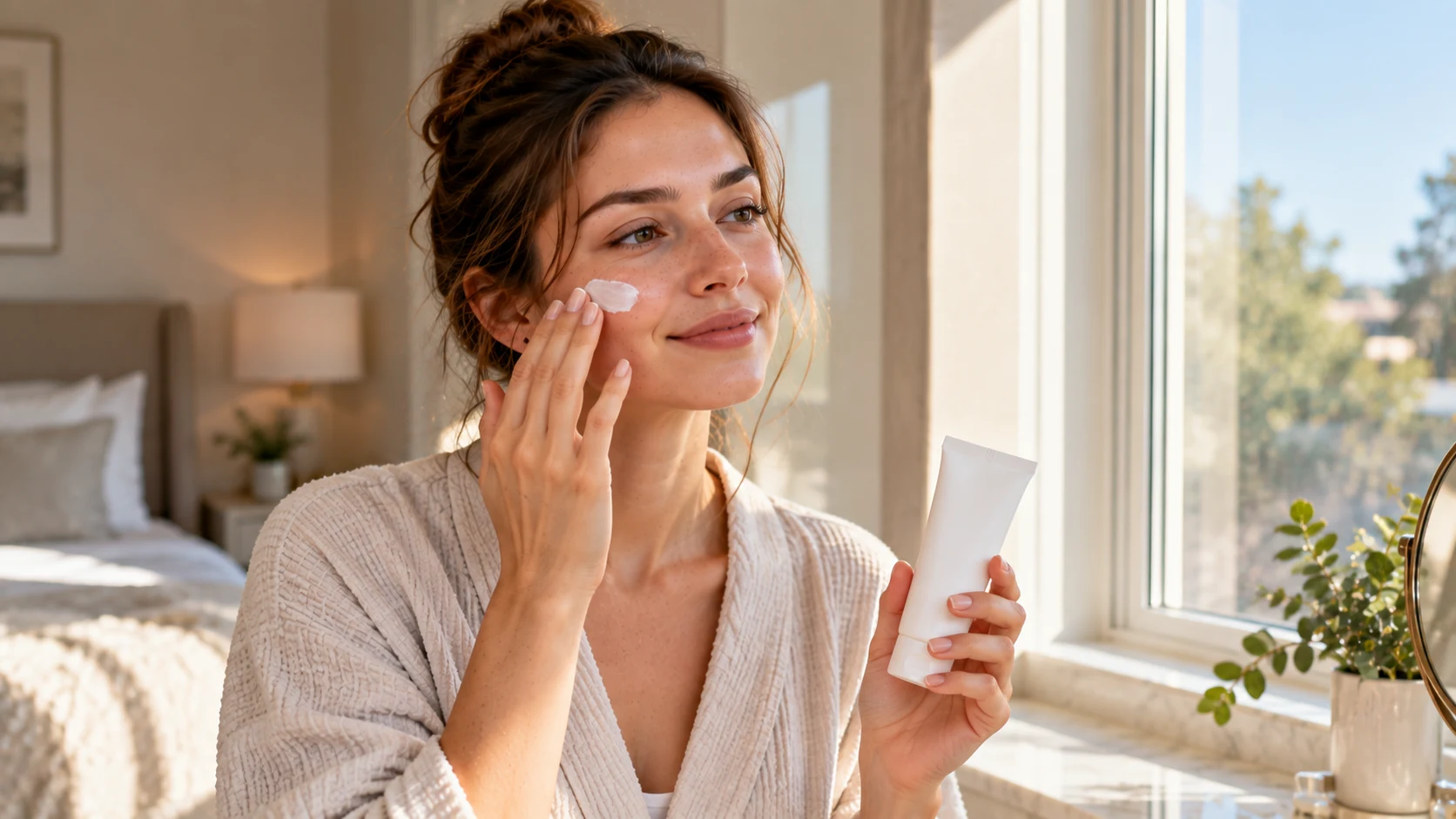
Apply a pea-sized amount
A pea-sized amount is generally enough to cover the whole face — more product doesn’t mean better results, and applying too much is one of the most common causes of unnecessary irritation.
3
Spread it thinly and evenly
, avoiding the eye area, and around (not directly on) the corners of the nose and mouth if those areas tend to be more sensitive.
If your skin tends to react easily, the moisturizer “sandwich” approach is a strategy some people find helpful: apply a light layer of moisturizer first, then retinol, then moisturizer again on top. This isn’t a required step — it’s simply an optional way to buffer retinol’s effect for people who experience more dryness or sensitivity, and it’s worth trying if a straightforward application is causing more irritation than you’re comfortable with.
Retinol is generally used at night, in part because some formulations may become less stable with light or air exposure, and because it pairs naturally with a routine where sunscreen handles daytime protection. Always check your specific product’s instructions, since formulations do vary.
How Often Should Beginners Use Retinol?
Most beginners do best starting two to three nights a week, not every night.
Starting every other night gives your skin time to build tolerance before you increase frequency — gradually working up to nightly use only once dryness or sensitivity has settled down, if your product and skin tolerate it.
There’s no requirement to eventually reach nightly use. Some people’s skin does best at three or four nights a week indefinitely, and that’s a reasonable long-term routine, not a sign something isn’t working. Let your skin’s actual response set the pace, not a fixed timeline.
What Should You Expect When Starting Retinol?
Mild dryness, flaking, and some sensitivity in the first few weeks are common and don’t necessarily mean something is wrong — this initial adjustment period is sometimes called “retinization.” It’s generally mild, improves within a few weeks, and responds to simple steps like reducing frequency or increasing moisturizer.
“Normal adjustment” has limits, though. Significant pain, swelling, blistering, or a rash spreading beyond where you applied the product isn’t ordinary adjustment. If irritation is severe or doesn’t improve after backing off frequency, that’s a reasonable point to check in with a dermatologist rather than pushing through it.
Retinol Purging vs Irritation
“Purging” is a commonly used skincare term for a temporary increase in breakouts that some people report after starting an ingredient that affects cell turnover, like retinol. The general idea behind the term is that faster turnover could bring existing, not-yet-visible clogged pores to the surface sooner than they would have appeared otherwise — but this is a popular explanation more than a precisely defined medical one, and not every breakout after starting retinol is necessarily “purging.”
There isn’t a reliable, medically established way to self-diagnose purging versus irritation from home, and it’s worth being cautious about assuming worsening skin must be purging just because that’s a comforting explanation. Doing so can lead someone to keep using a product that genuinely isn’t agreeing with their skin.
What’s more useful than trying to label the reaction is paying attention to severity and direction. Mild dryness, occasional new breakouts, or temporary flaking that gradually improves over a few weeks is consistent with an ordinary adjustment period. Significant burning, pain, swelling, a spreading rash, or a reaction that keeps getting worse instead of settling down points more toward irritation or another reaction — regardless of what it’s called.
If you’re seeing concerning symptoms, reducing frequency or pausing use is a reasonable step, in line with your product’s directions. For persistent, severe, painful, or otherwise concerning reactions, check in with a dermatologist or other qualified healthcare professional rather than trying to wait it out or self-diagnose.
How Long Does Retinol Take to Work?
Most people notice some initial improvement in skin texture and feel within several weeks, but changes to fine lines, tone, and other longer-term concerns typically take a few months of consistent use to become noticeable.
There’s no single fixed timeline that applies to everyone, because results depend on several variables:
The specific product’s formulation and strength
How consistently it’s used
The specific concern being addressed (texture tends to shift faster than the appearance of fine lines, for example)
Individual skin tolerance and turnover rate
Retinol rewards consistency more than intensity. Using it a few nights a week for several months, without skipping long stretches or constantly switching products, generally produces better results than sporadic, inconsistent use of a stronger formula.
Can You Use Niacinamide With Retinol?
Yes. Niacinamide and retinol are commonly used together, and niacinamide is one of the more frequently recommended pairings for people just starting retinol. Niacinamide can support the skin barrier and can generally be incorporated into a routine that includes retinol.
You don’t need to apply them in a complicated sequence — niacinamide can generally be applied before retinol in the same routine, or on alternating nights if your skin is on the more sensitive side. If you’re new to both ingredients at once, introducing them one at a time makes it easier to tell how your skin is responding to each. For a closer look at what niacinamide does and how to use it on its own, see our guide to niacinamide benefits and how to use it.
This pairing isn’t a guarantee against irritation — it simply tends to be one of the gentler, more beginner-friendly combinations available.
What Can You Use With Retinol?
Retinol can be combined with several other common actives, but not all combinations are equally beginner-friendly. In general, the more actives you’re using in the same routine, the more careful you need to be about frequency and how your skin is actually responding — not because specific ingredients are inherently unsafe together, but because layering multiple actives increases the total potential for irritation.
Retinol + Niacinamide
As covered above, this is generally one of the gentler pairings. Niacinamide supports the skin barrier and is commonly incorporated into routines that include retinol.
Retinol + Hyaluronic Acid
Hyaluronic acid is a hydrating ingredient, not an active that causes irritation, so it pairs easily with retinol. Many people apply a hyaluronic acid serum before retinol to add a layer of hydration underneath it.
Retinol + Ceramides
Ceramides support the skin barrier and are commonly found in moisturizers used alongside retinol. Since barrier support helps offset dryness, this is a low-risk, generally recommended pairing — especially for beginners.
Retinol + Vitamin C
Vitamin C and retinol can both be part of the same overall routine, but many dermatologists suggest using them at different times of day — vitamin C in the morning, retinol at night — rather than layering them in the same application. This isn’t because they’re unsafe combined; it’s more about reducing the total amount of active ingredients your skin is managing at once and making it easier to identify what’s causing irritation if it happens.
Retinol + Salicylic Acid
Salicylic acid is itself an exfoliating active, so combining it with retinol in the same routine increases the chances of dryness or irritation, particularly for beginners. If you want to use both, alternating nights (salicylic acid one night, retinol the next) is a more cautious approach than layering them together, especially early on.
Retinol + Glycolic Acid
Glycolic acid is a chemical exfoliant, and using it alongside retinol means combining two ingredients that both increase cell turnover — a combination more likely to cause irritation if introduced too quickly. Beginners are generally better off using these on separate nights, or introducing one fully before adding the other.
Retinol + Azelaic Acid
Azelaic acid is generally considered one of the gentler actives and is often used alongside retinol without major issues, though individual tolerance still varies. As with any new pairing, introducing them one at a time makes it easier to identify the source if irritation does show up.
Why Sunscreen Matters When Using Retinol
Sun protection is particularly important in a retinol routine. Retinoids can contribute to dryness and irritation, while UV exposure can worsen many of the concerns people use retinol to address.
The American Academy of Dermatology recommends a broad-spectrum sunscreen with SPF 30 or higher as part of a standard skincare routine, and that guidance matters even more while your skin is adjusting to retinol, since skin that’s dry or irritated tends to be more reactive to sun exposure in general. For a closer look at choosing and applying sunscreen day to day, see our sunscreen for beginners guide.
This isn’t about fear — it’s simply that retinol and daily sunscreen are meant to work as a pair, not as separate, optional steps.
Who Should Be Extra Careful With Retinol?
A few groups should approach retinol more cautiously, or check in with a dermatologist before starting:
People with very sensitive, reactive, or currently irritated skin. Starting an active ingredient on skin that’s already compromised tends to make irritation worse, not better.
People with a compromised skin barrier — for example, from recent over-exfoliation, a skin condition flare-up, or another product reaction. It’s generally better to let skin recover first.
People already using prescription acne or retinoid treatments. Adding an OTC retinol product on top of a prescription retinoid or other prescription acne treatment can significantly increase irritation risk, and should generally be discussed with the prescribing provider first rather than layered on independently.
People with significant or diagnosed skin conditions (such as eczema, rosacea, or psoriasis flares). Retinol can be more unpredictable on already-inflamed skin, and a dermatologist can advise on timing and whether it’s appropriate at all.
People noticing early hyperpigmentation risk with irritation. For some skin tones, irritation itself can trigger dark marks. Starting slowly, using a gentle formulation, and keeping skin well-moisturized can help reduce this risk.
When in doubt, a dermatologist or other qualified healthcare professional can help you figure out whether retinol is a good fit for your specific skin right now, rather than guessing.
Retinol and Pregnancy
This is an area where caution matters more than experimentation, and it’s not something to figure out through trial and error.
Pregnancy and trying to conceive. Oral retinoids (like isotretinoin, used for severe acne) are well-established to cause serious birth defects and are strictly contraindicated during pregnancy. Topical retinol and retinoids are absorbed into the body in much smaller amounts than oral forms, and research on topical use specifically is more limited — but some case reports have described birth defects following topical retinoid use during pregnancy, and reproductive-health resources generally recommend avoiding topical retinol and retinoids throughout pregnancy as the more cautious approach, even though the absolute risk with typical topical use appears to be low. If you’re pregnant or trying to become pregnant, the safest course is to stop using retinol and discuss it with your OB-GYN or another qualified healthcare provider.
Breastfeeding. Breastfeeding guidance isn’t automatically identical to pregnancy guidance, and it can depend on the specific product, how much is absorbed, and where on the body it’s applied. Evidence on topical retinoid use while breastfeeding specifically is limited. A low level of systemic absorption doesn’t by itself mean a topical product is proven safe for every OTC retinol formulation — formulations vary, and the research behind one specific ingredient (like topical tretinoin) doesn’t automatically extend to every retinol product on the market. If you’re breastfeeding, talk to your OB-GYN, dermatologist, pediatrician, or another qualified healthcare professional about whether and how to use retinol, rather than assuming the pregnancy guidance applies the same way.
Either way, this is medical guidance, not a cosmetic preference, and it deserves an actual conversation with your provider rather than general skincare advice.
Common Retinol Mistakes Beginners Make
Many of these overlap with skincare mistakes beginners make in general — see our common skincare mistakes guide for the broader list. A few are specific to retinol:
Starting too frequently. Jumping straight to nightly use before skin has adjusted is a common cause of unnecessary irritation.
Assuming a stronger product is automatically better. A higher percentage mainly raises irritation risk, not results.
Applying too much product. More than a pea-sized amount adds dryness and flaking, not benefit.
Introducing several new actives at once. Adding retinol alongside a new exfoliant and a new cleanser in the same week makes any reaction hard to trace.
Ignoring early irritation instead of adjusting. Pushing through discomfort tends to make things worse, not build tolerance.
Skipping moisturizer. It’s a functional part of a retinol routine, not an optional extra.
Neglecting daytime sunscreen. Undermines both comfort and some of what retinol is meant to support.
Expecting overnight results. Retinol is gradual and cumulative — expecting fast change leads people to quit early or push strength/frequency too hard.
Simple Beginner Retinol Routine
Here’s how a basic week might look once you’ve started introducing retinol.
AM (every day)
Cleanser
Optional supportive serum (like hyaluronic acid or niacinamide)
Moisturizer
Broad-spectrum sunscreen, SPF 30+
PM — Retinol Night
Cleanser
Retinol (pea-sized amount)
Moisturizer
PM — Non-Retinol Night
Cleanser
Hydrating or barrier-supportive product (optional)
Moisturizer
Adjust frequency of “Retinol Nights” based on how your skin is actually responding, and always follow your specific product’s own directions if they differ from general guidance.
Frequently Asked Questions
It’s a form of vitamin A that speeds up skin cell turnover and supports collagen-related activity, which is associated with improvements in fine lines, texture, tone, and clogged pores over time.
Two to three nights a week to start, increasing only as your skin tolerates it. There’s no requirement to eventually use it every night.
Some people work up to nightly use, but it isn’t necessary — three to four nights a week works well for many people long-term.
Retinol is typically applied to clean, dry skin before moisturizer. If you experience more dryness, applying a light layer of moisturizer first, then retinol, then moisturizer again (the “sandwich” method) can help.
Yes. Niacinamide is one of the more beginner-friendly ingredients to pair with retinol and supports the skin barrier as your skin adjusts.
Texture changes are often noticeable within several weeks; fine lines and tone typically take a few months of consistent use. Timelines vary by product, frequency, and individual skin.
Mild flaking in the first few weeks is common as skin adjusts. Significant peeling, pain, or a spreading rash isn’t a normal adjustment — reduce frequency or check in with a dermatologist.
There’s no required starting age — it depends more on your specific skin concerns and tolerance. Many people start in their twenties or later, but there’s no medical cutoff.
Bottom Line
Retinol can be genuinely useful for texture, tone, fine lines, and clogged pores, but beginners generally do better easing in than starting strong. A lower-strength formula, a pea-sized amount a few nights a week, and daily sunscreen cover the essentials — let your own skin’s response guide the pace from there.
This guide was researched using current dermatology and medical guidance from sources including the American Academy of Dermatology, Cleveland Clinic, and reproductive-health resources on topical retinoid use in pregnancy, and it was written with a beginner-friendly editorial approach that prioritizes caution over hype. It does not claim clinical or dermatologist review, and it isn’t a substitute for personalized advice from a dermatologist or other qualified healthcare professional — particularly around pregnancy, prescription treatments, or persistent skin reactions.