If you’re new to wearing sunscreen every day, the sheer number of options can make a simple decision feel complicated. The good news is that the basics are simpler than they look: you want a broad-spectrum sunscreen of at least SPF 30, in a texture you’ll actually enjoy wearing, that fits how you use it — under makeup, on oily skin, on sensitive skin, or just as a straightforward daily step.
There isn’t one “best” sunscreen for everyone. The right pick depends on your skin type and texture preferences, whether you want a tint, how it needs to work with the rest of your routine, and how comfortable it feels on your face day after day — because the sunscreen you’ll actually use consistently is always the better choice over one that looks better on paper but ends up sitting in a drawer.
This guide compares eight specific, currently available, beginner-friendly facial sunscreens side by side, based on verified product information rather than guesswork, so you can see what genuinely distinguishes them and figure out which one fits you.
For most beginners, a broad-spectrum sunscreen of SPF 30 or higher, in a texture that layers well under moisturizer and makeup, is a reasonable baseline — but which specific product fits best depends on your skin and preferences, not on any single “right” starting product. If you want one product that combines moisturizer and sunscreen, CeraVe AM Facial Moisturizing Lotion SPF 30 is an option. If your skin is sensitive, acne-prone, or rosacea-prone, EltaMD UV Clear Broad-Spectrum SPF 46 is positioned by its manufacturer for that use case. If you specifically want a mineral-only formula, CeraVe Hydrating Mineral Sunscreen Face Lotion SPF 50 and Cetaphil Sheer Mineral Sunscreen Face Lotion SPF 50 are both verified mineral-only options, and Supergoop! Unseen Sunscreen SPF 50 and Neutrogena Ultra Sheer Invisible Gel SPF 40 are built around a lightweight finish some people prefer under makeup. The full comparison below covers all eight, including options for dry skin, oily skin, tinted mineral coverage, and wearing sunscreen under makeup.
How We Chose These Sunscreens
We started from a pool of roughly 34 candidate products across nine well-known manufacturers (La Roche-Posay, EltaMD, Neutrogena, CeraVe, Cetaphil, Vanicream, Aveeno, Eucerin, and Supergoop!, plus Beauty of Joseon), researched from each brand’s official U.S. product pages. Every product on this list was cross-checked against official U.S. sources — brand pages first, then FDA drug listings where more detail was needed — for its SPF, active ingredients, fragrance status, and other claims. Retailer listings were only used to sanity-check things like size or availability, never as the source of truth for what’s actually in a formula.
We narrowed that pool to eight products that each fill a genuinely different role for a first-time sunscreen buyer, rather than padding the list with near-duplicates. A few strong candidates didn’t make the final eight — not because they’re bad products, but because another shortlisted pick already covered that same need, or because we couldn’t fully verify a specific claim (like an exact fragrance-free status) from an official source and didn’t want to guess.
A note on transparency: AvaFitCare has not personally lab-tested or wear-tested the sunscreens in this comparison. Nothing here is based on “we tried this for a week” or similar firsthand claims. Instead, this is an evidence-based comparison built from verified manufacturer information and current dermatology guidance, attributed clearly as manufacturer claims where that’s what they are. You won’t find star ratings, numerical scores, or a “winner” here — genuine, documented hands-on testing doesn’t exist yet to support that kind of ranking, so we’re not going to pretend it does.
At-a-Glance Comparison
Product
Category
SPF
Type
Fragrance-Free
Good For
CeraVe AM Facial Moisturizing Lotion SPF 30
Versatile Starting Option
30
Hybrid
Yes
An easy daily default
EltaMD UV Clear Broad-Spectrum SPF 46
Option for Sensitive & Acne-Prone Skin
46
Hybrid
Not fully confirmed
Reactive, breakout-prone skin
CeraVe Hydrating Mineral Sunscreen SPF 50
Mineral Option
50
Mineral
Yes
Those who prefer mineral filters
Supergoop! Unseen Sunscreen SPF 50
Makeup-Friendly Option
50
Chemical
Scentless (not “fragrance-free”)
Wearing under makeup
Neutrogena Ultra Sheer Invisible Gel SPF 40
Lightweight, Budget-Friendly Option for Oily/Combination Skin
“Hybrid” means the formula combines a mineral filter (zinc oxide or titanium dioxide) with one or more chemical filters — it is not a mineral-only product, even when marketing emphasizes the zinc content.
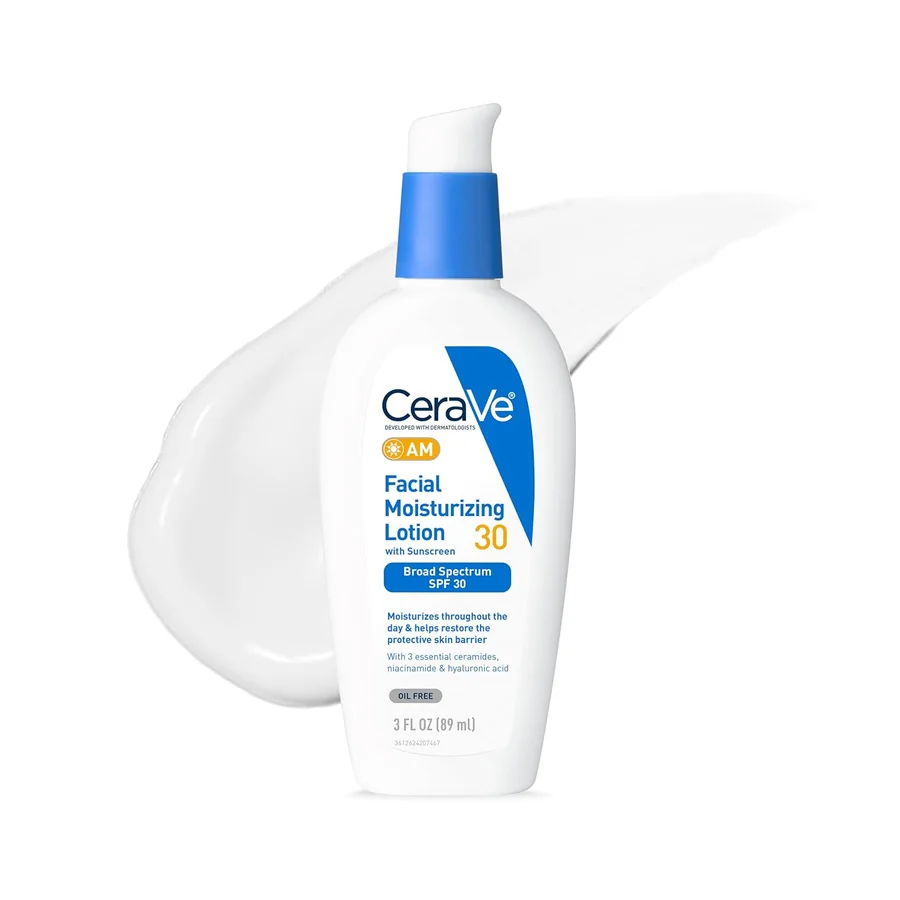
This is a broad-spectrum SPF 30 facial moisturizer with sunscreen built in, positioned by CeraVe for normal to dry skin. Its active ingredients are Homosalate 10%, Octinoxate 5%, Octocrylene 2%, and Zinc Oxide 8% — a hybrid formula, not a mineral-only one, despite the zinc content. It’s free of added fragrance, and CeraVe states it’s oil-free and won’t clog pores. The formula includes three ceramides, hyaluronic acid, and niacinamide, and it carries the Skin Cancer Foundation’s Daily Use Seal of Recommendation.
Who might prefer it: Someone who wants a single, no-fuss product that functions as both a morning moisturizer and sunscreen, especially with normal-to-dry skin.
Reasons someone might prefer another option: CeraVe doesn’t state a water-resistance duration for this specific product, so it may not be the right choice if you’re heading somewhere you’ll sweat or swim. Its texture also leans more moisturizer-like than gel-like, which won’t suit everyone who wants an especially lightweight feel.
EltaMD UV Clear Broad-Spectrum SPF 46 — Option for Sensitive and Acne-Prone Skin
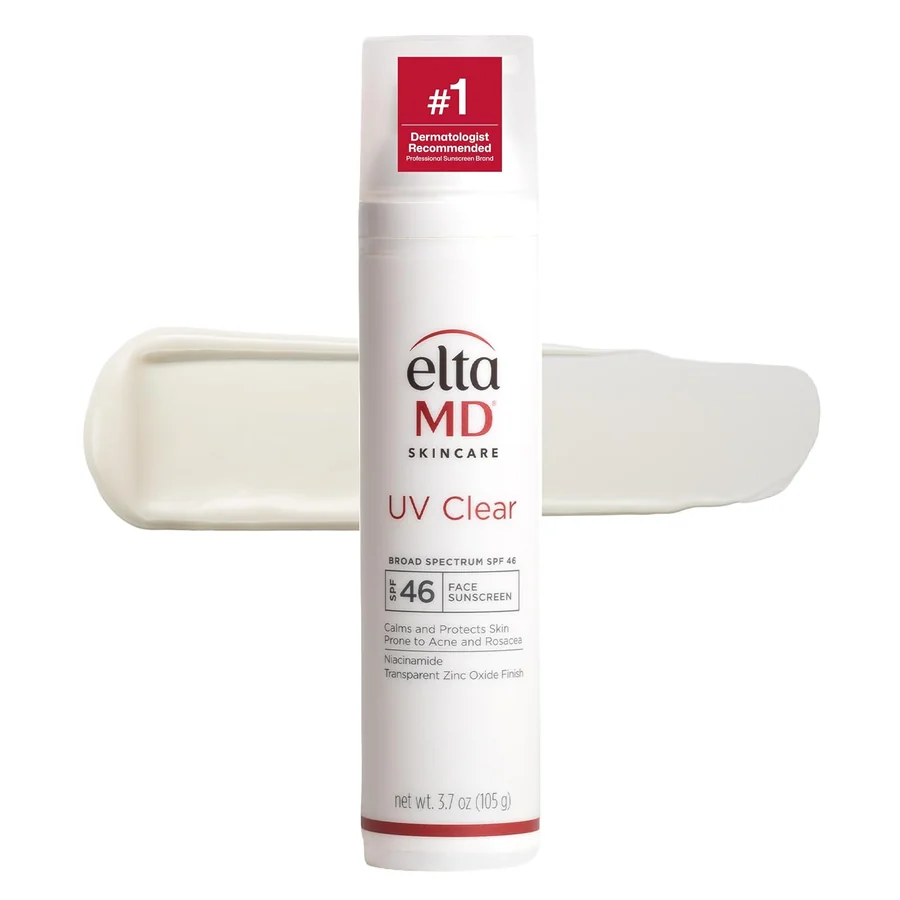
EltaMD positions UV Clear for sensitive, acne-prone, and rosacea-prone skin. Its actives are Zinc Oxide 9.0% and Octinoxate 7.5% — confirmed directly against its FDA drug listing. That makes it a hybrid formula, not the mineral-only sunscreen some marketing and word-of-mouth might suggest; it’s worth knowing that distinction if avoiding chemical filters specifically matters to you. EltaMD describes it as oil-free, and it includes niacinamide, hyaluronic acid, and lactic acid.
Who might prefer it: Someone whose skin reacts easily, breaks out easily, or has rosacea, since the brand positions this product specifically for those skin concerns.
Reasons someone might prefer another option: If you specifically want a mineral-only sunscreen with no chemical filters at all, this isn’t it — see the two mineral options below instead. EltaMD’s own label also doesn’t claim a specific water-resistance duration.
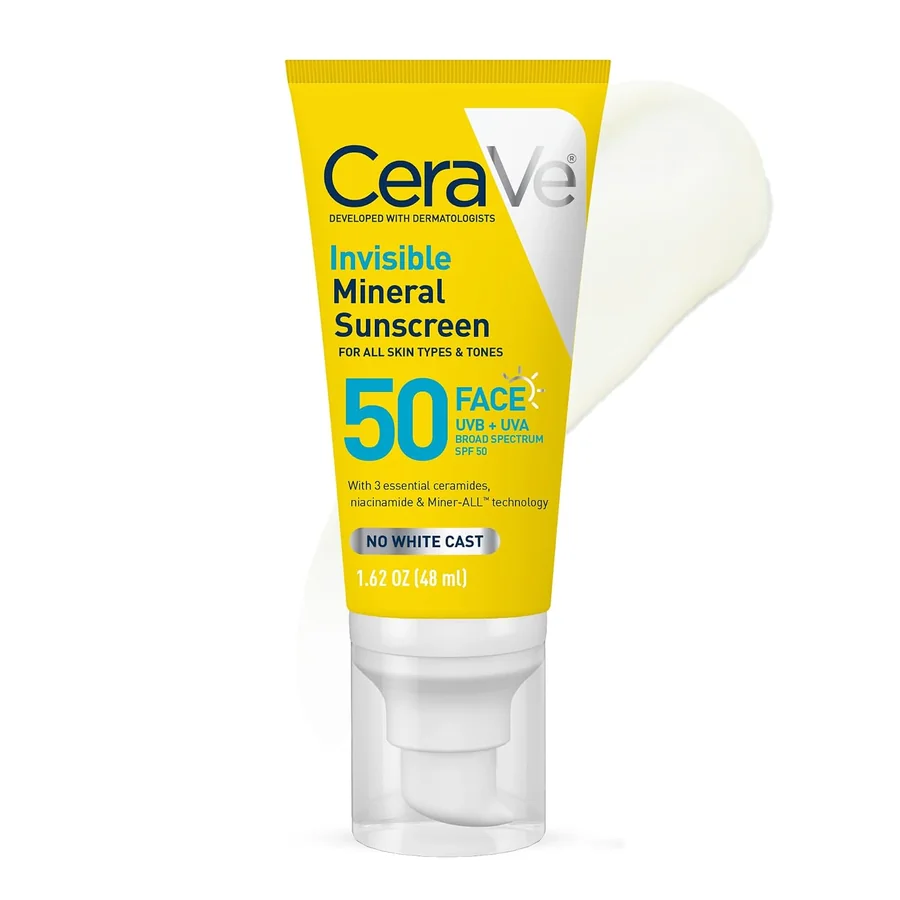
CeraVe Hydrating Mineral Sunscreen Face Lotion SPF 50 — Mineral Option
This is CeraVe’s mineral-only facial sunscreen, using Titanium Dioxide 9% and Zinc Oxide 7% as its sole active ingredients — no chemical filters, which the brand’s own page confirms. It’s fragrance-free and paraben-free, and CeraVe states it’s oil-free and non-comedogenic. It shares the same ceramide-and-niacinamide base as CeraVe’s other facial products and carries both the National Eczema Association’s Seal of Acceptance and the Skin Cancer Foundation’s Daily Use Seal. CeraVe’s own page acknowledges that, like other mineral formulas, it can leave a visible cast — it doesn’t claim otherwise.
Who might prefer it: Someone who specifically wants a mineral-only formula (no chemical UV filters) and has sensitive or reactive skin.
Reasons someone might prefer another option: Mineral sunscreens in general tend to sit more visibly on the skin than chemical ones, and this product doesn’t claim to be an exception. No water-resistance duration is stated.
Supergoop markets Unseen Sunscreen as a clear, gel-like formula that can double as a makeup-primer step. Its actives are Avobenzone 3%, Homosalate 7%, Octisalate 5%, and Octocrylene 9% — a chemical-only formula. It’s described by the brand as “scentless” rather than the standard “fragrance-free” label language, and as “non-acnegenic,” though it isn’t labeled “oil-free.” The formula includes meadowfoam seed oil and a bisabolol-and-licorice-root complex, and the brand markets its texture as doubling as a primer under makeup.
A quick note on naming: Supergoop also sells a separate “Mineral Unseen Sunscreen SPF 40,” which is a different, mineral-only product. This entry refers specifically to the chemical-formula “Unseen Sunscreen SPF 50.”
Who might prefer it: Someone who wants a sunscreen the brand markets as layering invisibly under makeup and doubling as a primer step.
Reasons someone might prefer another option: If you’re trying to avoid chemical filters, this isn’t a mineral formula. The brand’s directions mention a 40-minute reapplication window around swimming or sweating, but this isn’t confirmed as a formal water-resistance label claim, so don’t rely on it for extended water exposure.
Neutrogena Ultra Sheer Invisible Gel Face Sunscreen SPF 40 — Lightweight, Budget-Friendly Option for Oily/Combination Skin
This gel-textured, broad-spectrum SPF 40 sunscreen uses Avobenzone 3%, Homosalate 15%, Octisalate 5%, and Octocrylene 10% — a chemical-only formula. Neutrogena states it’s fragrance-free, and it’s water-resistant for 80 minutes per its label, one of the few products in this comparison with a confirmed water-resistance duration. It’s built around Neutrogena’s Helioplex photostability technology and includes Vitamin E. It’s widely available at accessible drugstore pricing.
Who might prefer it: Someone with oily or combination skin who wants a lightweight, gel-based, budget-friendly sunscreen with a matte finish.
Reasons someone might prefer another option: Neutrogena doesn’t state an oil-free or non-comedogenic claim for this specific product on its official page, so if those specific label claims matter to you, look elsewhere in this list.
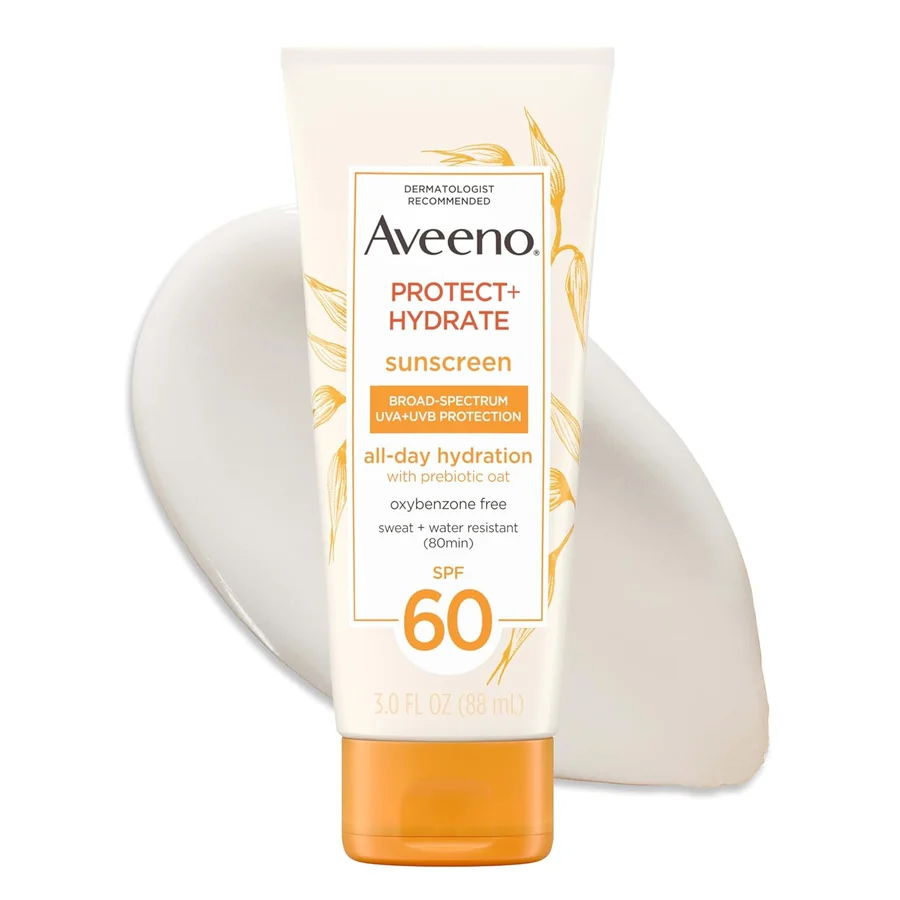
Aveeno Protect + Hydrate Sunscreen Broad Spectrum Face Lotion SPF 60 — Option for Dry-Feeling Skin
This is a hydrating, broad-spectrum SPF 60 facial sunscreen — the highest SPF in this comparison — built around Aveeno’s Prebiotic Triple Oat Complex rather than hyaluronic acid. It’s a chemical-only formula: Avobenzone 3%, Homosalate 13.5%, Octisalate 5%, and Octocrylene 10%. Aveeno states it’s fragrance-free, and it’s oil-free, oxybenzone-free, paraben-free, and dye-free per the brand’s official page. It’s water-resistant for 80 minutes, one of the few products in this comparison with a confirmed water-resistance duration, and the Protect + Hydrate line is positioned by Aveeno specifically for dry, dehydrated skin rather than for sensitive skin. Aveeno’s official page does not make a non-comedogenic claim for this product, so that claim isn’t made here either.
Who might prefer it: Someone with dry or dehydrated skin who wants a hydrating, higher-SPF sunscreen with a confirmed water-resistance duration.
Reasons someone might prefer another option: It isn’t a mineral formula if that’s specifically what you’re looking for, and Aveeno doesn’t make a non-comedogenic claim for this specific product.
Beauty of Joseon Tinted Mineral Dayscreen SPF 30 — Tinted Mineral Option
This is a tinted, mineral-only sunscreen with Zinc Oxide as its sole active ingredient, available in 15 shades. It’s explicitly non-comedogenic per the brand’s page and includes fermented rice extract and ceramide NP. One important correction worth flagging: despite being a K-beauty-style formula, this specific product is not fragrance-free — its label lists a small amount of synthetic fragrance, so it isn’t the pick to reach for if you’re specifically avoiding fragrance.
It’s also worth knowing this U.S.-market Dayscreen is a different, separately formulated product from Beauty of Joseon’s Korea-market “Relief Sun” sunscreen — the U.S. version uses different, FDA-compliant UV filters, so if you’ve heard about the Korean original, know that this is not the same formula.
Who might prefer it: Someone who wants mineral sun protection with a built-in tint, in a wide shade range, without a separate makeup step.
Reasons someone might prefer another option: It contains fragrance, so avoid it if you’re fragrance-sensitive. No water-resistance duration is disclosed.
Cetaphil Sheer Mineral Sunscreen Face Lotion SPF 50 — Budget-Friendly Mineral Option for Sensitive Skin
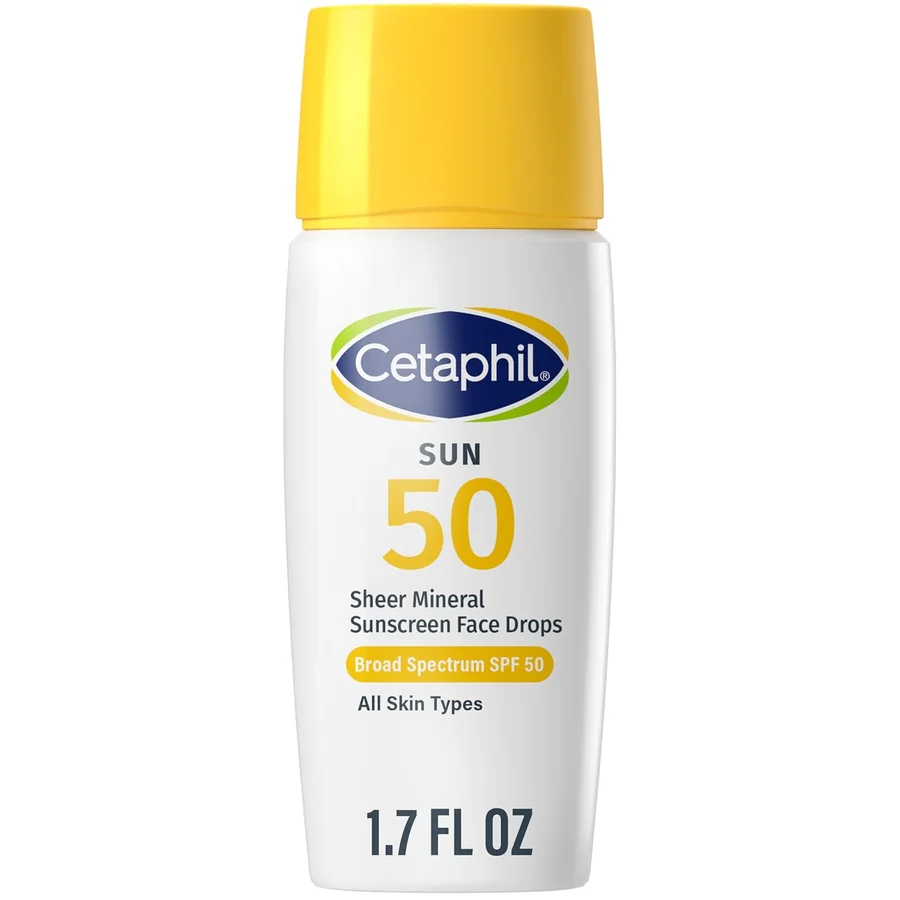
Cetaphil’s Sheer Mineral Sunscreen is a broad-spectrum, mineral-only SPF 50 formula using Titanium Dioxide 9.0% and Zinc Oxide 7.0%. It’s fragrance-free, explicitly non-comedogenic, and water-resistant for 80 minutes per its official label — another of the few products here with a confirmed duration. It carries the National Eczema Association’s Seal of Acceptance and includes ceramides and hyaluronic acid, at an accessible drugstore price point.
Who might prefer it: Someone with sensitive or eczema-prone skin who wants an affordable, mineral-only, fragrance-free option with a confirmed water-resistance claim.
Reasons someone might prefer another option: Cetaphil doesn’t use the specific term “oil-free” for this product — it’s described as “non-greasy” instead, which isn’t necessarily the same claim.
Start with what you already know about your skin. If you’re not sure whether you have oily, dry, combination, or sensitive skin, it’s worth figuring that out first — it will narrow this list quickly. From there, ask yourself a few practical questions: Do you want a mineral-only formula, or are you fine with a chemical or hybrid one? Do you want a tint, or would you rather add color separately? Will you wear this under makeup regularly? Is fragrance-free non-negotiable for you? Answering those questions will usually point you to one or two products on this list rather than leave you weighing all eight equally.
SPF 30 vs. SPF 50
Higher SPF numbers block slightly more UVB rays, but the difference is smaller than the numbers suggest. According to MD Anderson Cancer Center, SPF 30 blocks about 97% of UVB rays, while SPF 50 blocks about 98% — a real but modest difference, not a doubling of protection. SPF 50 does not protect “twice as well” as SPF 30; no sunscreen blocks 100% of UV rays, regardless of its SPF number. For most people, either SPF 30 or SPF 50 is a reasonable choice for daily wear, as long as it’s broad-spectrum and applied in an adequate amount and reapplied as needed.
Mineral vs. Chemical: Which Should a Beginner Choose?
According to the American Academy of Dermatology, chemical, mineral (physical), and hybrid sunscreens all form a protective layer on the skin that absorbs UV rays; mineral sunscreens (using zinc oxide and/or titanium dioxide) additionally reflect some UV rays. Neither category is inherently unsafe, and neither is universally “better” — mineral formulas are often suggested for sensitive or reactive skin because they tend to be less irritating for some people, not because chemical filters are unsafe. Several products in this comparison (CeraVe AM SPF 30 and EltaMD UV Clear) combine both types in a single hybrid formula, which is a normal and common approach, not a compromise.
If you have sensitive, reactive, or acne-prone skin, a mineral-only option like CeraVe’s or Cetaphil’s mineral sunscreens is a reasonable starting point. If you find mineral formulas feel heavy or leave more of a visible cast than you’d like, a chemical or hybrid formula like the Neutrogena, Aveeno, or Supergoop options above may feel lighter day to day. There’s no single “correct” answer — it comes down to how your specific skin responds and what texture you’ll actually wear consistently.
What About Oily or Acne-Prone Skin?
People with oily or acne-prone skin may prefer lightweight gel or fluid textures, since heavier creams can feel greasy or contribute to a shinier look throughout the day. The Neutrogena Ultra Sheer Invisible Gel above has this kind of lightweight, gel-based texture, and EltaMD positions UV Clear specifically for acne-prone skin. If a particular sunscreen doesn’t seem to agree with your skin, it’s worth trying a lighter texture or a different formula before ruling out sunscreen altogether. For a full routine built around oily or acne-prone skin, see our skincare routine for oily skin and skincare routine for acne-prone skin guides.
What About Dry Skin?
If your skin tends to feel tight, flaky, or dehydrated, you may prefer a hydrating formula over a mattifying gel formula — the Aveeno Protect + Hydrate option above is built around Aveeno’s Prebiotic Triple Oat Complex and its Protect + Hydrate line is positioned by the brand for dry, dehydrated skin. For a complete routine, see our skincare routine for dry skin guide.
What About Sensitive Skin?
According to the American Academy of Dermatology, mineral sunscreens containing zinc oxide and/or titanium dioxide are one option worth considering for sensitive skin — this is general guidance, not a guarantee that every mineral formula will suit every person with sensitive skin. CeraVe’s Hydrating Mineral Sunscreen and Cetaphil’s Sheer Mineral Sunscreen are both fragrance-free, mineral-only options positioned by their brands for sensitive or reactive skin. EltaMD positions UV Clear for sensitive and rosacea-prone skin as well, even though it’s a hybrid rather than mineral-only formula. As with any new skincare product, patch-testing a small area before applying a new sunscreen to your whole face can help surface an obvious reaction, though it isn’t a reliable way to rule out every possible allergic, irritant, or photosensitivity response — introduce new products gradually and watch for changes over the following days. For a full routine, see our skincare routine for sensitive skin guide.
What About Darker Skin Tones and White Cast?
White cast — a visible gray or purple-ish tint left behind, especially by mineral sunscreens — is a common and valid concern, and it’s more noticeable on deeper skin tones. According to the American Academy of Dermatology, people with darker skin tones can benefit from tinted, broad-spectrum sunscreens that specifically contain iron oxide, since visible light (not just UV light) can worsen hyperpigmentation on deeper skin tones, and iron oxide is the ingredient AAD points to for addressing that. This guidance applies to tinted sunscreens containing iron oxide specifically — not to every tinted product. The Beauty of Joseon Tinted Mineral Dayscreen above is the tinted option in this comparison, but its verified active ingredient is zinc oxide, and we were not able to confirm iron oxide in its formula from official sources — so it’s included here for its tinted-mineral formulation and 15-shade range, not specifically as an iron-oxide, visible-light pick. It’s worth being clear, too, that no sunscreen formula works identically for every skin tone — a tint that blends well on one person may not blend as well on another, so testing a small amount on your actual skin before fully committing to a product is the most reliable approach.
Can You Wear These Under Makeup?
Yes — several of the products above are marketed by their manufacturers as working well under makeup. Supergoop positions Unseen Sunscreen as a lightweight, primer-like formula, and Neutrogena positions the Ultra Sheer Invisible Gel similarly, as a quick-absorbing, matte finish meant to sit well underneath makeup; we have not independently wear-tested these claims. In general, sunscreen should go on after your moisturizer and before makeup, as the last step of your skincare routine and the first step of your makeup routine. For the full order of operations across a complete routine, see our guide on how to layer skincare products.
Where Sunscreen Fits in a Morning Routine
Sunscreen is typically the final step of a morning skincare routine, applied after cleanser and moisturizer (and any treatment products) and before makeup. If you’re still building out your full morning routine and want to see how sunscreen fits alongside cleanser, moisturizer, and other steps, see our skincare routine for beginners guide.
How Much Sunscreen Should You Apply?
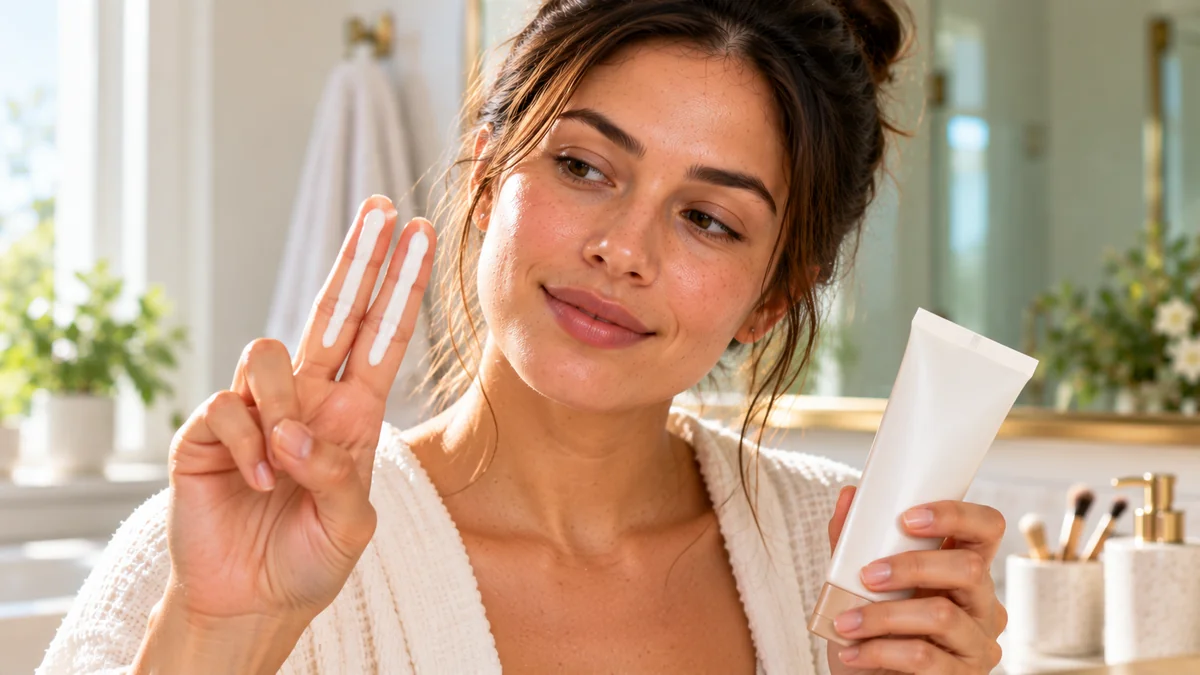
Using enough sunscreen matters as much as picking the right one — even a great formula won’t provide its labeled SPF if you apply too little. According to the American Academy of Dermatology, that means at least 1 teaspoon for the face alone — about the amount needed to cover the length of your index and middle fingers. We’ve covered the full breakdown — including that visual guide, face-versus-neck amounts, and how to apply evenly — in a separate, dedicated guide: How Much Sunscreen Should You Use on Your Face?
Common Sunscreen Shopping Mistakes
A few patterns come up often for beginners: picking a sunscreen based on SPF number alone without checking texture or skin-type fit, assuming “mineral” and “chemical-free” always mean the same thing (as this comparison shows, several “mineral-branded” products are actually hybrids), skipping the ingredient list and going only by marketing language, and buying a full-size bottle of a new formula before patch-testing it. Reading the actual Drug Facts panel — not just the front-of-bottle marketing — is the most reliable way to know what you’re actually buying.
Frequently Asked Questions
Broad-spectrum SPF 30 or higher is a reasonable baseline for daily use. Higher isn’t dramatically better — see the SPF 30 vs. SPF 50 section above — so choosing based on texture and skin fit matters just as much as the number.
Both are reasonable choices. SPF 50 blocks slightly more UVB (about 98% vs. about 97% for SPF 30), but the difference is modest, not double. Pick based on the formula and texture you’ll actually wear consistently.
Neither is universally better. According to the AAD, all sunscreen types form a protective layer that absorbs UV rays, and mineral formulas also reflect some rays; mineral formulas are often suggested for sensitive or reactive skin, while chemical and hybrid formulas often feel lighter and blend more easily. See the “Mineral vs. Chemical” section above.
People with oily skin may prefer lightweight gel formulas — the Neutrogena Ultra Sheer Invisible Gel SPF 40 above has this kind of texture. See our oily skin routine guide for the full routine.
Fragrance-free, mineral-only formulas like CeraVe’s Hydrating Mineral Sunscreen or Cetaphil’s Sheer Mineral Sunscreen are common starting points for sensitive skin. See our sensitive skin routine guide.
It’s possible for a specific formula to not agree with your skin — this varies by person and by formula. Non-comedogenic labeling can be a useful shopping signal, but it does not guarantee that a product will never clog pores or trigger breakouts for every person. Individual skin responses vary.
Yes — moisturizer typically goes on before sunscreen, as sunscreen is usually the last step of a skincare routine, applied right before makeup if you wear it.
Yes. Supergoop Unseen Sunscreen and Neutrogena Ultra Sheer Invisible Gel are both marketed by their manufacturers as lightweight, quick-absorbing formulas designed to work well under makeup.
According to the AAD, at least 1 teaspoon for the face alone — about the amount needed to cover the length of your index and middle fingers. For the full explanation, see our dedicated guide: How Much Sunscreen Should You Use on Your Face?
Daily broad-spectrum sunscreen is generally recommended regardless of weather, since UV exposure happens even on cloudy days and through some windows.
Bottom Line
There’s no single best sunscreen for every beginner — the right one depends on your skin type, your texture preferences, whether you want a tint, and how it needs to fit into the rest of your routine. CeraVe AM Facial Moisturizing Lotion SPF 30 is one option if you want a combined moisturizer-and-sunscreen step; EltaMD UV Clear and the two mineral options here are worth a look if your skin is sensitive or reactive; and the Supergoop and Neutrogena picks are worth considering if wearing sunscreen comfortably under makeup matters most to you. Whichever you choose, the most important factor is one you’ll actually use consistently, in a sufficient amount, every day.
Every product fact in this article was checked against official U.S. manufacturer sources and, where more detail was needed, FDA drug listings — not retailer copy or secondhand summaries. Where a claim couldn’t be verified from an official source, we said so rather than guessing, and we’ve flagged specific discrepancies (like products marketed as “mineral” that are actually hybrid formulas) rather than smoothing them over. We have not personally tested these products, and this article does not claim otherwise.
Read our Review Policy for a plain explanation of what our review process does — and doesn't — mean for health-adjacent content.
Sources & Further Reading
Affiliate Disclosure: This article contains affiliate links. If you buy through these links, AvaFitCare may earn a commission on qualifying purchases at no additional cost to you. Product selection and descriptions on this page are based on verified manufacturer and dermatology-guidance information, not on affiliate relationships — affiliate participation does not influence which products are included or how they are described.
Medical Disclaimer: This article is for general informational purposes only and is not a substitute for professional medical advice. If you have specific skin concerns, sun sensitivity, or a diagnosed skin condition, consult a board-certified dermatologist.