If you’ve ever wondered whether your serum goes on before or after your moisturizer, or whether sunscreen can just be mixed in with whatever else you’re already putting on your face, you’re asking the right question. The order you apply skincare products in isn’t just a cosmetic detail — it affects how well each product can actually do its job, and getting it wrong is one of the easiest ways to waste money on products that never get the chance to work.
This guide isn’t a basic “here’s your morning and night routine” walkthrough — AvaFitCare already has dedicated guides for building a beginner skincare routine, a full morning routine, and a full night routine, and this article isn’t here to repeat them. Instead, this is the layering guide: what to do once you have more than the basics, where specific ingredients like retinol, vitamin C, and exfoliating acids actually fit, how long to wait (or not wait) between steps, why products sometimes ball up on your skin, and when adding more products stops helping and starts working against you.
One thing to keep in mind as you read: layering correctly does not mean using more products. A lot of the guidance below is about simplifying, not stacking. If you only use a cleanser and a moisturizer, you don’t need anything in this guide except the cleanser-then-moisturizer part — everything else here is for when you start adding more.
Here’s the general shape of a layered routine. Not every step is required — “Required?” reflects whether most people need this step at all, not whether the order matters if you do use it.
Step
Morning
Night
Required?
1. Cleanse
Splash of water or gentle cleanser
Cleanse thoroughly; may need a makeup remover or oil cleanser first, depending on what you wore
Yes
2. Toner or essence
Optional, after cleansing
Optional, after cleansing
No
3. Treatment or serum
Optional, thinner formulas generally first
Optional, applied per product directions
No
4. Eye product
Optional, before moisturizer
Optional, before moisturizer
No
5. Moisturizer
Yes
Yes
Yes
6. Facial oil
Not typically used in AM under makeup
Optional, often the last step
No
7. Sunscreen
Yes, final step before makeup
Not applicable
Yes (AM)
This is a general framework, not a fixed law every product must follow — always defer to the directions printed on a specific product, especially for prescription treatments.
Morning Layering Order
A basic morning routine only needs three things: cleanser, moisturizer, and sunscreen. If you’re adding an optional serum or treatment, it generally goes after cleansing and before moisturizer. For the complete step-by-step morning routine, including how much of each product to use, see AvaFitCare’s morning skincare routine guide.
The one point worth repeating here because it’s easy to get wrong: sunscreen is the last skincare step in the morning, applied after moisturizer and before makeup. It shouldn’t be the product you skip or rush.
Nighttime Layering Order
A basic nighttime routine can be just two steps: cleanser and moisturizer. At night, thoroughly remove makeup and sunscreen. Depending on what you wore and the cleanser you use, this may involve a makeup remover or oil cleanser followed by a gentle cleanser, or it may just mean cleansing thoroughly with your regular cleanser — it isn’t the same requirement for everyone. Optional treatments or serums, when used, go after cleansing and before moisturizer. For the full step-by-step version, see AvaFitCare’s night skincare routine guide.
There’s no sunscreen step at night, which is part of why nighttime routines have more room for treatments like retinol — more on that below.
Why Order Matters (Without Overstating It)
You’ll often see the rule “apply products from thinnest to thickest.” It’s a genuinely useful general heuristic — a thick cream applied first can sit on the skin and block a thinner serum from making contact afterward — and some medical sources present it as a standard part of skincare routine order. But it isn’t a strict, universally mandated rule from every authoritative source, and the American Academy of Dermatology’s own guidance on applying skincare products in order doesn’t frame it that way at all — it simply recommends cleansing, then any treatment product, then moisturizer and/or sunscreen, then makeup.
The practical takeaway: thinnest-to-thickest is a reasonable default when you’re not sure what order to use, but it’s not something to stress over, and it can be overridden by a specific product’s own instructions. If a product’s label tells you when to apply it, follow the label over any general rule, including this one.
Building Out the Full Order, Step by Step
Cleanser
Always first, whether that’s a gentle cleanser or, in the morning, sometimes just a rinse with water if your skin is very dry or you didn’t wear anything overnight. At night, thoroughly remove makeup and sunscreen. Depending on what you wore and the cleanser you use, this may involve a makeup remover or oil cleanser followed by a gentle cleanser — it isn’t a universal double-cleansing requirement for everyone, but it’s worth checking whether your regular cleanser alone is removing everything.
Toner or Essence (Optional)
Toners and essences are optional add-on steps, not a required part of a routine — don’t feel like you’re missing something if you skip this step entirely. If you use one, it typically goes right after cleansing and before treatments or serums. Skip outdated claims that toner is needed to “restore your skin’s pH” after cleansing; that’s not something you need to build a routine around.
Treatment or Serum (Optional)
If you’re using a treatment or serum — for example, one targeting hydration, brightening, or texture — it generally goes after cleansing (and toner, if used) and before moisturizer. This is where thinnest-to-thickest logic applies most directly: a lightweight, water-based serum works best when it reaches the skin directly, rather than sitting on top of a heavier cream.
Eye Product (Optional)
Eye creams and gels are optional; most beginners don’t need a separate eye product to have a complete routine. If you do use one, it’s typically applied before your regular face moisturizer, using your ring finger and a light patting motion, since the skin around the eyes is thinner and more delicate.
Moisturizer
Moisturizer is a core step for most people and can be useful even for oily skin. It generally comes after any serums or treatments and before sunscreen or facial oil.
Disclosure: This section contains affiliate links. If you purchase through these links, Ava Fit Care may earn a small commission at no extra cost to you.
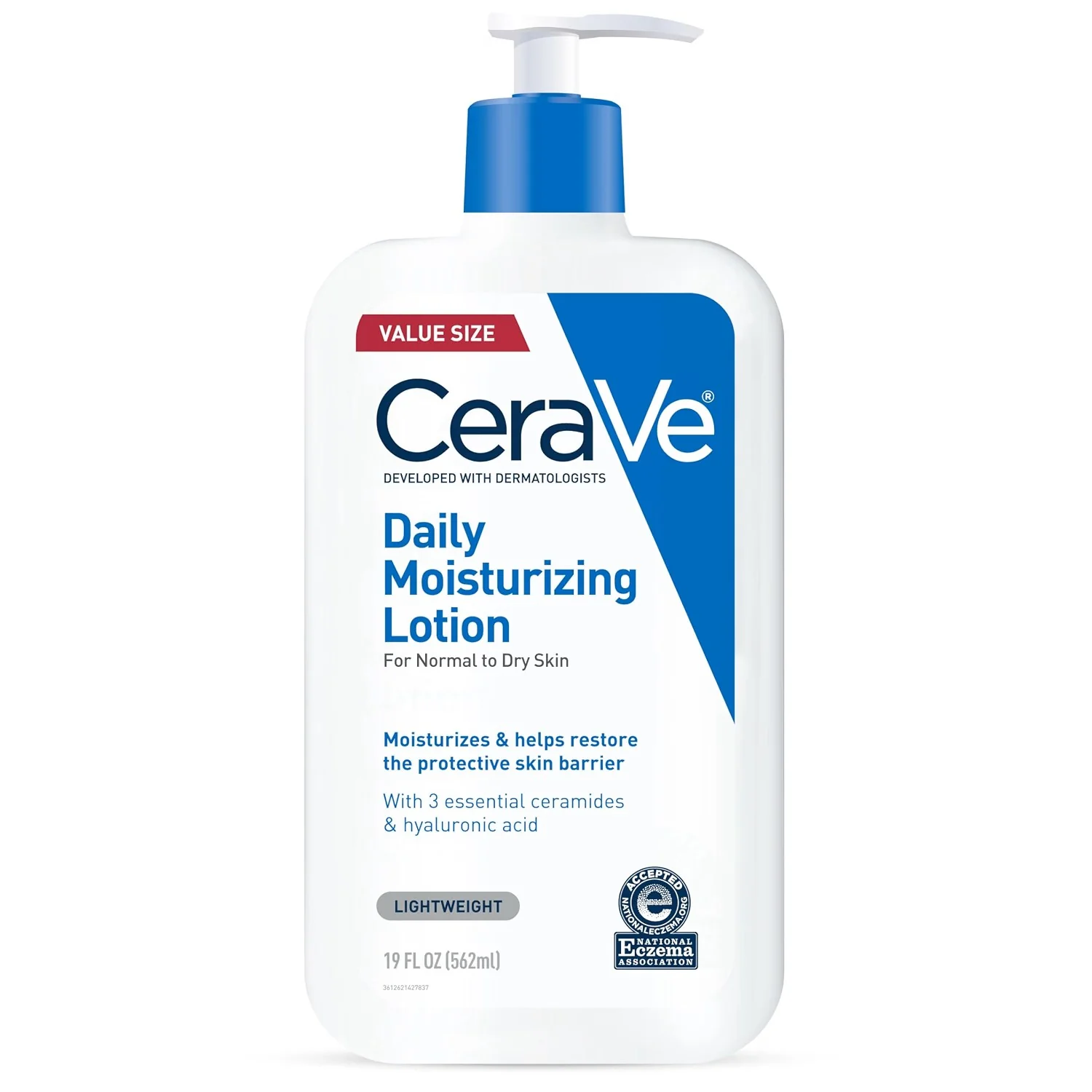
CeraVe Daily Moisturizing Lotion
A lightweight, ceramide-containing lotion that’s a common example of a basic daily moisturizer for normal to dry skin — one option among many that can fill the moisturizer step above.
If you use a facial oil, formulation matters more than a fixed rule. Many facial oils are applied as one of the last steps of a nighttime routine, often after moisturizer, since heavier oil-based products can otherwise sit on top of the skin and block lighter products from absorbing. That said, this isn’t universal — some facial oils are specifically formulated to be mixed with moisturizer or applied underneath it, so check the product’s own directions. Facial oils generally aren’t a substitute for moisturizer, and most people don’t need one at all.
Sunscreen (Morning Only)
Sunscreen is the final step of a morning routine, applied after moisturizer and before makeup. The FDA’s consumer guidance on sunscreen recommends applying it about 15 minutes before sun exposure, using enough to fully cover exposed skin, and reapplying at least every two hours when you’re outdoors. Because getting a full, even layer matters for how much protection you actually get, it’s best used as its own dedicated step — not blended into your moisturizer, serum, or foundation — so you can be confident you’ve applied a complete layer of it.
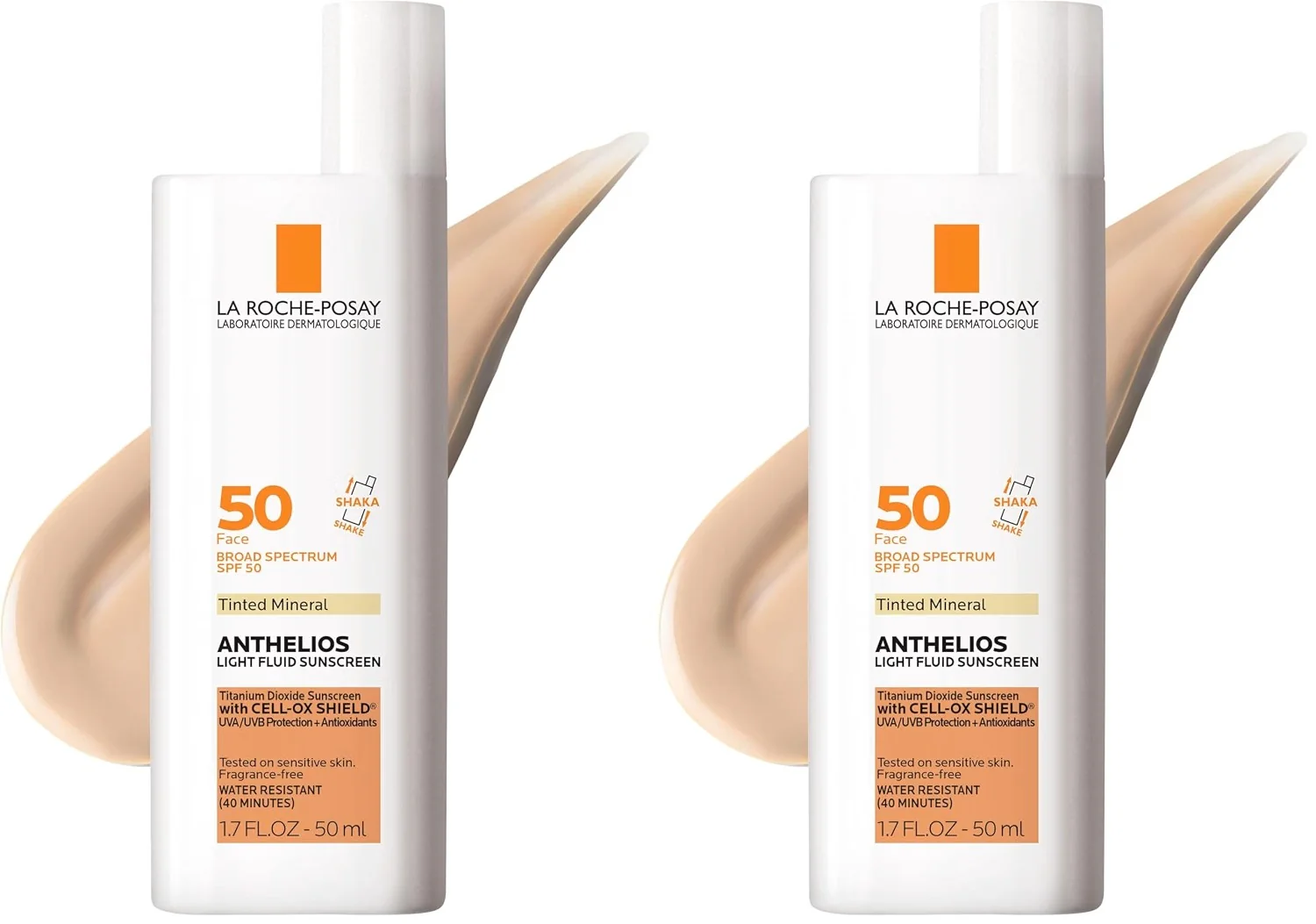
La Roche-Posay Anthelios 50 Mineral Tinted Ultra Light Sunscreen Fluid
A tinted mineral sunscreen that applies as its own dedicated step, which is a common example of how people fit a full, even layer of SPF into the final morning step described above.
If you’re using more than one serum, a few general principles help:
Apply the thinnest, most water-based serum first, and heavier or more oil-based serums after — the same logic as the rest of the routine.
There’s no rule that requires using multiple serums, and using several at once isn’t automatically better for your skin. More products means more chances for irritation, pilling, or one ingredient interfering with another, especially for skin that’s still adjusting to actives. Most beginners do fine with zero or one serum. If you’re going to use two, keep it to two you have a specific reason for, rather than layering in several “just in case.”
If your serums pill or feel gummy when layered, that’s a sign to simplify — either drop one, apply them at separate times of day, or give each layer more time to settle before adding the next.
Where Common Active Ingredients Fit
Vitamin C
Vitamin C serums are typically used in the morning, applied after cleansing (and toner, if used) and before moisturizer and sunscreen. Not all vitamin C formulations behave identically — some derivatives are more stable or better tolerated than others — so this is a practical starting framework rather than a complete guide to every formulation. If a specific product’s instructions differ, follow those.
Niacinamide
Niacinamide generally fits in the same spot as other serums: after cleansing, before moisturizer. AvaFitCare has a full dedicated guide to niacinamide benefits and how to use it if you want more detail — not everyone needs niacinamide specifically, and it isn’t a required part of a routine.
Retinol and Retinoids
Retinoids (including over-the-counter retinol) are generally used at night only, since they can increase sun sensitivity, and daytime sunscreen use matters even more while using one. Beyond that, exact placement relative to moisturizer is genuinely debated rather than settled by one universal rule, and it also depends heavily on whether you’re using an over-the-counter cosmetic retinol or a prescription retinoid — prescription products come with their own directions from your dermatologist or the product label, and those should always take priority over general guidance like this.
Some people apply moisturizer before a retinoid, some after, and some use a “sandwich” approach — moisturizer, then retinoid, then moisturizer again — specifically to reduce irritation while starting out. Preliminary research presented at a 2025 American Academy of Dermatology meeting found that applying moisturizer either before or after a retinoid didn’t reduce its effectiveness, while a full moisturizer-retinoid-moisturizer sandwich did reduce potency in that study — which could be useful for easing in gently, but isn’t something to treat as medically necessary for everyone. This is based on a single laboratory study, not an established clinical guideline, so it’s worth treating as one useful data point rather than a rule.
The more consistent, broadly supported guidance is to start slow rather than jump straight to nightly use — but the specifics differ depending on what you’re using. If you’re using an over-the-counter cosmetic retinol, introduce it gradually and follow the directions on that specific product, since starting frequency varies by formula and strength. If you’ve been prescribed a retinoid, follow your dermatologist’s or prescriber’s instructions and the product label over any general guidance here, including on how often to apply it. If you want a full walkthrough of starting OTC retinol, AvaFitCare has a dedicated retinol for beginners guide. This article isn’t a substitute for that guide or for a dermatologist’s specific instructions, especially if you’re using a prescription-strength product.
Exfoliating acids are typically used as a treatment step, after cleansing and before moisturizer, similar to a serum. The layering question that matters most for beginners isn’t exact placement — it’s how many strong actives you’re using at once. Combining an exfoliating acid with a retinoid or another exfoliating acid in the same routine increases the chance of irritation, and this is a common source of the irritation, redness, dryness, or sensitivity that shows up when people add too much too fast. This isn’t a full guide to using exfoliating acids safely — it’s specifically about where they fit in a layered routine and being cautious about stacking too many actives at once, not a recommendation on frequency or which acid to choose.
Benzoyl Peroxide
Benzoyl peroxide is sold in both rinse-off formats (like a cleanser) and leave-on formats (like a spot treatment or gel), and its place in your routine depends entirely on which format you’re using — it isn’t automatically a serum-style leave-on step. A wash-off benzoyl peroxide product is used at the cleansing step; a leave-on version is generally applied as a treatment step, after cleansing and before moisturizer. Follow the specific product’s directions, and if you’re using it as part of an acne treatment plan, follow your dermatologist’s instructions over any general layering advice here — this guide is about where products fit in a routine, not about diagnosing or treating acne.
Hyaluronic Acid
Hyaluronic acid is a humectant, meaning it draws in moisture. It’s commonly applied as a serum step, after cleansing and before moisturizer. Be cautious of oversimplified claims you may see elsewhere — like a hard rule that it must go on damp skin or that it “pulls moisture out of your skin” in dry climates — since these aren’t things this guide can verify as settled fact. The more reliable, practical guidance is simpler: apply it as part of your regular layering order and follow it with a moisturizer, which helps seal in hydration regardless of the specific climate you’re in.
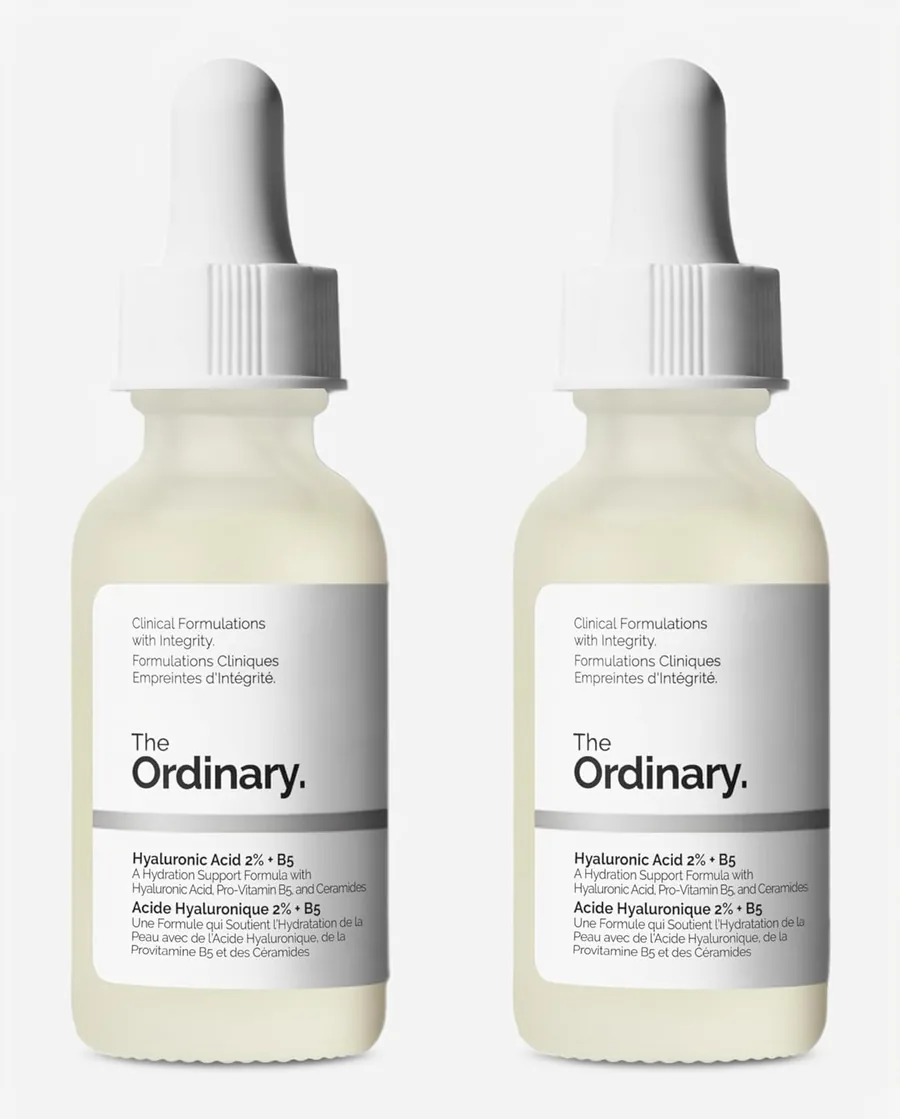
The Ordinary Hyaluronic Acid 2% + B5
A straightforward hyaluronic acid serum, offered here as one optional example of a humectant serum that fits into the treatment-or-serum step described above.
Less time than a lot of skincare advice implies, and there’s no single fixed waiting period that applies to every product or every person. For a basic routine — a gentle cleanser followed by a moisturizer — there’s generally no need to pause between steps at all. When you’re layering in an optional treatment or serum, the most reliable guidance is to follow the directions on that specific product, since formulations vary.
If you notice pilling, excess tackiness, or discomfort when layering products close together, that’s a sign to let the previous layer settle a little longer before adding the next one, or to simplify how many products you’re layering at once — either usually solves it. Outside of situations like that, there’s no need to set a timer between every step.
Why Products Pill (and How to Prevent It)
Pilling is when product rolls up into small flakes or balls on your skin instead of absorbing smoothly. It’s a texture and application issue, not a sign your skin is reacting badly, and it usually comes down to one or more of a few practical causes: using too much product for one layer, layering textures that don’t mix well together (for example, a silicone-based primer over a water-based serum), rubbing or pressing too hard instead of patting product in, not giving a layer enough time to settle before adding the next one, or simply having too many layers stacked on top of each other.
If pilling is a recurring problem, the fix is usually to simplify: use less product per step, give each layer a little more time before the next one, switch the order of two products that seem to clash, or drop a step you don’t need. There’s rarely one single universal cause, so it’s worth troubleshooting which of these applies to your specific routine.
Active Combinations Beginners Should Approach Carefully
You’ll see a lot of “never mix these ingredients” content online, and some of it overstates the risk. It helps to separate three different things: true incompatibility (rare, and usually specific to certain formulations reacting with each other), increased irritation potential (much more common — using multiple strong actives together, like a retinoid and an exfoliating acid, raises the chance of redness or sensitivity even if nothing is technically “unsafe”), and outdated internet myths that get repeated as fact without real evidence behind them.
For most beginners, the practical approach is this: if you’re introducing more than one strong active (retinol, exfoliating acids, high-strength vitamin C), introduce them one at a time, watch how your skin responds, and consider using them on alternating days or at different times of day rather than stacking all of them into one routine. Simplifying your routine is often the better move for irritated or reactive skin — you don’t need to keep adding products to “fix” a reaction; often the fix is using fewer of them.
Common Layering Mistakes
A few patterns come up often: applying sunscreen before moisturizer instead of after, mixing sunscreen into moisturizer or foundation instead of applying it as its own layer, skipping sunscreen because a moisturizer already contains a low SPF, applying a thick cream before a lightweight serum, layering multiple strong actives at once without easing in gradually, and assuming more steps automatically means better results. Most of these are easy to fix once you know the general order — none of them require buying anything new.
Simple Beginner Examples
Morning, 3 steps
Cleanser
Moisturizer
Sunscreen.
Night, 2 steps
Cleanser
Moisturizer.
If you want to add one more product to either routine, the general rule is: cleanser first, sunscreen last (AM only), and everything else — a single serum, a single treatment — goes in between, closest in texture logic to thinnest-to-thickest. You don’t need more than this to have a complete, effective routine.
Frequently Asked Questions
It matters more than marketing spin, but less than some routines make it seem. The core order — cleanser, then any treatments, then moisturizer, then sunscreen in the morning — is genuinely useful for helping each product do its job. Beyond that core order, a lot of the finer details are flexible or product-specific.
It’s a helpful general guideline, not a strict universal law required by every authoritative source. Use it as a default when you’re unsure, but defer to a specific product’s own directions when they differ.
Yes. Toner is an optional add-on step, not a required part of a routine.
After moisturizer, as the final skincare step before makeup.
It’s better not to. Applying sunscreen as its own separate layer makes it easier to know you’ve applied a full, even amount, which matters for how much protection you’re actually getting.
Generally at night, after cleansing. Whether you apply moisturizer before or after it varies by person and product — if you have a prescription retinoid, follow your dermatologist’s specific instructions over any general guidance.
There’s no fixed limit, but more isn’t automatically better. Most beginners do fine with zero or one serum; if you use more than one, apply the thinnest first and watch for irritation or pilling.
Usually no fixed wait is needed for a basic routine. If you’re layering treatments or serums, follow that product’s specific directions, and give layers more time to settle if you notice pilling or discomfort.
That’s pilling — usually caused by using too much product, layering textures that don’t mix well, rubbing too hard, or not giving a previous layer enough time to settle. Simplifying your routine or giving each step more time usually fixes it.
Many people use vitamin C in the morning and retinol at night, which avoids combining them in a single application. Using both together in one routine increases irritation potential for some people, so it’s worth starting with one at a time if you’re new to either.
Bottom Line
The layering fundamentals are simpler than they’re often made out to be: cleanser first, moisturizer before sunscreen, sunscreen last in the morning, and any optional treatments or serums applied in between — generally thinnest to thickest, but always deferring to a specific product’s own directions. Beyond that core order, more products isn’t automatically better. If your skin is reacting to something, simplifying is usually a better first move than adding another product to compensate. For the complete step-by-step versions of a morning or night routine, see AvaFitCare’s morning skincare routine guide and night skincare routine guide.
This guide was researched using publicly available guidance from the American Academy of Dermatology, the FDA, and other cited sources below, along with manufacturer-published product directions where relevant. It has not been reviewed by a dermatologist or other medical professional, and AvaFitCare has not conducted independent product or ingredient testing. Where evidence was limited, uncertain, or based on a single preliminary study, that’s noted directly in the relevant section rather than presented as settled fact. This article is for general educational purposes and isn’t a substitute for individualized advice from a dermatologist, especially for prescription products or persistent skin concerns.
Affiliate Disclosure
This article contains a small number of optional product examples with affiliate links (marked “paid link” above). Ava Fit Care may earn a small commission if you purchase through these links, at no extra cost to you. These are examples, not required steps — the routine and order described above work with any comparable product.
This article is for general educational purposes only and does not constitute medical advice. It is not a substitute for professional diagnosis or treatment. If you have persistent irritation, a significant reaction to a product, or a diagnosed skin condition such as acne, eczema, or rosacea, or if you’re using a prescription skincare product, talk to a board-certified dermatologist or other qualified healthcare provider about what’s right for your skin.
Get New Guides in Your Inbox
No spam, no filler — just new articles as we publish them.