Body Care Routine for Beginners: A Simple Step-by-Step Guide
A simple, beginner-friendly body care routine covering cleansing, exfoliation, moisturizing, and sun protection.
September 11, 2026
Body care covers more ground than people usually give it credit for. It’s the cleansing and hygiene habits that keep skin clean day to day, the moisturizer that keeps it comfortable, the sunscreen that protects it outdoors, exfoliation when your skin can actually use it, some thought around shaving or other hair removal, and a plan for the specific things that come up — dry patches, body acne, rough texture, whatever your skin happens to deal with. Most of us learn a face routine long before we ever think about the rest of our skin, which is a little backwards, since your arms, legs, back, and chest make up a lot more surface area than your face does.
Body skin runs into the same everyday stress as facial skin: hot showers, dry indoor air, sun exposure, tight clothing, shaving, and just getting older. It can get dry, rough, bumpy, or irritated, and most people never build a routine to deal with any of it. That’s not a personal failing. Body care just doesn’t get talked about as much as face care does, so a lot of beginners aren’t sure where to start.
The good news is that you don’t need ten products or a complicated schedule. A solid beginner body care routine really comes down to four steps:
Cleanse → Treat or exfoliate when needed → Moisturize → Protect with sunscreen
That’s it. Everything in this guide builds on that simple framework, so if you only remember one thing, remember those four words. The rest is just detail on how to do each step well and how to adjust it to your own skin.
A beginner body care routine covers four things: cleansing, moisturizing, sun protection, and occasional exfoliation or targeted treatment.
You don’t need a large product collection to get started. A gentle body wash and a moisturizer you’ll actually use consistently will cover most of the basics.
Exfoliation is optional, not mandatory. Most beginners do better starting with once a week or less.
Moisturizing right after a shower, while skin is still a little damp, tends to work better than applying it to fully dry skin.
Sunscreen matters on exposed body skin, not just your face, especially on days with extended outdoor time.
Face products and body products aren’t always interchangeable. Body skin is thicker and can often tolerate different formulas and textures.
Consistency with a simple routine will usually do more for your skin than an elaborate routine you can’t stick with.
What Is a Body Care Routine?
A body care routine is simply the set of habits and products you use to clean, support, and protect the skin on your body — as opposed to your face, which usually gets its own separate routine. It’s built from a few core categories:
Cleansing — washing away sweat, dirt, oil, and product buildup, usually in the shower.
Moisturizing — replenishing the skin’s moisture barrier so skin feels comfortable rather than tight or flaky.
Exfoliation — occasionally removing built-up dead skin cells, which can help with rough texture or dullness.
Targeted treatments — optional products aimed at a specific concern, like body acne or noticeably rough patches.
Sun protection — shielding exposed skin from UV exposure, which matters for skin health over the long run.
Consistency — showing up with the same simple habits regularly, rather than doing a lot all at once and then stopping.
None of these steps need to be complicated. The point of a beginner routine is to cover the basics well, not to try to do everything at once.
How to Build a Body Care Routine for Beginners
Here’s a step-by-step breakdown of what each part of the routine actually involves.
01
Cleanse Your Body
Cleansing removes sweat, everyday grime, and the buildup from lotions or sunscreen so your skin isn’t sitting under a layer of residue. It’s the foundation everything else builds on.
A few practical tips for this step:
Choose a gentle body wash. Look for something labeled gentle, moisturizing, or fragrance-free if your skin tends to feel tight or dry afterward. Bar soaps and washes with strong fragrance or high foaming action can be more drying for some people.
How often you need to cleanse isn’t the same for everyone. Someone who sweats heavily, exercises daily, or works outdoors may reasonably shower more than once a day, while someone with dry or sensitive skin and a low-sweat routine might do fine with less frequent full-body washing. Let your actual day — activity level, weather, and how your skin feels — guide the decision rather than a fixed rule.
More cleansing isn’t automatically better. Washing more often than your skin needs, especially with hot water or a stripping formula, can leave dry or sensitive skin feeling tighter and more irritated, not cleaner.
Avoid excessively hot water. Hot showers feel good but can dry out skin over time. Lukewarm water is generally easier on your skin barrier.
Skip the aggressive scrubbing. A washcloth or your hands with gentle pressure is usually enough. Scrubbing hard with a rough loofah every day can irritate skin rather than clean it better.
Some links in this guide are affiliate links. If you purchase through them, Ava Fit Care may earn a commission at no extra cost to you.
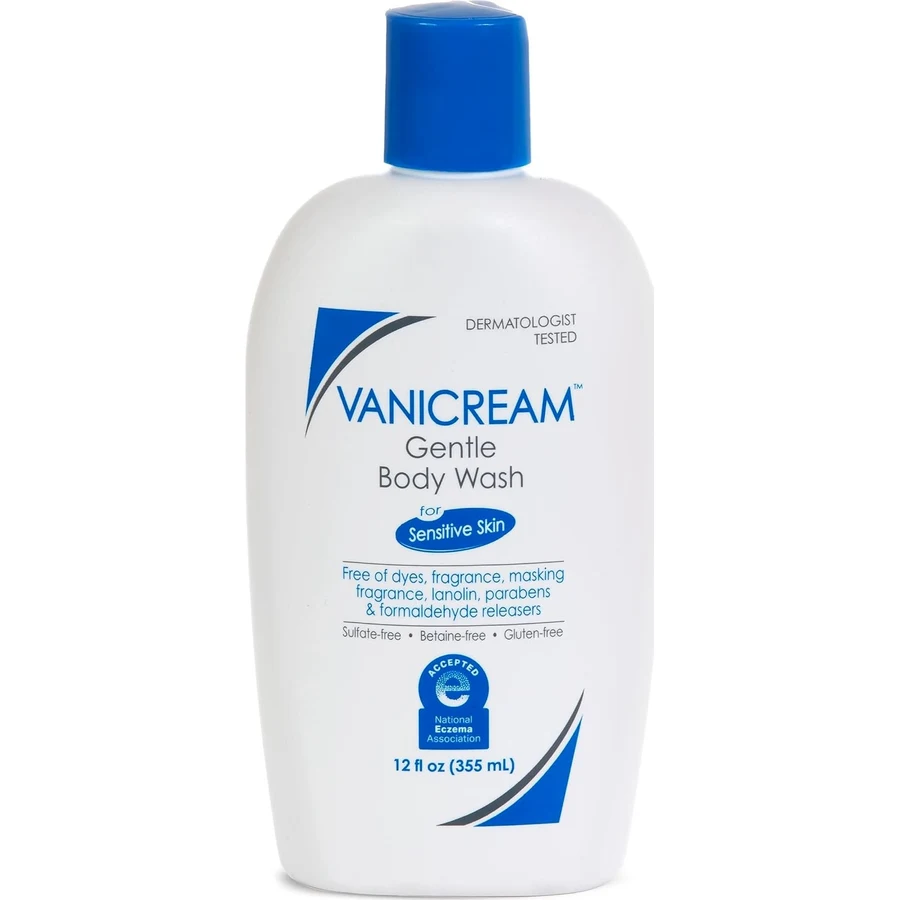
Vanicream Gentle Body Wash
If you’re looking for a simple option to start with, this is a fragrance-free cleanser formulated for sensitive skin. It’s a straightforward, low-fuss pick if you want an everyday body wash without added fragrance — a reasonable starting point for beginners who aren’t sure what to look for yet.
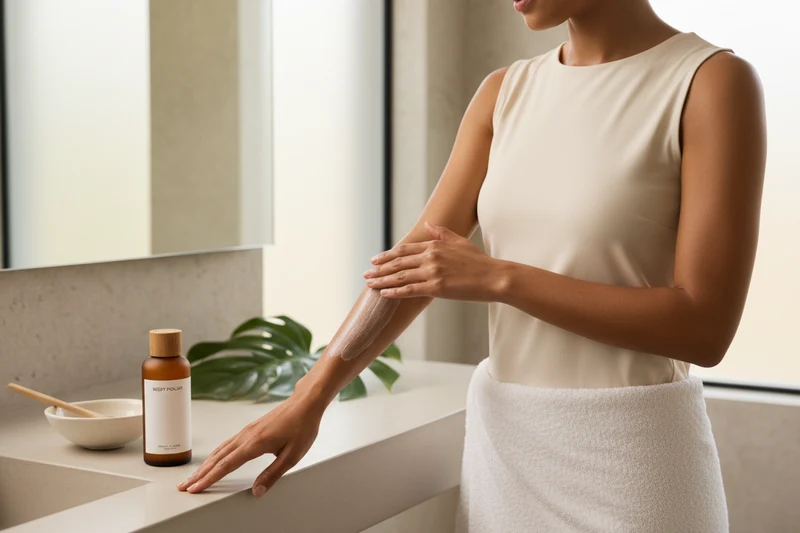
Exfoliation removes the buildup of dead skin cells on the surface, which can make skin look smoother and feel less rough. It’s a genuinely useful step for a lot of people, but it’s also the step beginners tend to overdo.
There are two main types:
Physical exfoliation uses a texture — a scrub, a body brush, or an exfoliating glove — to manually slough off dead skin.
Chemical exfoliation uses an ingredient, usually an acid like glycolic or lactic acid, to loosen the bonds between dead skin cells so they shed more easily.
A few things worth knowing as a beginner:
Exfoliation is optional, not a required step. Plenty of people have a perfectly good routine without it. If you do want to try it, start slowly rather than diving in with a strong product several times a week.
It may help with rough or bumpy skin, like rough patches on the arms or legs, but it isn’t a fix for every kind of texture concern, and results vary from person to person.
Irritation is your cue to back off. Redness, stinging, or unusual sensitivity after exfoliating means it’s time to reduce frequency or stop for a while, not push through it.
Skip it on skin that’s already irritated, broken, sunburned, or inflamed. Exfoliating compromised skin usually makes things worse, not better.
Don’t stack multiple exfoliating products at once. Using a scrub, an acid wash, and a treatment product with acids all in the same routine is one of the fastest ways to over-exfoliate, even if no single product seems strong on its own.
03
Apply Targeted Treatments When Needed
Not everyone needs a treatment product, and that’s genuinely fine. This step is about addressing a specific concern if you have one, not about adding products for the sake of it.
Some common reasons people add a targeted product:
Body acne, often on the back, chest, or shoulders.
Rough or bumpy skin, sometimes related to a common condition called keratosis pilaris.
Skin that looks uneven in tone in certain areas.
Dry or flaky patches that a regular moisturizer isn’t fully resolving.
If one of these sounds familiar, a product built around a specific ingredient (like salicylic acid for texture and clogged pores, or urea for very dry patches) may be worth trying. This isn’t a substitute for a professional diagnosis, though — if a concern is persistent or bothersome, it’s worth getting a dermatologist’s take before assuming you know exactly what’s going on.
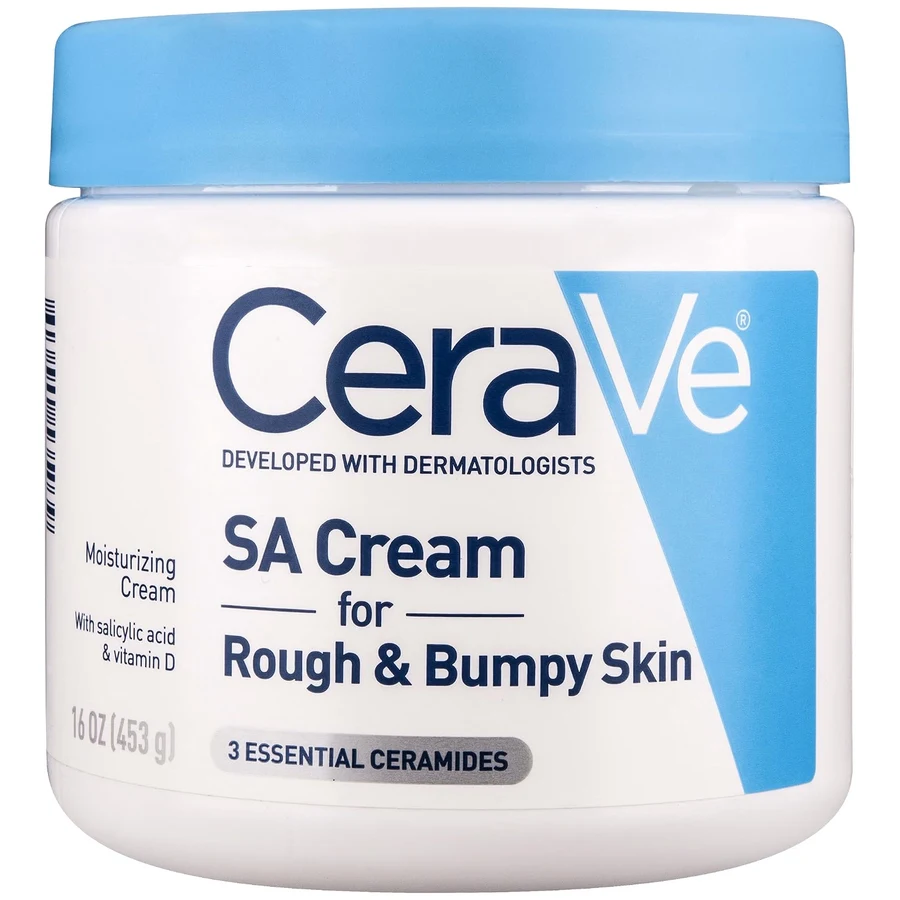
For rough or bumpy skin specifically, an optional targeted product like CeraVe SA Moisturizing Cream — a moisturizing cream formulated with salicylic acid — is sometimes used by people dealing with that kind of texture. It isn’t a mandatory daily step for every beginner, and it’s worth trying only if rough or bumpy-feeling skin is something you’re actually dealing with.
CeraVe SA Moisturizing Cream
A moisturizing cream formulated with salicylic acid, sometimes used by people dealing with rough or bumpy-feeling skin texture. This is an optional, targeted product rather than a step every beginner needs.
Moisturizer helps support the skin’s barrier and reduce dryness by replacing water and lipids that cleansing and everyday exposure can strip away, which is why skipping it often leaves skin feeling tight, flaky, or rough.
It helps to know that moisturizers generally work in a few different ways, often combined in one product:
Humectants (like glycerin and hyaluronic acid) draw water into the skin’s surface.
Barrier-supporting ingredients (like ceramides) help reinforce the skin’s natural protective layer.
Richer, occlusive ingredients (like shea butter or petrolatum-based formulas) sit on top of skin to seal moisture in, which is especially useful for very dry skin.
A few practical points:
Moisturize after showering, especially if your skin feels dry or tight, and reapply during the day if your skin needs it.
Applying moisturizer while skin is still slightly damp — rather than waiting until it’s fully dry — can help lock in more moisture.
Lotion, cream, and body oil aren’t interchangeable. Lotions are lighter and absorb quickly, which works well for normal to slightly dry skin. Creams are thicker and tend to suit drier skin better. Oils can add a layer of slip and shine and work well layered over a lotion or cream for very dry skin.
Choose based on how your skin actually feels, not just what looks appealing in the bottle. If your skin still feels tight an hour after applying a lotion, a heavier cream might suit you better.
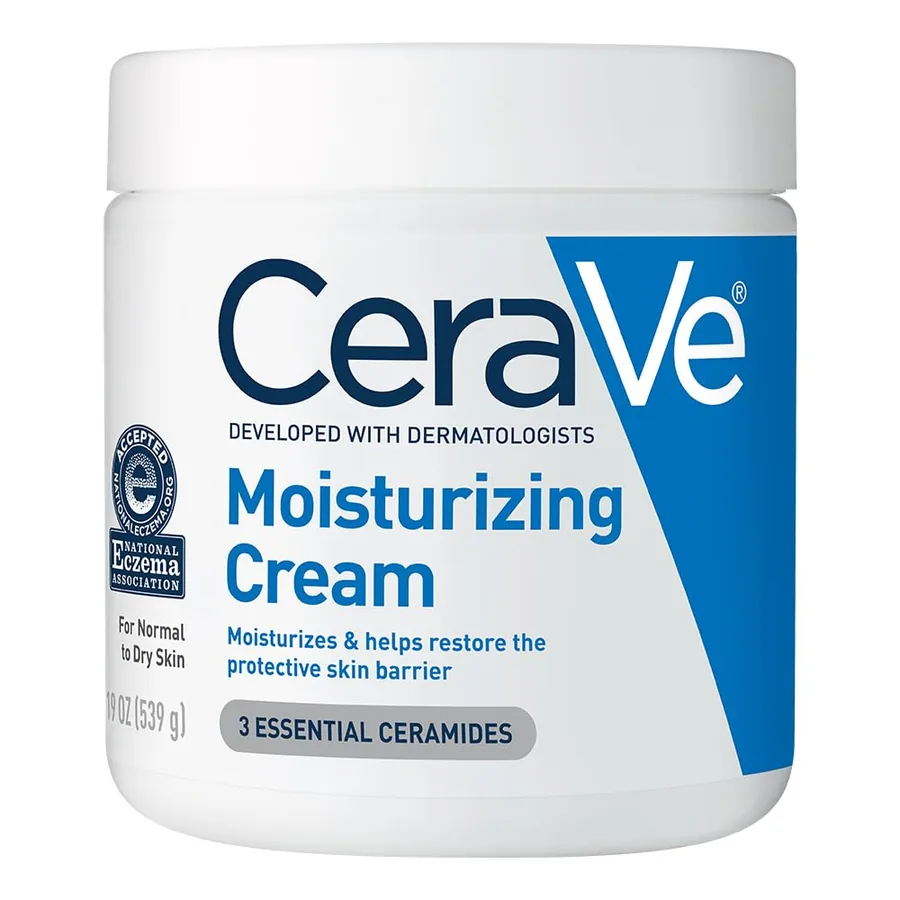
One option beginners may consider as an everyday moisturizer is CeraVe Moisturizing Cream, a fragrance-free cream formulated with ceramides. It’s a reasonable starting point if you’d rather settle on one moisturizer to use consistently than switch between several while you figure out what your skin likes.
CeraVe Moisturizing Cream
A fragrance-free moisturizing cream formulated with ceramides, often used as an everyday option for normal to dry skin. A reasonable starting point if you’d rather settle on one moisturizer to use consistently.
Sunscreen isn’t just a face-care step. Any skin that’s regularly exposed to the sun — arms, legs, shoulders, neck, chest, hands, the tops of your feet — can benefit from sun protection, and that’s true on an ordinary day out and about, not only on days you’re specifically planning to be outside for a while.
A few practical points:
Look for broad-spectrum protection. “Broad-spectrum” means the sunscreen is formulated to protect against both UVA and UVB rays, which is the baseline most dermatology guidance points to for everyday sun protection.
Apply sunscreen before going outdoors, following the product’s directions for application and reapplication.
Cover the areas that are actually exposed — arms, legs, chest, shoulders, neck, and hands if you’re not wearing gloves or long sleeves. It’s easy to remember your face and forget the rest.
Reapply during extended outdoor activity, especially after swimming, heavy sweating, or towel drying, since all three can remove sunscreen from the skin faster than time alone.
Follow the product’s own directions. Reapplication intervals and application amounts can vary by formula, so the label is the most reliable guide for the specific sunscreen you’re using.
Body sunscreen doesn’t have to be a separate purchase from your face sunscreen, but many people prefer a lighter, faster-absorbing formula for larger areas of skin.
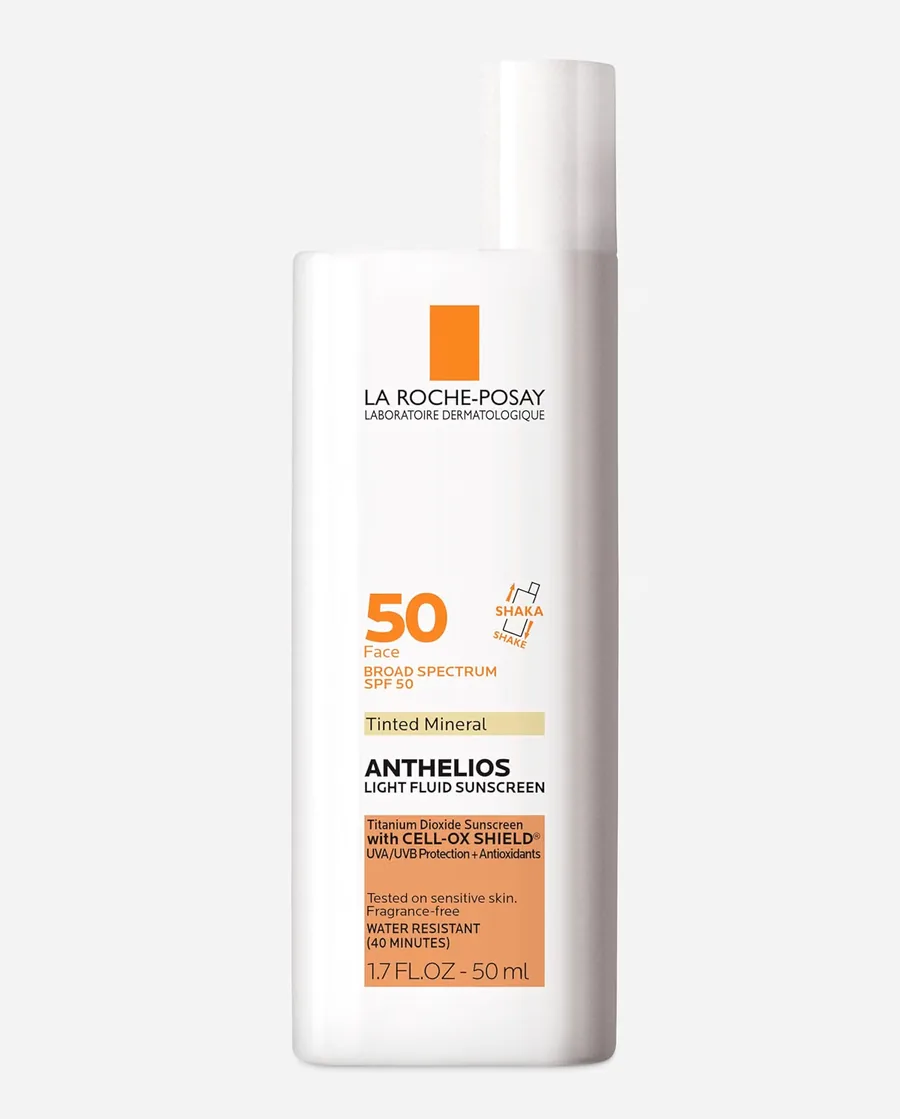
If you want a body sunscreen with a higher SPF on top of the broad-spectrum SPF 30+ baseline covered above, La Roche-Posay Anthelios Melt-in Milk SPF 50 is a broad-spectrum SPF 50 option in a lightweight, fast-absorbing milk formula, suited to larger areas of exposed skin.
La Roche-Posay Anthelios Melt-in Milk SPF 50
A broad-spectrum SPF 50 sunscreen in a lightweight, fast-absorbing milk formula, suited to larger areas of exposed body skin.
If you want a deeper look at how sunscreen actually works and how to choose one, Ava Fit Care’s Sunscreen for Beginners guide covers that in more detail.
Morning Body Care Routine
A simple beginner morning routine looks like this:
Cleanse/shower
Moisturize
Sunscreen on exposed areas
That’s a realistic three-step routine most people can stick with. The exact version of this will vary depending on your skin type, your climate, and your lifestyle — someone with dry skin in a cold climate may lean on a heavier cream, while someone in a hot, humid area might prefer a lighter lotion.
Night Body Care Routine
At night, the routine shifts slightly:
Cleanse
Targeted treatment, if you’re using one
Moisturize
Exfoliation doesn’t belong in this nightly list — it’s an occasional step, not a daily one. More on frequency below.
Body Care Routine by Skin Type
Everyone’s skin is a little different, so here’s a general starting point by skin type or concern. Treat these as starting points, not permanent labels — skin can shift with the seasons, your environment, hormones, or age, so it’s worth reassessing occasionally rather than assuming today’s skin type is fixed forever.
Skin Type / Concern
Main Needs
Beginner Routine
Ingredients/Features to Consider
What to Avoid
Normal skin
Maintenance and consistency
Gentle cleanse, moisturize daily, sunscreen on exposed skin, exfoliate occasionally
Aggressive scrubbing, heavy oils on breakout-prone areas, layering multiple actives at once
Combination skin
Different needs in different areas (for example, oilier through the chest/back, drier on the arms/legs)
Gentle cleanse, apply lighter products to oilier areas and richer moisturizer where skin runs dry, exfoliate as tolerated
Lightweight lotions for oilier zones, richer cream for drier zones
Treating the whole body identically when needs clearly differ by area
Sensitive skin
Minimizing irritation
Fragrance-free gentle cleanser, simple moisturizer, minimal or no exfoliation to start
Fragrance-free formulas, glycerin, ceramides
Strong fragrance, high concentrations of acids, frequent exfoliation
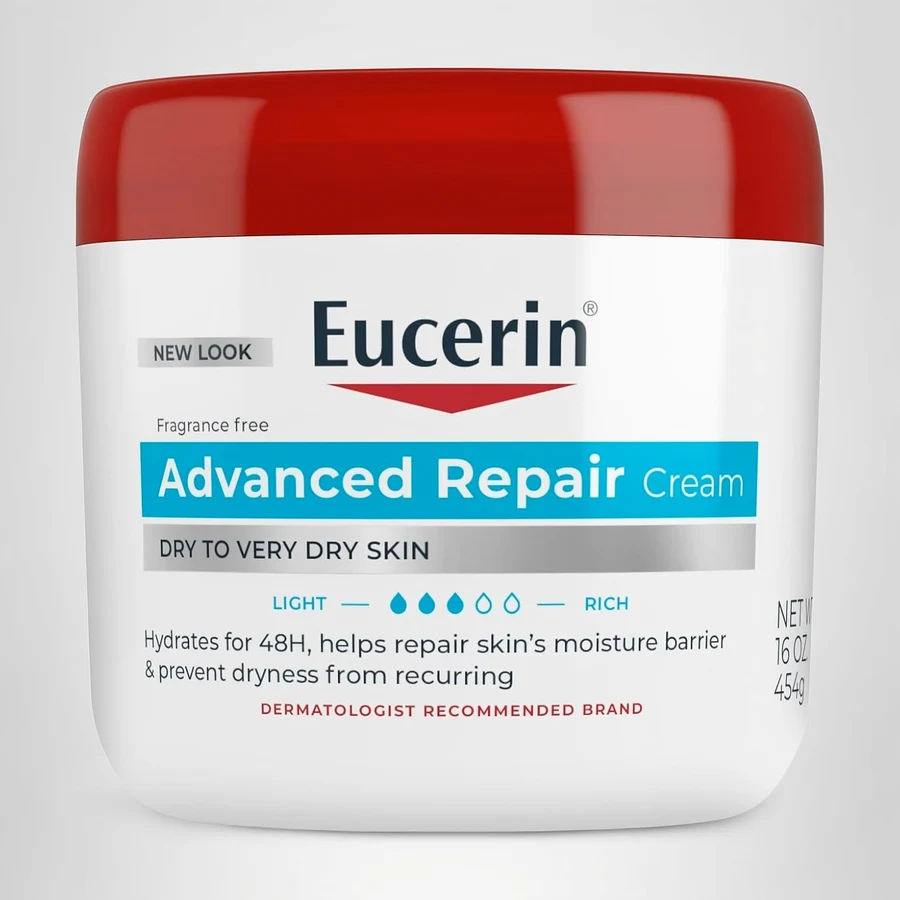
For dry or rough-feeling skin specifically, a rich, barrier-supporting cream can make a noticeable difference over a lighter lotion. Eucerin Advanced Repair Body Cream is a fragrance-free body cream formulated for dry to very dry skin — worth considering if your skin regularly feels tight, rough, or flaky and a lighter lotion isn’t cutting it.
Eucerin Advanced Repair Body Cream
A fragrance-free body cream formulated for dry to very dry skin. Worth considering if your skin regularly feels tight, rough, or flaky and a lighter lotion isn’t enough.
There’s no single answer that works for everyone here. Frequency depends on your skin type, the exfoliation method you’re using, and how your skin actually responds.
A few general guardrails:
Beginners should start conservatively — once a week or even every other week is a reasonable starting point, especially with chemical exfoliants.
Watch for signs of over-exfoliation: redness, stinging, unusual sensitivity, tightness, or skin that suddenly seems more reactive to products you’ve used for a while without issue.
More exfoliation doesn’t automatically mean better results. Past a certain point, extra exfoliation just adds irritation without adding benefit. If your skin looks and feels good, there’s no need to push the frequency higher.
How to Choose Body Care Products
Rather than chasing specific brands, it helps to know what to actually look for in each category.
Body wash — Prioritize gentle cleansing over a big lather. If your skin is dry or sensitive, fragrance-free and moisturizing formulas tend to sit better than heavily scented, high-foaming ones. If you’re dealing with body acne, a wash with an appropriate active ingredient (like salicylic acid) may help, though it isn’t something everyone needs.
Body lotion — A good everyday option for normal to slightly dry skin, since it’s lighter and absorbs quickly without much residue.
Body cream — Thicker and richer than lotion, generally better suited to dry or very dry skin, or for colder months when skin needs more support.
Body oil — Useful as an added layer over lotion or cream for extra dry skin, or as a lightweight finishing step for normal skin.
Ointment-type products — Worth considering for very dry, rough, or cracked areas (like elbows, knees, or heels) that a standard lotion or cream doesn’t fully resolve. These tend to be thicker and more occlusive than a typical body cream.
Body exfoliant — Start gradually rather than reaching for the strongest option first. Chemical exfoliants (like a lactic or glycolic acid wash or lotion) tend to be gentler for regular use than a coarse physical scrub, but a physical scrub isn’t automatically the “harsher” or “better” choice — it depends on the product and how it’s used. Avoid combining multiple strong exfoliating products at the same time, especially early on.
Body sunscreen — Broad-spectrum protection that feels comfortable enough that you’ll actually use it consistently. Beyond SPF, look for a texture and finish (lightweight, matte, tinted, etc.) that suits the areas you’re applying it to and that you won’t be tempted to skip.
The right product is ultimately the one that matches your skin’s needs and that you’ll actually use consistently — not necessarily the most expensive or most talked-about option.
Body Care Ingredients Beginners Should Know
You don’t need to memorize an ingredient glossary, but recognizing a few common ones can help you read labels with more confidence.
Ceramides — Lipids that help support the skin’s natural barrier, often used in moisturizers for dry or compromised skin.
Glycerin — A humectant that draws in moisture, common in both lightweight and heavier moisturizers.
Hyaluronic acid — Another humectant known for holding a large amount of water, often used to add hydration without heaviness.
Urea — Used in higher concentrations in some creams to help soften very dry or rough, thickened skin.
Niacinamide — A versatile ingredient often used to help support the skin barrier and even out the look of skin tone.
Salicylic acid — A beta hydroxy acid commonly used for body acne and clogged pores, since it can get into oily pores effectively.
Lactic acid — An alpha hydroxy acid generally considered gentler, often used for mild exfoliation, especially in sensitive skin formulas.
Glycolic acid — Another alpha hydroxy acid, generally stronger than lactic acid, used for exfoliation and texture concerns.
Ava Fit Care has more in-depth ingredient content — including a dedicated Niacinamide guide — if you want more detail than this quick overview covers.
Common Body Care Mistakes
A lot of the frustration people run into with body care comes down to a handful of repeatable mistakes:
1
Over-exfoliating
, which can leave skin irritated instead of smoother.
2
Using very hot water
in the shower, which strips natural oils over time.
3
Scrubbing too aggressively
, especially with rough loofahs or brushes.
4
Skipping moisturizer
, particularly after showering.
5
Ignoring sunscreen on the body
, not just the face.
6
Using too many active ingredients at once
, which increases the risk of irritation.
7
Changing products too frequently
, which makes it hard to know what’s actually working.
8
Applying strong actives to already-irritated skin
, which usually makes things worse.
9
Expecting instant results
, when most skin changes take consistent time to show.
10
Copying someone else’s exact routine
without considering that their skin needs may be completely different from yours.
Body Care After a Shower
What you do in the few minutes after a shower matters more than people expect. A quick checklist:
Pat skin dry rather than rubbing aggressively with the towel.
Moisturize while skin is still slightly damp, ideally within a couple of minutes of stepping out.
Apply any targeted treatment products at this point if you’re using one.
Apply sunscreen in the morning, after moisturizer, if you’ll have exposed skin outdoors.
Simple Beginner Body Care Routine
Here’s the whole thing condensed into one scannable reference:
Time
Steps
Morning
Cleanse → Moisturize → Sunscreen
Night
Cleanse → Treatment (if needed) → Moisturize
1–2x per week, or as tolerated
Exfoliation, if appropriate for your skin
The exact frequency for exfoliation and treatment steps depends on your skin and the specific product you’re using — always a good idea to check the product’s own instructions as a starting point.
How Long Does It Take to See Results?
Realistically, this varies from person to person, and it’s worth having reasonable expectations going in.
Hydration and softness can feel noticeably different fairly quickly, sometimes within days of consistent moisturizing.
Texture concerns, like rough patches or the look of uneven tone, generally take longer — think weeks of consistent use rather than days.
Consistency matters more than intensity. A simple routine followed regularly will usually outperform an elaborate routine used inconsistently.
Results vary between people, based on skin type, the specific concern, and how consistently the routine is followed. There’s no guaranteed timeline that applies to everyone.
When Should You See a Dermatologist?
A basic body care routine handles a lot of everyday skin maintenance, but it isn’t a substitute for professional care when something more serious is going on. It’s worth checking in with a dermatologist if you notice:
Persistent or painful acne that isn’t improving with basic care.
Painful skin problems, including painful bumps, cysts, or lesions.
Painful cracks or sores that aren’t healing on their own.
Skin concerns that are changing rapidly in size, shape, or appearance.
Severe or recurring irritation that doesn’t calm down after you stop using a product, or that keeps coming back.
Unexplained, persistent rashes that don’t have an obvious cause and aren’t clearing up.
Signs of possible infection, such as increasing redness, warmth, swelling, or pus.
Any concern that isn’t improving despite weeks of consistent, gentle care.
This guide can help you build good everyday habits, but it isn’t a diagnostic tool, and it’s not a replacement for a professional evaluation when something feels off.
Recommended Body Care Products
This guide’s five product recommendations are placed next to the step or concern they’re most relevant to, rather than gathered into one big list: a gentle body wash in the cleansing section, an optional targeted cream in the targeted-treatments section, an everyday moisturizer in the moisturizing section, a richer cream for dry or rough skin in the skin-type section, and a body sunscreen in the sunscreen section. Product choice ultimately depends on your own skin’s needs — none of these are the right choice for everyone, and a basic routine without any of them is a completely reasonable place to start too.
FAQ
A basic body care routine covers four steps: cleansing, moisturizing, sun protection on exposed skin, and occasional exfoliation or targeted treatment when needed. That’s enough to cover most people’s everyday needs.
Cleansing comes first, since it removes dirt, sweat, and buildup so the products you apply afterward — like treatments and moisturizer — can work on clean skin.
It depends on your activity level, the weather, and your skin type, so there isn’t one right answer. Someone who sweats a lot or exercises daily may need to cleanse more often, while someone with dry or sensitive skin may do better cleansing less frequently. More isn’t automatically better — washing more than your skin needs can leave it feeling drier and more irritated.
There’s no single frequency that works for everyone. Most beginners do well starting around once a week or less, then adjusting based on how their skin responds.
For most people, yes. Daily moisturizing, especially right after showering, helps maintain the skin’s moisture barrier and prevents the tight, flaky feeling that comes with dryness.
Neither is universally better — they serve different purposes. Lotion is lighter and absorbs quickly, making it a solid everyday option. Body oil adds extra slip and can be layered over a lotion or cream for additional moisture, particularly for dry skin.
Yes — broad-spectrum sunscreen on exposed skin like arms, legs, shoulders, and chest can help on an ordinary day out, not only when you’re planning extended time outdoors. Apply it before heading out, and reapply during longer outdoor activity, especially after swimming or heavy sweating.
The best starting routine is a simple one: cleanse, moisturize, and use sunscreen on exposed skin daily, and add exfoliation or a targeted treatment only if your skin actually needs it.
Sometimes, but it’s not always ideal. Body skin is generally thicker than facial skin and can often tolerate different formulas, while some face products are formulated specifically for the more delicate skin on your face. Body-specific products are usually a better default.
Focus on a gentle, non-foaming cleanser, a rich moisturizing cream applied while skin is still damp, and minimal exfoliation to start. Avoid hot water and fragrance-heavy products, which can make dryness worse.
If you notice persistent or severe acne, painful or rapidly changing skin issues, significant irritation, unexplained rashes, or signs of infection, it’s worth getting a professional evaluation rather than continuing to self-manage the concern.
Related Body Care Guides
Ava Fit Care’s Body Care cluster is still being built out, and this section will grow as more articles publish. In the meantime: Sunscreen for Beginners covers general sunscreen guidance in more depth, and the Niacinamide guide goes further into one of the ingredients mentioned above.
Conclusion
Body care doesn’t need to be complicated to be effective. Beginners don’t need a dozen products or an elaborate multi-step routine — a simple, consistent approach built around cleansing, moisturizing, sun protection, and occasional exfoliation or targeted treatment will cover the basics well for most people. Start simple, pay attention to how your own skin responds, and build from there based on what your skin actually needs, not what anyone else’s routine looks like.