How to Lose Weight for Beginners: A Simple, Sustainable Guide
September 17, 2026
If you’ve ever typed "how to lose weight for beginners" into a search bar at 11 p.m., not sure where to even start, you’re not alone. Between fad diets, conflicting advice from every corner of the internet, and workout plans that assume you’re already fit, it’s easy to feel like weight loss requires some secret system you haven’t been let in on yet.
It doesn’t.
You don’t need to overhaul your entire life overnight, cut out every food you enjoy, or follow a plan built for someone else’s body and schedule. Sustainable weight loss comes down to a handful of basics — eating a bit less than your body uses, moving more, sleeping enough, and staying consistent long enough for it to add up. This guide walks through those basics in order, so you can start today without guessing.
How should a beginner start losing weight? The simplest starting point is a modest calorie deficit built from a mix of more filling, nutrient-dense meals and more daily movement — not a dramatic diet overhaul. From there, the rest of this guide covers what to adjust first, how fast to expect results, and how to keep the weight off once it’s gone.
If you only read one section, read this one. These are the moves that matter most when you’re just getting going:
1
Get a rough estimate of your calorie needs
Use a TDEE or calorie calculator to see approximately how many calories your body uses in a day — this becomes your baseline.
2
Aim for a modest, sustainable deficit
, not an extreme one. A smaller, steady gap between calories in and calories out is easier to stick with than a drastic cut.
3
Build meals around protein and fiber first
Protein- and fiber-rich foods can help meals feel more satisfying and can make a calorie deficit easier to maintain.
4
Add more movement before adding more workouts
Walking more, taking the stairs, and standing up periodically all count toward your daily calorie burn.
5
Include strength training a couple of times a week
, even if it’s just bodyweight exercises at home.
6
Protect your sleep
Aim for at least seven hours most nights — it supports the energy and consistency that healthy eating and regular activity depend on.
7
Judge progress by trends, not single days
Your weight will bounce around day to day; what matters is the direction it moves over several weeks.
None of these require a gym membership, a meal-delivery subscription, or giving up the foods you actually like. They’re just the foundation everything else in this guide builds on.
How Weight Loss Actually Works
At its core, weight loss comes down to energy balance: if you consistently take in fewer calories than your body uses, you’ll generally lose weight over time. This is often called a calorie deficit. Eat roughly the same as you burn, and your weight tends to stay stable. Eat more than you burn, consistently, and you tend to gain.
That’s the underlying mechanism, but it plays out messier day to day than a simple math equation suggests. Your body isn’t a bathroom scale reading out fat loss in real time — a lot of what moves the number on the scale from one day to the next has nothing to do with fat at all.
Water retention, the sodium and carbohydrate content of your last meal, hormonal cycles, how recently you went to the bathroom, and even how much you exercised the day before can all shift your weight by a pound or more overnight. None of that reflects actual fat gain or loss. This is exactly why obsessing over a single morning weigh-in is a fast way to get discouraged for no real reason — the trend over two to four weeks tells you far more than any individual day.
Step 1 — Understand Your Starting Point
Before changing anything, it helps to get an honest picture of where you’re starting from. That means taking stock of a few things:
Your current eating pattern. Not a strict food log necessarily — just an honest sense of when you eat, what a typical day looks like, and where extra calories tend to sneak in (drinks, snacking, restaurant portions).
Your activity level. Are you mostly sitting during the day, or already fairly active? Do you currently do any structured exercise?
Your realistic goals. "Lose weight" is vague. A goal like "lose weight gradually over the next few months while keeping my energy up" is something you can actually plan around.
Here’s the part that surprises a lot of beginners: you don’t need to change everything on day one. Trying to fix your diet, start a new workout routine, cut out sugar, and overhaul your sleep schedule all in the same week is a common reason people burn out within a month. Picking one or two changes to start with — and building from there — tends to hold up much better over time than an all-at-once transformation. You’ll see that approach reflected in the four-week plan later in this guide.
This is also not an invitation to weigh yourself constantly or track every bite obsessively before you’ve even started. A general sense of your habits is enough to begin; precision can come later if you find it useful.
Step 2 — Create a Reasonable Calorie Deficit
A calorie deficit simply means eating somewhat fewer calories than your body uses in a day. It’s the mechanism behind weight loss, but "somewhat fewer" is doing a lot of work in that sentence — how big a deficit makes sense varies a lot from person to person.
An aggressive deficit (cutting calories drastically) can produce faster short-term results, but it’s also harder to sustain, more likely to leave you fatigued or irritable, and more likely to trigger the kind of rebound overeating that erases progress. A moderate, steady deficit is generally easier to stick with — and sticking with it is what actually produces results over months, not days.
Your calorie needs also aren’t the same as anyone else’s. Age, sex, height, current weight, muscle mass, and activity level all factor in, which is why a one-size-fits-all daily calorie number you see quoted online (like "eat 1,200 calories") isn’t a useful starting point for most people. A more individualized estimate starts with your TDEE — total daily energy expenditure — which is roughly the number of calories your body burns in a day accounting for your basic metabolism plus your activity.
The Calorie Calculator can give you a starting estimate of your daily calorie needs, and the TDEE Calculator can help you factor in your activity level specifically. Treat the result as a reasonable starting point to adjust from — not a fixed number carved in stone. If your weight trend over a few weeks isn’t moving the way you expected, that’s useful information to adjust with, not a sign you did the math wrong.
Step 3 — Build Meals That Keep You Satisfied
The food side of weight loss trips people up more than anything else, usually because it gets framed as a list of foods to avoid. A more useful frame: build meals that keep you full, so a moderate calorie deficit doesn’t feel like a constant fight against hunger.
A few things consistently help with that:
Protein. Protein tends to be more filling per calorie than carbohydrates or fat, and it helps protect the muscle you have while you’re losing weight. Eggs, poultry, fish, Greek yogurt, cottage cheese, tofu, beans, and lentils are all accessible options at most U.S. grocery stores.
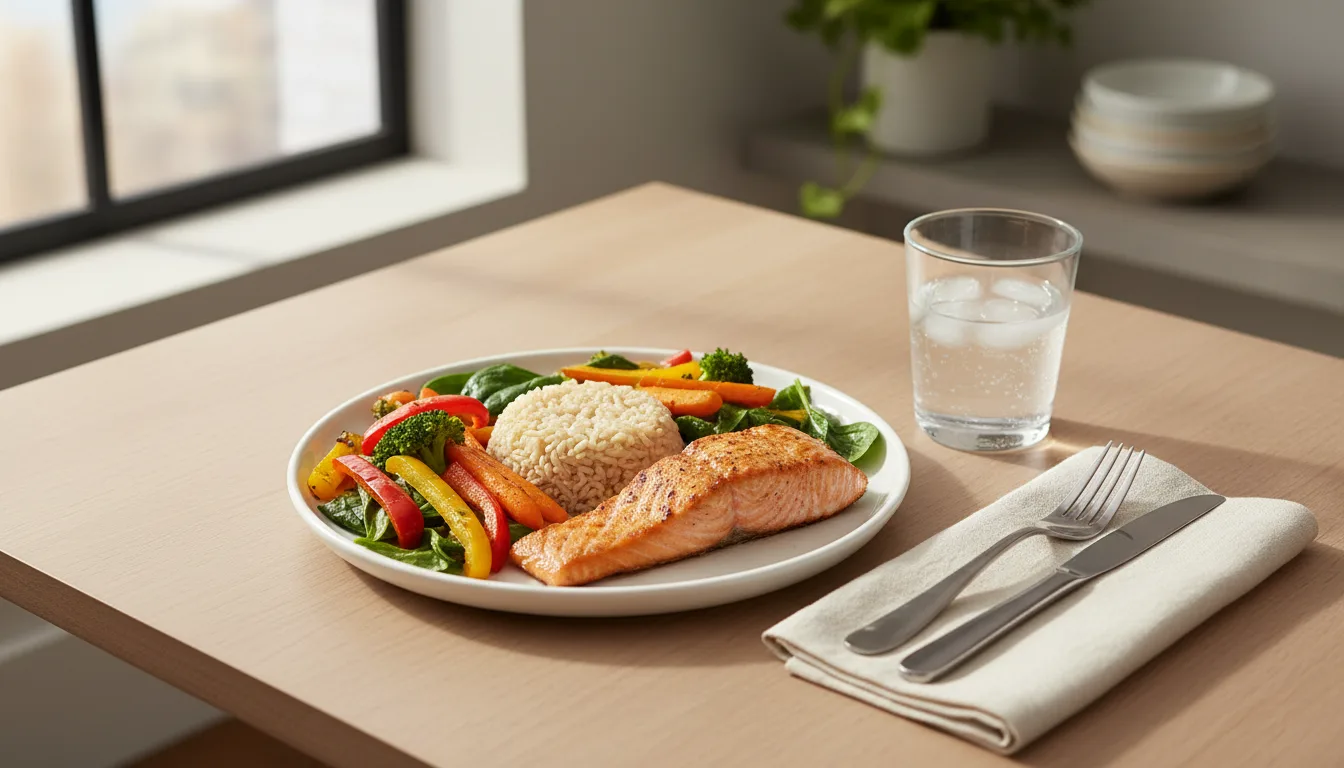
Fiber-rich foods. Vegetables, fruits, beans, and whole grains add volume and fiber to meals, which helps with fullness without piling on calories. A plate that’s largely vegetables with a protein source and a modest portion of grains or starch is a solid everyday template.
Fruits and vegetables. Beyond fiber, they add volume, water content, and nutrients that are easy to under-eat otherwise.
Whole grains over heavily refined ones, most of the time — think brown rice, oats, or whole-wheat bread instead of their more processed counterparts, simply because they tend to be more filling and nutrient-dense.
Healthy fats in reasonable amounts — olive oil, nuts, seeds, avocado — since fat is calorie-dense and easy to overdo, even though it’s a normal and necessary part of eating.
Portion awareness, especially with calorie-dense foods and restaurant meals, which in the U.S. are often sized for two or three servings.
Hydration. Water is a calorie-free way to stay hydrated, and it can replace higher-calorie beverages like soda, juice, or sweetened coffee drinks when that fits naturally into your routine.
None of this means labeling foods "good" or "bad," and it doesn’t mean giving up pizza, dessert, or your favorite takeout order. Favorite foods can fit into an overall pattern that’s still mostly built around protein, fiber, and reasonable portions — it’s the pattern over weeks that matters, not any single meal.
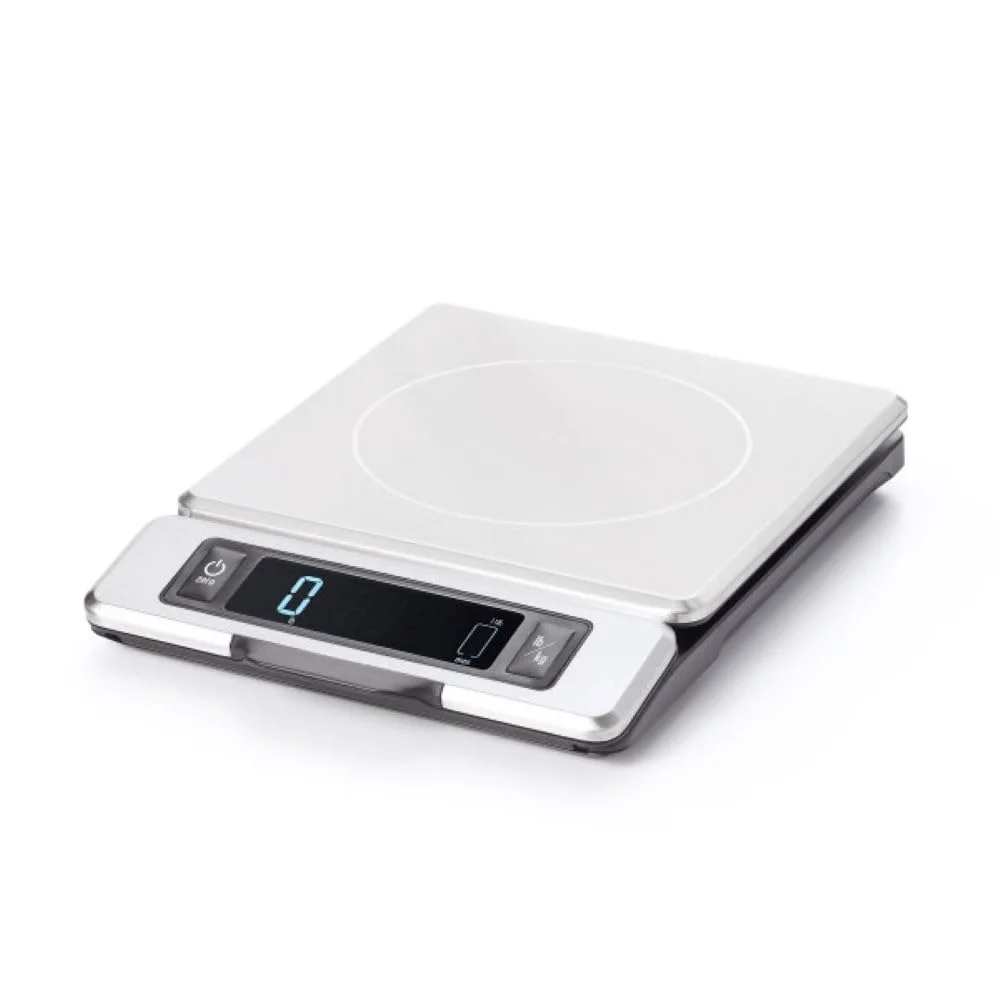
If portion sizes are hard to judge by eye at first, a kitchen scale can help — it’s a learning tool, not a requirement. Weighing a few common foods a handful of times is usually enough to build a working sense of what a typical portion actually looks like, especially for calorie-dense ingredients like oils, nut butters, cheese, or pasta. It isn’t something you need for successful weight loss, and it’s not meant for weighing every bite of every meal indefinitely.
Disclosure: This article contains affiliate links. If you make a purchase through these links, AvaFitCare may earn a commission at no additional cost to you.
Optional Gear
OXO Good Grips 11-Pound Stainless Steel Food Scale with Pull-Out Display
Useful for learning what standard portions of calorie-dense foods actually weigh, without needing to track every meal long-term.
The Nutrition Hub has more on building balanced meals, and the Protein Calculator can help you estimate a daily protein target based on your body weight and goals.
Step 4 — Start Moving More
A lot of beginners assume weight loss requires punishing workouts from day one. It doesn’t — and starting there is actually a common reason people quit early. The exercise side of weight loss can start much simpler than that.
Walking is one of the most underrated tools available. It’s low-impact, requires no equipment, and adds up fast — a daily walk, even a short one, increases the total calories you burn without adding the kind of fatigue that eats into your motivation for everything else. Building a simple, consistent walking habit is one of the easiest ways to get started.
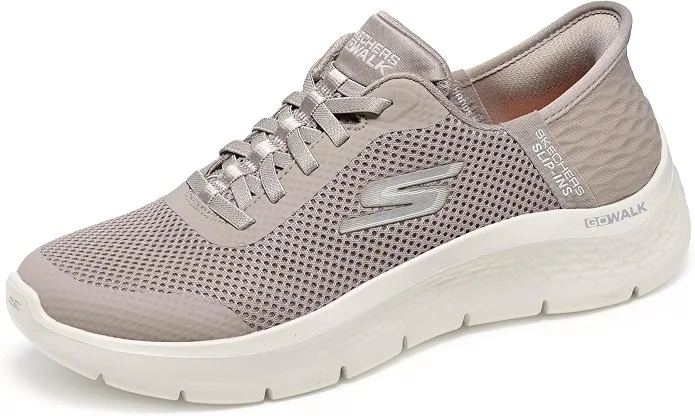
If walking is going to be a regular part of your routine, comfortable, supportive footwear makes it easier to stick with — that’s really the extent of it; the shoes themselves aren’t doing the work.
Optional Gear
Skechers GO WALK Series Walking Shoes
A comfortable, supportive option if you’re making walking a regular habit — nice to have, not a requirement to get started.
Beyond structured exercise, everyday movement matters more than people give it credit for — taking the stairs, parking farther away, standing up periodically if you work at a desk, doing chores at a brisker pace. This kind of incidental activity is sometimes called NEAT (non-exercise activity thermogenesis), and it can make a real difference in your total daily calorie burn.
From there, beginner cardio — brisk walking, cycling, swimming, an exercise bike, a dance class, whatever you’ll actually do consistently — can be layered in gradually. The best form of cardio for a beginner is the one you’ll actually keep doing, not necessarily the one that burns the most calories in a single session.
For reference, the CDC’s Physical Activity Guidelines for Adults recommend working toward at least 150 minutes of moderate-intensity aerobic activity per week, plus muscle-strengthening activity on at least two days per week. That’s a target to build toward over time, not a bar you need to clear before exercise starts helping — some physical activity is better than none, and beginners can work up to these numbers gradually over weeks or months rather than trying to hit them in week one.
The goal in the first few weeks isn’t intensity. It’s building the habit of moving more consistently, then increasing the challenge once that habit is solid.
Step 5 — Include Strength Training
It’s easy to assume strength training is only for people trying to build muscle, not lose weight — but it plays an important supporting role here too.
When you’re in a calorie deficit, your body can lose muscle along with fat if you’re not doing anything to preserve it. Resistance training gives your body a reason to hold onto that muscle. That matters for more than aesthetics: preserving muscle during weight loss can help protect your strength and physical function, not just how the scale reads.
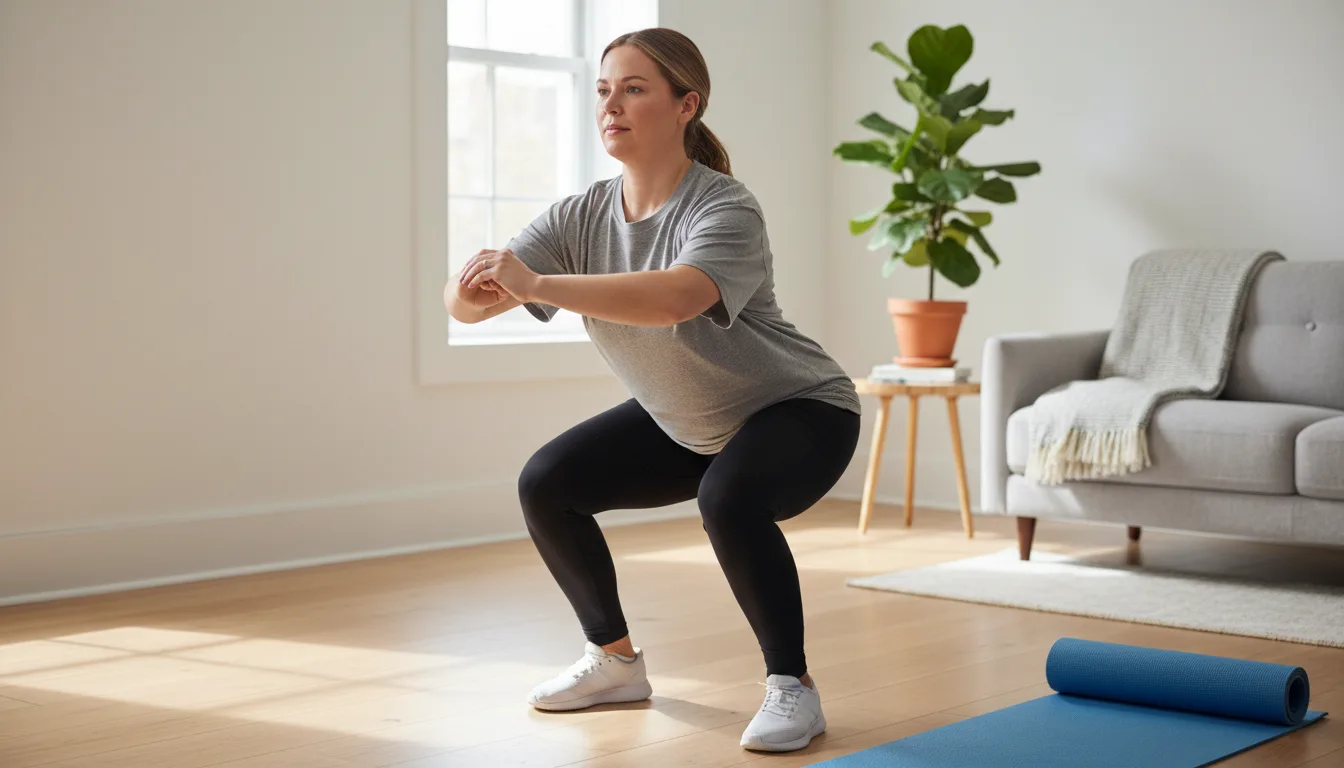
You don’t need a gym membership or complicated programming to start. Bodyweight exercises — squats, push-ups, lunges, planks — done consistently two or three times a week are a completely legitimate starting point. Resistance bands or a pair of dumbbells at home work too. The goal early on is building the habit and learning the movements, not lifting heavy weight right away.
Optional Gear
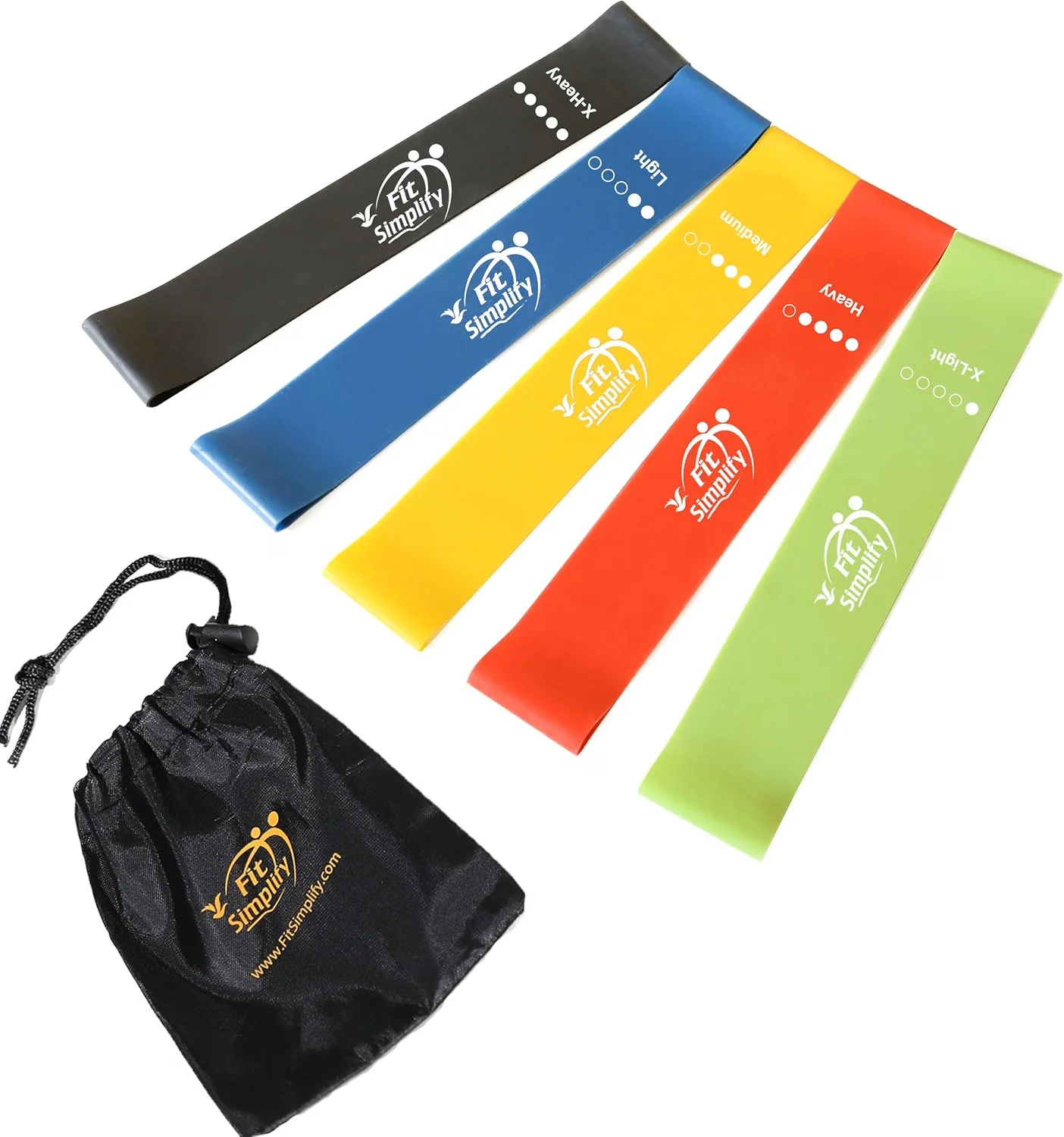
Fit Simplify Resistance Loop Exercise Bands, Set of 5
A compact, beginner-friendly way to add resistance to bodyweight moves at home if you don’t have dumbbells or a gym nearby.
One thing worth being upfront about: no exercise, strength training included, "targets" fat loss in one specific area. You can’t out-train your way to burning fat from your stomach specifically by doing ab exercises. Strength training and a calorie deficit work together to change your overall body composition over time — not one particular body part on command.
The Workouts Hub has beginner-friendly workout options to help you structure a simple, consistent routine.
Step 6 — Don’t Ignore Sleep and Recovery
Sleep doesn’t get nearly the attention that diet and exercise do in most weight-loss advice, which is a mistake — it affects both of the others.
Getting enough sleep supports overall health and can make it easier to maintain the energy and consistency needed for healthy eating and regular activity. Recovery matters for exercise, too: your body rebuilds and adapts during rest, not just during the workout itself.
The CDC recommends most adults get seven or more hours of sleep per night, and links adequate sleep to maintaining a healthy weight and supporting metabolism. You don’t need a complicated sleep-optimization routine to benefit — a consistent bedtime, a wind-down period without screens, and treating sleep as a real part of your routine (not something to cut for a longer workout or a later Netflix episode) goes a long way.
Step 7 — Track Progress the Right Way
The scale is one tool for tracking progress — but it’s not the only one, and leaning on it exclusively is a common reason people get discouraged early.
A few ways to evaluate how things are going, beyond a single number:
Body-weight trends over two to four weeks, rather than any individual weigh-in. Weekly averages smooth out the normal day-to-day noise.
Waist measurements, if you’re comfortable taking them — they can reflect changes that the scale doesn’t always capture clearly.
Workout performance. Are you able to do more reps, walk farther, or recover faster than a few weeks ago?
Energy levels throughout the day.
How your clothes fit.
Habit consistency — are you actually sticking with the changes you set out to make, regardless of what the scale says this week?
The BMI Calculator and Body Fat Calculator can give you additional reference points. It’s worth being clear about what these tools actually are: estimates based on general formulas, not diagnostic measurements of your individual health. They’re most useful as one data point among several, not a verdict.
Looking at trends over weeks, rather than reacting emotionally to any single data point, is what actually reflects progress. A higher number on the scale two days after a salty restaurant meal doesn’t mean the past month of consistent effort didn’t work.
How Fast Should a Beginner Expect to Lose Weight?
The CDC identifies about 1 to 2 pounds per week as a reasonable, sustainable pace for weight loss, and notes that people who lose weight gradually at this rate tend to be more successful at keeping it off long-term compared with faster approaches.
That said, this is a general guideline, not a personal guarantee — actual results vary based on your starting body size, how large your calorie deficit is, your activity level, how consistently you stick with your plan, medications you may be taking, and individual biological differences. Someone starting at a higher body weight will often see a faster initial rate of loss than someone closer to their goal weight, and that’s completely normal.
It’s also worth repeating: even a modest amount of weight loss — the CDC specifically points to around 5% of body weight — has been associated with meaningful improvements in blood pressure, cholesterol, and blood sugar levels. Progress doesn’t have to be dramatic to matter.
Common Weight Loss Mistakes Beginners Make
A few patterns show up again and again with people just getting started — not because anyone’s doing something wrong on purpose, but because a lot of common advice sets people up for these missteps:
Trying to change everything at once. New diet, new workout plan, cutting out sugar, and an earlier bedtime, all starting the same Monday, is a lot to sustain simultaneously.
Choosing an unsustainably restrictive diet. Extremely low-calorie plans tend to work for a few weeks and then fall apart, often followed by a rebound in the other direction.
Ignoring liquid calories. Sodas, sweetened coffee drinks, juice, and alcohol add up fast and are easy to forget about when thinking through your day’s calories.
Relying only on exercise, without adjusting eating habits. It’s genuinely difficult to out-exercise a calorie surplus — food matters at least as much as movement.
Expecting the scale to move in a perfectly straight line. It won’t, for the water-and-sodium reasons covered earlier — and that’s normal, not a sign of failure.
Giving up after a temporary plateau. Weight loss often happens in a stair-step pattern rather than a smooth decline. A couple of flat weeks doesn’t mean your approach stopped working.
Sleeping too little. As covered above, inadequate sleep can make it harder to maintain the energy and consistency that healthy eating and regular activity depend on.
Comparing your progress to social-media transformations. Those posts rarely show the full timeline, effort, or context behind the results, and comparing your week 2 to someone else’s month 12 isn’t a fair measure of anything.
Treating one higher-calorie meal as a failure. One meal, or even one day, doesn’t undo weeks of consistent habits. The all-or-nothing response — "I already messed up today, might as well keep going" — does far more damage than the meal itself.
A Simple Beginner Weight Loss Plan
You don’t need to implement every step in this guide at once. Here’s a reasonable way to phase things in over the first month:
Week 1: Get oriented. Spend the week getting an honest sense of your current eating and activity patterns, without trying to change much yet. Add basic movement — a daily walk is a good place to start.
Week 2: Improve meal structure. Start building meals around protein and fiber-rich foods, and pay attention to portion sizes, especially for calorie-dense foods and restaurant meals. Use the Calorie Calculator to get a rough sense of your daily target.
Week 3: Add resistance training. Introduce two or three bodyweight or light resistance-training sessions, alongside the movement and eating habits from the previous two weeks.
Week 4: Review and adjust. Look at your weight trend over the past few weeks rather than any single day, check in on your energy and workout performance, and make small adjustments — not a complete overhaul — based on what you’re seeing.
This isn’t a "lose X pounds in 30 days" challenge. It’s a structure for building habits that can keep going well past the first month, which is what actually determines whether the weight stays off.
What If You’re Doing Everything Right but Not Losing Weight?
It happens, and it’s worth troubleshooting calmly rather than assuming something is fundamentally broken. A few common explanations:
Normal fluctuations. A flat week or two, especially early on, is often just noise — see the earlier section on why the scale moves for reasons that have nothing to do with fat.
Underestimated portions or calories. It’s very easy to eat somewhat more than you think, especially with cooking oil, dressings, drinks, and restaurant meals — small amounts add up faster than expected.
Reduced activity without realizing it. If your daily movement has quietly dropped (a more sedentary week at work, less walking than usual), your overall calorie burn drops with it.
Inconsistent adherence. Everyone has off days — the question is whether the overall pattern across the week is still on track.
A genuine plateau. As you lose weight, your calorie needs typically decrease somewhat, since a lighter body generally burns somewhat fewer calories. What worked at the start may need a modest adjustment later on.
Individual factors, including certain medications and underlying health conditions, that can affect weight regardless of habits.
Each of these is worth working through individually before assuming something bigger is going on. If your weight isn’t changing the way you’d expect despite a genuinely consistent effort over several weeks — or if it’s changing in ways you can’t explain — that’s a reasonable thing to bring up with a healthcare professional rather than something to keep troubleshooting solo indefinitely.
How to Make Weight Loss Sustainable
The habits that get weight off and the habits that keep it off are largely the same ones — which is good news, because it means there isn’t a separate, harder phase waiting for you after you reach a goal.
A few things that make the difference long-term:
Building habits instead of chasing perfection. A routine you can actually maintain beats a "perfect" plan you abandon after three weeks.
Keeping eating flexible. Rigid rules tend to break under real-life circumstances — travel, holidays, a busy week. A flexible approach bends without snapping.
Choosing exercise you don’t dread. Realistic, sustainable activity beats an intense routine you resent and eventually quit.
Prioritizing consistency over streaks. Missing a day doesn’t erase the value of the other six.
Expecting setbacks and having a plan to recover from them, rather than treating any single setback as proof the whole approach failed.
Avoiding all-or-nothing thinking. A setback can make it harder to return to your routine when it turns into an all-or-nothing response. Treat an off day as one day, then return to your usual habits at the next opportunity.
Eventually shifting toward maintenance, where the goal changes from losing weight to keeping your results steady — a distinct phase with its own approach that’s worth planning for once you get there.
Frequently Asked Questions
Start with a modest, sustainable calorie deficit built around protein- and fiber-rich meals, plus more daily movement. Add strength training and prioritize sleep as you go. Avoid trying to overhaul every habit in the first week.
Not necessarily. Some people find tracking calories helpful, at least at first, for building awareness of portion sizes and where extra calories come from. Others do fine focusing on food quality, protein, fiber, and portion awareness without formal tracking. Either approach can work — pick whichever you’ll actually stick with.
Yes. Walking increases your total daily calorie burn, requires no equipment, and is easy to do consistently, which makes it one of the most practical forms of exercise for beginners specifically.
No. Walking, bodyweight strength training, and everyday movement can all support weight loss without any equipment or membership. A gym can be a helpful option later on, but it isn’t a requirement to get started.
Both play a role, and they do different jobs. Cardio tends to burn more calories per session; strength training can help preserve muscle while you’re in a calorie deficit and supports overall strength and physical function. A combination of the two generally works better than relying on just one.
Day-to-day changes are mostly water weight — influenced by sodium intake, carbohydrate intake, hormonal cycles, and hydration — not fat gain or loss. Looking at your weight trend over two to four weeks gives a far more accurate picture than any single day.
Generally, yes. Favorite foods can fit into an overall eating pattern that’s mostly built around protein, fiber, and reasonable portions. Labeling foods as strictly off-limits tends to backfire for a lot of people over the long run.
If you have a relevant medical condition, take medications that affect appetite or body weight, are pregnant or breastfeeding, are under 18, have a history of disordered eating, or your weight isn’t changing in ways that make sense despite consistent effort, it’s worth getting individualized guidance before making significant changes.
Bottom Line
That’s really the whole picture of how to lose weight for beginners: a moderate calorie deficit, meals built around protein and fiber, more daily movement, some strength training, enough sleep, and tracking trends instead of single data points. None of it requires perfection, and none of it requires changing your entire life in one week.
The most useful next step from here is understanding calorie deficits in more depth — how big a deficit makes sense for you, and how to adjust it as you go. Getting familiar with how calorie deficits work is a natural next step once you’ve got the basics in this guide underway.
This article is for general educational purposes and isn’t a substitute for individualized medical advice. If you’re pregnant or breastfeeding, are under 18, have a history of disordered eating, have a medical condition, or take medications that affect appetite or body weight, talk with a qualified healthcare professional before starting a weight-loss plan.
Get New Guides in Your Inbox
No spam, no filler — just new articles as we publish them.