Hair Care Routine for Oily Hair: A Simple AM & PM Guide
September 12, 2026
Your hair looks clean right after you wash it, and then a day — or even just a few hours — later, your roots look flat and greasy again. If that sounds familiar, you’re not doing anything wrong, and your scalp isn’t broken. A hair care routine for oily hair isn’t about stripping away every trace of natural oil. It’s about keeping your scalp clean and comfortable while avoiding the habits that make buildup and greasiness worse.
This guide walks through exactly what to do differently if your scalp gets oily quickly — from shampoo technique and washing frequency to dry shampoo, clarifying shampoo, and what to do when your roots are oily but your ends are dry.
Quick Answer: What Is the Best Hair Care Routine for Oily Hair?
The most effective routine for oily hair focuses on the scalp, not the whole head. Shampoo the scalp thoroughly rather than scrubbing the lengths, and adjust how often you wash based on how quickly your scalp actually gets oily — not a fixed schedule. Keep conditioner mainly on the mid-lengths and ends, avoid heavy styling products near the roots, and manage product buildup with an occasional clarifying shampoo if needed. Wash after heavy sweating when it makes sense for your scalp. Avoid aggressive scrubbing or harsh, over-stripping cleansers, since they can irritate the scalp without solving the underlying oiliness.
What Causes an Oily Scalp?
Oily hair comes from sebum, an oil naturally produced by glands in the scalp. Some oil production is completely normal and even useful — it helps keep hair from becoming brittle. Several things influence how much your scalp produces or how visible that oil becomes:
Genetics. Some people simply produce more sebum than others, regardless of routine.
Hormones. Hormonal changes can sometimes influence oil production, although the effect varies from person to person.
Hair texture. Sebum travels more easily along straight, fine strands than it does along curly or coily hair, so fine straight hair often looks oily faster.
Product buildup. Heavy styling products, leave-ins, or dry shampoo layered without regular washing can sit on the scalp and mimic or worsen the appearance of oiliness.
Sweat and activity. Exercise and heat both increase how much your scalp perspires and can make hair feel oilier sooner.
Environmental factors. Humidity and climate can affect how oily your scalp feels day to day.
Overuse of heavy products. Rich oils, creams, or waxes applied near the roots can make hair look greasy even when actual oil production is normal.
It’s worth separating normal scalp oil production — which varies a lot from person to person and is not a problem to fix — from an unusually oily, irritated, or uncomfortable scalp, which is worth paying closer attention to. This article focuses on the former; later sections cover when the latter is worth a professional opinion.
Oily Scalp vs. Oily Hair: What’s the Difference?
This distinction matters more than most oily-hair advice acknowledges. Oil is produced at the scalp, not along the hair shaft, which means:
Roots can look and feel oily while the mid-lengths and ends stay normal, or even dry.
Curly and coily hair often has a genuinely oily scalp underneath, even though the lengths tend to be dry — the tight curl pattern slows down how far sebum travels from the root.
Fine, straight hair tends to show oil at the roots faster, since sebum has a much easier, more direct path down a smooth, straight strand.
Thicker or coarser hair can mask an oily scalp for longer simply because there’s more hair between the scalp and where you can see or feel it.
Understanding this changes how you should be building your routine: cleansing decisions should be based on your scalp, and conditioning decisions should be based on your lengths — they’re not the same problem, even though they happen on the same head.
Signs Your Hair or Scalp May Be Too Oily
These are practical, cosmetic signs — not medical ones:
Roots that look greasy within a day (or less) of washing
Hair that clumps together at the roots rather than falling naturally
Flattened or limp-looking roots, even with volumizing products
Feeling like you “have to” wash more often than you’d like just to look presentable
Noticeable product buildup along the scalp
A scalp that feels oily, coated, or heavy to the touch
If you’re mainly noticing these signs without any discomfort, itching, or irritation, you’re likely dealing with ordinary oiliness rather than a scalp condition — the routine below is built for exactly that.
The Best Hair Care Routine for Oily Hair
01
Shampoo the Scalp, Not the Lengths
This is the single most important habit for managing oily hair. Shampoo should be worked into the scalp and root area with your fingertips, not scrubbed down the length of your hair. The American Academy of Dermatology specifically recommends applying shampoo to the scalp rather than the entire length of hair, letting the lather rinse through the lengths naturally as you wash it out (American Academy of Dermatology). This cleans away the oil, sweat, and dead skin where they actually accumulate, while avoiding unnecessary stripping of the lengths.
Aggressive scrubbing isn’t necessary and can irritate the scalp without improving how quickly it produces oil. A thorough, gentle massage with your fingertips — not your nails — is enough to work the shampoo through the roots.
02
Choose the Right Shampoo
Rather than chasing the “strongest” or most aggressive-sounding formula, look for a shampoo that cleanses effectively without leaving your scalp feeling raw or unusually tight. A few practical points:
Lightweight, oil-balancing formulas are often described for oily hair or oily scalp specifically, but the label matters less than how your scalp actually feels afterward.
“Stronger” doesn’t mean better. A harsher shampoo can strip oil temporarily but may irritate the scalp or trigger a rebound of oil production in some people, so it’s not automatically the more effective long-term choice.
Sulfate-free doesn’t automatically mean gentler or better for oily hair, and sulfates aren’t automatically harmful — how your specific scalp responds to a formula matters far more than any single ingredient on the label.
If a shampoo consistently leaves your scalp feeling stripped, tight, or itchy, that’s a sign to try a gentler formula rather than a stronger one.
Affiliate Disclosure: Some links on this page are affiliate links, which means Ava Fit Care may earn a commission if you make a purchase through them, at no additional cost to you. Our recommendations are based on usefulness and fit for the topic.
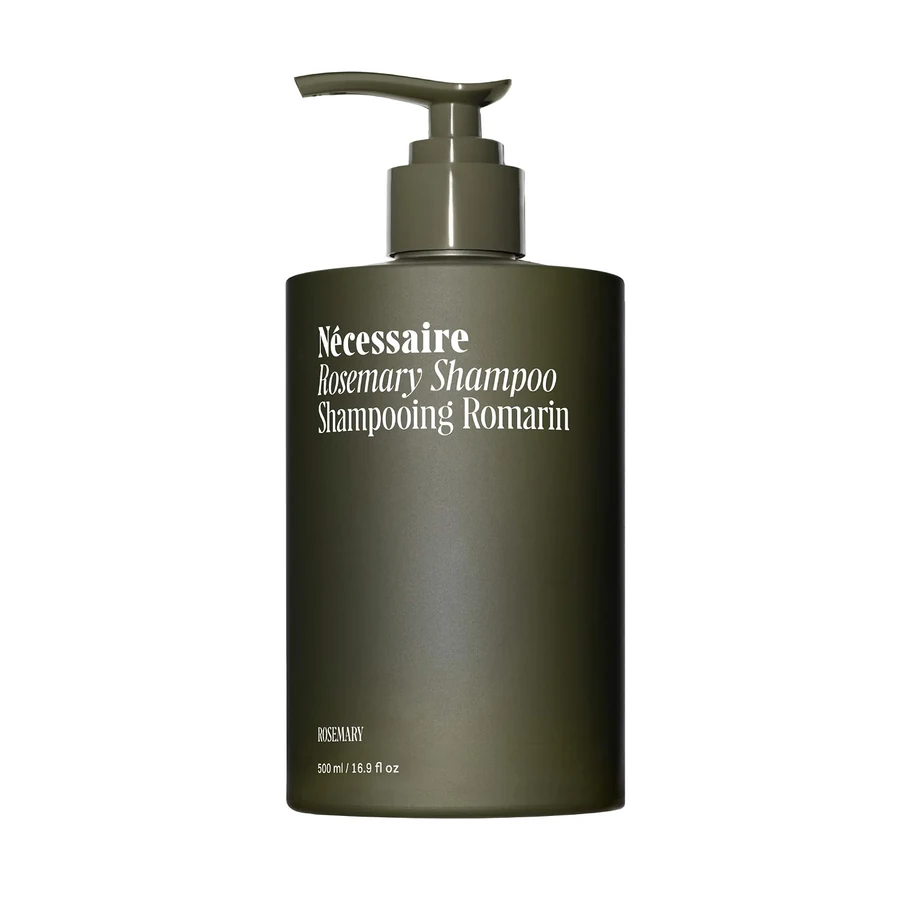
Rosemary Shampoo
For readers looking for a shampoo option to use as part of their regular cleansing routine, this is one example some people use — it’s not a required product, and it isn’t a fix for oily hair on its own.
An oily scalp is not a reason to skip conditioner. Skipping it can leave the mid-lengths and ends dry, brittle, and more prone to damage — a combination that’s common and easy to fix once you know it’s happening. Apply conditioner mainly to the mid-lengths and ends, keeping it away from the scalp itself.
Fine hair may do better with a lighter conditioner formula to avoid weighing down the roots, while thicker or coarser hair can often tolerate a richer conditioner on the lengths without it affecting how oily the scalp looks.
04
Use Lightweight Leave-In Products Carefully
Leave-in conditioners and styling products are optional for oily hair, and if your scalp gets oily quickly, it’s worth being selective about them. If you do use one:
Use a small amount — less than you’d expect
Apply it mainly to the mid-lengths and ends, not near the roots
Avoid rich, heavy formulas close to the scalp, since they can make roots look greasy faster
A leave-in applied only where hair actually needs it (the ends) won’t undo the benefit of a scalp-focused wash.
05
Handle the Scalp Gently
It’s tempting to scrub harder when hair feels oily, but aggressive scrubbing isn’t necessary and doesn’t meaningfully change how much oil your scalp produces. A gentle fingertip massage during shampooing is enough to clean the scalp thoroughly. Reserve scalp scrubs or exfoliating treatments for occasional buildup management rather than making them part of every wash — used too often, they can irritate the scalp rather than help it.
Morning Routine for Oily Hair
A simple AM routine for oily hair:
1
Check whether your scalp actually needs washing today
— don’t assume yesterday’s wash is no longer “working.”
2
If your roots look oily, wash rather than layering more product on top
Piling dry shampoo or styling product over oily roots tends to look worse by midday, not better.
3
Keep styling products away from the roots
when possible, applying them to the mid-lengths and ends instead.
4
Use lightweight products only
, especially near the scalp.
5
Avoid touching your hair repeatedly
throughout the day — the oil from your hands can transfer to your roots and make them look greasier faster.
6
Use a heat protectant if you’re using hot tools
, just as you would with any hair type.
Not everyone needs every step daily — someone with a naturally oily scalp might follow all six most days, while someone with milder oiliness might only need steps 3 through 6 on non-wash days.
Night Routine for Oily Hair
An evening routine for oily hair is less about active treatment and more about not making the next day worse:
Remove heavy styling products before bed if you used them, rather than letting them sit on the scalp overnight.
Avoid layering more product at night just to “fix” oily-looking hair — a morning wash is usually a better solution than more product.
Keep pillowcases reasonably clean, since a pillowcase can pick up oil and product residue over time, even though it doesn’t directly cause an oily scalp on its own.
Tie hair loosely if you sleep with it up, rather than in a tight style that concentrates oil and pressure at the roots.
Decide ahead of time whether tomorrow is a wash day, so you’re not scrambling with product in the morning.
How Often Should You Wash Oily Hair?
There’s no single number of washes per week that applies to everyone with oily hair. Frequency genuinely depends on:
How much oil your scalp naturally produces
Your hair’s texture (fine, straight hair often needs more frequent washing than coarser or curlier hair)
Activity level and sweating
Product buildup
Environmental conditions
Your personal comfort with how your hair looks and feels
Any underlying scalp conditions
Someone with a genuinely oily scalp may reasonably need to wash daily or every other day, while someone with a drier scalp and only mildly oily roots might do fine washing two or three times a week. If your scalp is producing a meaningful amount of oil, washing less often simply because you’ve heard that frequent shampooing is “bad for hair” can backfire — it leaves excess oil, sweat, and product sitting on the scalp longer than it’s comfortable there. There isn’t strong evidence that washing more often permanently increases how much oil your scalp produces; if daily washing keeps your scalp comfortable, it’s a reasonable habit rather than something to avoid out of caution.
What If Your Roots Are Oily but Your Ends Are Dry?
This combination is extremely common, especially with longer hair, curly or coily textures, and color-treated hair. The scalp keeps producing oil at its usual rate, but that oil simply doesn’t reach the ends — especially if the hair is curly, long, or processed.
A practical routine for this combination:
Shampoo the scalp as often as it needs, based on the oiliness there specifically.
Condition the lengths generously, since the ends are functioning like dry hair regardless of what’s happening at the roots.
Use a lightweight leave-in on the ends only, if they need extra moisture between washes.
Avoid applying rich oils or butters to the roots — save heavier products for the ends, where the dryness actually is.
Choose products based on where the problem is, rather than picking one product marketed for “oily hair” or “dry hair” and applying it everywhere.
This is less about finding one perfect product and more about treating the scalp and the lengths as two different areas with two different needs.
Oily Hair by Hair Type
Oily Straight Hair
Straight hair gives sebum the most direct path from root to tip, so oiliness often shows up fastest here and can make roots look flat within a day. Frequent, scalp-focused washing and very lightweight products on the lengths tend to work best.
Oily Wavy Hair
Wavy hair needs a bit more balance — washing frequently enough to manage root oil, without stripping the definition further down the length. A gentle, scalp-focused shampoo combined with a lightweight conditioner on the ends usually keeps both under control.
Oily Curly Hair
Curly hair often has an oily scalp paired with dry-feeling lengths, since the curl pattern slows sebum’s path down the strand. Rather than washing as often as straight hair might need, focus on thoroughly cleansing the scalp when you do wash, and keep conditioner and moisture focused on the lengths.
Oily Coily Hair
Coily hair usually needs less frequent washing overall, even with an oily scalp, since aggressive or frequent shampooing can be especially drying for this texture. When you do wash, concentrate on working the shampoo into the scalp itself, and keep moisturizing products focused on the lengths rather than assuming the whole head needs oil control.
Oily Fine Hair
Fine hair shows oil especially quickly because there’s less hair mass to absorb it, and heavy products make the problem more visible by weighing hair down further. Lightweight, oil-balancing shampoos and minimal product near the roots make the biggest difference here.
Oily Thick Hair
Thick hair can actually make it harder to cleanse the scalp evenly, since there’s more hair in the way of water and shampoo reaching the roots. Taking extra time to part hair into sections while shampooing helps make sure the scalp gets properly cleansed rather than just the surface layer of hair.
Dry Shampoo: Does It Help Oily Hair?
Dry shampoo can be a useful tool between washes, but it’s worth understanding what it actually does. Dry shampoo doesn’t clean hair — it contains fine powders that absorb oil at the scalp, temporarily making hair look and feel less greasy (American Academy of Dermatology). It’s genuinely useful for stretching time between washes or refreshing your roots on a busy day, but it isn’t a substitute for regular cleansing.
Dermatologists generally suggest that after relying on dry shampoo for a day or two, wash your scalp with regular shampoo when practical to remove accumulated product, oil, and debris, rather than layering it indefinitely. Repeated layering without washing can contribute to buildup on the scalp, which may cause irritation or an unpleasant odor over time. Used occasionally and washed out regularly, dry shampoo is a reasonable part of an oily-hair routine — it’s the layering-without-washing pattern that causes problems.
K18 AirWash Dry Shampoo
A dry shampoo option some people use to refresh oily-looking roots between washes — it’s meant as an occasional touch-up, not a replacement for washing the scalp with regular shampoo.
Buildup happens when styling products, dry shampoo, hard water minerals, or natural oils accumulate on the scalp and hair faster than your regular shampoo removes them. Signs of buildup include hair that feels coated or waxy even right after washing, reduced shine, and a scalp that feels different from its usual texture.
A clarifying shampoo is designed for deeper, more thorough cleansing than a daily formula, and it can be useful for removing this kind of buildup. It isn’t meant to replace your regular shampoo for every wash — because clarifying formulas tend to be more stripping, using one too frequently can leave both the scalp and hair overly dry. How often you might reasonably use one depends on how much product you use, your water hardness, your hair type, and how noticeable the buildup actually is — there’s no single universal schedule that fits everyone.
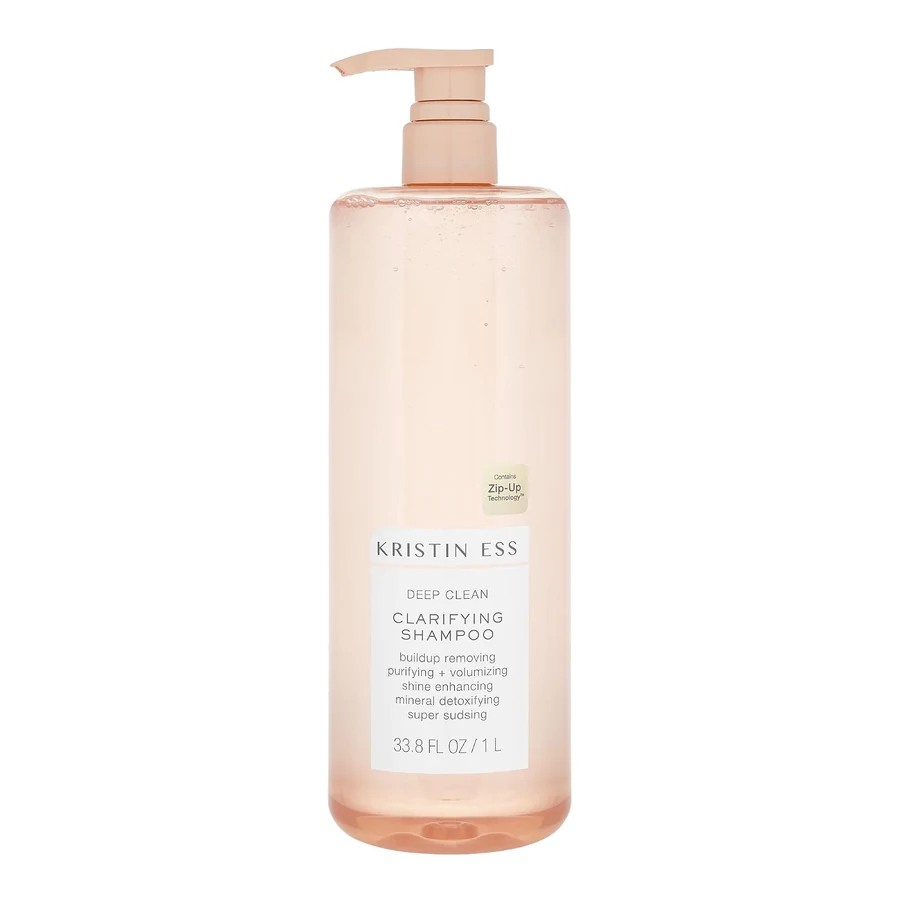
Kristin Ess Clarifying Shampoo
One example of a clarifying shampoo some people use occasionally to help manage buildup — how often a clarifying formula makes sense depends on your hair, scalp, and styling-product habits, not a fixed schedule.
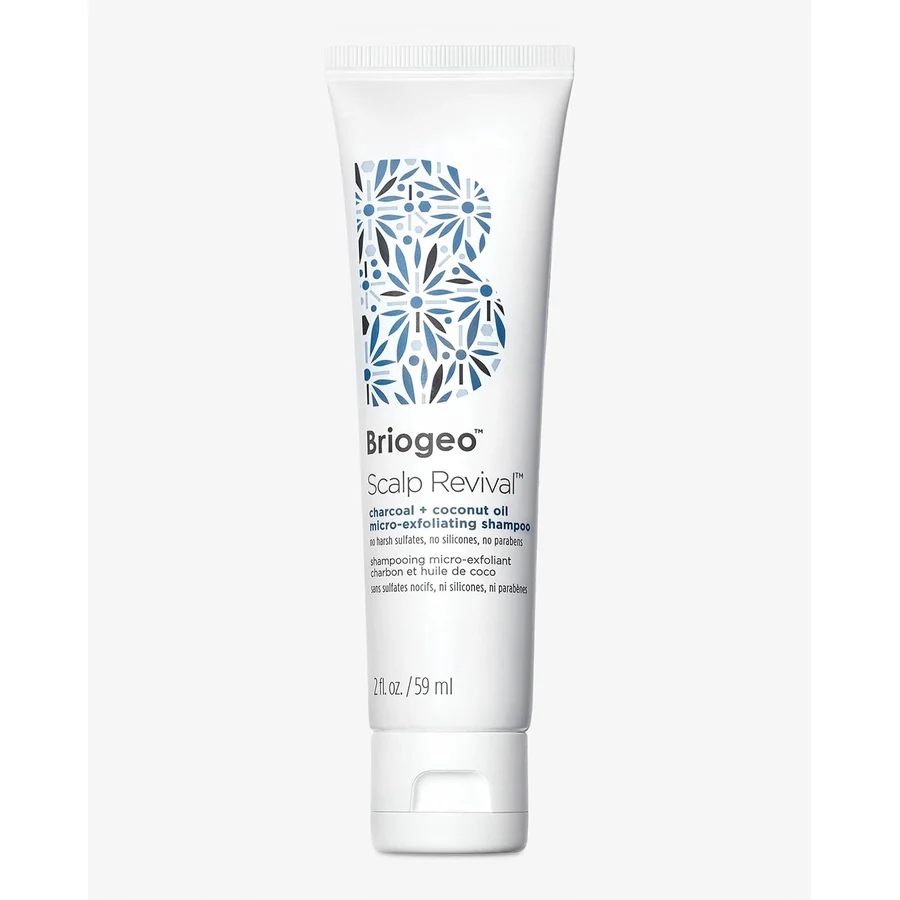
A different optional approach some people use for scalp-focused cleansing between regular washes — this is a separate option from the clarifying shampoo above, not something meant to be layered together with it.
Should you put oil on an already oily scalp? The honest answer is: it depends on what you’re trying to accomplish, and for most people with a genuinely oily scalp, it’s simply unnecessary.
Applying oil directly to the scalp adds more oil to an area that’s already producing plenty on its own, so it rarely helps and can make hair look greasier faster.
Applying a small amount of oil to dry ends is a separate situation entirely, and can genuinely help with softness and shine — this is especially relevant for the oily-roots-dry-ends combination discussed earlier.
There’s no reliable evidence that oiling the scalp “feeds” hair follicles or increases hair growth, and claims along those lines should be treated skeptically. If hair growth or thinning is a genuine concern rather than a cosmetic oiliness issue, that’s a conversation for a dermatologist rather than something to address with oil.
Conditioner and Hair Masks for Oily Hair
Oily roots don’t mean the rest of your hair doesn’t need conditioning — in fact, skipping conditioner because your scalp is oily is one of the more common mistakes people make. A lightweight conditioner applied to the mid-lengths and ends after every wash keeps hair from becoming brittle without adding oil to the scalp.
Hair masks work the same way here as they do for any hair type: they’re a more intensive, longer-contact treatment, generally applied to the lengths and ends rather than the scalp. Timing varies by product, so it’s best to follow the instructions on the label rather than assuming a longer application always works better. If your scalp is oily but your lengths are also dry or damaged, a mask focused only on the ends can be genuinely useful without making the roots any greasier.
Ingredient Categories for Oily Hair
Rather than chasing specific product names, it helps to understand a few broad categories:
Cleansing agents are what actually lift oil, sweat, and debris from the scalp during shampooing.
Lightweight conditioning agents smooth the hair shaft without adding heaviness, which matters more for oily-prone hair than for other types.
Humectants (like glycerin) help attract and retain moisture in the lengths, and how they perform depends on the overall formula and your hair’s condition rather than the ingredient alone.
Silicones and conditioning polymers add shine and smoothness; lighter, water-soluble versions tend to be a better fit for oily-prone hair than heavier, non-soluble types.
Clarifying ingredients are formulated for deeper cleansing and buildup removal, and are generally meant for occasional rather than everyday use.
No single ingredient is universally “good” or “bad” for oily hair — it’s worth being skeptical of sweeping claims about sulfates, silicones, parabens, or vague “toxins,” since most of these claims aren’t well supported by evidence.
Common Mistakes That Can Make Oily Hair Feel Worse
1
Washing with very hot water
, which can be more irritating to the scalp than warm water without any added benefit for oil control.
2
Aggressively scrubbing the scalp
, which can irritate skin without reducing oil production.
3
Applying conditioner heavily at the roots
, which adds unnecessary weight and can make hair look oilier faster.
4
Using too many heavy styling products
, especially near the scalp.
5
Touching your hair constantly
throughout the day, which transfers oil from your hands to your roots.
6
Layering dry shampoo indefinitely
without ever washing it out.
7
Overusing clarifying shampoo
, which can leave hair and scalp overly dry.
8
Ignoring product buildup
until it becomes obvious and hard to manage.
9
Assuming an oily scalp means skipping conditioner entirely
10
Following a rigid washing schedule
that doesn’t actually match how your scalp behaves.
Oily Hair After Workouts
For an active audience, sweat deserves its own mention. Sweat and oil aren’t the same thing, but they can combine to make your scalp feel uncomfortable and your hair look greasier faster after exercise.
A light rinse or a full wash after a workout is reasonable if your scalp feels sweaty, oily, or uncomfortable — there’s no rule against washing more often on heavy exercise days.
Whether you need a full shampoo or just a rinse depends on how much you sweat, how much product is already in your hair, and your personal comfort.
Leaving heavy sweat and product buildup on the scalp for extended periods isn’t ideal, but a single skipped post-workout wash isn’t harmful either.
You don’t need to shampoo multiple times a day as a default — for most people, one thorough wash on a heavy workout day is enough.
How to Make Oily Hair Look Fresh Between Washes
A few realistic options for stretching time between washes:
Keep styling minimal and lightweight, especially near the roots
Use dry shampoo where appropriate, and wash it out within a wash or two
Avoid repeatedly touching or running your fingers through your roots
Try looser hairstyles that don’t concentrate oil in one visible spot
Refresh the lengths separately from the roots — a light mist of leave-in on the ends can help even when the roots need an actual wash
These are genuinely useful in-between strategies, not substitutes for cleansing when your scalp actually needs it.
When Oily Scalp May Need a Dermatologist
Ordinary oiliness is cosmetic and manageable with the routine adjustments above. It’s worth seeking a professional opinion, though, if oiliness happens alongside:
Persistent itching that doesn’t improve with a gentler shampoo
Redness or visible irritation
Significant flaking or scaling
Sores or open areas on the scalp
Pain or tenderness
Unusual or increased hair shedding
Sudden, significant changes in how your scalp looks or feels
Symptoms that don’t improve despite consistent routine changes
The Cleveland Clinic notes that ongoing scalp discomfort that doesn’t respond to a gentler shampoo or basic changes is a reasonable reason to check in with a dermatologist (Cleveland Clinic). Conditions like seborrheic dermatitis can involve both oiliness and flaking together, but this article isn’t the place to self-diagnose that — a board-certified dermatologist can determine whether what you’re experiencing is ordinary oiliness or something that needs a specific treatment plan.
Simple Oily Hair Routine Checklist
Time
What to Do
Morning
Check if hair actually needs washing; avoid touching roots repeatedly; keep products lightweight and away from the scalp
Wash Day
Shampoo the scalp thoroughly; condition mid-lengths and ends only; use lightweight products; consider a clarifying shampoo occasionally if buildup is noticeable
Non-Wash Day
Use dry shampoo sparingly if needed; refresh lengths with a light leave-in if they feel dry; avoid piling on extra product
Night
Remove heavy styling products; avoid adding more product; tie hair loosely if styled up; plan ahead for tomorrow’s wash
Frequently Asked Questions
It depends on your scalp’s oil production, hair texture, activity level, and personal comfort. Some people with oily scalps do well washing daily; others find every other day or a few times a week is enough. There’s no universal number that fits everyone.
Yes. If your scalp becomes oily quickly, washing daily can be appropriate for some people, especially when you use a gentle shampoo and your scalp tolerates it.
Yes. Conditioner should go on the mid-lengths and ends, not the scalp. Skipping it can leave the ends dry and prone to damage even if your roots are oily.
It’s usually a combination of how much oil your scalp naturally produces, your hair texture (fine, straight hair shows oil fastest), and habits like touching your hair often or using heavy products near the roots.
It can be a useful tool between washes since it temporarily absorbs oil at the scalp, but it doesn’t clean hair the way regular shampoo does. It works best used occasionally, not as a daily replacement for washing.
Only occasionally, when you notice buildup — like hair that feels coated or looks dull even after washing. Using a clarifying shampoo every wash can be too stripping for your scalp and hair.
Generally, no — adding oil directly to an already oily scalp usually isn’t helpful. A small amount of oil applied only to dry ends is a different situation and can genuinely help with softness.
This is common, especially with curly, coily, longer, or color-treated hair, because sebum from the scalp doesn’t travel efficiently all the way down the hair shaft. Treat the scalp and the ends as two separate areas with different needs.
Keep styling lightweight, use dry shampoo sparingly, avoid touching your roots, and try looser hairstyles. These help temporarily, but they aren’t a substitute for washing when your scalp actually needs it.
Consider talking with a dermatologist if oiliness comes with persistent itching, redness, significant flaking, pain, sores, or noticeable hair shedding — or if nothing you try seems to improve it.
Final Takeaway
An oily scalp doesn’t need to be punished with increasingly harsh shampoos or constant washing out of frustration. A simple, sustainable routine — scalp-focused shampooing, washing frequency that matches your actual scalp needs, lightweight products, conditioner kept on the lengths, and occasional buildup management — handles most everyday oiliness without overcomplicating things. If you’re still building your overall routine, our Hair Care Routine for Beginners guide covers the full framework this article builds on, and if your ends tend to run dry even as your roots stay oily, our Hair Care Routine for Dry Hair guide can help you fine-tune that side of the equation too.
Why You Can Trust This Guide
This article was written and edited by the Ava Fit Care editorial team based on guidance from established, publicly available dermatology resources, including the American Academy of Dermatology and Cleveland Clinic. It’s intended as general educational information rather than a personal medical consultation, and it doesn’t substitute for an evaluation by a board-certified dermatologist for any specific scalp concern.