Hair Care Routine for Dry Hair: A Simple AM & PM Guide
September 7, 2026
If your hair feels rough no matter how much conditioner you use, or it tangles the second you towel it off, dry hair probably isn’t about needing more products — it’s about needing the right adjustments to a routine you may already have. A basic hair care routine works differently on dry hair than it does on oily or normal hair, and small changes to how you wash, condition, and style can make a noticeable difference.
This guide covers a full hair care routine for dry hair, including a simple AM and PM version, how to choose shampoo and conditioner, whether oils and masks are worth it, and how dryness shows up differently depending on your hair type.
Quick Answer: What Is the Best Hair Care Routine for Dry Hair?
A dry-hair routine focuses on moisture and minimizing damage rather than deep cleansing. In practice, that means washing less frequently with a gentle, moisturizing shampoo used mainly on the scalp, conditioning every time you wash with extra attention on the mid-lengths and ends, and adding a leave-in conditioner or lightweight oil if your hair still feels dry afterward. Detangle gently with a wide-tooth comb, reduce heat styling or always use a heat protectant, and protect hair from friction at night. There’s no single product that fixes dry hair — consistency in these habits matters more than any one item on the shelf.
What Causes Hair to Feel Dry?
Dry hair usually comes from one of a few overlapping sources, and it helps to know which ones apply to you:
Naturally dry hair. Some people’s scalps simply produce less oil, or their hair’s structure (often curlier or coarser textures) makes it harder for that oil to travel down the length of the hair shaft.
Environmental dryness. Low humidity, cold weather, indoor heating, and sun exposure can all pull moisture out of hair over time.
Heat styling. Frequent use of blow dryers, flat irons, or curling irons can gradually dry out the hair shaft, especially without a heat protectant.
Chemical processing. Coloring, bleaching, relaxing, and perming break down some of the hair’s internal structure, which often leaves it feeling drier and rougher afterward.
Overwashing or harsh cleansers. Washing too frequently, or using a shampoo that strips natural oils, can leave hair feeling dry even if it isn’t dry by nature.
Friction. Rough towel-drying, sleeping on cotton pillowcases, and tight hairstyles can all roughen the hair’s outer layer over time.
Most people are dealing with some combination of these rather than just one cause, which is part of why a routine adjustment usually helps more than a single “miracle” product.
Signs Your Hair May Be Dry
These are cosmetic signs, not medical ones — they describe how dry hair tends to look and feel, not a diagnosis:
Rough or straw-like texture
Hair that lacks softness even right after conditioning
Frequent frizz, especially in humidity
Tangling more easily than it used to
Visible split ends
Increased breakage, especially at the ends
A duller appearance compared to freshly conditioned hair
If you’re noticing several of these at once, it’s a reasonable sign that your current routine isn’t giving your hair enough moisture or protection.
The Best Hair Care Routine for Dry Hair
01
Choose a Gentle Shampoo
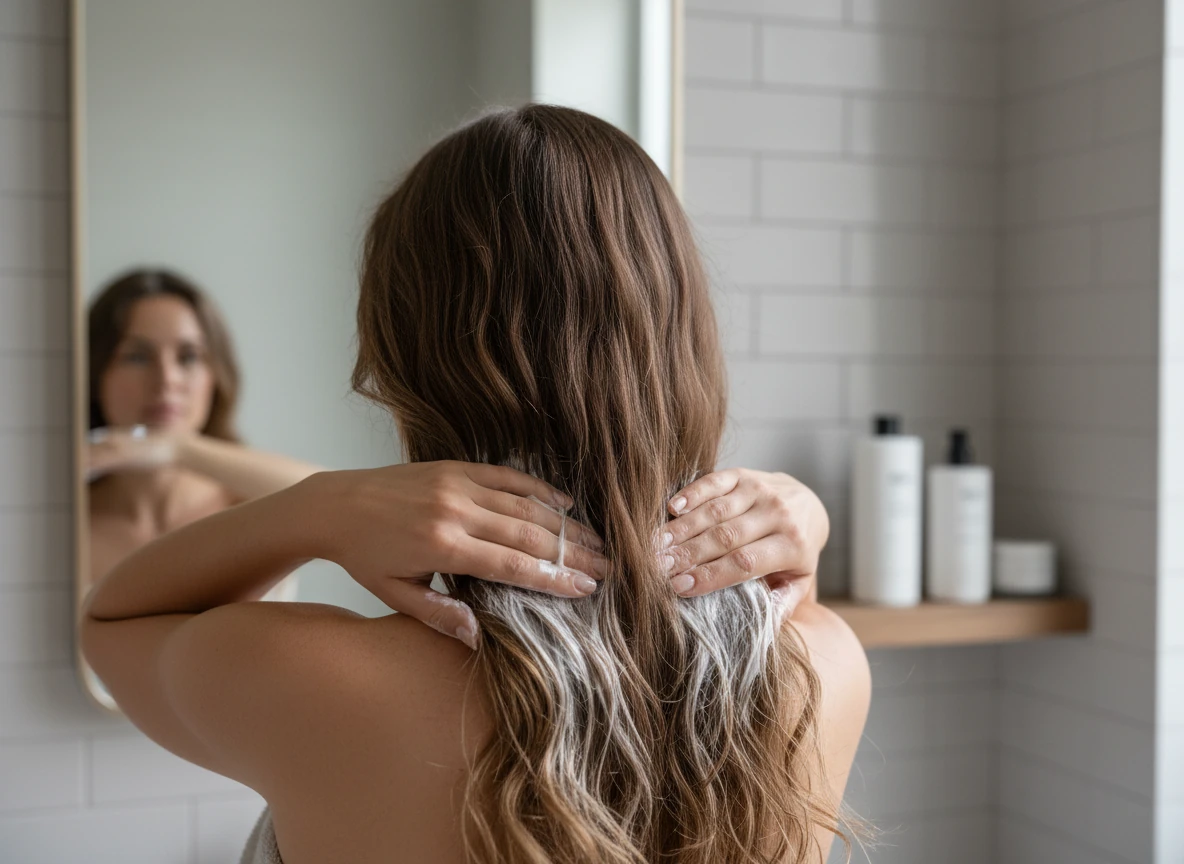
For dry hair, the goal is cleansing without stripping. The American Academy of Dermatology recommends using shampoo mainly to clean the scalp and letting it run through the lengths as you rinse, rather than scrubbing it into the ends (American Academy of Dermatology). Look for a shampoo labeled moisturizing or formulated for dry or color-treated hair, and pay attention to how your hair feels afterward — if it feels tight, squeaky, or rough once dry, the formula may be too stripping for you. Not all sulfates are automatically harsh, and not all sulfate-free formulas are automatically gentle; how a shampoo feels on your specific hair matters more than a single ingredient label, so it’s worth being skeptical of viral claims that one ingredient is universally bad.
Your scalp’s own needs still matter here, too. If your scalp runs oily while your ends run dry — a common combination — you may need a shampoo that’s gentle enough for your lengths but still effective enough to keep your scalp comfortable, rather than one focused purely on moisture.
02
Use Conditioner Every Wash
Conditioner isn’t optional for dry hair — it’s one of the most useful steps you have. Apply it to the mid-lengths and ends rather than the scalp, and leave it on for the amount of time listed on the packaging. It smooths the outer layer of the hair, which improves detangling (“slip”), reduces the appearance of frizz, and adds a layer of softness that dry hair usually needs more of than other hair types.
Texture and richness matter more here than for other hair types. Richer, more emollient formulas tend to work well for coarser or more textured dry hair, while lighter conditioners are often a better fit for fine-but-dry hair, so you don’t end up with limp, weighed-down roots. Match the formula to your texture rather than just “dry hair” as a category — a rich conditioner made for coily hair may feel too heavy on fine, straight, dry hair, even though both are technically dry.
03
Add a Leave-In Conditioner When Helpful
A leave-in conditioner can give dry hair extra moisture and manageability throughout the day, especially for curlier, coilier, or chemically treated hair. Apply a small amount to damp, towel-dried hair — start with less than you think you need, since leave-ins can build up and feel heavy if overused. Not everyone with dry hair needs one; some people find their rinse-out conditioner is already enough.
04
Protect Hair During Detangling
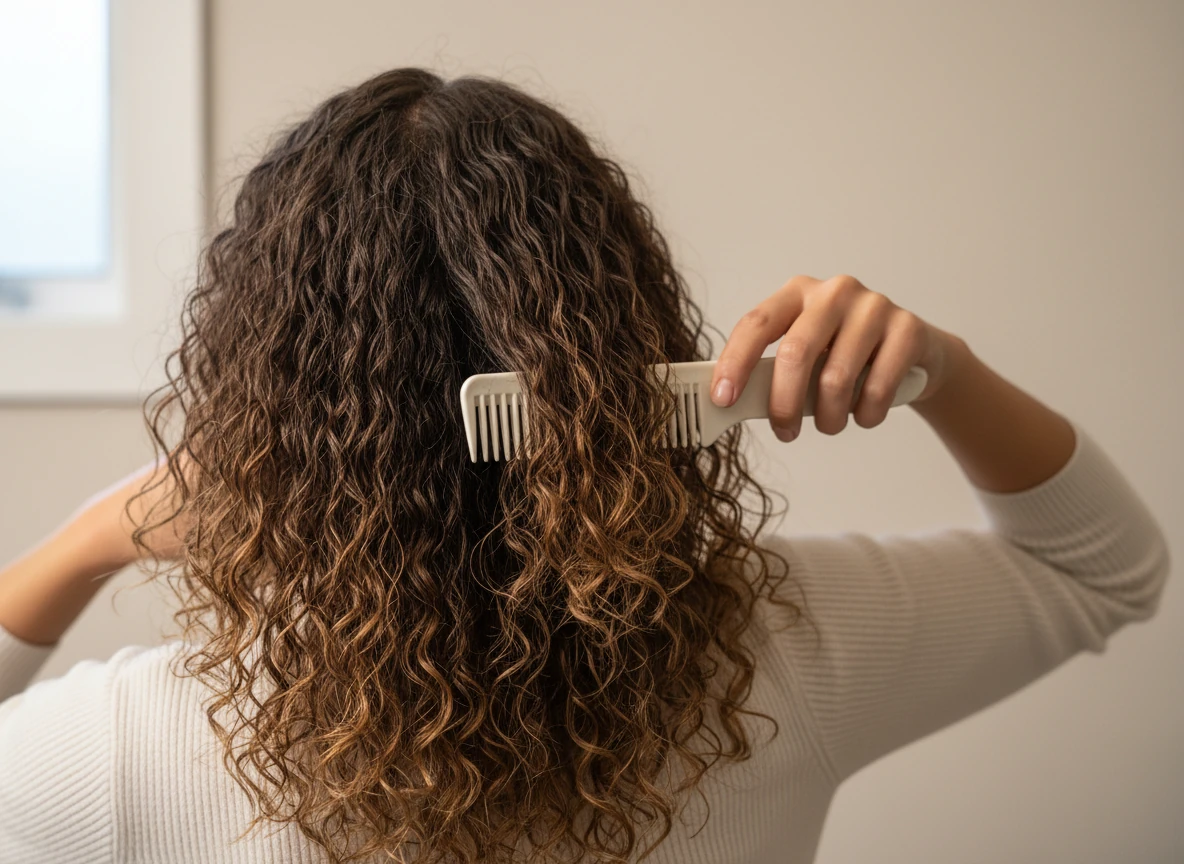
Dry hair tends to tangle more easily and is more prone to breakage when detangled roughly. Use a wide-tooth comb, start at the ends, and work upward in small sections rather than pulling straight through knots from the root. If you feel resistance, stop and work the knot apart in smaller pieces instead of forcing it.
05
Use Heat Protection
Heat styling is one of the more avoidable contributors to dry hair. If you use a blow dryer, flat iron, or curling iron, apply a heat protectant first and use the lowest effective temperature. A heat protectant reduces — it doesn’t eliminate — the drying effect of heat, so limiting how often you use hot tools still matters even when you’re using one.
Morning Routine for Dry Hair
A simple AM routine for dry hair doesn’t need to take long:
1
Assess how your hair feels
— sometimes a quick refresh is all it needs.
2
Refresh if needed
, using water or a light mist rather than restarting your whole routine.
3
Apply a small amount of leave-in product
if your hair feels dry or frizzy.
4
Gently detangle
with a wide-tooth comb, starting at the ends.
5
Style with minimal friction
— avoid unnecessary brushing or tight pulling.
6
Protect from unnecessary heat
, using a protectant if you’re styling with hot tools that day.
Not every step is necessary every day. On non-wash days, steps 3 through 6 are often all you need.
Night Routine for Dry Hair
Nighttime is when a lot of avoidable dryness and breakage happens, mostly from friction and rough handling:
Detangle gently before bed so you’re not fighting knots in the morning.
Reduce friction where you can — a satin or silk pillowcase is a common, low-effort choice some people with dry or textured hair find helpful.
Use a loose protective style, like a loose braid, if that fits your hair type and routine.
Avoid going to bed with soaking-wet hair if it tends to tangle or break more that way; wet hair is more fragile, and friction against a pillow can add unnecessary stress to it (Cleveland Clinic).
Apply a lightweight leave-in or oil to the ends if your hair tends to feel drier by morning.
None of this needs to be elaborate — the goal is simply reducing unnecessary friction and tension overnight.
Recommended Products for Dry Hair
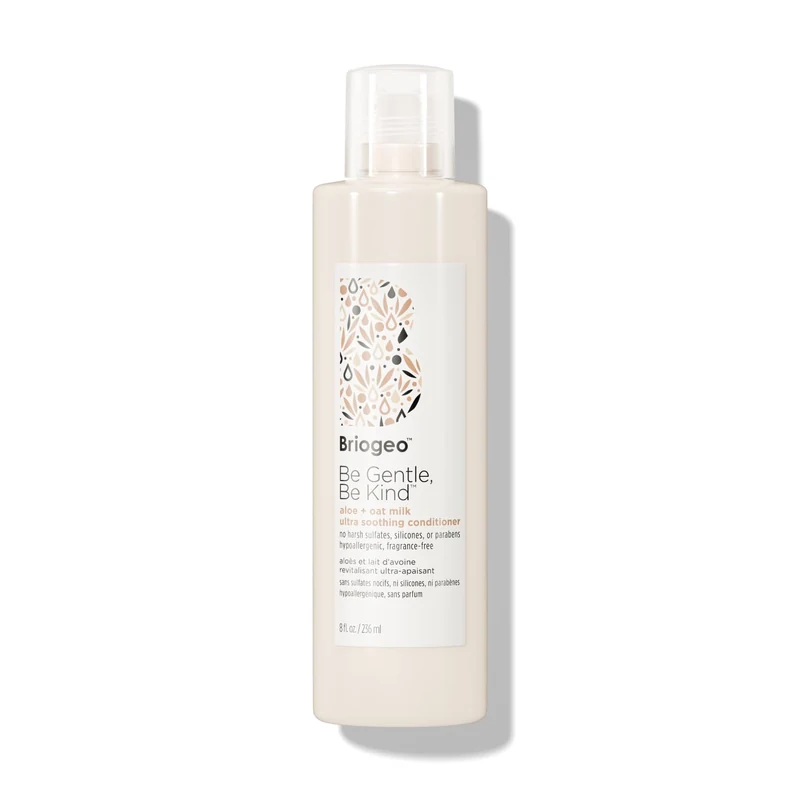
You don’t need a long list of products to care for dry hair. Start with a gentle shampoo and conditioner, then add a leave-in or hair oil if your hair needs extra conditioning or styling support. You don’t need all four of these at once — pick whichever fits the step above that’s most relevant to your hair.
Affiliate Disclosure: Some links on this page are affiliate links, which means Ava Fit Care may earn a commission if you make a purchase through them, at no additional cost to you. Our recommendations are based on usefulness and fit for the topic.
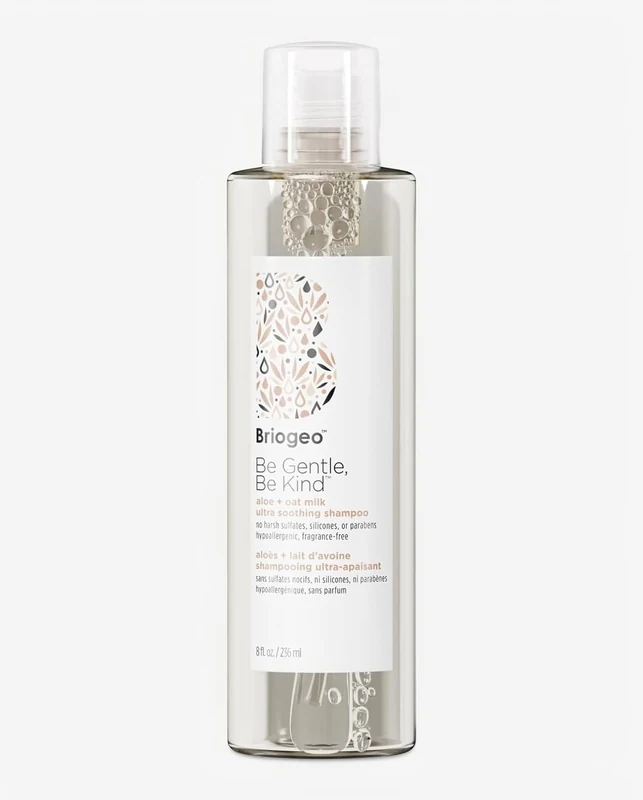
Briogeo Be Gentle, Be Kind Shampoo
A gentle shampoo option for dry hair that can fit into a simple, moisture-focused washing routine.
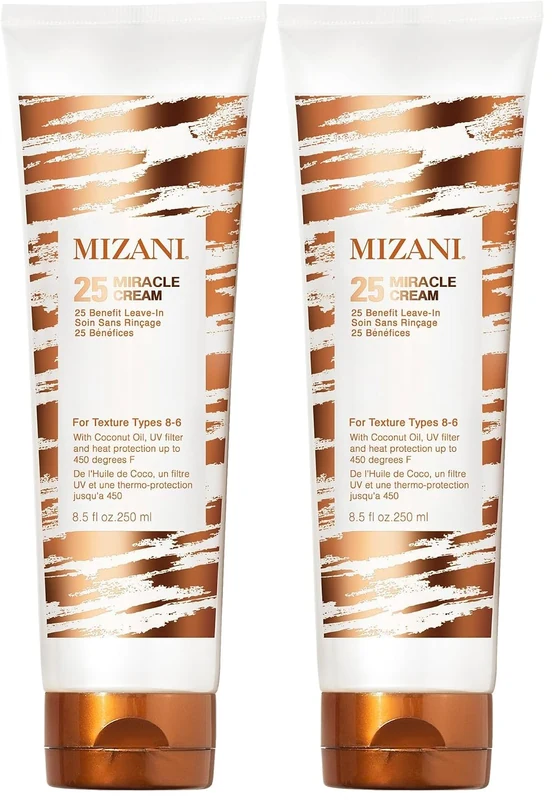
A leave-in option that can fit into a dry-hair routine when extra conditioning and styling support are useful. It isn’t something every dry-hair routine needs — plenty of people do fine with just a rinse-out conditioner.
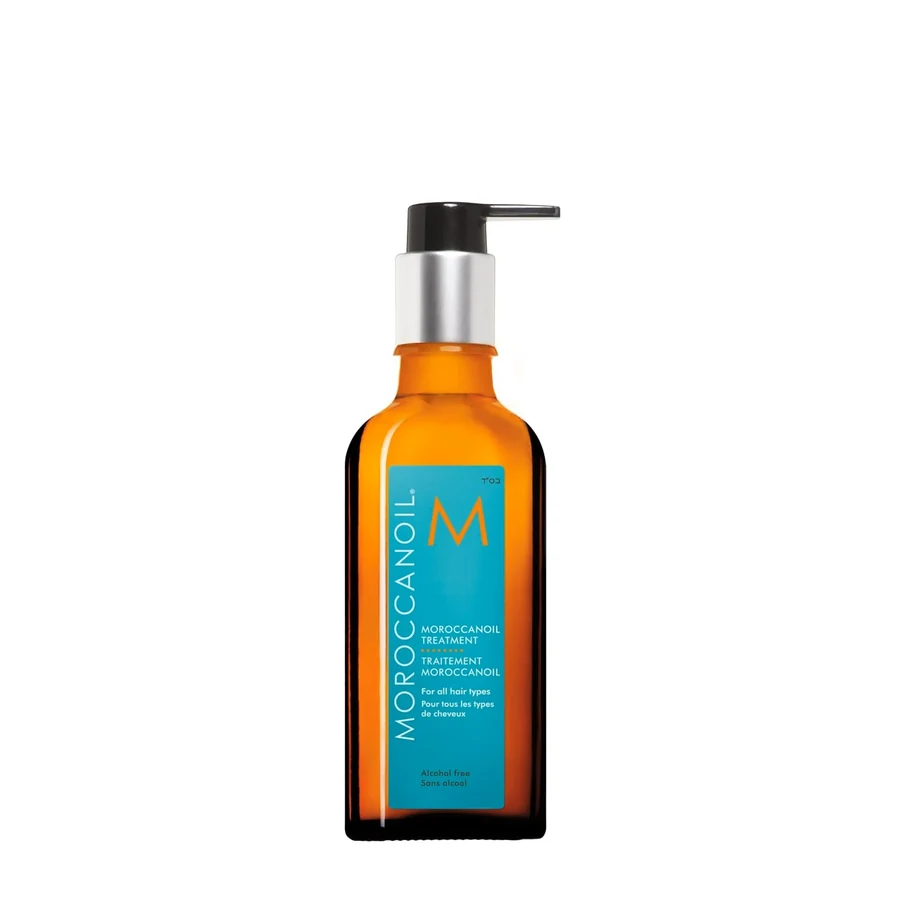
An optional hair oil that can be used sparingly on dry lengths and ends as part of a moisture-focused haircare routine. This is separate from the leave-in above, not a product meant to be used together with it as a required pair.
There’s no universal number of washes per week that works for everyone with dry hair. Frequency depends on:
How much oil your scalp produces
Your activity level and sweating
Product buildup
Your hair’s texture and thickness
How your scalp and hair feel day to day
Any existing scalp conditions
In general, people with dry hair often do better washing less frequently than people with oily hair, since more frequent washing can strip away the natural oils dry hair is already short on. That said, it’s worth distinguishing between a dry scalp and dry hair — they’re related but not identical. A dry scalp can feel tight, itchy, or flaky and is a skin issue, while dry hair refers to the strands themselves lacking moisture. It’s possible to have an oily scalp with dry ends, in which case washing frequency should be based more on your scalp’s comfort than on how dry your lengths feel.
(For a broader breakdown of washing frequency and building a full routine from scratch, see our pillar guide: Hair Care Routine for Beginners.)
Do Hair Oils Help Dry Hair?
Hair oils can genuinely help dry hair, but it’s worth understanding what they do and don’t do:
Oils can coat the hair shaft, adding softness, shine, and a smoother feel.
Some oils reduce friction between strands, which can mean less tangling and mechanical damage during detangling or brushing.
Oil does not hydrate hair the way water-based conditioners do — oils primarily seal in moisture or reduce friction rather than adding moisture themselves. Applying oil to already-dry hair without any water-based conditioning first often does less than expected.
Results vary by hair type: a small amount can work well on coarser or curlier dry hair, while the same amount may feel greasy on finer hair.
Hair oil isn’t a requirement, and it isn’t a fix for hair that’s already structurally damaged — it’s a finishing step that works best alongside, not instead of, regular conditioning.
Hair Masks for Dry Hair
A hair mask is a more intensive conditioning treatment than a quick rinse-out conditioner. Many hair masks are designed to sit on the hair for several minutes, but timing varies by product — follow the directions on the label rather than assuming that leaving a mask on longer will automatically produce better results. For dry hair specifically, a mask can be genuinely useful because it gives conditioning ingredients more contact time to soften and smooth the hair shaft.
How often to use one depends on how dry and how textured your hair is — some people with very dry or coily hair use one weekly, while others with mildly dry hair might use one every few weeks. There’s no fixed schedule that fits everyone, and if your regular conditioner is already keeping your hair comfortable, a mask is a nice-to-have rather than a requirement.
Best Hair Care Ingredients for Dry Hair
Rather than chasing specific product names, it helps to understand a few broad ingredient categories and what they generally do:
Humectants (like glycerin) can help hair attract and retain water, but how they perform depends on the overall formula, humidity, and the condition of your hair. If your hair feels drier or frizzier after using a particular product, try a different formula rather than assuming all humectants are a bad fit.
Emollients (like fatty alcohols and some plant oils) smooth the hair’s surface and improve softness and shine.
Conditioning agents (like silicones or conditioning polymers) coat the hair shaft to improve detangling and reduce friction.
Occlusive ingredients (like heavier oils and butters) form a layer on the hair’s surface that helps slow moisture loss.
No single ingredient works identically for everyone, and there’s no “miracle” ingredient that resolves dryness on its own — most effective dry-hair products combine several of these categories.
Dry Hair by Hair Type
Dry hair looks and behaves differently depending on your underlying texture, so the routine adjustments differ too.
Dry Straight Hair
Dryness on straight hair often shows up as flat-looking, static-prone strands rather than obvious frizz. A lightweight, moisturizing conditioner applied mainly to the ends, plus occasional use of a light leave-in, usually works better than heavier products that can weigh straight hair down.
Dry Wavy Hair
Wavy hair can lose its natural definition when dry, often looking more frizzy than “wavy.” A slightly richer conditioner than you’d use on straight hair, plus a lightweight styling cream, can help maintain wave pattern without flattening it.
Dry Curly Hair
Curly hair is naturally more prone to dryness because oil from the scalp has a harder time traveling down the curl’s spiral shape. Richer conditioners, less frequent shampooing, and a leave-in or curl cream are common parts of a dry-curly routine.
(A dedicated curly hair routine guide is planned for this site and will be linked here once published.)
Dry Coily Hair
Coily hair tends to be the most prone to dryness of all textures, partly because of shrinkage and the tight curl pattern making moisture retention harder. A dry-coily routine often includes deep conditioning, regular moisturizing between washes, and gentle detangling done with conditioner still in the hair.
Dry Fine Hair
Fine hair that’s also dry needs a careful balance — enough moisture to address dryness without weighing the hair down or making it look greasy. Lightweight conditioners and small amounts of leave-in or oil, applied only to the ends, tend to work best.
Dry Thick Hair
Thick hair can mask dryness at the surface while still feeling rough or brittle underneath, since there’s simply more hair to condition. Richer conditioners, deep conditioning treatments, and thorough (not necessarily frequent) conditioning tend to serve dry, thick hair well.
Dry Hair vs. Damaged Hair
These two overlap but aren’t the same thing, and the distinction matters for what you can realistically expect from a routine change.
Dry hair describes a lack of moisture or oil, and it often responds well to consistent conditioning, gentler washing, and reduced heat or chemical exposure. With the right adjustments, dry hair frequently starts to feel noticeably softer and more manageable within a few weeks.
Damaged hair refers to structural harm to the hair shaft itself — from chemical processing, excessive heat, or ongoing mechanical stress. Because hair is not living tissue, existing damage can’t be reversed the way skin heals; it can only be managed (with conditioning, trims, and gentler handling) until it grows out or is cut off. Many people have some overlap of both — hair that’s dry because it’s also somewhat damaged — which is part of why results from a new routine are often gradual rather than immediate.
How to Reduce Breakage in Dry Hair
Dry hair is more prone to breakage because it has less flexibility, so reducing it comes down to lowering everyday stress on the strands: gentle detangling, consistent conditioning, less heat and tension, and less friction from towels and pillowcases. The list below covers the specific habits most likely to undo that progress.
Common Mistakes That Make Dry Hair Worse
1
Washing too aggressively or too often
, which strips away oils dry hair needs.
2
Overusing heat styling tools
without a protectant or lower heat settings.
3
Rough towel-drying
, which roughens the hair’s outer layer.
4
Brushing harshly
, especially when hair is wet and more fragile.
5
Excessive chemical processing
without adequate time or conditioning between treatments.
6
Using too much product at once
, making it hard to tell what’s actually helping.
7
Ignoring scalp needs
while focusing only on the ends.
8
Constantly switching products
, rather than giving one routine a few weeks to work.
How Long Does It Take to Improve Dry Hair?
Timelines vary quite a bit depending on what you’re hoping to change:
Softness and manageability can improve fairly quickly — sometimes within a wash or two — once you introduce more consistent conditioning.
Reducing breakage takes longer, since you’re mainly preventing new damage rather than reversing what’s already there; expect a few weeks of consistent habits before you notice a real difference.
Existing split ends can’t be permanently repaired by any product — they can only be smoothed temporarily or trimmed off.
Healthier-looking new growth depends on ongoing care over months, since hair grows gradually and any new, healthier hair still has to grow out to replace what’s already there.
When to See a Dermatologist
Most dryness is a cosmetic issue that responds to routine changes, but a few signs are worth having evaluated by a professional rather than managed on your own:
Sudden or unusual changes in how your hair or scalp feels
Significant hair shedding along with the dryness
A scalp that’s constantly itchy, painful, or swollen and warm to the touch
Visible scalp inflammation, sores, or scaling that doesn’t improve with a gentler shampoo
Unexplained thinning
Dryness that doesn’t improve at all despite consistent routine changes
The Cleveland Clinic notes that persistent scalp discomfort that doesn’t respond to a gentler shampoo or over-the-counter changes is a reasonable reason to check in with a dermatologist (Cleveland Clinic). A board-certified dermatologist can determine whether dryness is purely cosmetic or connected to an underlying scalp or skin condition that needs treatment.
Simple Dry Hair Routine Checklist
Time
What to Do
Morning
Refresh as needed; apply leave-in if hair feels dry; gently detangle; use minimal heat; protect from unnecessary friction
Wash Day
Use a gentle, moisturizing shampoo mainly on the scalp; condition every wash on mid-lengths and ends; detangle carefully; add leave-in if useful; use heat protection if styling
Night
Detangle gently; reduce friction (satin/silk pillowcase if you have one); use a loose protective style if it fits your hair; avoid sleeping with soaking-wet hair
Frequently Asked Questions
Wash with a gentle, moisturizing shampoo less frequently than you would for oily hair, condition every wash, and add a leave-in or lightweight oil if your hair still feels dry. Reduce heat styling and handle hair gently, especially when wet.
It depends on your scalp’s oiliness, activity level, styling-product buildup, hair texture, and personal comfort. Some people with dry hair wash less often, while others need more frequent washing because of an oily scalp or product buildup. Focus on keeping the scalp clean without unnecessarily drying out the lengths, rather than following a fixed schedule.
Yes, in most cases. Conditioner is one of the most useful steps for dry hair, since it directly addresses the softness and manageability that dryness affects.
It can be, especially for softness, shine, and reducing friction, but oil isn’t a substitute for water-based conditioning and won’t reverse structural damage on its own.
Yes, for many people — a hair mask gives conditioning ingredients more time to work than a quick rinse-out conditioner, which can be especially useful for very dry or textured hair.
Focus on consistent conditioning, gentle detangling, reduced heat exposure, and a lightweight leave-in or smoothing product. Frizz in dry hair often improves as overall moisture and handling improve.
Dryness itself often improves noticeably with consistent care. If dryness is combined with structural damage, existing damaged sections can’t be fully repaired, but new growth cared for well can look and feel healthier over time.
Not exactly. Dry hair is about moisture, while damaged hair involves structural harm to the hair shaft. The two often overlap, but dryness alone typically responds better and faster to routine changes than damage does.
Consider seeing a dermatologist if dryness comes with significant shedding, ongoing scalp itching or pain, visible scalp inflammation, or if it doesn’t improve at all despite consistent, gentler care.
Final Takeaway
Dry hair usually needs less stripping and more consistent moisture — not more products. Start with a gentler, moisturizing shampoo used mainly on the scalp, condition every wash, and add a leave-in or oil only if your hair still feels dry afterward. Reduce heat and handle your hair gently, especially when it’s wet. If you’re still building your overall routine from scratch, our Hair Care Routine for Beginners guide walks through the full framework this article builds on.